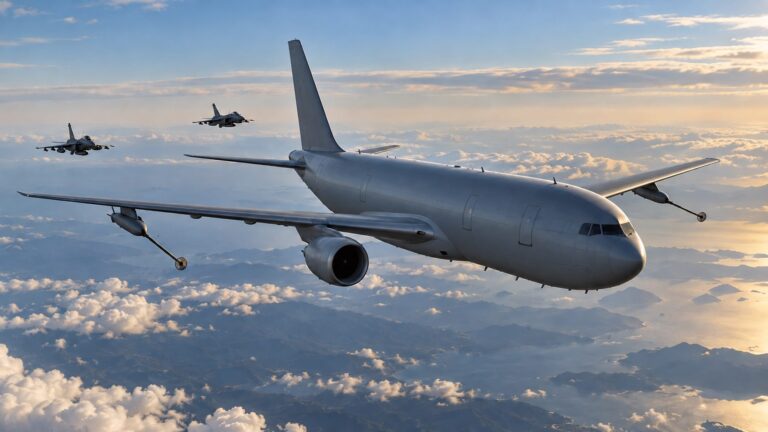
Why in News?
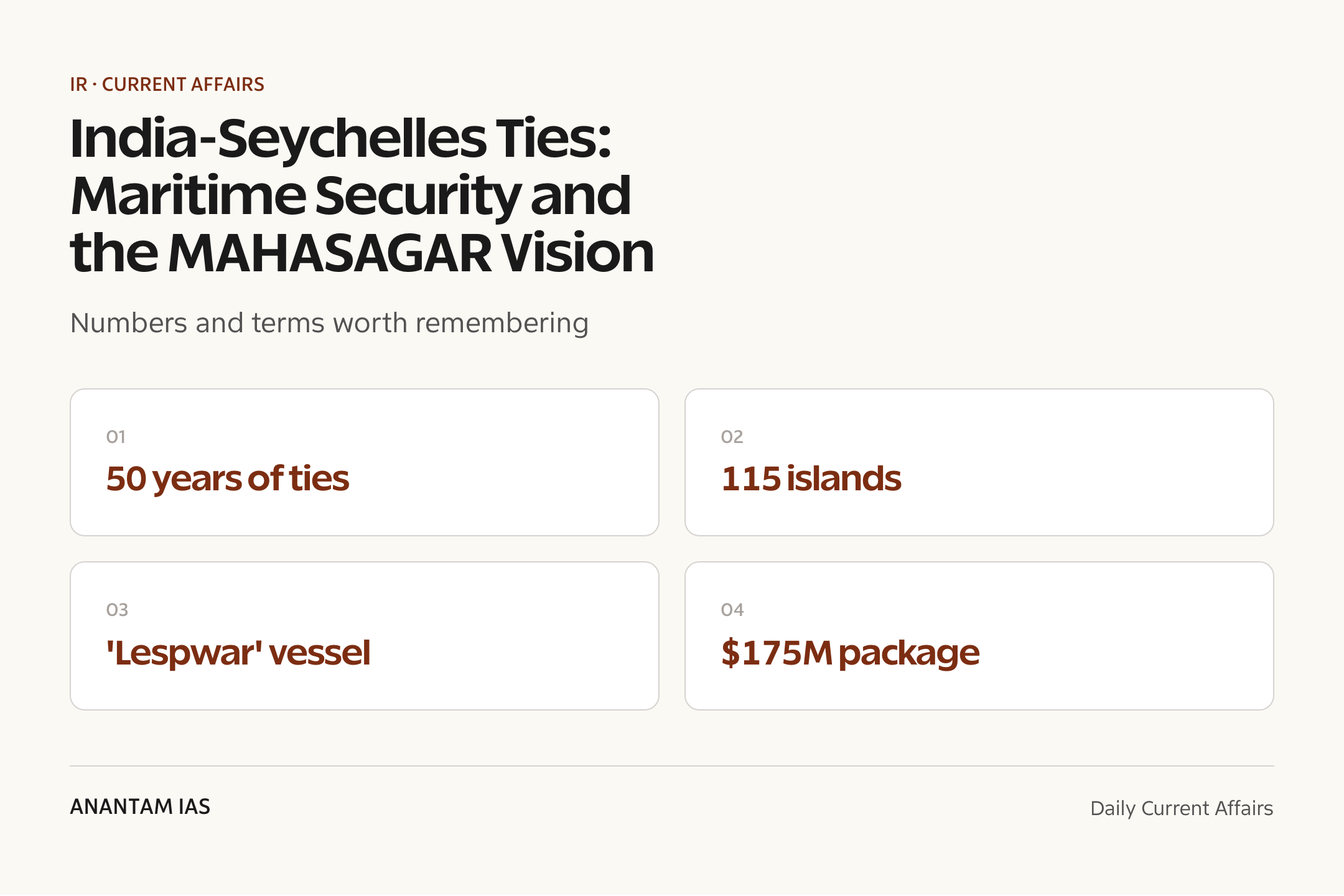
Prime Minister Narendra Modi visited Seychelles for a three-day state visit timed to the island nation’s Golden Jubilee National Day, marking 50 years of India-Seychelles diplomatic relations established in 1976. The Hindu reported him describing the partnership as “steady, strong and long-lasting” and Seychelles as a “valued maritime neighbour.”
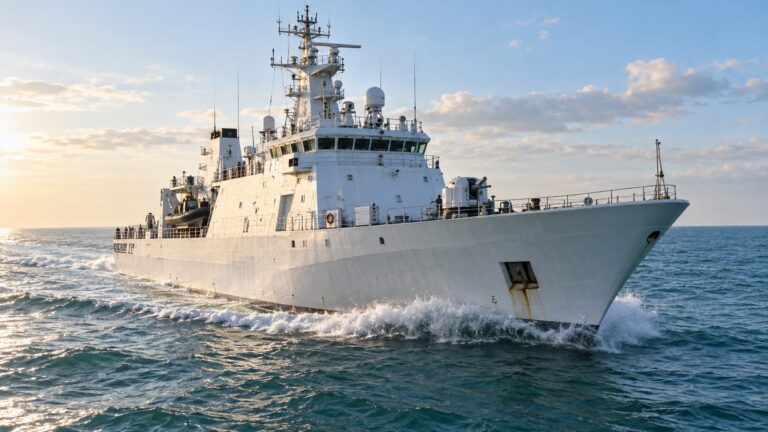
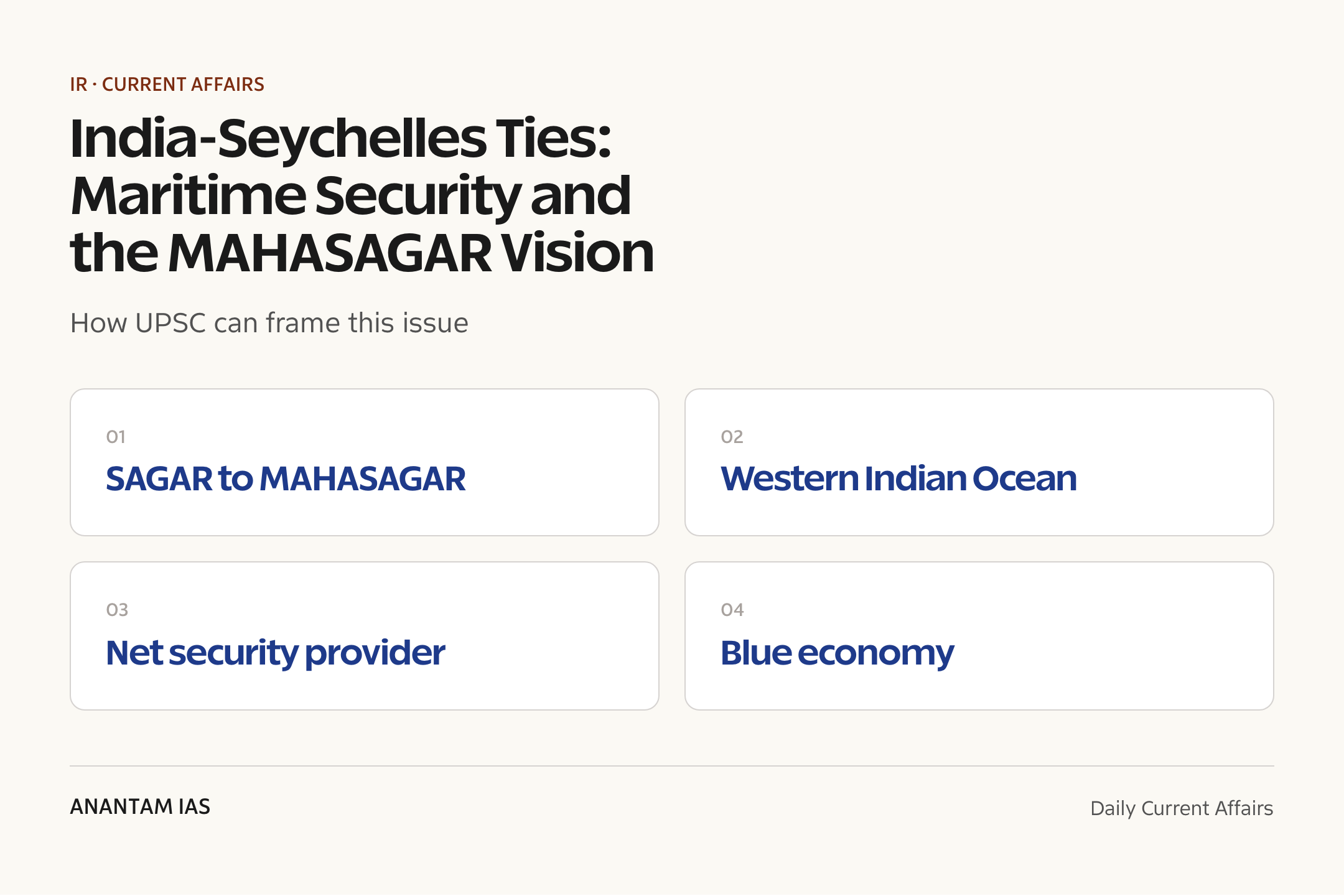
The headline deliverable was the handover of the India-built fast patrol vessel ‘Lespwar’ (Creole for “hope”) to the Seychelles Coast Guard, alongside a clutch of pacts spanning maritime security, space, cyber security and mutual legal assistance. The visit folds Seychelles firmly into India’s SAGAR-to-MAHASAGAR doctrine for the western Indian Ocean.
- Handover of the ‘Lespwar’ fast patrol vessel, built by Goa Shipyard Limited (can exceed 30 knots), to boost Seychelles’ surveillance over its large Exclusive Economic Zone.
- Pacts/agreements covering maritime security, space, cyber security and mutual legal assistance, with new areas flagged in AI, blue economy and marine science.
- Additional gifts: six ambulances, 10 utility vehicles and five laser radial boats for healthcare and security.
- India announced a roughly $175 million economic package (a $125 million rupee Line of Credit plus $50 million in grants) for housing, infrastructure, mobility and capacity building.
- Visit synced with Seychelles’ 50th National Day; the year 1976 also saw INS Nilgiri join the original independence ceremony.
- Modi described Seychelles as a “valued maritime neighbour” and the ties as “steady, strong and long-lasting,” framing the partnership in continuity rather than crisis.
The development matters in the context of:
- Diplomatic ties began when Seychelles became independent on 29 June 1976; an Indian Naval Ship contingent took part in that first Independence Day celebration.
- Seychelles sits astride the western Indian Ocean sea lanes that carry a large share of global oil and container traffic, giving it strategic weight far beyond its size.
- People-to-people roots run deep: Indian-origin residents, drawn from Tamil Nadu, Puducherry and later Gujarat, form a notable share of the population.
- The visit advances India’s MAHASAGAR vision announced in 2025, widening SAGAR from a regional to a global-maritime, Global-South frame, consistent with India’s neighbourhood policy.
UPSC Relevance
Prelims Relevance
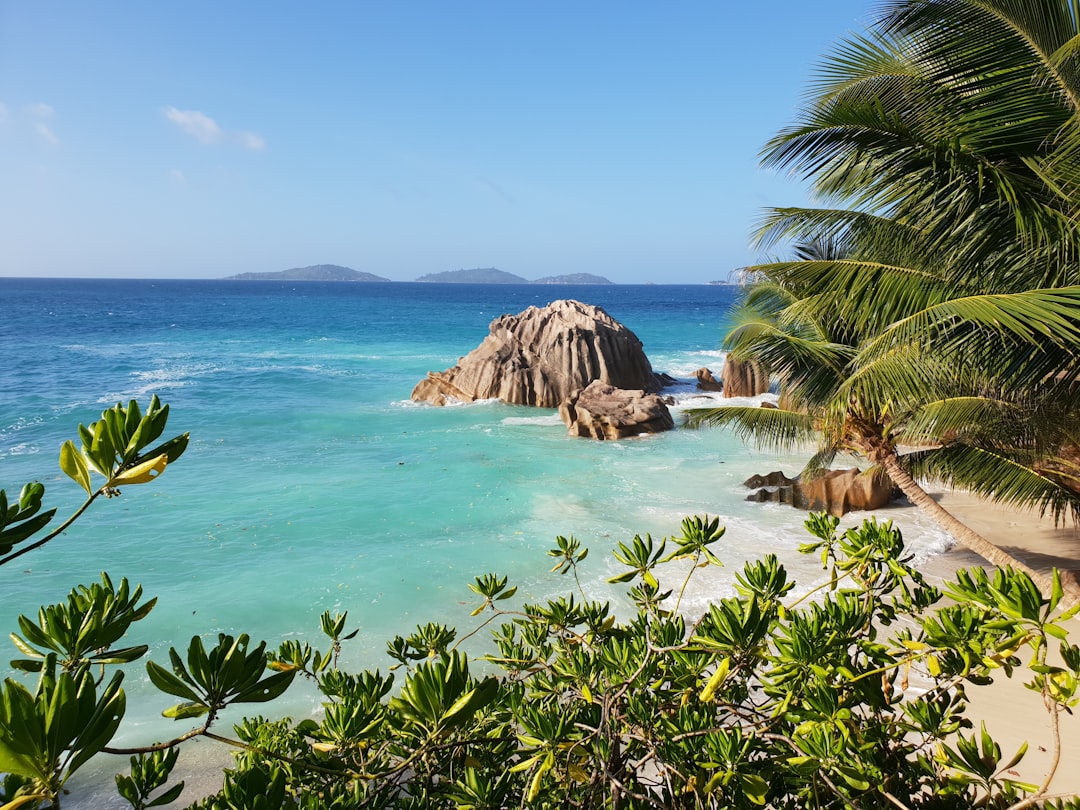
- Seychelles is an Indian Ocean archipelago of about 115 islands; capital is Victoria, on the largest island Mahe.
- Its islands are part granitic (including Mahe) and part coralline (low coral islands and atolls).
- SAGAR (Security and Growth for All in the Region) was articulated by PM Modi in 2015 at Mauritius / before IORA.
- MAHASAGAR = Mutual and Holistic Advancement for Security and Growth Across Regions, announced in 2025 (Mauritius).
- IORA (Indian Ocean Rim Association) is the apex regional grouping of Indian Ocean littoral states; both India and Seychelles are members.
- Assumption Island is a Seychellois island linked to a 2015/2018 India-Seychelles naval-infrastructure project that did not proceed as planned.
- The fast patrol vessel ‘Lespwar’ was built by Goa Shipyard Limited; ‘Lespwar’ means “hope” in Seychellois Creole.
- India has supplied Seychelles with Dornier aircraft, coastal radar/surveillance systems and naval training under SAGAR.
- Seychelles’ Exclusive Economic Zone (EEZ) is vastly larger than its land area, making maritime surveillance a core security need.
- Seychelles became independent on 29 June 1976; India established diplomatic ties the same year.
- Mauritius, Maldives and Seychelles together anchor India’s western Indian Ocean security arc.
- Maritime threats addressed include piracy, illegal/unreported fishing (IUU) and trafficking across the EEZ.
- India positions itself as a ‘first responder’ and ‘preferred partner’ for these island states.
Mains Relevance
GS Paper 2
- Examine how patrol-vessel diplomacy, lines of credit and capacity building make India a ‘first responder’ and ‘preferred partner’ for small Indian Ocean states.
- Assess the strategic logic of SAGAR’s evolution into MAHASAGAR for India’s neighbourhood and the wider Global South amid growing Chinese maritime presence.
Essay
- Neighbourhood and oceans: how a rising power earns trust through development partnership rather than dominance.
- Small states, large stakes: geography, security and the politics of the Indian Ocean.
Background and Context
The visit and its deliverables
A golden-jubilee trip turned into a substantive defence-and-development package.
- PM Modi‘s three-day state visit was anchored to Seychelles’ 50th National Day, with President Patrick Herminie as host, per Indian Express reporting.
- Centrepiece: handover of the fast patrol vessel ‘Lespwar’ to the Seychelles Coast Guard to patrol its sprawling EEZ against piracy, illegal fishing and trafficking.
- Agreements spanned maritime security, space, cyber security and mutual legal assistance, with talks on AI, marine science and blue economy.
- Soft-power and welfare gifts (ambulances, utility vehicles, boats) and a $175 million finance package signalled breadth beyond hard security.
Seychelles: geography, diaspora and why it matters
A tiny archipelago that sits on busy ocean highways.
- An archipelago of about 115 islands with capital Victoria on Mahe; granitic inner islands and far-flung coralline outer islands.
- Its location near key sea lines of communication gives it leverage in any contest over Indian Ocean access and surveillance.
- A sizeable Indian-origin community (Tamil and Gujarati roots) underpins durable people-to-people and cultural links.
- A vast EEZ relative to land makes external maritime-domain-awareness support, like India’s radars and aircraft, strategically valuable.
From SAGAR to MAHASAGAR
India’s Indian Ocean doctrine has widened from region to globe.
- SAGAR (2015) framed India as a net security provider offering ‘Security and Growth for All in the Region’ through cooperation, not coercion.
- MAHASAGAR (2025) scales this up: ‘Mutual and Holistic Advancement for Security and Growth Across Regions’, tilting toward the Global South.
- Core tools stay consistent: concessional loans, grants, technology sharing and capacity building rather than bases or alliances.
- Seychelles is presented as a working model of the doctrine, where vessels, training and credit institutionalise trust over time.
Maritime-security cooperation and the China factor
Hardware and habits of cooperation, set against a contested ocean.
- India has supplied Dornier surveillance aircraft, coastal radar chains and naval training, plus successive patrol vessels, to Seychelles.
- The Assumption Island project (the planned naval-infrastructure tie-up of 2015/2018) stalled amid domestic debate, a reminder that island diplomacy is sensitive.
- India positions itself as a ‘first responder’ and ‘preferred partner’ on disaster relief, anti-piracy and counter-trafficking.
- The backdrop is expanding Chinese maritime and infrastructure activity across the Indian Ocean, making credible, demand-driven partnerships a strategic edge.
Development finance and the wider toolkit
Money, welfare and connectivity travel alongside the ships.
- The package centred on roughly $175 million: a $125 million rupee-denominated Line of Credit plus about $50 million in grants.
- Stated priorities span public housing, infrastructure, sustainable mobility, capacity building and maritime security.
- Welfare gifts (ambulances, utility vehicles, laser radial boats) show India operating across health, mobility and security at once.
- Rupee-denominated credit deepens the use of the Indian rupee in bilateral finance, a small step in India’s push for trade settlement in its own currency.
Significance for India's IOR strategy
Small-island partnerships compound into ocean-wide influence.
- Mauritius, Maldives and Seychelles form a western-Indian-Ocean arc where Indian surveillance and credit anchor a friendly security environment.
- Patrol-vessel and radar diplomacy advances maritime domain awareness without permanent overseas basing.
- Development finance ties trade, the blue economy and climate resilience to security, broadening the partnership’s base.
- Backing for India’s UNSC aspirations and Global-South solidarity adds a diplomatic dividend to the maritime push.
Way Forward
Deepen maritime-domain awareness
- Sustain coastal-radar, white-shipping data and joint-EEZ patrol arrangements so handovers like ‘Lespwar’ translate into round-the-clock surveillance.
- Institutionalise training and maintenance support so platforms stay operational across their service life.
Broaden beyond hard security
- Operationalise the space, cyber and marine-science pacts with concrete projects, not just framework signings.
- Channel the credit-and-grant package into housing, mobility and blue-economy ventures that visibly benefit citizens.
Manage sensitivities and competition
- Keep cooperation demand-driven and transparent to avoid the pitfalls that stalled the Assumption Island plan.
- Coordinate with like-minded partners on capacity building while respecting Seychellois sovereignty and domestic politics.
- Stay alert to expanding Chinese footprints in the region and respond with timely delivery rather than reactive matching.
Link security to livelihoods
- Tie credit and grants to visible blue-economy, fisheries and climate-resilience outcomes so citizens feel the partnership.
- Use tourism, education and diaspora links to broaden the relationship beyond government-to-government deals.
Conclusion
The Seychelles visit shows India’s Indian Ocean strategy maturing from gestures into a steady habit of cooperation: a patrol vessel handed over, pacts signed across new domains, and finance pledged for development. Fifty years on, the relationship rests less on grand declarations than on radars that work, ships that sail and credit that builds homes. The choice of a golden-jubilee National Day as the setting is itself a message, that India shows up for partners at moments that matter to them.
For an aspirant, the case distils a durable theme: how a rising power earns influence in its maritime neighbourhood by being useful rather than dominant, turning SAGAR’s promise into the wider ambition of MAHASAGAR while navigating the sensitivities that small-island partnerships always carry. Seychelles, Mauritius and Maldives together illustrate that influence in the Indian Ocean is built island by island, through delivery, trust and respect for sovereignty rather than through bases or alliances.
UPSC Practice Questions
Prelims MCQ 1
With reference to India’s maritime engagement in the Indian Ocean, consider the following statements:
- SAGAR was articulated as India’s Indian Ocean vision in 2015.
- MAHASAGAR expands India’s maritime outreach with a focus on the Global South.
- Seychelles and India both belong to the Indian Ocean Rim Association (IORA).
How many of the above statements are correct?
(a) Only one (b) Only two (c) All three (d) None
Answer: (c) All three
Explanation:
SAGAR (2015) and MAHASAGAR (2025) are both India’s stated Indian Ocean visions, and both India and Seychelles are IORA members, so all three statements are correct.
Prelims MCQ 2
The capital city of Seychelles, located on its largest island, is:
(a) Port Louis on Mauritius (b) Male on Mahe (c) Victoria on Mahe (d) Moroni on Grande Comore
Answer: (c) Victoria on Mahe
Explanation:
Victoria, on the granitic island of Mahe, is the capital and main port of Seychelles. Port Louis is Mauritius, Male is Maldives, and Moroni is Comoros.
UPSC Mains Questions
- “India’s island-nation partnerships in the Indian Ocean reflect a strategy of cooperation rather than dominance.” Examine with reference to India-Seychelles relations and the SAGAR/MAHASAGAR vision.
- Discuss how patrol-vessel diplomacy, lines of credit and capacity building shape India’s role as a net security provider in the western Indian Ocean.
- Assess the opportunities and sensitivities involved in India’s defence-infrastructure cooperation with small Indian Ocean states.
Sources: The Hindu and Indian Express.
Frequently Asked Questions
What was the headline outcome of PM Modi’s Seychelles visit?
The handover of the India-built fast patrol vessel ‘Lespwar’ to the Seychelles Coast Guard, along with pacts on maritime security, space, cyber security and mutual legal assistance, during celebrations marking 50 years of diplomatic ties.
What is the difference between SAGAR and MAHASAGAR?
SAGAR (2015) framed India as a net security provider for the Indian Ocean region. MAHASAGAR (2025) widens that to a global-maritime vision tilted toward the Global South, using technology sharing, concessional loans and grants.
Why is Seychelles strategically important for India?
It sits near busy Indian Ocean sea lanes, hosts a sizeable Indian-origin community, and controls a vast EEZ, making it a key partner for maritime surveillance and security in the western Indian Ocean.
What is the Assumption Island project?
A planned India-Seychelles naval-infrastructure tie-up (2015/2018) on Assumption Island that did not proceed as originally envisaged amid domestic debate in Seychelles, illustrating the sensitivities of island diplomacy.
What is the capital of Seychelles?
Victoria, located on Mahe, the largest island of the roughly 115-island archipelago; it is also the country’s main port.
When were India-Seychelles diplomatic relations established?
In 1976, the year Seychelles became independent on 29 June; an Indian Naval Ship contingent took part in the first Independence Day celebration.
Tell Google you want more of this.
Add Anantam IAS as a preferred sourceOne tap, and this site shows up more often in your own Top Stories, AI Overviews and AI Mode. Remove it any time.