Why in News?
On 12 September 2026, the Union Health Ministry inaugurated critical-care blocks and integrated public-health laboratories under PM-ABHIM in Andhra Pradesh.
- Critical Care Blocks support advanced emergency and intensive care, while Integrated Public Health Laboratories strengthen diagnostic and surveillance capacity.
- The ministry described continuity of routine healthcare during emergencies as a central objective of the infrastructure mission.
- The release distinguishes laboratories already functional from those newly inaugurated; completion and inauguration alone do not establish sustained operational readiness.
- This is an implementation milestone under an existing mission, not an announcement of a new scheme design.
- Patient care and population surveillance solve different problems. Emergency preparedness needs both timely treatment and information that supports public-health action.
- Physical infrastructure creates potential capacity; staff, supplies, referral arrangements and maintenance determine whether that capacity becomes dependable care.
UPSC Relevance
Prelims Relevance
- Pradhan Mantri Ayushman Bharat Health Infrastructure Mission
- Critical Care Blocks and intensive-care capacity
- Integrated Public Health Laboratories
- Clinical diagnosis versus population surveillance
- Surge capacity and continuity of routine services
Mains Relevance
GS Paper 2
- Implementation and governance of public-health infrastructure
- Connecting community, referral, critical-care and surveillance services
GS Paper 3
- Preparedness for biological emergencies and health-system resilience
Essay
- Preparedness is measured by services that continue working when ordinary systems come under pressure.
Background and Context
Critical care is a service, not simply a bed
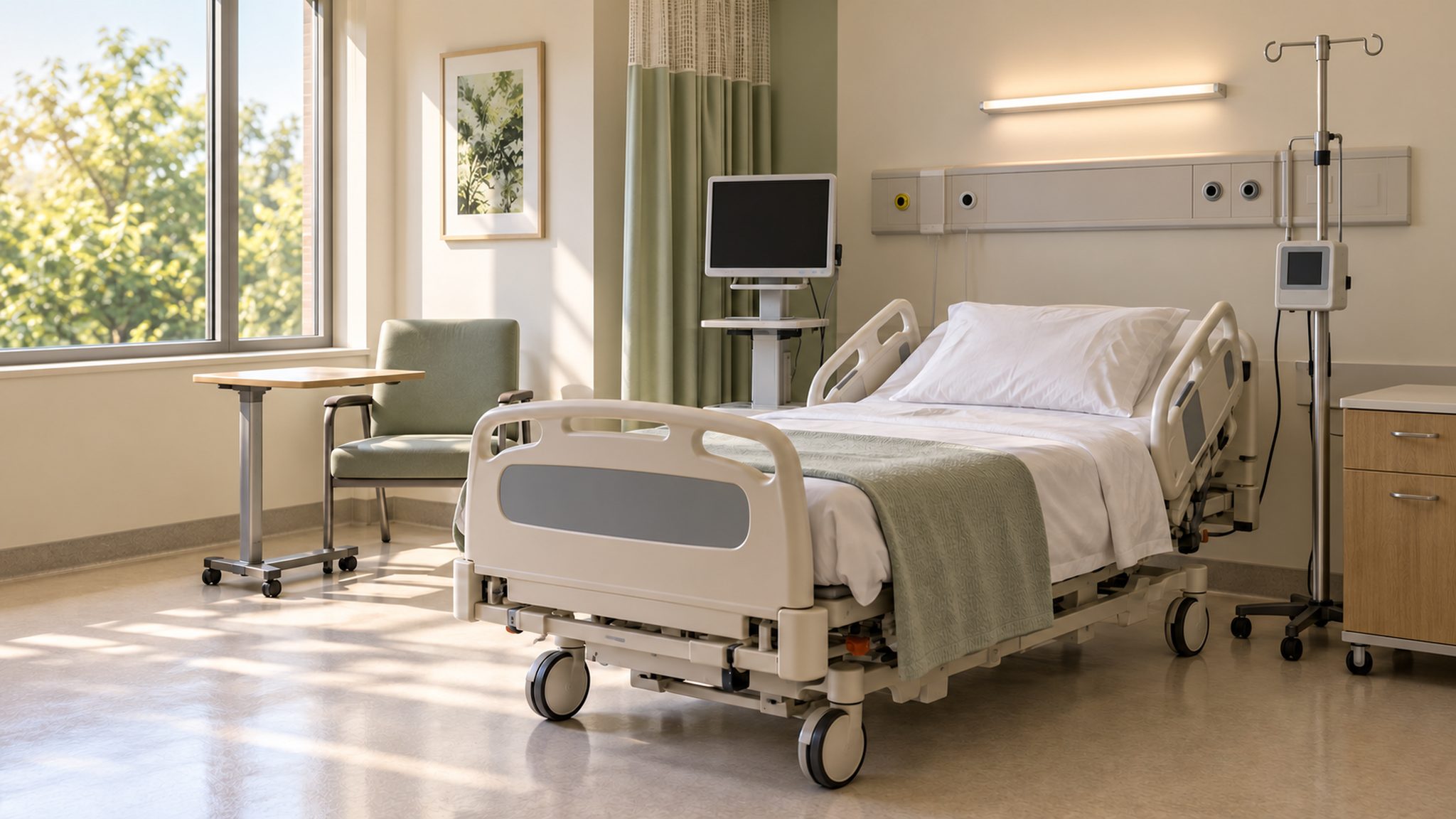
Critical Care Blocks strengthen the treatment side of preparedness, where an individual patient needs advanced emergency care and dependable support systems.
- A Critical Care Block provides infrastructure for treating severely ill patients, including during health emergencies and disasters. Its purpose is timely access to advanced care, rather than merely adding another building to a hospital campus.
- The ministry identifies oxygen and medical-gas systems, isolation facilities and trained personnel as essential capabilities. These resources work together; an available bed cannot deliver appropriate critical care when supporting services are absent or unreliable.
- Referral links connect community and primary services with facilities able to provide more advanced treatment. A stronger destination helps only when patients can be assessed, transferred and received through arrangements that function in practice.
- Isolation capacity helps a facility manage infectious patients while preserving other services. Readiness involves organising care so an emergency does not force every routine ward or service to be diverted from its existing patients.
- The operational test extends beyond civil construction: whether equipment works, essential supplies remain available and suitably trained teams can provide care. The inauguration release does not independently verify these conditions continuously at every new facility.
Laboratories connect diagnosis with public-health action
Integrated Public Health Laboratories strengthen information and testing capacity, helping health authorities recognise threats and decide how to respond beyond one patient.
- An Integrated Public Health Laboratory supports testing for infectious and non-infectious diseases. The ministry links this capacity to earlier outbreak detection, monitoring health threats and improving the evidence available for public-health decisions across the system.
- Clinical diagnosis helps determine what is affecting a particular patient. Surveillance examines patterns across cases and places; a test result becomes more useful when it reaches the people responsible for interpreting and acting on it.
- Reliable testing requires more than laboratory space. Appropriate staff, functioning equipment, dependable supplies and reporting arrangements turn a completed facility into a service; poor continuity at any stage can limit the usefulness of its results.
- Early warning is valuable when it supports a timely response. The governance question is who receives the information, checks its significance and coordinates follow-up, rather than assuming that producing additional reports automatically controls an outbreak.
- The Bundibugyo outbreak note illustrates why changing disease patterns require interpretation. Here, the distinct focus is standing laboratory capacity that can support response across threats, not the circumstances or risk assessment of a particular outbreak.
Keep ordinary healthcare working during a surge
PM-ABHIM links emergency preparedness with a broader continuum of care, aiming to strengthen the system without displacing the routine services people still need.
- The ministry recalls how COVID-19 required regular hospital infrastructure to be converted for isolation and emergency treatment. That experience underlines why preparedness must include capacity to respond without unnecessarily interrupting care for other health needs.
- Community services, primary and referral facilities, critical-care blocks and laboratories have complementary roles. A connected system lets care escalate with need while information supports planning; strengthening one component alone cannot guarantee the pathway works.
- The care-surveillance distinction also prevents misleading performance claims: treating more patients and detecting threats earlier are different outcomes. Each needs appropriate evidence, rather than using the same construction or inauguration count to represent both achievements.
- As the clinical-registry note explains, useful health evidence must match its question. For these facilities, service-level monitoring should examine actual functioning and continuity, while avoiding unsupported claims that an inauguration already improved population health outcomes.
- Implementation governance must address recurring needs after construction, including staffing, equipment upkeep and coordination. The new facilities are a concrete step in expanding infrastructure; sustained readiness remains a task to deliver and verify over time.
Way Forward
Verify readiness and service continuity
- Use facility-level readiness checks covering staff, equipment, supplies and referral arrangements, with clear responsibility for resolving gaps.
- Test reporting-to-response links so laboratory information reaches the appropriate public-health team and leads to documented follow-up.
- Monitor routine-service continuity during emergency exercises, identifying which services would be displaced and how alternative capacity would be maintained.
Conclusion
- PM-ABHIM’s infrastructure pairs critical care for patients with laboratory support for population health. The functions reinforce each other, but require different capabilities and evidence of performance rather than a single measure of construction progress.
- The durable lesson is that preparedness must remain operational: facilities need trained teams, reliable support and working connections. Judge success by dependable care, timely public-health action and continuity through emergencies, not inauguration alone.
UPSC Practice Questions
Prelims MCQ 1
With reference to PM-ABHIM facilities, consider the following statements:
- Critical Care Blocks strengthen advanced emergency and intensive-care infrastructure.
- Integrated Public Health Laboratories support diagnostic and surveillance capacity.
- Inauguration alone establishes that a facility continuously meets all operational requirements.
How many of the above statements are correct?
(a) Only one (b) Only two (c) All three (d) None
Answer: (b) Only two
Explanation:
The first two statements describe the facilities’ roles. Operational readiness also depends on staff, equipment, supplies and functioning service arrangements.
Prelims MCQ 2
Which observation best distinguishes population surveillance from individual clinical diagnosis?
(a) Surveillance interprets patterns across cases to inform public-health action (b) Surveillance requires no laboratory information (c) Diagnosis necessarily predicts every future outbreak (d) A laboratory building guarantees effective surveillance
Answer: (a) Surveillance interprets patterns across cases to inform public-health action
Explanation:
Clinical diagnosis concerns an individual patient. Surveillance brings information together to understand population patterns and guide response; laboratory evidence can support both.
UPSC Mains Questions
- Explain how critical-care capacity and public-health laboratories perform complementary roles in health-emergency preparedness.
- Why is infrastructure completion insufficient to establish health-system resilience? Discuss with reference to operational readiness and continuity of routine care.
Source: PIB, Ministry of Health and Family Welfare.
Frequently Asked Questions
What does PM-ABHIM stand for?
PM-ABHIM is the Pradhan Mantri Ayushman Bharat Health Infrastructure Mission. It supports stronger public-health infrastructure, including critical-care and laboratory capacity, with preparedness for emergencies and continuity of routine healthcare among its objectives.
How does a Critical Care Block differ from a public-health laboratory?
A Critical Care Block strengthens advanced treatment capacity for severely ill patients. A public-health laboratory supports testing, surveillance and evidence for public-health action. Their functions complement each other within a connected health system.
Does inauguration mean a facility is fully operational?
Not by itself. Reliable operation also requires trained staff, functioning equipment, dependable supplies and effective service arrangements. The release distinguishes previously functional laboratories from those inaugurated in the new batch.
Why must routine healthcare be protected during emergencies?
Other health needs continue while an emergency increases demand. Redirecting ordinary facilities without alternatives can interrupt essential services, so preparedness should include surge arrangements that help preserve continuity of care.
Do laboratory results automatically control an outbreak?
No. Results must be reported, interpreted and connected to appropriate follow-up. Effective preparedness links testing capacity with public-health teams and response arrangements, rather than treating laboratory output alone as evidence of control.
Tell Google you want more of this.
Add Anantam IAS as a preferred sourceOne tap, and this site shows up more often in your own Top Stories, AI Overviews and AI Mode. Remove it any time.