Why in News?
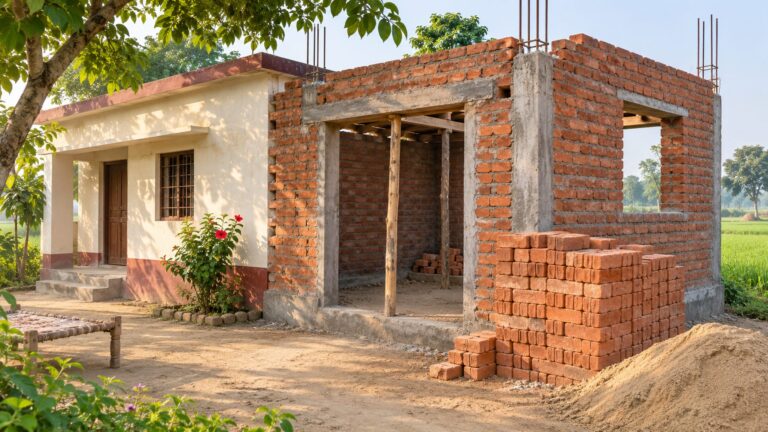
On November 4, the Ministry of Finance reported the results of the November 3 auction of surplus Rashtriya Ispat Nigam Limited land in Visakhapatnam.
- The second phase covered 114 successfully auctioned parcels.
- The successful bids totalled ₹218 crore against an aggregate reserve price of approximately ₹184.8 crore.
- The ministry reported an aggregate premium of 17.96% across the successful plots.
- A public enterprise can raise money from surplus land while continuing to operate the business that originally held it.
- The measure of price discovery depends on which plots enter the calculation and which benchmark the seller uses.
UPSC Relevance
Prelims Relevance
- RINL operates the Visakhapatnam Steel Plant.
- NLMC facilitated the land auction.
- The Department of Public Enterprises administers NLMC under the Ministry of Finance.
- A reserve price specifies the seller’s minimum acceptable price.
Mains Relevance
GS Paper 3
- Explain how competitive bidding reveals demand for surplus public land.
- Distinguish a successful bid from realised proceeds when evaluating asset monetisation.
Background and Context
Which Asset Went to Auction?
A steel company can own land beyond the sites it needs for production. The starting point is the particular asset the seller offers.
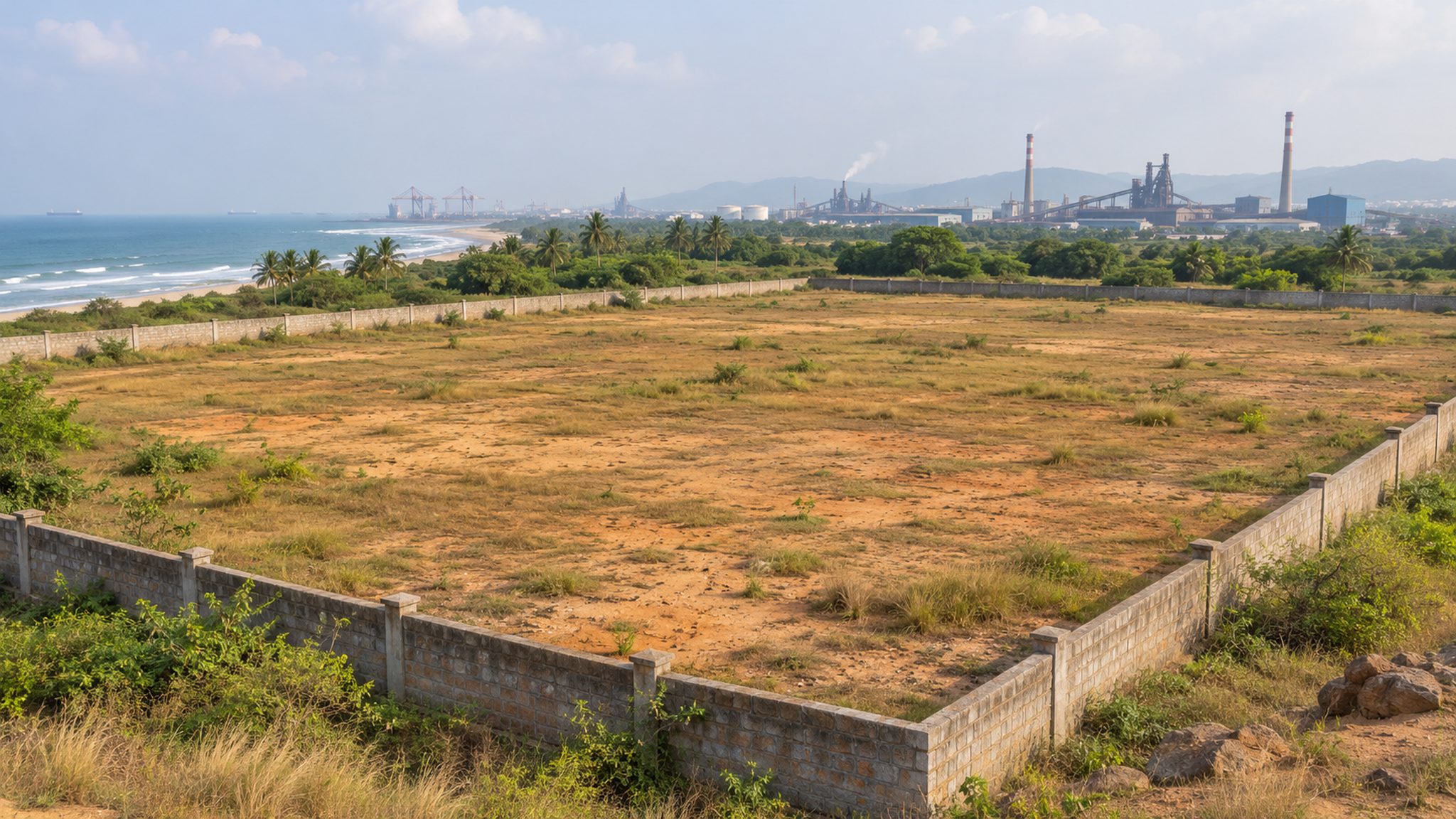
- The landowner was Rashtriya Ispat Nigam Limited (RINL), the company that operates Visakhapatnam Steel Plant. Bidders competed for individual land parcels belonging to the enterprise. The plant itself fell outside this transaction.
- The National Land Monetization Corporation (NLMC) is a wholly government-owned company under the Department of Public Enterprises. It helps public entities identify, assess and prepare surplus land and buildings for monetisation.
- Preparing a parcel for bidding requires clarity about what a buyer would acquire. Two pieces of land held by the same enterprise can attract different bids because their locations and access differ.
- A buyer of company shares acquires an ownership interest in the enterprise. A buyer of one of its plots acquires an interest in a specific property, which gives no voting rights in the company.
How Does the Reserve Price Shape the Result?
An auction produces two prices worth distinguishing. The seller sets a threshold before bidding, and competing bidders reveal how much they will offer.
- The reserve price sets the minimum the seller will accept for a plot. It serves as a benchmark for evaluating bids. Setting it does not guarantee that anyone will offer that amount.
- The winning bid reflects demand for that parcel under the conditions of that auction. A nearby plot with different access or potential uses may fetch a different price even on the same day.
- For the aggregate premium, subtract the combined reserve price of successful plots from their combined winning bid value. Divide the difference by that same combined reserve price and express the result as a percentage.
- This calculation weights plots by reserve value. A large premium on a low-value plot may barely move the overall figure. The aggregate alone cannot tell a reader what the typical plot fetched.
What Can the Auction Result Establish?
The ministry reported an outcome at the bidding stage. Different records answer the questions that follow about the transaction and the land.
- The reported bid value gives the sum of successful offers. To establish how much money the seller has collected, consult payment records that show the sums actually received against those offers.
- For ownership transfer, the relevant evidence is the completed conveyance or other applicable transfer record for the parcel. The announcement of the auction result gives neither parcel-level transfer dates nor a receipt statement.
- The aggregate covers successful plots. Parcels left unsold contribute neither a winning bid nor a reserve price to that calculation. A premium on sold plots can coexist with unsold land.
- NLMC described a possible third round for the remaining parcels, subject to approvals and conditions. The announcement gave no final schedule. Count a subsequent round only when a later record confirms it.
Way Forward
Report Outcomes by Transaction Stage
- Show the number offered and number sold together so readers can assess participation as well as premiums.
- Publish collections separately from successful bid values to make outstanding sums visible.
- Track completed transfers by parcel so settlement progress can be compared with the auction result.
Conclusion
- A public land auction answers a narrow but important question about demand. The winning bids reveal what bidders offered for the listed interests under the terms available to them.
- An assessment of public value should identify the benchmark, check which parcels entered the calculation and follow the successful offers through collection and transfer. Each stage answers a different question.
UPSC Practice Questions
Prelims MCQ 1
With reference to the Visakhapatnam land auction, consider the following statements:
- RINL owned the parcels offered in the auction.
- The reserve price was the maximum price bidders could offer.
- The reported aggregate premium covered successfully auctioned plots.
How many of the above statements are correct?
(a) Only one (b) Only two (c) All three (d) None
Answer: (b) Only two
Explanation:
Statements 1 and 3 are correct. The reserve price is the minimum acceptable price. Bidders may offer more.
Prelims MCQ 2
Which record most directly establishes that the seller received the money due against a successful bid?
(a) The auction notice (b) The reserve valuation (c) The settlement receipt (d) The list of eligible bidders
Answer: (c) The settlement receipt
Explanation:
A receipt records payment. The auction notice and valuation describe the sale terms, while bidder eligibility precedes settlement.
UPSC Mains Questions
- How does competitive bidding aid price discovery for surplus public land? Discuss the limits of using an aggregate premium to assess performance.
- Distinguish a public enterprise land sale from an equity sale. What evidence would you seek to assess the outcome of a land auction?
Source: Ministry of Finance, Press Information Bureau.
Frequently Asked Questions
Who owned the auctioned land in Visakhapatnam?
Rashtriya Ispat Nigam Limited, the company that operates Visakhapatnam Steel Plant, owned the land parcels. The National Land Monetization Corporation facilitated the process for the surplus property.
What is an auction reserve price?
It is the minimum price the seller will accept for the offered asset. Bidders may compete above that threshold, and a plot can remain unsold if it attracts no acceptable bid.
Did every successful plot earn the reported premium?
The ministry calculated one premium across all successful plots by comparing the total winning bid value with their total reserve price. Individual plots can command larger or smaller premiums.
What distinguishes bid value from proceeds collected?
Bid value records the amounts successful bidders offered. To measure collections, the seller must establish how much money it actually received through payment or settlement records for those bids.
Tell Google you want more of this.
Add Anantam IAS as a preferred sourceOne tap, and this site shows up more often in your own Top Stories, AI Overviews and AI Mode. Remove it any time.