Why in News?
On 3 November 2026, the Telecom Regulatory Authority of India (TRAI) issued its third amendment to the Telecommunication Interconnection Regulations, effective 1 January 2027.
- Operators can agree on handover locations as traffic moves to licensed service area points of interconnection.
- New interconnections must use Internet Protocol (IP) once the amendment takes effect.
- The rules provide a three-year transition for existing traffic and legacy connections, with reporting on both changes.
- A call between customers of different providers depends on the operators agreeing where and how to exchange traffic.
- Consumer grievances follow a separate route under the TRAI complaint rules. Here the obligations fall on the operators that connect their networks.
UPSC Relevance
Prelims Relevance
- A point of interconnection (POI) is where networks exchange traffic.
- The new handover geography is the licensed service area (LSA).
- IP capacity depends on simultaneous sessions as well as link bandwidth.
- Surrender provides for a provider’s voluntary withdrawal of a POI for operational reasons.
Mains Relevance
GS Paper 3
- Explain why competition in telecom depends on cooperation between operators at their network boundaries.
- Assess how reporting and proportionate enforcement can support a technical transition.
Background and Context
Where Two Operators Hand Over a Call
A caller may see a single connection even when two companies supply different parts of the route.
- When a customer on network A calls someone on network B, the first operator must hand the traffic to the second. Their agreed point of interconnection gives each side a place to exchange it.
- The location matters because it determines which part of the journey each operator carries. A change in handover geography can simplify routing even if the caller keeps the same number and handset.
- Under Section 11(1)(b) of the TRAI Act, the regulator can prescribe interconnection terms and ensure technical compatibility. Operators still have to work out the locations at which their networks will exchange traffic.
- Existing traffic handled at short- and long-distance charging area points will move in phases to licensed service area points. The three-year transition gives operators time to shift calls before retiring old arrangements.
- To measure progress, distinguish minutes of usage from a count of sites. Switching over several lightly used locations could leave much of the actual call traffic on the old route.
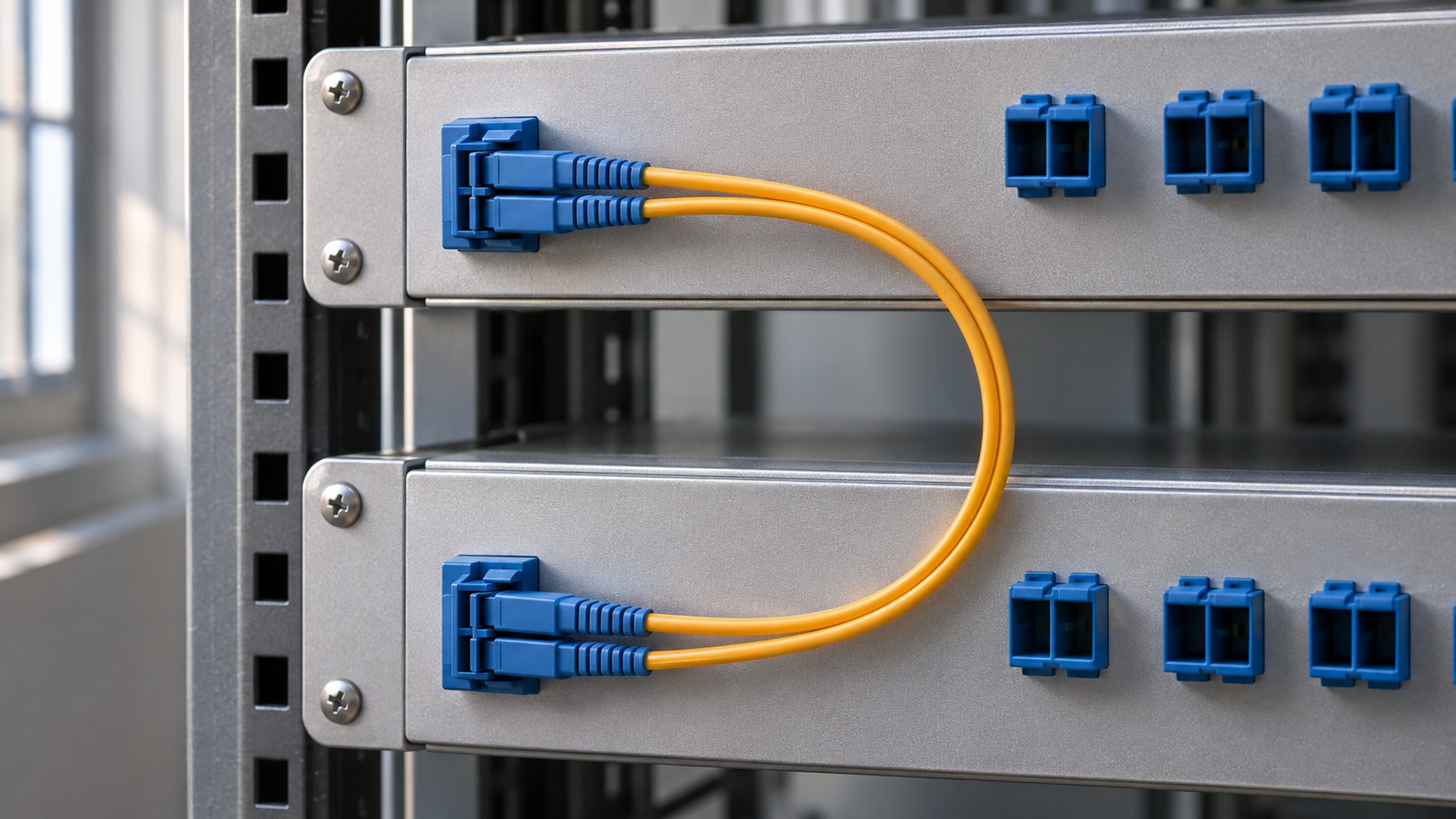
How an IP Handover Changes Capacity Planning
Moving the handover to a different area and changing the technology used at that handover are separate jobs.
- After commencement, every new interconnection must use Internet Protocol. Operators have three years for the phased conversion of existing points using E1 links and time-division multiplexing, the legacy arrangement.
- On a time-division link, different communications use assigned time slots. On an IP link, packets carrying different calls share transmission capacity, so sizing a connection requires more than counting old circuits.
- For an IP point, the operators must consider the number of sessions their equipment can handle simultaneously as well as the bandwidth of the link, while maintaining the applicable quality of service.
- An operator could buy more bandwidth yet still reach the limit on simultaneous sessions during a busy period. Measuring both helps identify which constraint needs attention before increasing capacity.
- A route can change before its technology changes. Reporting on both migrations lets the regulator distinguish traffic handed over at a new location from connections already converted to IP.
How Operators Settle Obligations and Exit a Point
A quieter route, an unpaid charge and a breach of the regulations require different responses.
- If traffic falls after rerouting, a provider may seek voluntary surrender of the redundant point for its own operational reasons. It now has a defined route for doing so.
- Disconnection addresses an exceptional breakdown in traffic exchange for reasons attributable to the other provider. Treating routine surrender as a dispute would give the regulator the wrong picture of why a point closed.
- For late payment of interconnection charges, the providers agree an interest rate within a ceiling tied to the State Bank of India’s one-year marginal cost of funds-based lending rate plus two percentage points.
- A bank guarantee secures the commercial obligation. The amendment extends the reassessment interval and the validity of guarantees furnished on reassessment, allowing the amount of security to be revisited less frequently.
- TRAI also prescribes graded financial disincentives for breaches. Their severity follows the contravention, while interest on an overdue bill concerns what one provider owes another under their commercial arrangement.
Way Forward
Track the Two Migrations Separately
- Record the traffic moved to service area handovers alongside the share of legacy points converted to IP.
- Check both session limits and link bandwidth before commissioning extra capacity.
- Keep reasons for voluntary surrender separate from records of disputed disconnections.
Conclusion
- For a cross-network call, interconnection makes access to another operator’s customers possible. Agreement on the handover and sufficient capacity at that point both matter.
- In a regulatory answer, distinguish the technical transition from its enforcement. Reporting tracks the migration, contractual interest addresses delayed payment and graded disincentives address breaches.
UPSC Practice Questions
Prelims MCQ 1
Consider the following statements about the 2026 interconnection amendment:
- New interconnections established after commencement must use IP.
- Existing legacy points must convert to IP on the day of commencement.
- IP call capacity depends on both concurrent sessions and link bandwidth.
How many of the above statements are correct?
(a) Only one (b) Only two (c) All three (d) None
Answer: (b) Only two
Explanation:
Statements 1 and 3 are correct. The amendment provides a phased three-year period for conversion of existing E1/TDM points.
Prelims MCQ 2
An operator reroutes its traffic and no longer needs one handover point. Which provision directly addresses its withdrawal?
(a) Interest on delayed payment (b) Reassessment of bank guarantees (c) Voluntary surrender of the point (d) A graded financial disincentive
Answer: (c) Voluntary surrender of the point
Explanation:
A provider can surrender a point for its own operational needs, including a reduction in traffic after rerouting.
UPSC Mains Questions
- How can telecom operators cooperate on interconnection while continuing to compete for subscribers?
- Explain how capacity assessment and regulatory reporting support migration to IP-based interconnection.
Source: PIB, Ministry of Communications.
Frequently Asked Questions
When does the interconnection amendment take effect?
TRAI issued the amendment on 3 November 2026. It takes effect on 1 January 2027. New interconnections must then use IP, while existing legacy connections have a phased transition.
What changes when traffic moves to the licensed service area level?
Operators change where they hand over traffic. Existing traffic at short- and long-distance charging area points moves in phases to licensed service area points under the revised framework.
Why is bandwidth alone insufficient to size an IP interconnection?
Even when a link has transmission capacity to spare, the equipment can reach its limit on simultaneous sessions. Operators must consider both constraints while maintaining the applicable quality of service.
When can an operator surrender a point of interconnection?
A provider can use the surrender procedure when its own operational needs change. A fall in traffic, withdrawal of service from an area or rerouting can make a point redundant.
Tell Google you want more of this.
Add Anantam IAS as a preferred sourceOne tap, and this site shows up more often in your own Top Stories, AI Overviews and AI Mode. Remove it any time.