Why in News?
On November 26, India began a voluntary WOAH evaluation of its aquatic animal health services with an orientation meeting, ahead of planned field visits across several states.
- The Department of Fisheries commenced the Performance of Veterinary Services evaluation, bringing together national and state institutions.
- The assessment examines resources, technical capability, stakeholder engagement and regulatory capability, including market access.
- Field visits to farms, laboratories and other establishments are planned from November 27 to December 9.
- The stated purpose is to identify capacity priorities and strategic improvements through independent evidence.
- Aquatic animal health depends on public institutions and coordination as well as individual farm practices.
- Credible services can support disease prevention, sustainable production and confidence among trading partners.
UPSC Relevance
Prelims Relevance
- WOAH is the World Organisation for Animal Health.
- PVS refers to Performance of Veterinary Services.
- Aquatic Animal Health Services includes institutions responsible for aquatic animal health functions.
- The Indian evaluation is voluntary and independent.
- Capacity evaluation examines how services perform their responsibilities.
Mains Relevance
GS Paper 3
- Institutional capacity for sustainable fisheries and aquaculture.
- Animal health governance and credible trade assurances.
GS Paper 2
- Coordination among national agencies, state departments and stakeholders.
Background and Context
What Aquatic Animal Health Services Cover
Healthy aquaculture requires institutions that can connect field conditions with scientific advice, public oversight and reliable communication across the production chain.
- Aquatic animal health services encompass the public and associated institutional functions that protect farmed and wild aquatic animals. Their effectiveness depends on the people, facilities and authority available to carry out those functions.
- Farm observations and professional support connect producers with the wider system. A functioning service needs practical routes for seeking advice, reporting concerns and receiving appropriate assistance across geographically dispersed production areas.
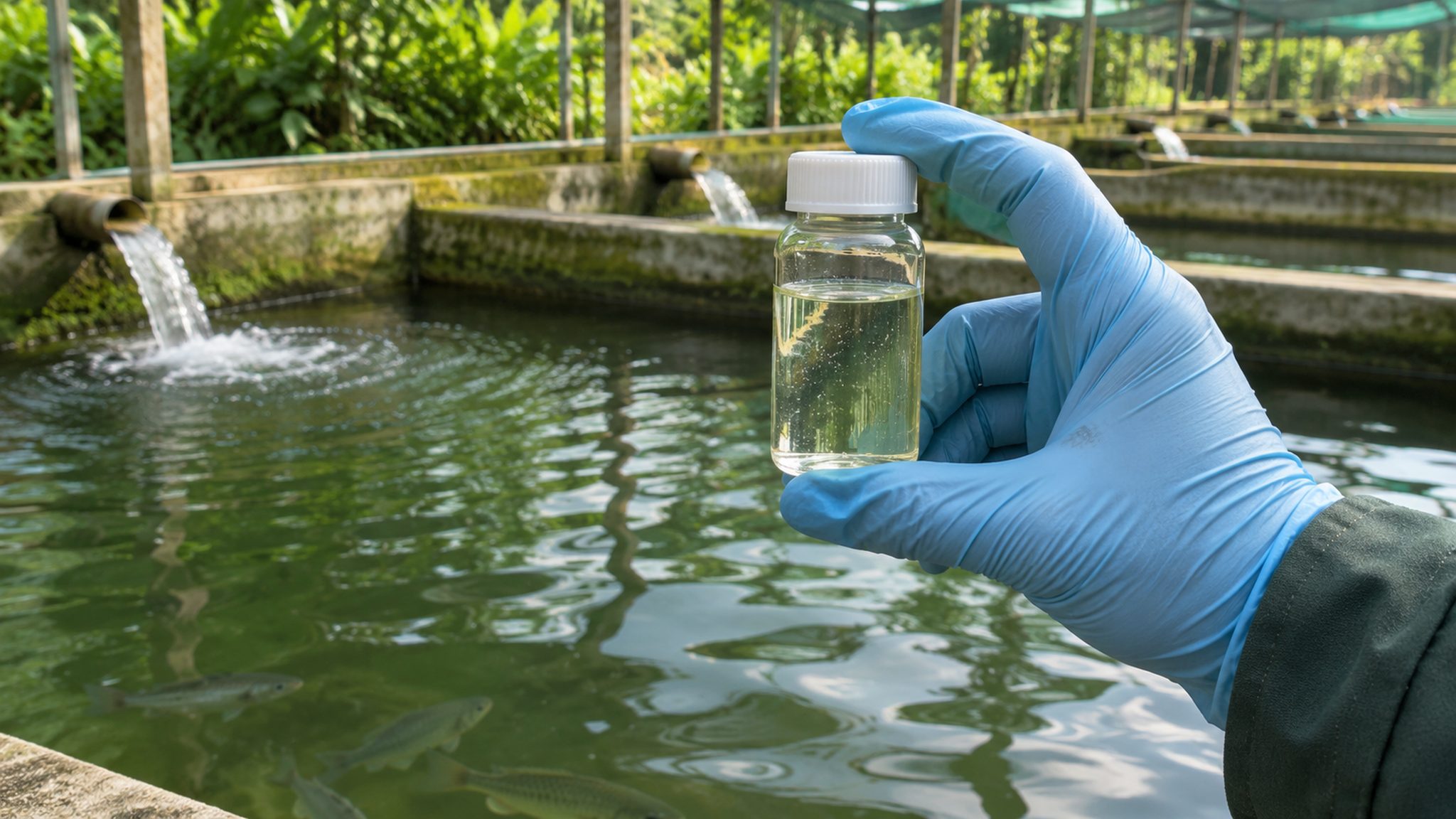
- Laboratory and research capacity supports informed decisions. Its public value depends on reliable work, suitable facilities, competent staff and communication between specialists, field personnel and the authorities responsible for action.
- Regulatory coordination links fisheries administration with quality assurance, food safety and standards for aquaculture inputs. Clear responsibilities help institutions address connected issues without leaving important tasks dependent on informal arrangements.
- The orientation brought together national bodies and state fisheries departments. This breadth reflects a governance challenge in which production, public health, research and trade responsibilities are distributed across several organisations.
How the PVS Evaluation Assesses Capacity
The PVS framework uses independent assessment to examine whether institutions have the means and arrangements needed to perform their assigned health functions.
- Human, physical and financial resources form the first area. An institution needs an adequate workforce, workable facilities and predictable support to maintain its functions beyond an individual project or short funding cycle.
- Technical authority and capability concern the ability to make and implement informed decisions. Technical expertise must be supported by recognised responsibilities, credible information and arrangements that make professional judgement usable in practice.
- Stakeholder engagement examines the relationship between services and the people they serve. Producers, industry bodies and other participants can help identify practical difficulties and make public measures more workable and accountable.
- Regulatory capability and market access connect domestic oversight with external confidence. Consistent implementation and credible assurances matter because trading partners need a basis for judging the reliability of a national health system.
- Planned field visits allow evaluators to examine facilities and institutional work beyond the orientation meeting. The November 26 announcement lists farms, fisheries establishments, research institutes, diagnostic laboratories and quality control facilities.
How Evaluation Findings Should Be Interpreted
The mission begins a process of institutional assessment whose value will depend on the evidence collected and the improvements pursued after the evaluation.
- Voluntary participation enables a country to seek external assessment of its services. The announced mission is intended to identify priorities for investment, capacity development and stronger institutional arrangements.
- A capacity assessment concerns the performance of the service system. A conclusion about freedom from a particular disease would require its own relevant evidence and procedures, beyond an orientation meeting or general institutional review.
- Trading confidence is a possible benefit of stronger services. The announcement describes expected improvements and facilitation of seafood trade, while individual market requirements and decisions remain matters for the relevant authorities.
- Implementation after evaluation determines whether identified gaps are addressed. Priorities need responsible institutions, resources and follow-up, so a useful assessment becomes a basis for sustained improvement in routine services.
- Related notes on animal health surveillance and marine management effectiveness illustrate the wider importance of monitoring and institutional performance when assessing public interventions.
Way Forward
Turn Findings Into Institutional Improvements
- Assign responsibilities and resources to the priorities identified through the evaluation, with a practical sequence for implementation.
- Maintain regular coordination among national bodies, state departments, scientific institutions and producers.
- Track service improvements over time, including whether field users can access competent advice and dependable institutional support.
Conclusion
- The WOAH mission provides an opportunity to examine how aquatic animal health institutions work and where their capacity needs improvement.
- An answer on sustainable aquaculture can connect technical capability, public authority and stakeholder participation with the credibility of health services.
UPSC Practice Questions
Prelims MCQ 1
With reference to India’s announced WOAH PVS evaluation, consider the following statements:
- The evaluation is voluntary.
- Stakeholder engagement is one of the areas assessed.
- The orientation meeting automatically certifies all Indian aquaculture products for every export market.
How many of the above statements are correct?
(a) Only one (b) Only two (c) All three (d) None
Answer: (b) Only two
Explanation:
The first two statements are correct. The mission assesses institutional capacity and creates no automatic certification for every product or market.
Prelims MCQ 2
Which outcome most directly follows the purpose of a PVS evaluation?
(a) Identifying priorities for strengthening animal health services (b) Fixing the retail price of every fish species (c) Replacing all state fisheries departments (d) Declaring all aquatic animals free from disease
Answer: (a) Identifying priorities for strengthening animal health services
Explanation:
The framework supports evidence-based assessment and prioritisation of improvements in service capacity.
UPSC Mains Questions
- Explain how institutional capacity in aquatic animal health services supports sustainable aquaculture and credible trade assurances.
- Discuss the roles of stakeholder participation and coordination among public agencies in strengthening aquatic animal health governance.
Source: PIB, Department of Fisheries.
Frequently Asked Questions
What is the WOAH PVS evaluation?
It is an independent framework for assessing veterinary and aquatic animal health services. The process helps countries identify capacity gaps and priorities for resources, technical capability, stakeholder engagement and regulatory performance.
What began in India on November 26?
The Department of Fisheries commenced the evaluation with an orientation meeting. Field visits across several states were planned for November 27 to December 9, covering farms, research institutions, laboratories and other establishments.
Does the evaluation provide disease-free certification?
The evaluation assesses the capacity and performance of services. Establishing freedom from a specific disease requires relevant evidence and applicable procedures. The orientation announcement provides no such certification.
How can stronger services support trade?
Reliable health services can strengthen confidence in oversight and official assurances. The announcement describes improved trade facilitation as an expected benefit, while market access continues to depend on applicable requirements and decisions.
Tell Google you want more of this.
Add Anantam IAS as a preferred sourceOne tap, and this site shows up more often in your own Top Stories, AI Overviews and AI Mode. Remove it any time.