Context:
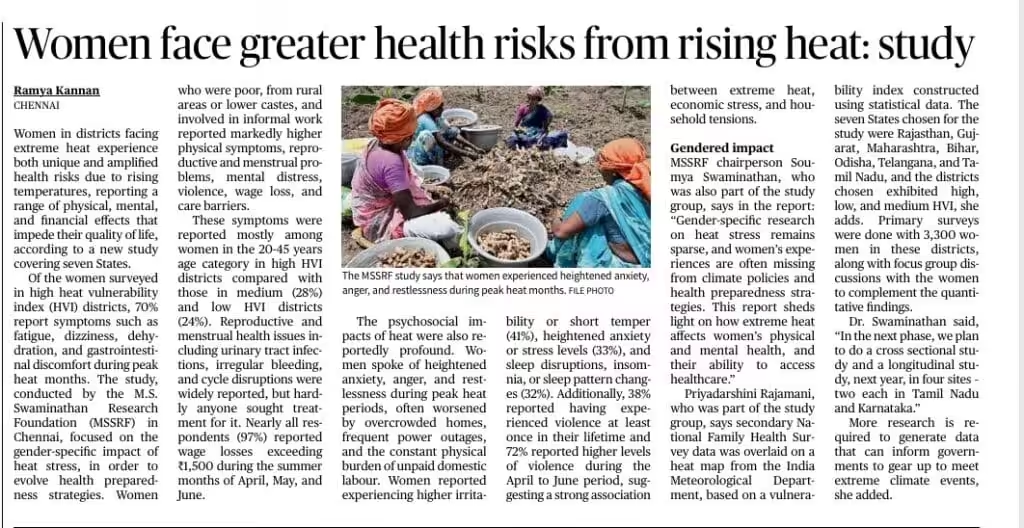
The study was conducted by the M. S. Swaminathan Research Foundation (MSSRF), Chennai. Rising extreme heat disproportionately impacts women’s physical, mental, and social health, making climate change a gendered public health crisis.
UPSC Relevance:
Health
UPSC PYQ:
Discuss the positive and negative effects of globalization on women in India? (2015)
About Study:
M. S. Swaminathan Research Foundation (MSSRF), Chennai finding:
- Covered 7 Indian states:
- Rajasthan
- Gujarat
- Maharashtra
- Bihar
- Odisha
- Telangana
- Tamil Nadu
- 3300 women surveyed
- Districts were classified using a Heat Vulnerability Index (HVI):
- High vulnerability
- Medium vulnerability
- Low vulnerability
Major Health Risks Observed in Women:
Physical Health Impacts
- Fatigue and dizziness
- Dehydration
- Gastrointestinal distress
- Urinary Tract Infections (UTIs)
- Irregular menstruation
- Excessive bleeding
- Reproductive health complications
Mental Health Impacts
- Heightened anxiety
- Anger and irritability
- Restlessness
- Sleep disturbances
- Psychological stress
Social Consequences
- Greater economic vulnerability
- Increased household stress
- Rising domestic tensions and violence
Who Are the Most Vulnerable Women?
- Women at highest risk were:
- From rural areasPoor and lower-caste communities
- Working in the informal sector
- Performing dual labour (domestic work + wage labour)
- Statistical Evidence:
- 24% in low-HVI districts
- 70% of women in high-HVI districts reported severe symptoms
- 28% in medium-HVI
Failure of Health Access and Treatment:
- Only 1% of affected women sought medical treatment
- 97% remained untreated
- Reasons include:
- Poor access to healthcare
- Financial constraints
- Lack of awareness
- Social barriers
Role of Power, Water & Household Burdens
During extreme heat:
- Frequent power outages
- Water shortages
- Increase in domestic and care work
- Overcrowded housing
These factors sharply increase:
- Gendered labour burden
- Physical exhaustion
- Mental stress
Climate change is not gender-neutral; women experience climate shocks more intensely due to biological, social, and economic vulnerabilities.
Tell Google you want more of this.
Add Anantam IAS as a preferred sourceOne tap, and this site shows up more often in your own Top Stories, AI Overviews and AI Mode. Remove it any time.