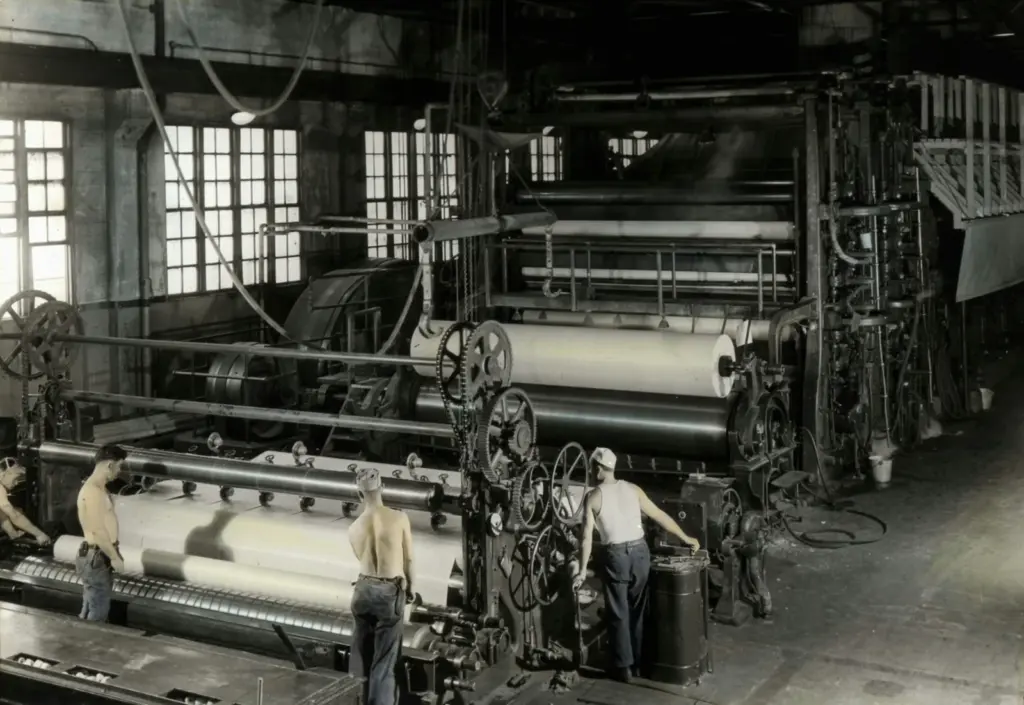
आज़ादी के समय भारत में कुछ consumer goods industries और थोड़ी-सी jute तथा textile industry थी। 1980 के दशक के अंत तक steel, engineering, chemicals, pharmaceuticals, automobiles, petroleum refining और capital goods industries खड़ी हो चुकी थीं। 1950-1991 की industrial policy का आकलन इस बात को मानकर शुरू होना चाहिए कि इस framework ने वहाँ industrial base बनाया जहाँ लगभग कुछ था ही नहीं।
लेकिन यह भी समझाना होगा कि वह base competitive क्यों नहीं बन पाया और 1991 में पूरी व्यवस्था को क्यों तोड़ना पड़ा।
Nehru-Mahalanobis strategy
1956 से 1961 की Second Five-Year Plan ने Nehru-Mahalanobis model के तहत industrialisation को भारत की development strategy के केंद्र में रखा।
basic और capital goods industries पर ध्यान। भारी industries को प्राथमिकता मिली, जो capital goods, machinery और engineering goods बनाती थीं। सोच यह थी कि capital goods industries ancillary industries में investment पैदा करेंगी, रोज़गार देंगी और लंबे समय की industrial growth तेज़ करेंगी। पहले वे machines बनाइए जो दूसरी machines बनाती हैं, फिर बाकी चीज़ें अपने-आप आती जाएँगी।
import substitution। Domestic industry को imports की जगह लेना था। इससे scarce foreign exchange बचता और self-reliance बनती।
public sector की अगुवाई। राज्य ने economy के commanding heights अपने हाथ में लिए। एक वजह यह थी कि उस scale पर private capital मौजूद नहीं था। दूसरी वजह balanced regional development था।
regulatory architecture
Policy को चार instruments ने चलाया।
- industrial licensing। Capacity, expansion और product mix के लिए पहले government approval लेना पड़ता था।
- MRTP Act, 1969। इसे economic power के concentration को रोकने और monopolistic तथा restrictive trade practices पर लगाम लगाने के लिए बनाया गया था।
- small-scale industry reservation। कई products का production सिर्फ़ small-scale sector के लिए reserve कर दिया गया। मक़सद रोज़गार बढ़ाना और small enterprises को बचाना था।
- import protection। High tariff barriers और quantitative restrictions ने domestic industry को foreign competition से अलग कर दिया।
इससे क्या हासिल हुआ
- industrial expansion। GDP में industry की हिस्सेदारी 1950-51 के करीब 13 से 14 percent से बढ़कर 1980 के दशक के अंत तक लगभग 24 से 25 percent हो गई।
- diversification। Manufacturing base कुछ consumer goods industries से बढ़कर heavy industry, chemicals, pharmaceuticals और transport equipment तक फैली एक broad structure बन गई।
ये छोटी उपलब्धियाँ नहीं थीं। Domestic capital markets लगभग न के बराबर थे और foreign exchange की कमी लगातार बनी रहती थी, फिर भी ये उपलब्धियाँ हासिल हुईं। Strategy ने उस सवाल का जवाब दिया जिसके लिए उसे बनाया गया था।
जहाँ व्यवस्था टूटने लगी
Licence-Permit Raj। बहुत ज़्यादा licensing ने private investment को हतोत्साहित किया, industrial decisions में देरी की और efficiency घटाई। Approval एक scarce resource बन गया, और scarce resources rent-seeking को खींचते हैं।
competition की कमी। Foreign competition से protection ने quality सुधारने, innovation करने या cost घटाने का incentive हटा दिया। जिस firm के पास captive market और licensed capacity हो, उसके पास इनमें से कुछ करने की वजह नहीं रहती।
scale पर रोक। MRTP Act ने बड़े business houses के expansion को सीमित किया। इससे ठीक उन industries में economies of scale नहीं बन पाईं जहाँ scale cost तय करता है।
reservation trap। Small-scale reservation ने firms के छोटा बने रहने में vested interest पैदा कर दिया। Threshold से ऊपर बढ़ने का मतलब protection खोना था, इसलिए firms scale और technological upgradation छोड़कर threshold के नीचे बने रहने का हिसाब लगाने लगीं।
जिस pattern को नाम देना चाहिए
हर instrument अकेले में सही लग रहा था, लेकिन सब मिलकर self-defeating बन गए। Licensing का मक़सद scarce capital को priority uses की ओर भेजना था, लेकिन वह approval process को समझने वाले लोगों तक पहुँचने लगा। MRTP का मक़सद monopoly रोकना था, लेकिन import protection के साथ मिलकर उसने domestic और foreign competition, दोनों की discipline के बिना protected incumbents बना दिए। Reservation का मक़सद रोज़गार बचाना था, लेकिन उसने inefficiency बचा ली।
सामान्य failure यह था कि हर instrument inputs और entry को control करता था, लेकिन किसी ने output की quality या cost पर दबाव नहीं बनाया। यही structural lesson है। इसलिए अंत में reform का सवाल licences को बेहतर ढंग से चलाने का नहीं, competition लाने का बन गया।
1991 तक का बदलाव
इन inefficiencies और rigidities से productivity growth कमज़ोर हुई और exports competitive नहीं रहे। 1991 में balance of payments crisis आया तो भारत के पास ज़रूरी imports के लिए भुगतान करने लायक export earnings नहीं थीं। 1991 की New Industrial Policy ने ज़्यादातर sectors में industrial licensing हटाई और liberalisation, privatisation तथा globalisation शुरू की।
कारण को ठीक-ठीक समझना ज़रूरी है। 1991 crisis trigger था। असली cause चार दशक का वह framework था जिसने industry बनाने की समस्या हल कर दी थी, लेकिन उसे अच्छा और competitive बनाने का जवाब नहीं दिया था।
नया निष्कर्ष
यह कहना कि pre-1991 policy एक गलती थी, बहुत आसान verdict है। उसने वह base बनाया जिसे बाद में liberalisation ने competitive बनाया। सही criticism यह नहीं है कि भारत ने 1956 में state-led industrialisation चुनी। समस्या यह है कि जिस control apparatus ने अपना काम पूरा कर लिया था, भारत ने उसे दो दशक और चलाए रखा।
सामान्य प्रश्न
Nehru-Mahalanobis strategy क्या थी?
यह 1956 से 1961 की Second Five-Year Plan का industrialisation framework था। इसमें heavy और capital goods industries को development के केंद्र में रखा गया, क्योंकि capital goods industries ancillary industries में investment, रोज़गार और लंबे समय की industrial growth पैदा कर सकती थीं।
Import substitution industrialisation क्या थी?
यह ऐसी strategy थी जिसमें पहले import की जाने वाली चीज़ों को देश में बनाने की capacity खड़ी की गई और उसे high tariffs तथा quantitative restrictions से protection दिया गया। मक़सद self-reliance और scarce foreign exchange बचाना था, भले ही इससे competitive pressure कम हो गया।
MRTP Act, 1969 ने क्या किया?
Monopolies and Restrictive Trade Practices Act economic power के concentration को रोकने और monopolistic तथा restrictive trade practices पर लगाम लगाने के लिए बनाया गया था। व्यवहार में बड़े business houses को expansion के लिए approval लेना पड़ता था, जिससे economies of scale सीमित हुईं।
Small-scale industry reservation क्या थी?
कई items का production सिर्फ़ small-scale sector के लिए reserve किया गया था, ताकि रोज़गार बढ़े और छोटे enterprises सुरक्षित रहें। अनचाहा असर यह हुआ कि firms के सामने छोटा बने रहने का incentive आया, क्योंकि threshold पार करते ही reservation का लाभ चला जाता था।
1950 से 1991 के framework की उपलब्धियाँ क्या थीं?
दो उपलब्धियाँ साफ़ हैं। GDP में industry की हिस्सेदारी 1950-51 के करीब 13 से 14 percent से बढ़कर 1980 के दशक के अंत तक लगभग 24 से 25 percent हो गई। Manufacturing base भी Independence के समय की कुछ consumer goods industries से बढ़कर steel, engineering, chemicals, pharmaceuticals, automobiles, petroleum refining और capital goods तक फैल गया।
Licence-Permit Raj क्या था?
यह वह व्यवस्था थी जिसमें industrial capacity, expansion, product mix और अक्सर technology के लिए पहले government licence चाहिए होता था। इससे private investment हतोत्साहित हुआ, industrial decisions में देरी हुई, approvals के आसपास rent-seeking बढ़ी और overall efficiency कम हुई।
यह framework आखिरकार विफल क्यों हुआ?
क्योंकि protection ने सुधारने का incentive हटा दिया। Foreign competition से अलग firms के पास quality, innovation या cost reduction में निवेश करने की बहुत कम वजह थी। Licensing delays, scale पर MRTP की रोक और small-scale reservation के साथ मिलकर इस व्यवस्था ने diversified लेकिन uncompetitive industry बनाई।
इससे 1991 के reforms तक कैसे पहुँचे?
Structural rigidities से productivity growth कमज़ोर हुई और export competitiveness घटी। इसलिए 1991 में balance of payments crisis आने पर भारत imports का भुगतान नहीं कर पाया। 1991 की New Industrial Policy ने industrial licensing हटाई, economy खोली और liberalisation का दौर शुरू किया।
अभ्यास प्रश्न
प्रीलिम्स MCQ
- Nehru-Mahalanobis strategy किस plan का आधार थी?
(a) First Five-Year Plan
(b) Second Five-Year Plan
(c) Fourth Five-Year Plan
(d) Sixth Five-Year Plan
उत्तर: (b) 1956 से 1961 की Second Five-Year Plan ने heavy और capital goods industries को development strategy के केंद्र में रखा। - भारत के GDP में industry की हिस्सेदारी 1950-51 के लगभग 13 से 14 percent से बढ़कर 1980 के दशक के अंत तक लगभग कितनी हो गई?
(a) 18 percent
(b) 24 से 25 percent
(c) 32 percent
(d) 40 percent
उत्तर: (b) चार दशकों में यह हिस्सेदारी लगभग दोगुनी हुई, जो वास्तविक industrial expansion दिखाती है। - MRTP Act, 1969 मुख्य रूप से किसलिए बनाया गया था?
(a) Exports बढ़ाने के लिए
(b) Economic power के concentration और restrictive trade practices को रोकने के लिए
(c) Items को small-scale industry के लिए reserve करने के लिए
(d) Foreign exchange को regulate करने के लिए
उत्तर: (b) इसका लक्ष्य monopolistic और restrictive trade practices तथा economic power के concentration पर रोक लगाना था। - Small-scale industry reservation का अनचाहा परिणाम क्या था?
(a) Small firms तेज़ी से बड़ी हो गईं
(b) Firms को छोटा बने रहने का incentive मिला
(c) Reserved items के exports तेज़ी से बढ़े
(d) Large firms reserved sectors में आ गईं
उत्तर: (b) क्योंकि benefits एक size threshold से नीचे रहने पर मिलते थे, reservation ने growth और technological upgradation को हतोत्साहित किया। - निम्नलिखित में से कौन-सी बात pre-1991 industrial framework की feature नहीं थी?
(a) Industrial licensing
(b) High tariff barriers और quantitative restrictions
(c) Foreign direct investment के लिए automatic route
(d) Small-scale industries के लिए reservation
उत्तर: (c) FDI के लिए automatic route liberalisation के बाद की feature है। Pre-1991 regime foreign investment को कड़े ढंग से control करता था।
मुख्य परीक्षा प्रश्न
- Pre-1991 industrial framework diversification में सफल और competitiveness में असफल रहा। आलोचनात्मक जाँच कीजिए। (250 शब्द)
- 1950 के दशक में भारत के सामने मौजूद constraints के संदर्भ में Nehru-Mahalanobis strategy का मूल्यांकन कीजिए। (250 शब्द)
- Small-scale industry reservation ने scale की कीमत पर रोज़गार बचाया। चर्चा कीजिए। (150 शब्द)
- भारत की industrial structure को आकार देने में import substitution की भूमिका और उसकी अंतिम सीमाओं पर चर्चा कीजिए। (250 शब्द)
- 1991 के reforms किसी एक crisis का नहीं, बल्कि जमा हो चुकी structural rigidity का जवाब थे। टिप्पणी कीजिए। (150 शब्द)