अधिकतर अभ्यर्थी SC/ST Act का नाम बता देते हैं, लेकिन सवाल गहराई में जाए तो अटकते हैं: कोई घटना ordinary crime के बजाय “atrocity” कब बनती है, law anticipatory bail पर रोक क्यों लगाता है और 2018 के एक Supreme Court judgment ने nationwide protests कैसे शुरू कराए तथा Parliament को कुछ महीनों में statute बदलने पर मजबूर किया। Confusion समझ में आता है। यह उन laws में है जहाँ दो साल के भीतर courts, legislature और street तीन अलग दिशाओं में खिंचे। Act को एक constitutional promise पर बना special-protection law समझिए और 2018 में judicial caution तथा legislative intent की tug-of-war देखिए। पूरा topic जुड़ जाएगा।
यह Prelims और Mains दोनों के लिए prime territory है। इसमें fundamental right, specific statute, landmark judgment, ordinary law से constitutional amendment और protection-versus-misuse governance debate एक ही story में आते हैं।
SC/ST (Prevention of Atrocities) Act, 1989 क्या है?
Scheduled Castes and the Scheduled Tribes (Prevention of Atrocities) Act, 1989 ऐसा special criminal law है जो Scheduled Castes और Scheduled Tribes के सदस्यों के खिलाफ़ *उनकी caste या tribe की वजह से* किए गए crimes को punish करता है। यही मुख्य बात है। Upper-caste neighbour और Dalit के बीच ordinary property dispute हो, तो regular criminal law लगेगा। लेकिन किसी Dalit या Adivasi को उसकी पहचान की वजह से humiliate, assault या dispossess किया जाए, तो Act इसे “atrocity” मानता है। इसमें tougher punishment और faster, protective process है।
यह Act No. 33 of 1989 के रूप में बना और 30 January 1990 को लागू हुआ। यह Mahatma Gandhi की assassination anniversary थी। इससे पहले Protection of Civil Rights Act, 1955, जिसे पहले Untouchability Offences Act कहते थे, untouchability punish करता था। लेकिन 1980s तक साफ़ था कि ordinary laws और 1955 Act village-level organised humiliations रोक नहीं पा रहे थे: forced eating of excreta, women को naked parade करना और homes जलाना जारी था। Parliament ने इन specific atrocities के लिए 1989 Act की dedicated और tougher machinery बनाई।
Scheduled Castes और Scheduled Tribes के constitutional provisions के साथ इसे पढ़िए। Act reservation, representation और development वाले wider protective framework का criminal-law edge है।
Constitutional basis: Article 17 का promise
यह legislature की standalone kindness नहीं, constitutional guarantee को enforce करने वाला law है। इसका bedrock Article 17 है, जो “untouchability” abolish करता और इसके हर रूप को forbid करता है। इससे पैदा disability enforce करना law के तहत punishable offence है। Article 17 उन few fundamental rights में है जो State के साथ private individuals पर भी लागू होता है। यह Parliament को prohibited conduct को *criminalise* करने का direction भी देता है। 1955 Act और SC/ST Act इसी direction का जवाब हैं।
कई provisions इसे support करते हैं। Article 15(2) shops, public restaurants, wells, roads और public places तक access में discrimination रोकता है। Directive Principle Article 46 State को weaker sections के educational और economic interests promote करने तथा social injustice से protect करने को कहता है। Article 35 Parliament को, States को नहीं, Article 17 offences की punishment वाले laws बनाने की power देता है। इसी वजह से यह पूरे India में लागू central law है। Article 17 को Right to Equality cluster Articles 14-18 और Part III के Fundamental Rights के साथ पढ़िए।
इसका moral lineage और गहरा है। Dr B.R. Ambedkar ने untouchability abolition के cause को जीवन दिया, Mahad Satyagraha से Article 17 drafting तक। Poona Pact of 1932 Depressed Classes के political safeguards का early और कठिन milestone था। 1989 Act को उसी लंबे और अभी अधूरे project की अगली कड़ी समझना अच्छे Mains answer की framing है।
“Atrocity” में क्या आता है?
Act की power Section 3 में है, जहाँ atrocity qualify करने वाले specific acts की detailed list है। इसमें hurt या death जैसी physical violence और caste-based humiliations दोनों आते हैं। SC/ST member को inedible या obnoxious substance खिलाना, premises या neighbourhood में excreta या carcasses फेंकना, कपड़े उतारकर naked parade करना, land पर गलत कब्ज़ा करना और property से dispossess करना, सब इसमें हैं।
2015 amendment 26 January 2016 को लागू हुआ और list को बड़ा किया। इसमें footwear की garland पहनाना, सिर या moustache forcibly tonsure करना, SC/ST woman को devadasi बनाना, social या economic boycott, common property resources के इस्तेमाल में obstruction और manual-scavenging community को उस degrading work से निकलने न देना शामिल हुआ। यह manual scavenging के खिलाफ़ fight से सीधे जुड़ता है। Amendment ने presumption भी बनाया: accused को victim की caste पता थी, तो court मान सकता है कि offence उसी ground पर हुआ, जिससे casteist motive prove करने का burden कुछ हल्का होता है।
दो structural features Act को ordinary law से sharper बनाते हैं। Section 8 में कुछ circumstances में abetment की guilt presume की जा सकती है। Amended provisions में caste-knowledge वाला presumption भी है। Equivalent general offence से punishments heavier हैं। Act के तहत duties जान-बूझकर neglect करने वाले public servants खुद criminally liable हो सकते हैं।
Machinery: special courts और anticipatory bail पर रोक
Atrocity cases general backlog में न खो जाएँ, इसलिए Act parallel enforcement machinery बनाता है। Section 14 Special Courts देता है। 2015 amendment ने high-volume districts में Exclusive Special Courts भी माँगे, जो सिर्फ़ ये matters सुनें। हर court में Special Public Prosecutor होता है और trial delay कम करने के लिए timelines हैं। Amendment ने victims और witnesses के rights पर पूरा chapter जोड़ा, जिसमें protection, compensation और heard होने का right शामिल है।
सबसे अधिक litigated feature Section 18 है, जो anticipatory bail रोकता है। Criminal Procedure Code का Section 438, यानी arrest से पहले bail माँगने की protection, Act के offences पर लागू नहीं होता। Logic यह है कि village की tight social hierarchy में anticipatory bail वाला accused victim और witnesses को आसानी से intimidate कर सकता है। Victims की shield बना यह bar 2018 में Supreme Court के soften करने की कोशिश का centre बना।
2018 dilution: Subhash Kashinath Mahajan
20 March 2018 को *Subhash Kashinath Mahajan v State of Maharashtra* में Supreme Court की two-judge bench, Justices A.K. Goel और U.U. Lalit, ने कहा कि Act innocent लोगों के खिलाफ़ misuse हो रहा है और तीन safeguards पढ़े। पहला, FIR से पहले Deputy Superintendent of Police की preliminary inquiry। दूसरा, arrest से पहले written approval। Public servant के लिए appointing authority और अन्य के लिए Senior Superintendent of Police की approval। तीसरा, जहाँ prima facie case न हो वहाँ Section 18 के explicit bar के बावजूद anticipatory bail दी जा सकती है।
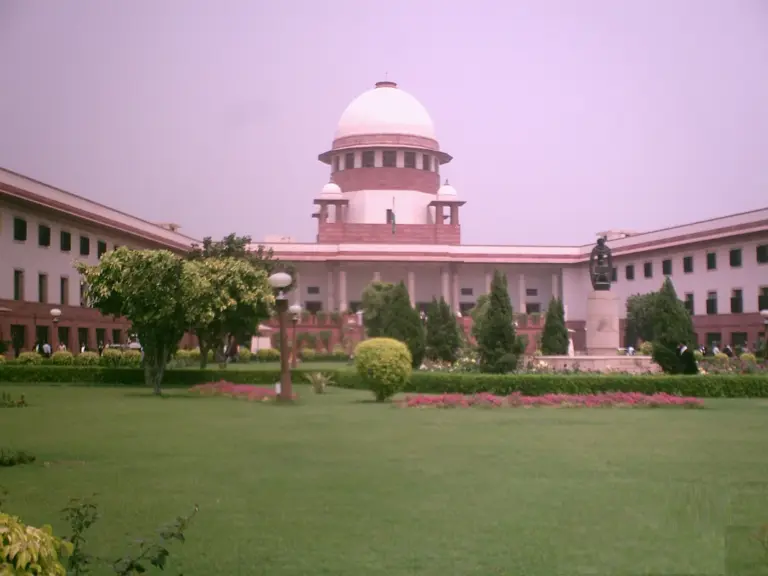
Court ने इसे innocent को false cases से बचाना बताया। Dalit और Adivasi groups को लगा judiciary उनके लिए लिखे law की shield हटा रही है। Reaction immediate था। 2 April 2018 का Bharat Bandh कई States में mass protest बना और clashes में कई लोगों की death हुई। Government को message साफ़ था: Act restore करो।
Parliament का जवाब: Section 18A
Parliament ने rare speed से action लिया। Scheduled Castes and the Scheduled Tribes (Prevention of Atrocities) Amendment Act, 2018 के ज़रिए नया Section 18A जोड़ा गया। इसमें साफ़ कहा गया कि FIR register करने के लिए preliminary inquiry नहीं चाहिए, arrest के लिए investigating officer को approval नहीं चाहिए और Section 18 का anticipatory-bail bar किसी court के judgment या order के बावजूद लागू रहेगा। Amendment 20 August 2018 को लागू हुआ। पाँच महीने से भी कम समय में Act pre-Mahajan form में लौट आया।
मामला दो बार और Supreme Court पहुँचा। 1 October 2019 को three-judge bench ने original directions को recalled किया। *Prithvi Raj Chauhan v Union of India* में, 10 February 2020 को Court ने Section 18A की constitutional validity uphold की। एक narrow qualification है: complaint के face पर Act का कोई offence बनता ही न हो, तो exceptional case में anticipatory bail दी जा सकती है। Default फिर भी यही है: no anticipatory bail, no preliminary inquiry, no approval for arrest। यह judiciary की Article 142 वाली complete justice power और Parliament की law amend करके last word कहने की authority के बीच tug का exam-ready example है।
Safeguards बनाम misuse debate
यह Mains answer का heart है। दोनों sides ईमानदारी से रखिए, slogan की तरह नहीं। Misuse argument कहता है कि immediate FIR, no anticipatory bail और caste motive का presumption false या exaggerated complaints को बढ़ावा दे सकते हैं। लोग score settle या compensation पाने के लिए complaint कर सकते हैं और innocent accused trial से पहले arrest तथा social ruin झेल सकता है। इस view के समर्थक acquittal data और fabricated cases दिखाते हैं।
Protection argument का आधार कठिन facts हैं। SC/ST पर atrocities widespread हैं और under-reported भी, over-reported नहीं। Victims locally dominant groups की retaliation से डरते हैं और FIR तक नहीं करा पाते। NCRB data हर साल tens of thousands cases record करता है, जिनकी conviction rates करीब एक-third रहती हैं। Low conviction hostile witnesses, weak investigation और social pressure से ज्यादा जुड़ी है, false complaints से नहीं। इस view में misuse के लिए Act dilute करना genuine victims की बड़ी संख्या को minority bad-faith cases के लिए punish करना है। असली gap enforcement का है, excess का नहीं।
Balanced और defensible position यह है कि misuse real लेकिन marginal है। इसका जवाब better investigation और false complainants का swift trial है, victim protections कमजोर करना नहीं। Deeper reform machinery में है: vacant special courts भरना, police training, witnesses protect करना और 2015 amendment की promised timelines को सच में लागू करना।
Implementation और बची हुई gaps
Law उतना ही अच्छा है जितनी machinery उसे चलाती है। SC/ST Act का design strong और delivery record weak है। SC/ST (Prevention of Atrocities) Rules, 1995 statute को detail देते हैं। Victims के लिए relief और compensation का scale तय है: monetary payments, rehabilitation, pension और property destroy होने पर land तक। Immediate relief का उद्देश्य है कि trial चलने तक victim destitute न रहे। States को senior political और administrative leaders की अध्यक्षता में District और State-level Vigilance and Monitoring Committees भी बनानी हैं। ये case progress, relief और officials की accountability review करती हैं। Paper पर system comprehensive है।
Oversight दो constitutional bodies करती हैं। National Commission for Scheduled Castes Article 338 के तहत और National Commission for Scheduled Tribes Article 338A के तहत complaints inquire, officials summon और Parliament को report कर सकती हैं। दोनों annual reviews में atrocity cases flag करती हैं। States को atrocity-prone areas identify करके preventive steps पहले लेने हैं, violence के बाद react नहीं करना।
Practice में gaps जिद्दी हैं। Vigilance committees schedule पर नहीं मिलतीं। कई districts में 2015 amendment वाली exclusive special courts अब भी नहीं हैं। Atrocity cases general docket के पीछे queue करते हैं, relief देर से मिलता है और investigation quality uneven है। Victim को उसी local police पर निर्भर रहना पड़ता है। NCRB data high pendency, low conviction और chronic under-registration दिखाता है। Serious reviews का निष्कर्ष इसलिए यही है कि statute को further dilution नहीं, honest enforcement चाहिए। Robust law और feeble implementation का distinction Mains answer की सबसे उपयोगी line है।
Exam के लिए इसे कैसे पढ़ें?
Sections का bundle मत रटिए। Spine सीखिए: Article 17 duty बनाता है, 1989 Act उसे discharge करता है, 2015 amendment उसे sharp करता है, 2018 Mahajan case उसे blunt करता है और Section 18A फिर restore करता है। यह arc पाँच sentences में narrate कर पाएँ, तो लगभग हर question का जवाब दे सकते हैं।
Prelims hooks: Act 30 January 1990 को लागू हुआ। Constitutional parent Article 17 है और Article 35 Parliament को law बनाने की power देता है। Section 18 anticipatory bail रोकता और Section 18A 2018 judgment का legislative reply है। इसे reservation framework से confuse मत कीजिए। Reservation Articles 15, 16 और 335 की अलग story है। reservation in India और caste system को atrocity law से अलग पढ़िए, भले social root साझा हो। Mains में misuse debate और judiciary-versus-legislature sequence सबसे rich material हैं। Caste discrimination का data caste census के साथ current भी रहेगा।
सामान्य प्रश्न
SC/ST (Prevention of Atrocities) Act, 1989 क्या है?
यह special criminal law है जो Scheduled Castes और Scheduled Tribes के सदस्यों के खिलाफ़ उनकी caste या tribe की वजह से किए crimes को punish करता है। ऐसे acts को “atrocities” माना जाता है और ordinary criminal law से heavier punishment तथा faster protective process मिलता है। Act 30 January 1990 को लागू हुआ।
SC/ST Act किस constitutional Article पर आधारित है?
Primary basis Article 17 है, जो untouchability abolish करता है और इसकी practice को punishable offence बनाने को कहता है। Article 35 Parliament को law बनाने की power देता है। Articles 15(2) और 46 protection को support करते हैं। इसलिए यह पूरे country में लागू central law है।
Act में “atrocity” किसे कहते हैं?
Section 3 specific offences बताता है: physical violence, inedible substances खिलाना, naked parade करना, land पर wrongful occupation और caste-based humiliations। 2015 amendment ने footwear garlanding, social या economic boycott और head या moustache tonsure जैसे offences जोड़े।
Act anticipatory bail पर रोक क्यों लगाता है?
Section 18 anticipatory bail रोकता है क्योंकि village setting में advance bail वाला accused victims और witnesses को intimidate कर सकता है। यह bar investigation के शुरुआती vulnerable stage में complainants को protect करने के लिए है।
2018 का Subhash Kashinath Mahajan judgment क्या था?
20 March 2018 को Supreme Court ने FIR से पहले preliminary inquiry, arrest से पहले approval और Section 18 के बावजूद anticipatory bail की अनुमति देकर Act को dilute किया। इससे Dalit protests हुए और 2 April 2018 को Bharat Bandh हुआ।
2018 judgment पर Parliament ने क्या जवाब दिया?
Parliament ने Section 18A जोड़ा। इसने preliminary inquiry और arrest approval की requirement हटाई और court order के बावजूद anticipatory-bail bar restore किया। यह 20 August 2018 को लागू हुआ।
क्या Act का false cases के लिए misuse होता है?
कुछ misuse होता है और 2018 judgment का यही आधार था। लेकिन NCRB data atrocities को widespread और heavily under-reported दिखाता है। Conviction rate करीब one-third है और low conviction hostile witnesses तथा weak investigation से जुड़ी है। Evidence systemic abuse से ज़्यादा enforcement gap की ओर इशारा करता है।
2020 के Prithvi Raj Chauhan case में क्या तय हुआ?
10 February 2020 को Supreme Court ने Section 18A की constitutional validity uphold की। Narrow exception यह है कि complaint के face पर Act का कोई offence बनता ही न हो, तो anticipatory bail दी जा सकती है। बाकी restored provisions लागू रहते हैं।
अभ्यास प्रश्न
1. SC/ST (Prevention of Atrocities) Act, 1989 का primary constitutional basis क्या है?
a) Article 15
b) Article 16
c) Article 17
d) Article 21
उत्तर: c) Article 17, जो untouchability abolish करता और इसकी practice को punishable बनाता है।
2. Untouchability offences की punishment prescribe करने वाले laws बनाने की power Parliament को कौन-सा Article देता है?
a) Article 32
b) Article 35
c) Article 46
d) Article 338
उत्तर: b) Article 35
3. SC/ST (Prevention of Atrocities) Act का Section 18 specifically किसे bar करता है?
a) Regular bail
b) Anticipatory bail
c) High Court appeals
d) Compounding of offences
उत्तर: b) Anticipatory bail, क्योंकि CrPC का Section 438 लागू नहीं होता।
4. Subhash Kashinath Mahajan directions को overturn करने के लिए Parliament ने 2018 में कौन-सा provision जोड़ा?
a) Section 14A
b) Section 15A
c) Section 18A
d) Section 21A
उत्तर: c) Section 18A
5. 2020 में Supreme Court ने Section 18A की constitutional validity किस case में uphold की?
a) M.C. Mehta v Union of India
b) Prithvi Raj Chauhan v Union of India
c) State of Karnataka v Appa Balu Ingale
d) E.V. Chinnaiah v State of Andhra Pradesh
उत्तर: b) Prithvi Raj Chauhan v Union of India, 10 February 2020 को decided।
मुख्य परीक्षा के प्रश्न:
- SC/ST (Prevention of Atrocities) Act, 1989 के constitutional foundations trace कीजिए और समझाइए कि यह Article 17 को कैसे लागू करता है। (150 शब्द)
- Act में “atrocity” क्या है और 2015 amendment ने इसके scope को कैसे बढ़ाया और मजबूत किया? (150 शब्द)
- 2018 Subhash Kashinath Mahajan judgment और Parliament के response को judiciary और legislature के relationship के illustration के रूप में examine कीजिए। (250 शब्द)
- “SC/ST Act की debate misuse की नहीं, enforcement की है।” Available data के reference में critically discuss कीजिए। (250 शब्द)
- Vulnerable groups के लिए special protective laws में law के abuse को रोकने और genuine victims को protect करने का tension रहता है। SC/ST Act को case study बनाकर चर्चा कीजिए। (250 शब्द)
SC/ST Act का real lesson sections में नहीं, 2018 से 2020 के उन दो वर्षों में है जब court, Parliament और mass movement ने law के meaning पर अपनी-अपनी claim रखी। बचा हुआ law वही है जो constitutional promise के सबसे करीब है। Article 17 से Section 18A तक spine समझिए, misuse debate को दोनों sides से ईमानदारी से रखिए। तब आप Act सिर्फ़ recall नहीं करेंगे, समझेंगे कि यह क्यों महत्वपूर्ण है।