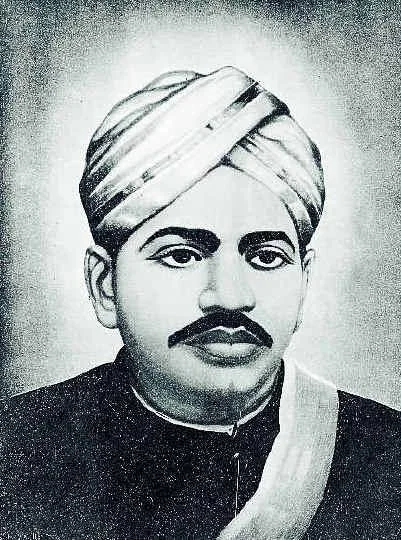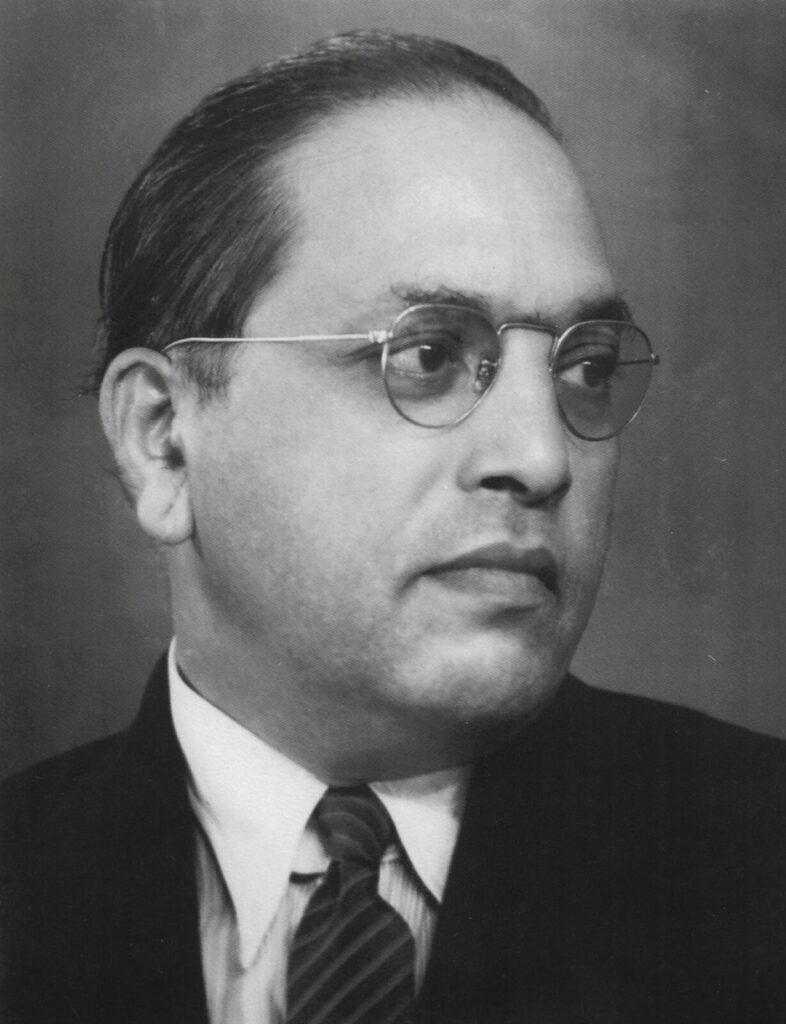
The Hindu Code Bill is one of those legislative projects that gets a paragraph in most textbooks and barely a footnote in the popular memory of independent India. It deserves much more space. The Hindu Code Bill was the single most ambitious attempt to rewrite Hindu personal law since the British codification efforts of the nineteenth century, and it was anchored by Dr. B.R. Ambedkar in his capacity as independent India’s first law minister. The bill didn’t pass in its original consolidated form. Ambedkar resigned in 1951 partly because of how it had been treated. Yet within five years the substance of the Hindu Code Bill was on the statute book, just split across four separate acts.
For UPSC aspirants this is a high-yield topic because it sits at the intersection of polity, social justice, women’s rights, and the longer debate around the Uniform Civil Code. The story has clean dates, identifiable actors, sharp arguments on either side, and a present-day relevance that keeps showing up in current affairs whenever inheritance, marriage, or personal law questions return to public debate.
This piece walks through what the Hindu Code Bill set out to do, why it ran into resistance, how Ambedkar’s resignation fit into the picture, what the four resulting acts of 1955-56 actually changed, and how a single 2005 amendment quietly completed a piece of the original Ambedkar agenda that had been deferred for half a century.
Quick Facts at a Glance
- What it was: A comprehensive code to reform Hindu personal law covering marriage, divorce, succession, adoption, guardianship, maintenance
- Drafting body: Rau Committee (set up 1941), revised by Ministry of Law and the Constituent Assembly select committee chaired by Ambedkar
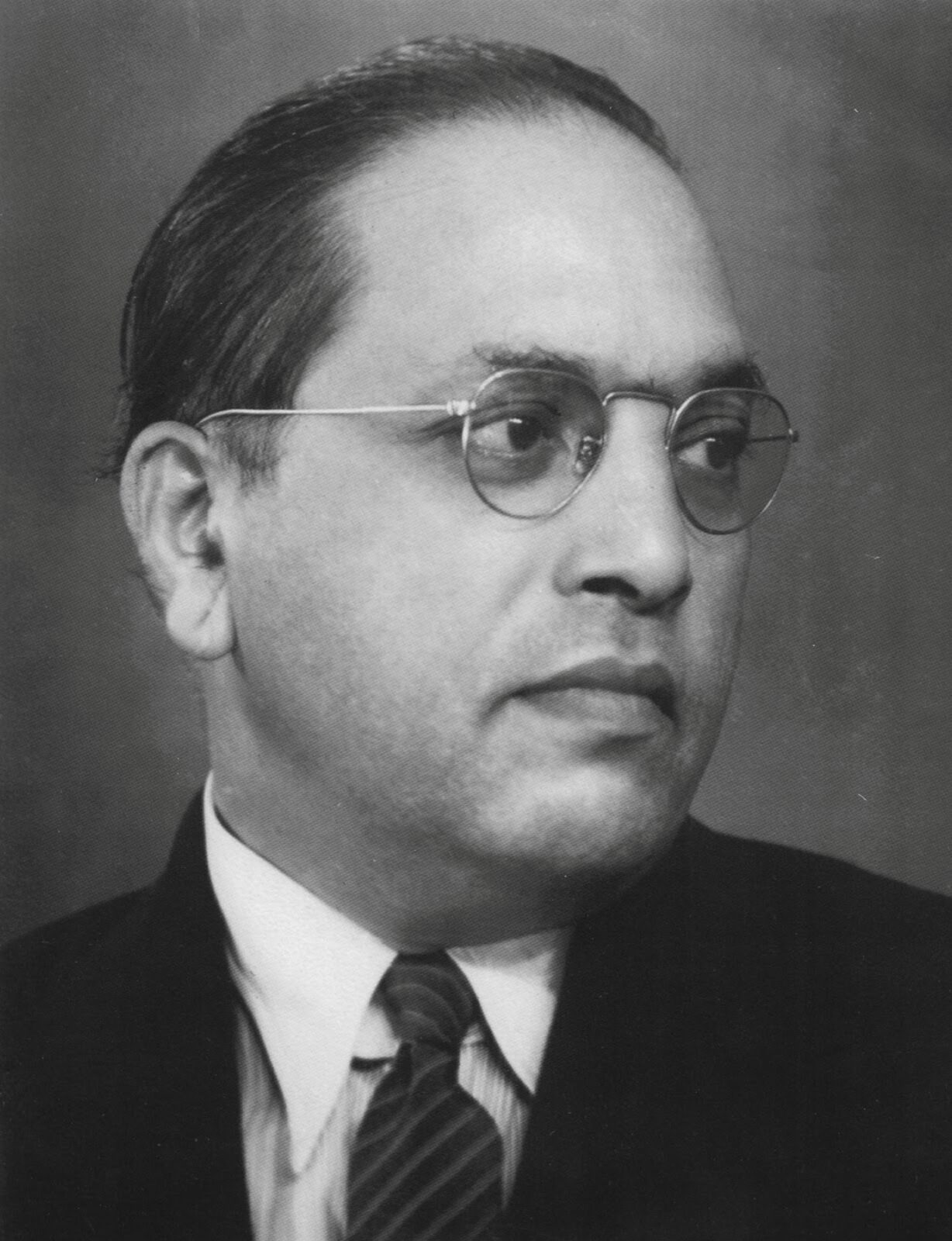
- Champion: Dr. B.R. Ambedkar, independent India’s first law minister
- Political head: Prime Minister Jawaharlal Nehru
- Original tabled form: Single consolidated Hindu Code Bill, 1948-51
- Outcome of original bill: Defeated through obstruction; Ambedkar resigned September 1951
- Final form: Four separate Acts passed 1955-56
- Key 21st-century amendment: Hindu Succession (Amendment) Act 2005 giving daughters coparcenary rights
What the Hindu Code Bill Set Out to Do
The Hindu Code Bill was never just a tidying-up exercise. It tried to do four things at once. First, monogamy: it sought to make monogamy the legal norm for Hindus, ending the older sanction of polygamy under classical Hindu law. Second, divorce: it introduced divorce as a legal remedy for both spouses, replacing a system where marriage was treated as an indissoluble sacrament. Third, inheritance: it gave daughters a share in their father’s separate property and reformed the rules of intestate succession, narrowing the gap between sons and daughters. Fourth, adoption and guardianship: it codified adoption rules and modernized guardianship, including for the welfare of the minor.
Taken together, these were not small adjustments. The Hindu Code Bill amounted to a structural reform of Hindu personal law. It moved the law in a direction broadly consistent with the constitutional vision of equality and individual dignity that the same framers were debating in the Constituent Assembly. Ambedkar’s view, which he laid out repeatedly, was that political democracy without social democracy was a fragile thing, and that reform of personal law was a precondition for the broader project of equality.
Background: From Rau Committee to Constituent Assembly
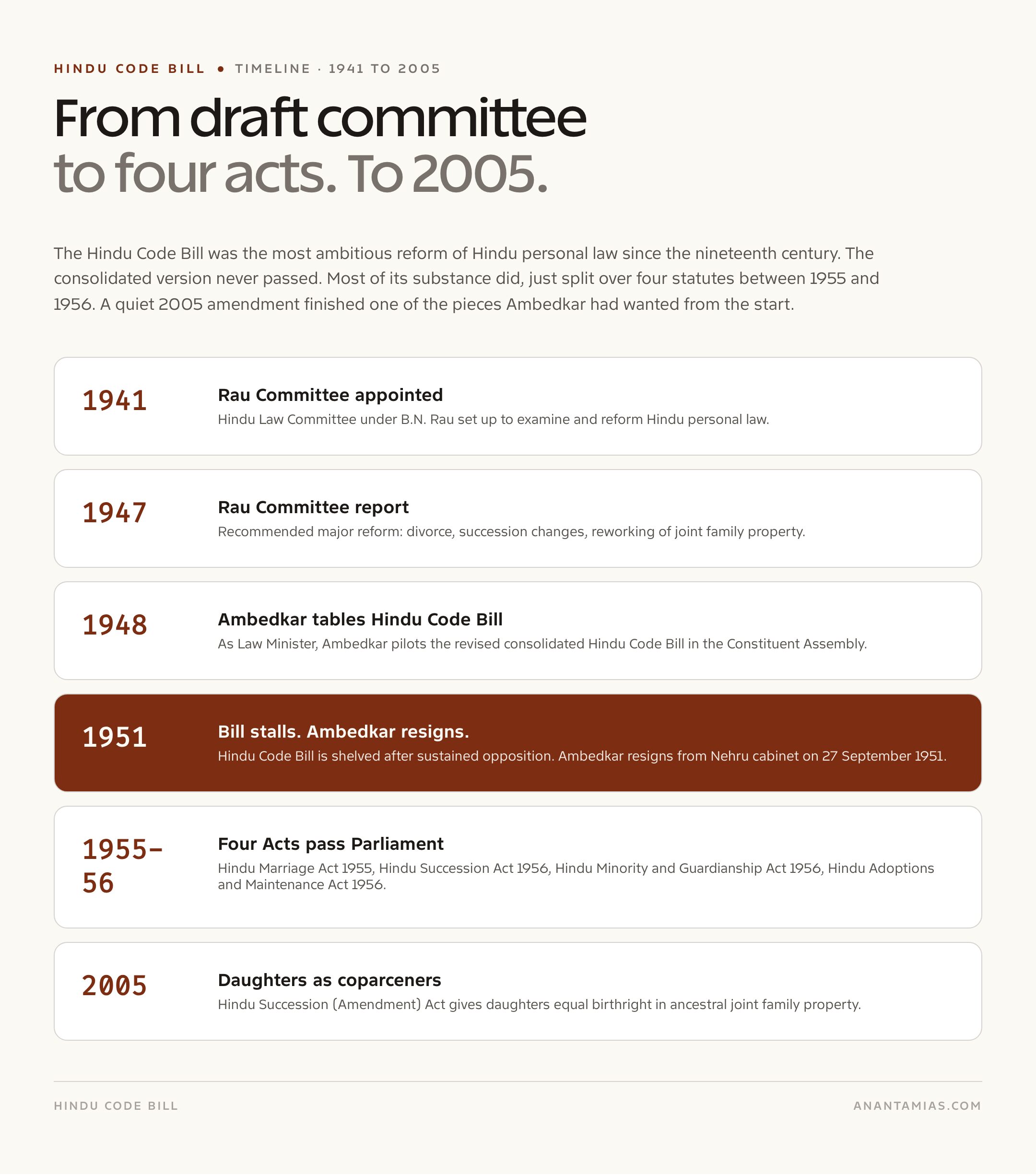
The roots of the Hindu Code Bill go back to the colonial period. The British had codified bits of Hindu personal law selectively, mostly to settle property disputes in court, but the underlying structure remained the dharmashastric inheritance with its multiple schools (Mitakshara, Dayabhaga) and regional variations. In 1941 the government appointed the Hindu Law Committee, popularly known as the Rau Committee, chaired by B.N. Rau, to examine the state of Hindu personal law and recommend reforms.
The Rau Committee’s 1947 report recommended sweeping reforms, including abolition of the joint-family property system in its older form and introduction of divorce. The Ministry of Law revised the draft, and Ambedkar, after taking charge as law minister, presented it to the Constituent Assembly. A select committee was set up under his chairmanship and produced a substantially reworked bill that became the Hindu Code Bill placed before Parliament in 1948.
Background and Historical Context
Resistance to the Hindu Code Bill
The opposition to the Hindu Code Bill came from multiple directions. Orthodox Hindu opinion saw it as state interference in religious life. President Rajendra Prasad signaled discomfort and at one stage suggested he might withhold assent. Conservative members of the Congress itself were uneasy. Outside Parliament, organizations like the Hindu Mahasabha and the RSS mobilized against the bill, holding meetings and protests across cities. Sadhus and religious bodies argued the bill violated shastric injunctions and that the state had no business legislating on sacramental matters.
There was also a strand of opposition that wasn’t primarily religious. Some legislators argued that singling out Hindus for codification while leaving other personal laws untouched was unfair, the same argument that still surrounds Uniform Civil Code debates today. Some pointed to the bill’s complexity. Some objected to specific provisions, particularly divorce and daughter’s inheritance, which they saw as too sharp a break.
The Hindu Code Bill spent months in select committee, came up for clause-by-clause discussion, and never managed to clear Parliament in its original consolidated form. By the second half of 1951 the writing was on the wall.
Ambedkar’s Resignation, September 1951
Ambedkar resigned from the Nehru cabinet on 27 September 1951. The resignation was technically over the government’s handling of multiple issues, but Ambedkar’s resignation statement made it clear that the treatment given to the Hindu Code Bill was central. He wrote that he had agreed to remain in cabinet despite earlier disappointments because of the Hindu Code Bill, and that watching it be progressively diluted and finally shelved had been a personal blow.
This is one of the most-cited resignations in Indian political history precisely because it crystallized the question of whether personal law reform belonged at the top of the new republic’s agenda. For Ambedkar, social reform sat at the centre of constitutional democracy. For others in the political class, it could wait. The 1951-52 general election would settle who was right in the short term.
The Four Acts of 1955-56
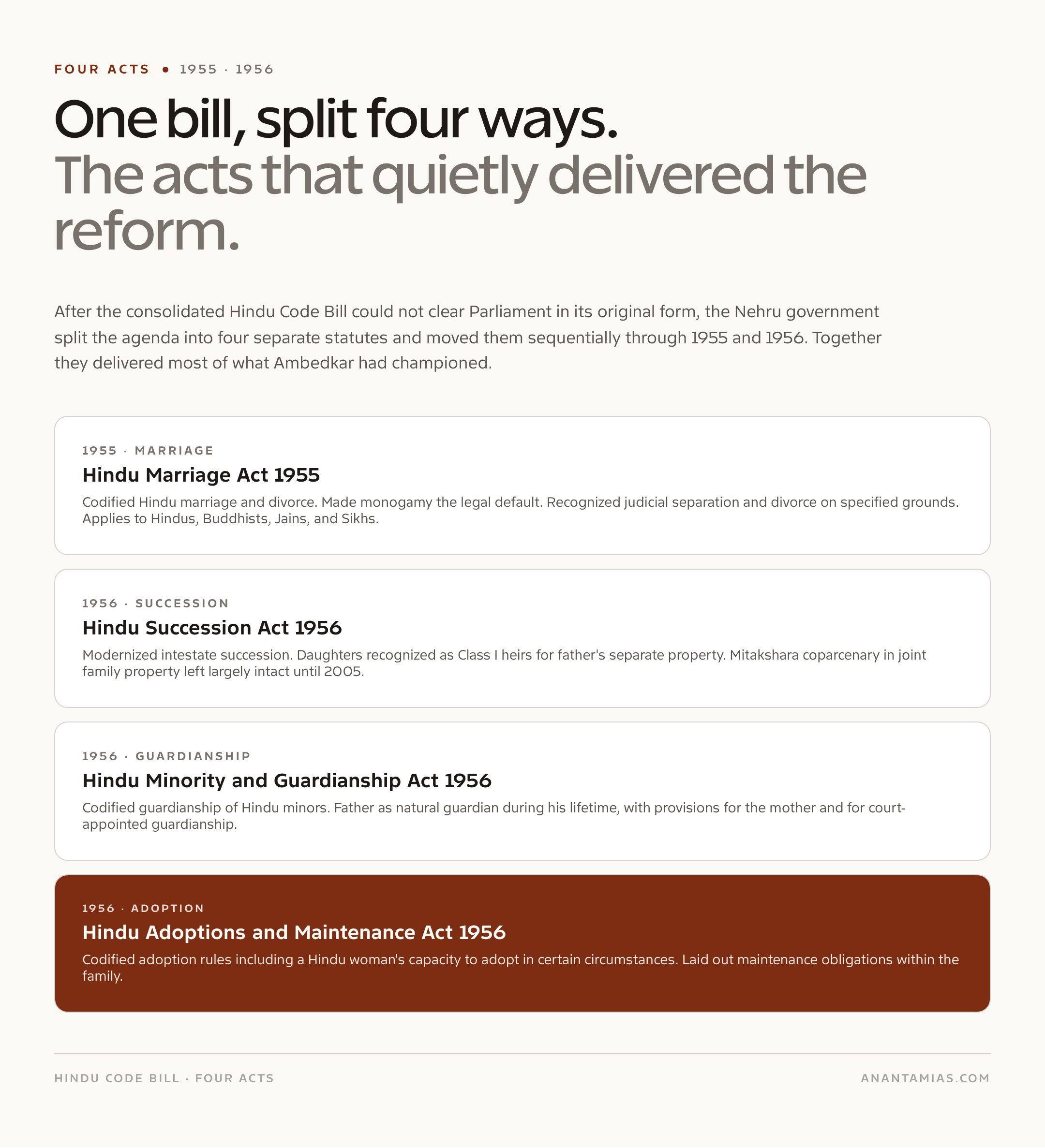
After the Congress won the first general elections, Nehru returned to the Hindu Code Bill agenda with a different tactic. Instead of pushing a single consolidated code that opponents could obstruct on aggregate, the government split the bill into four separate statutes and moved them sequentially.
- Hindu Marriage Act 1955 — codified marriage and divorce for Hindus, established monogamy, set conditions for valid marriage (age, sapinda relationship, prohibited degrees), recognized judicial separation and divorce on specified grounds. Applies to Hindus, Buddhists, Jains, and Sikhs.
- Hindu Succession Act 1956 — modernized intestate succession, recognized daughters as Class I heirs alongside sons in respect of the father’s separate property, but left the Mitakshara coparcenary in joint family property largely intact for the time being.
- Hindu Minority and Guardianship Act 1956 — codified guardianship of minors, set out natural and testamentary guardians, kept the father as the natural guardian during his lifetime but allowed for guardianship by the mother and in some cases by the court.
- Hindu Adoptions and Maintenance Act 1956 — codified adoption rules including a Hindu woman’s capacity to adopt in certain circumstances, and laid out maintenance obligations within the family.
These four acts together delivered most of what the original Hindu Code Bill had aimed at. The reform was real even if it arrived in pieces and with compromises that watered down some of Ambedkar’s preferred positions.
What Changed for Hindu Women
The practical impact of the Hindu Code Bill reform package on women was significant. Monogamy became the legal default. Hindu women got the right to divorce on enumerated grounds, including cruelty and desertion, instead of being trapped in a sacramental marriage with no exit. Daughters were placed on a more equal footing with sons in intestate succession of separate property. Widows got stronger rights to maintenance and to her late husband’s share. The guardianship law moved at least partway toward recognizing the mother’s role.
What the 1956 settlement didn’t fully fix was coparcenary. Under the Mitakshara system that prevails in most of India, sons by birth acquired an interest in ancestral joint family property, while daughters did not. The Hindu Succession Act 1956 left this older structure largely in place. For the next half-century this was the unfinished piece of the Hindu Code Bill agenda.
The 2005 Amendment That Finished the Job
The Hindu Succession (Amendment) Act 2005 amended Section 6 of the 1956 Act to give daughters the same coparcenary rights in ancestral joint family property as sons, by birth, with the same rights and same liabilities. After a series of Supreme Court decisions clarifying retrospective application (notably Vineeta Sharma v. Rakesh Sharma, 2020), daughters today are coparceners by birth regardless of whether the father was alive on the cut-off date.
This 2005 amendment is the legal completion of a piece of the original Ambedkar agenda that had been parked in 1956. It also matters because coparcenary is not abstract: it determines who has a say in ancestral land, ancestral business assets, and who can demand partition. The amendment shifted real economic power.
Hindu Code Bill and the Uniform Civil Code Debate
The Hindu Code Bill is unavoidable when you discuss the Uniform Civil Code. The standard objection to UCC has always been that the state shouldn’t interfere with personal law. The Hindu Code Bill is the obvious counter-example: the Indian state did interfere with Hindu personal law, in a deep and explicit way, and most of the reforms have stood the test of time and are now considered normal.
The harder question is whether the Hindu Code Bill model can be generalized. UCC advocates point to it as proof that codified personal law reform is feasible and beneficial. UCC critics argue that the Hindu Code Bill was internal reform by a community on its own terms, whereas a uniform code imposes a single framework across communities. The substantive constitutional debate around Article 44 still revolves around the Hindu Code Bill precedent. For UPSC mains, this is a frequent angle.
Why the Hindu Code Bill Still Matters
Three reasons. First, it remains the most important piece of social reform legislation of independent India, and the questions it tried to answer (who has a right to property, who can divorce, who is a guardian) keep returning in court rulings and amendments. Second, it tells us something about how legislative reform actually works in India: ambitious consolidated bills often fail, while the same content can pass when split, sequenced, and politically managed. Third, it’s a case study in the distance between constitutional vision and political implementation, with Ambedkar’s resignation as the visible marker of that gap.
For UPSC aspirants the Hindu Code Bill is also a usefully testable topic. The dates are clean, the actors are identifiable, the contents are concrete, and the legacy is alive in the form of the 2005 amendment and the continuing Uniform Civil Code debate.
Conclusion
The Hindu Code Bill in its original consolidated form never became law. What did become law, in 1955-56, was substantially what the Hindu Code Bill had set out to do, distributed across four statutes. Ambedkar paid the political cost of championing the consolidated version, and his September 1951 resignation made the cost visible. The 2005 amendment closed a long-standing gap in the inheritance regime that the 1956 Act had left open. Taken as a whole, the Hindu Code Bill story is one of unfinished social reform that nonetheless changed the legal status of Hindu women in ways that have proved durable.
Frequently Asked Questions
What was the Hindu Code Bill?
The Hindu Code Bill was a comprehensive draft law to reform Hindu personal law covering marriage, divorce, succession, adoption, and guardianship, piloted in independent India by Dr. B.R. Ambedkar as law minister between 1948 and 1951.
Why did Ambedkar resign over the Hindu Code Bill?
Ambedkar resigned on 27 September 1951 after the Hindu Code Bill was effectively shelved by Parliament. He saw it as the central legislative reform of independent India and believed political democracy could not coexist with the older social inequalities the bill sought to address.
Did the Hindu Code Bill ever pass?
Not in its original consolidated form. After the 1951-52 general elections, the government split the bill into four separate Acts which were passed between 1955 and 1956, delivering most of the original substance.
What are the four Acts that came out of the Hindu Code Bill?
Hindu Marriage Act 1955, Hindu Succession Act 1956, Hindu Minority and Guardianship Act 1956, and Hindu Adoptions and Maintenance Act 1956.
How did the 2005 amendment change Hindu succession law?
The Hindu Succession (Amendment) Act 2005 gave daughters equal coparcenary rights in ancestral joint family property by birth, with the same rights and liabilities as sons, completing a part of the Hindu Code Bill agenda that the 1956 Act had left open.
How is the Hindu Code Bill linked to the Uniform Civil Code?
The Hindu Code Bill is often cited as proof that codified personal law reform is constitutionally and politically feasible, but critics of a uniform code argue that internal community reform differs from a single legal framework imposed across all communities.
Tell Google you want more of this.
Add Anantam IAS as a preferred sourceOne tap, and this site shows up more often in your own Top Stories, AI Overviews and AI Mode. Remove it any time.