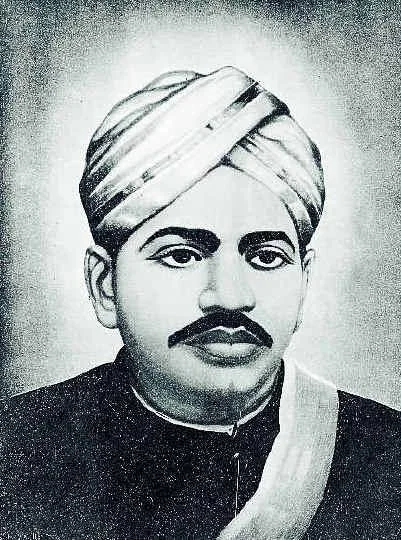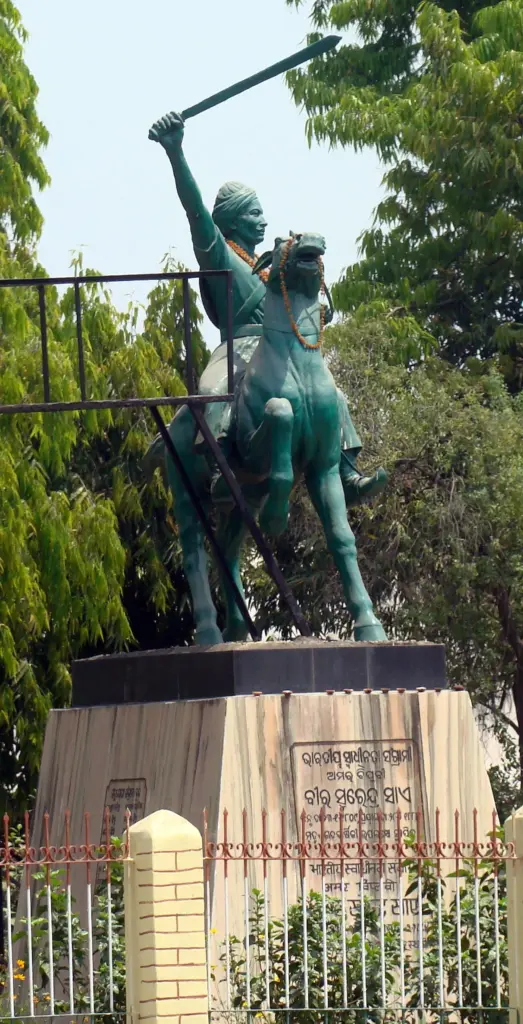
Veer Surendra Sai (1809 to 1884) was a claimant to the throne of Sambalpur in western Odisha who resisted British rule for decades, first in a succession dispute from 1827, then as the leader of the 1857 revolt in Sambalpur until his surrender in 1862. He spent about 37 years of his life in British jails, at Hazaribagh, Raipur, Nagpur and finally the hill fort of Asirgarh in central India, where he died a state prisoner on 28 February 1884.
Most short notes squeeze him into a single line: “led the 1857 revolt in Odisha”. That hides how long his struggle was and why it began. His war started thirty years before 1857, as a royal claim the British refused to recognize, and it outlasted the revolt by more than two decades in prison. This note gives the phases in order, shows how a dynastic dispute became a mass rising of tribal zamindars and peasants and flags the dates the sources disagree on.
Who Was Veer Surendra Sai?
Surendra Sai was a member of the Chauhan ruling lineage of Sambalpur whose claim to the throne the East India Company set aside. He became the leader of a long resistance that drew in the Gond and other tribal chiefs of the region. The table gives the anchor facts.
| Fact | Detail |
|---|---|
| Born | 23 January 1809, Khinda village near Sambalpur |
| Lineage | Rajpur-Khinda branch of the Chauhan dynasty of Sambalpur |
| First imprisonment | 1840 to 1857, Hazaribagh jail, as a prisoner for life |
| Freed | 1857, when sepoys at Hazaribagh broke open the jail |
| Revolt | From 31 October 1857 in Sambalpur, guerrilla war to 1862 |
| Surrender | 16 May 1862, to Major Impey |
| Final arrest | Night of 23 January 1864 |
| Died | 28 February 1884, Asirgarh Fort, as a state prisoner |
A Succession Dispute Becomes a Revolt
Surendra Sai’s quarrel with the British began over who should rule Sambalpur. The Company had occupied the region in the early nineteenth century and, after defeating the Bhonsles of Nagpur in the Third Anglo-Maratha War of 1817 to 1818, made itself the paramount power there.
When Maharaja Sai died in 1827 without a son, the Rajpur-Khinda family, descended from the fourth Chauhan Raja, Madhukar Sai, through his son Aniruddha Sai, claimed the throne for the young Surendra. The British chose otherwise:
- First they let Maharaja Sai’s widow, Rani Mohan Kumari, rule, which local custom did not allow. Her rule provoked revolts.
- In 1833 they pensioned her off to Cuttack and on 11 October 1833 installed Narayan Singh, an elderly member of a junior branch of the family.
- Surendra Sai, guided by his uncle Balaram Singh, refused to accept either choice, and the Gond zamindars of the region took up his cause.
Surendra was about eighteen when the dispute began. A local Odisha Review account dates his first protest to 1827. That’s why historians of Odisha say his resistance lasted almost six decades, from 1827 to his death in 1884.
Arrest and Hazaribagh
The clash turned violent around 1840. Narayan Singh’s men killed Balabhadra Deo, the Gond zamindar of Lakhanpur and a supporter of Surendra, and in revenge Surendra’s supporters killed the zamindar of Rampur and his son. The Odisha Review account says Surendra Sai himself had no role in that killing, but the government held him responsible. In 1840 he, his uncle Balaram Singh and his brother Udyant Sai were sent to Hazaribagh jail in Chota Nagpur as prisoners for life. Balaram Singh died there.
Annexation and Rising Grievances
While Surendra sat in Hazaribagh, the Company swallowed Sambalpur. Narayan Singh died without a son, and Lord Dalhousie annexed the state under the Doctrine of Lapse in 1849. The doctrine meant that a dependent state whose ruler died without a natural heir passed to the Company, with adoption refused. Sambalpur was one of its early victims, along with Satara in 1848.
Annexation changed life for the region’s chiefs. The local zamindars and gauntias, the village headmen who collected revenue, found themselves under tighter control and much heavier demands. One record cited in the Odisha Review shows the state’s annual payment rising from Rs 8,800 before 1849 to Rs 74,000 in 1854, more than eight times in five years.
The sources disagree on one date here. One Odisha Review article gives Narayan Singh’s death as 10 September 1849; another gives 1847. Either way, the annexation of 1849 is the date to remember, and the grievance it created among the tribal zamindars is what turned a royal claim into a popular cause.
1857: The Revolt in Sambalpur
The Revolt of 1857 reached Chota Nagpur in the summer of that year. Sepoys of the Ramgarh Battalion at Hazaribagh rose, broke open the jail and freed the prisoners, among them Surendra Sai and Udyant Sai. After seventeen years in prison, Surendra walked home to Sambalpur, where crowds of zamindars and gauntias welcomed him.
He first tried negotiation. On 13 October 1857 he petitioned Captain R. T. Leigh, the senior British officer in Sambalpur, asking for remission of his sentence and recognition as Raja. The Commissioner of Orissa, G. F. Cockburn, refused any leniency and wanted him deported. Sensing arrest, Surendra slipped away to Khinda, and on the night of 31 October 1857 he called the people to rise.
The guerrilla war, 1857 to 1862
What followed was a forest war, not a siege. The rebels cut Sambalpur’s links with Hazaribagh, Ranchi, Cuttack and Nagpur, burnt mail stations on the road to Bombay and attacked troops in the jungle passes. Key episodes recorded in the Odisha Review include:
- 30 December 1857: Captain Wood surprised the rebels at Kudopali; 53 were killed, including Surendra’s brother Chhabila Sai.
- 12 February 1858: Captain Woodbridge was shot dead attacking the hill stronghold of Paharsirgira.
- 1858: Colonel Forster seized the rebels’ food stocks and hanged several zamindars; Surendra’s brother Ujjal Sai was hanged at Balangir without trial.
The government thought the situation serious enough to transfer Sambalpur from the Chota Nagpur Division to the Orissa Division with effect from 19 December 1857 for better control.
The heart of the rising was tribal. The zamindars of Ghens, Kolabira, Paharsirgira, Machida, Lakhanpur and other estates, many of them Gond chiefs, gave up their homes for the forest. Some lost their estates, some were killed and some were hanged. Surendra was the leader, but the rising belonged to them as much as to him.
Surrender, Betrayal and Asirgarh
The war ended through negotiation. In April 1861 Major Impey became Deputy Commissioner of Sambalpur and chose conciliation over force. Amnesty proclamations of 24 September and 11 October 1861 brought most rebels out of the forest. Surendra’s son Mitrabhanu surrendered on 7 January 1862, and Surendra Sai himself surrendered to Impey on 16 May 1862, accepting a pension of Rs 1,200 a year in place of the throne.
The peace didn’t hold. Impey died in December 1863, and officers who had disliked his leniency moved quickly. On the night of 23 January 1864, Surendra, his son and close followers were arrested at Khinda on charges of plotting fresh trouble. They were tried at Raipur and sentenced to deportation for life.
Then came a twist that tells you a lot about colonial justice. On appeal, the Judicial Commissioner of the Central Provinces, J. S. Campbell, found the charges baseless and fabricated. The government detained Surendra Sai anyway under Regulation III of 1818, the Bengal State Prisoners Regulation that allowed detention without trial. He was held in Nagpur jail until April 1866 and then moved to Asirgarh Fort, a hill fortress in present-day Madhya Pradesh.
His son and brother Dhruva Sai were released on 1 January 1876; his brother Medini Sai died in the fort that year. Surendra Sai was never released. The Fort commandant reported that he died on 28 February 1884. Little is recorded of his last years, and later accounts say he was blind by the end.
Two facts the sources disagree on
The record leaves two facts open:
- Age at death. A birth date of 23 January 1809 makes him 75. The Asirgarh commandant reported him as “about ninety”, which most historians treat as a guess by a jailer.
- Years in prison. The total of about 37 years comes from 17 years at Hazaribagh (1840 to 1857) and about 20 years from 1864 to 1884. Figures that run higher usually count the years of fighting as well.
Why Historians Rank Surendra Sai Highly
Surendra Sai’s revolt is one of the longest armed resistances to the Company anywhere in India, and three features make it distinctive.
- Duration. In Sambalpur the revolt went on until 1862, years after the main centers of 1857 had fallen.
- Social base. It joined a dynastic claim to the grievances of tribal zamindars and peasants, the same mix seen in many tribal movements of the century.
- Continuity. It linked earlier Odia resistance, such as the Paika Rebellion of 1817 in Khurda, to the revolt of 1857.
Historians of Odisha have long argued that national histories underplayed him. Surendra Nath Sen’s centenary history of 1857, published in 1957, gave him only a few lines, a gap that Odisha’s own historians have spent decades filling from records in Bhopal, Nagpur and Raipur. The fair judgment is that he was a regional leader of national importance, comparable in persistence to Kunwar Singh in Bihar.
Surendra Sai Today
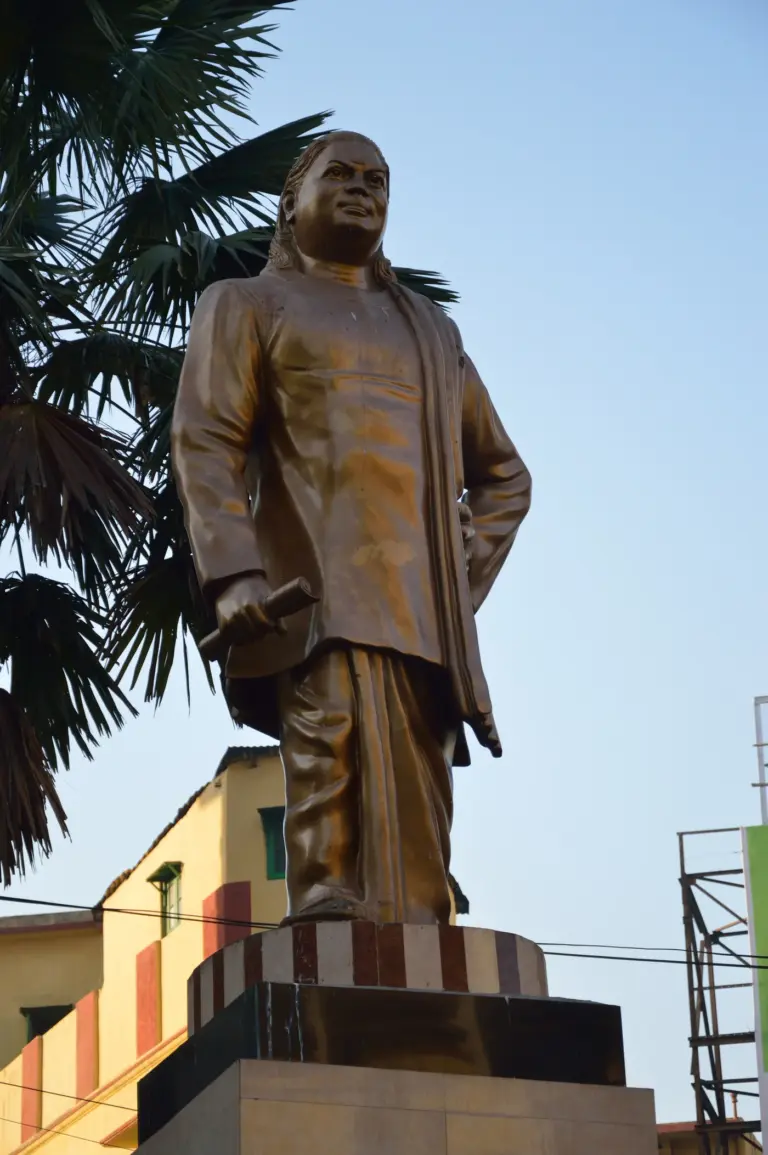
Surendra Sai is one of Odisha’s most honored freedom fighters. Institutions named after him include the Veer Surendra Sai University of Technology at Burla (renamed in 2009), the Veer Surendra Sai Institute of Medical Sciences and Research at Burla and the Veer Surendra Sai Airport at Jharsuguda (named in 2018). His statue was installed in the Parliament complex in 2005, and India Post issued a stamp in his honor in 1986.
His birth anniversary on 23 January is now marked at the national level. President Droupadi Murmu paid tribute to him on 23 January 2025 and again on 23 January 2026, noting how he sustained the uprising of 1857 in western Odisha. The 169th anniversary coverage of the Revolt of 1857 is useful for seeing how such regional leaders are now being added to the national story.
How to Study Surendra Sai for Exams
Surendra Sai belongs to GS Paper I, at two points: the Revolt of 1857 and tribal and peasant resistance to colonial rule. Questions test the theme rather than the name. Mains 2023 GS Paper I asked “How did the colonial rule affect the tribals in India and what was the tribal response to the colonial oppression?”, and Sambalpur is a strong example for the second half. In Prelims, History accounts for 184 of the 1,403 questions on the topic-wise Prelims archive, and leaders of 1857 are a standard matching set.
Revise these facts:
- Born 23 January 1809, Khinda, Sambalpur; Chauhan lineage.
- Succession dispute from 1827; Narayan Singh installed in 1833.
- Hazaribagh jail from 1840; freed by sepoys in 1857.
- Revolt began 31 October 1857; surrender to Major Impey on 16 May 1862.
- Sambalpur annexed in 1849 under the Doctrine of Lapse.
- Rearrested 23 January 1864; detained under Regulation III of 1818.
- Died at Asirgarh Fort on 28 February 1884.
The confusions to keep apart:
- Sambalpur and Khurda. The Paika Rebellion of 1817 was in Khurda under Bakshi Jagabandhu; Surendra Sai’s revolt was in Sambalpur, in the west.
- Asirgarh and Andaman. He was not sent to the Andamans; he was held in Asirgarh Fort in central India.
- Doctrine of Lapse and 1857. Annexation came in 1849, eight years before the revolt.
| Leader | Region | Main years | Ended |
|---|---|---|---|
| Surendra Sai | Sambalpur, western Odisha | 1857 to 1862 | Surrender 1862, died in Asirgarh 1884 |
| Kunwar Singh | Jagdishpur, Bihar | 1857 to 1858 | Died of wounds 1858 |
| Bakshi Jagabandhu | Khurda, Odisha | 1817 | Surrendered 1825 |
| Rani Lakshmibai | Jhansi | 1857 to 1858 | Killed in battle 1858 |
Surendra Sai is the answer to the lazy claim that 1857 was over by 1858. If you can place him alongside the tribal zamindars who fought with him, your answers on 1857 and on tribal resistance gain both a regional example and an argument.
Frequently Asked Questions
Who was Veer Surendra Sai?
Veer Surendra Sai was a claimant to the throne of Sambalpur in western Odisha who resisted British rule from 1827 until his death in 1884. He led the revolt of 1857 in Sambalpur, surrendered in 1862 and was rearrested in 1864. He died as a state prisoner in Asirgarh Fort on 28 February 1884.
Why did Surendra Sai revolt against the British?
His revolt began as a succession dispute after Maharaja Sai of Sambalpur died in 1827 without a son. The British passed over Surendra’s claim, installed other rulers and later annexed Sambalpur under the Doctrine of Lapse in 1849. Heavier revenue demands on the tribal zamindars then turned his cause into a popular rising.
How long was Surendra Sai in jail?
About 37 years in total. He was held at Hazaribagh from 1840 until sepoys freed him in 1857, and after his rearrest in 1864 he spent the remaining 20 years in Raipur, Nagpur and Asirgarh Fort until his death.
What was Surendra Sai’s role in the 1857 revolt?
After sepoys freed him from Hazaribagh jail in 1857, he returned to Sambalpur and launched a revolt on 31 October 1857. With tribal zamindars and peasants he fought a guerrilla war against British troops until his surrender to Major Impey on 16 May 1862.
Where did Surendra Sai die?
He died at Asirgarh Fort, a hill fort in present-day Madhya Pradesh, on 28 February 1884. He had been held there since 1866 under Regulation III of 1818, a law that allowed detention without trial.
What is named after Veer Surendra Sai?
The Veer Surendra Sai University of Technology at Burla, the Veer Surendra Sai Institute of Medical Sciences and Research at Burla and the Veer Surendra Sai Airport at Jharsuguda are named after him. India Post issued a stamp in his honor in 1986, and his statue stands in the Parliament complex.
Was Surendra Sai’s revolt a tribal movement?
It was both dynastic and tribal. Surendra Sai fought for his claim to the Sambalpur throne, but most of his fighters and allies were Gond and other tribal zamindars and peasants angered by annexation and higher revenue demands.
Practice Questions
Prelims
1. Consider the following statements about Surendra Sai: 1. He was freed from Hazaribagh jail by rebel sepoys in 1857. 2. He died as a state prisoner in the Cellular Jail, Port Blair. Which of the statements given above is/are correct?
- (a) 1 only
- (b) 2 only
- (c) Both 1 and 2
- (d) Neither 1 nor 2
Answer: (a) He was freed from Hazaribagh in 1857 and died in Asirgarh Fort in 1884.
2. Sambalpur was annexed by the British under the Doctrine of Lapse during the Governor-Generalship of
- (a) Lord Hastings
- (b) Lord William Bentinck
- (c) Lord Dalhousie
- (d) Lord Canning
Answer: (c) Dalhousie annexed Sambalpur in 1849 after its ruler died without a natural heir.
3. Consider the following pairs: 1. Paika Rebellion : Khurda 2. Surendra Sai : Sambalpur 3. Kunwar Singh : Jagdishpur. Which of the pairs given above is/are correctly matched?
- (a) 1 only
- (b) 1 and 2 only
- (c) 2 and 3 only
- (d) 1, 2 and 3
Answer: (d) All three pairs are correctly matched.
4. Surendra Sai was detained without trial after 1864 under which law?
- (a) Rowlatt Act, 1919
- (b) Regulation III of 1818
- (c) Defense of India Act, 1915
- (d) Vernacular Press Act, 1878
Answer: (b) The Bengal State Prisoners Regulation of 1818 allowed detention without trial.
5. Consider the following statements: 1. Surendra Sai surrendered to Major Impey in 1862. 2. After his surrender he was installed as the Raja of Sambalpur. Which of the statements given above is/are correct?
- (a) 1 only
- (b) 2 only
- (c) Both 1 and 2
- (d) Neither 1 nor 2
Answer: (a) He surrendered on 16 May 1862 and received a pension, not the throne.
Mains
- The 1857 Uprising was the culmination of the recurrent big and small local rebellions that had occurred in the preceding hundred years of British rule. Elucidate. (10 marks, 150 words) Previous year: Mains 2019, GS Paper I.
- Trace the phases of Surendra Sai’s resistance in Sambalpur and explain how a succession dispute became a popular rising. (15 marks, 250 words)
- How did annexation under the Doctrine of Lapse create grievances that fed the revolt of 1857? Illustrate with the case of Sambalpur. (10 marks, 150 words)
- Why did the revolt of 1857 last longer in regions such as Sambalpur than in the main centers of north India? (15 marks, 250 words)
- ‘Regional heroes of the freedom struggle have been underrepresented in national histories.’ Discuss with reference to Odisha. (15 marks, 250 words)
Tell Google you want more of this.
Add Anantam IAS as a preferred sourceOne tap, and this site shows up more often in your own Top Stories, AI Overviews and AI Mode. Remove it any time.