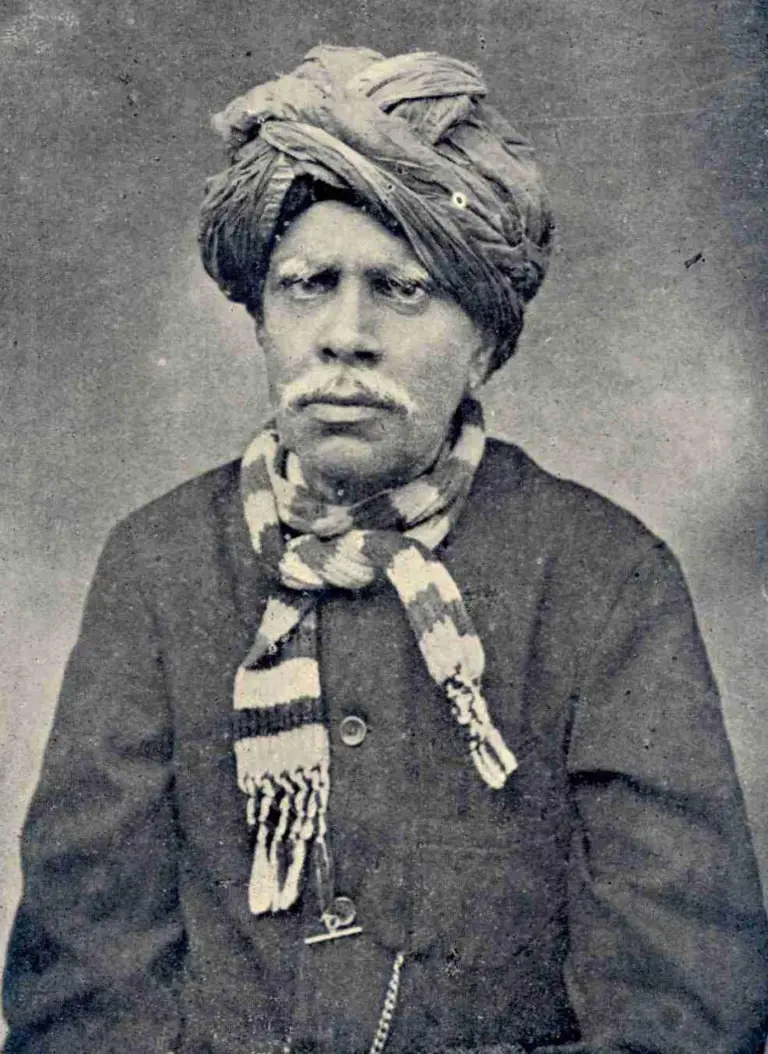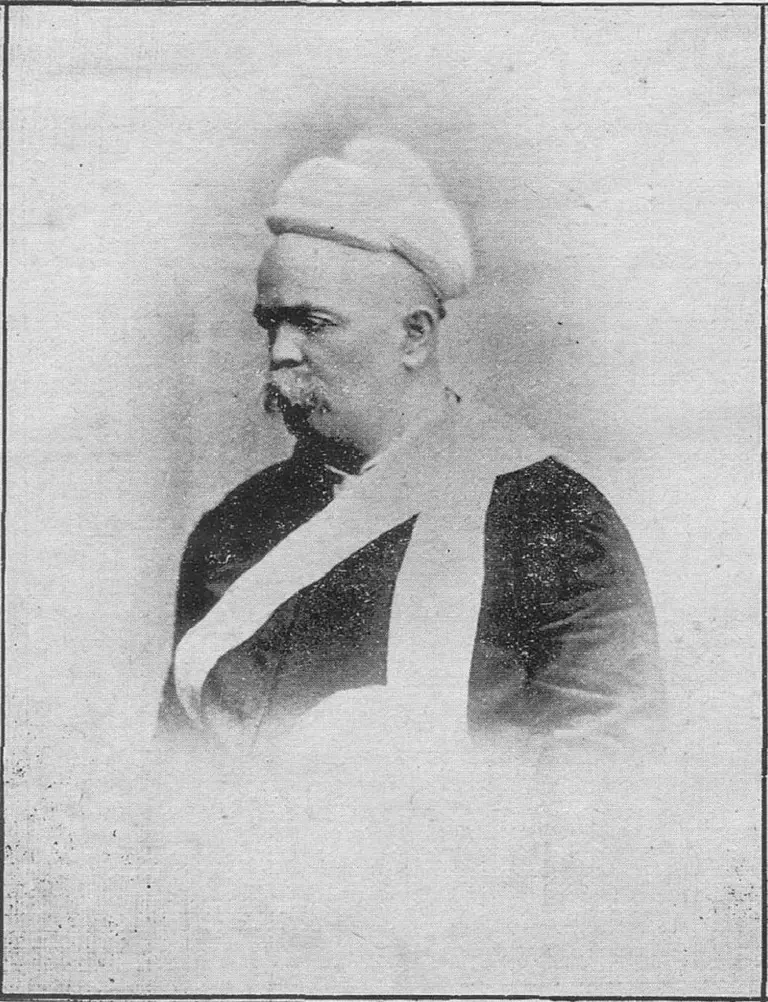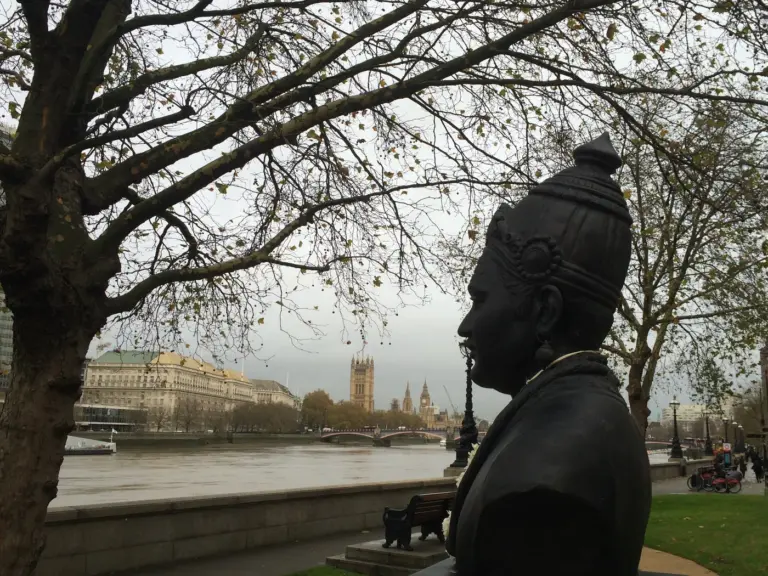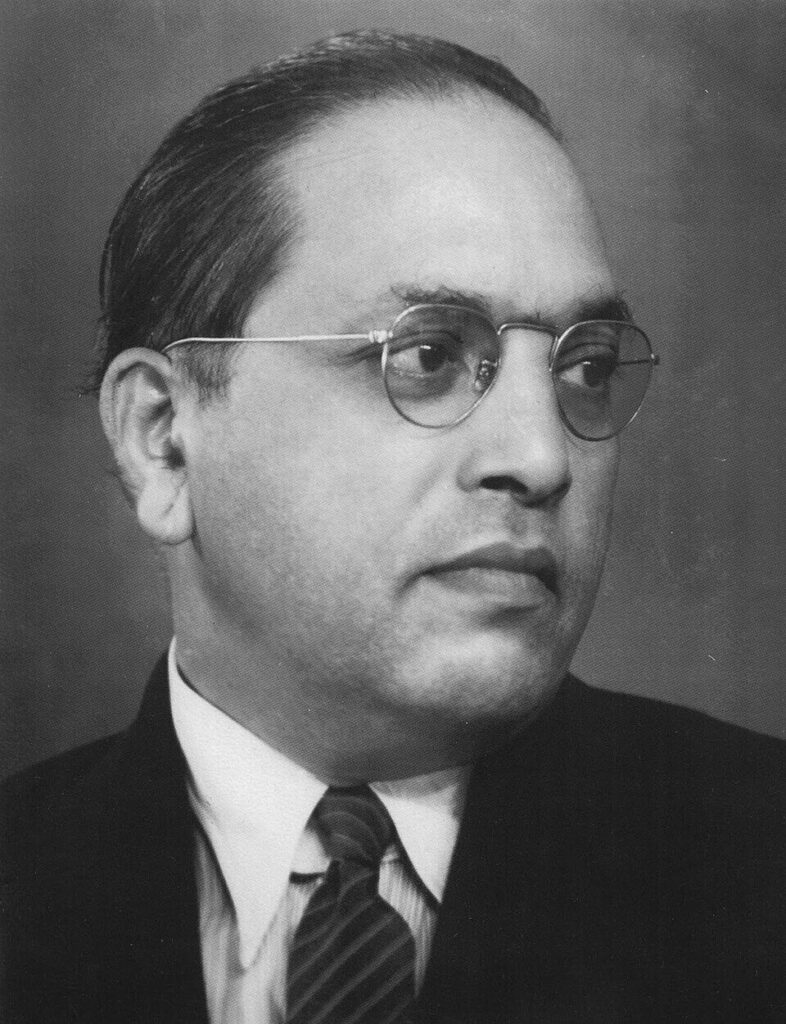
Ambedkar’s philosophy is the most rigorous moral and constitutional system that emerged from twentieth-century India, and arguably the most consequential for the Indian Republic. Bhimrao Ramji Ambedkar (1891–1956) was an economist trained at Columbia and the London School of Economics, a constitutional lawyer, the chairman of the drafting committee of the Indian Constitution, the architect of the Hindu Code Bill, and finally a religious thinker who founded Navayana Buddhism in 1956. Ambedkar’s philosophy spans social theory (the critique of caste), political theory (the doctrine of social democracy and constitutional morality), economics (the Problem of the Rupee, water and electricity policy), and ethics (Dhamma in The Buddha and His Dhamma).
For a UPSC aspirant, Ambedkar’s philosophy is not optional reading. It runs through GS-I (modern India, social reformers), GS-II (constitution, federalism, social justice), GS-III (Indian economy, water resources), and GS-IV (foundational values, constitutional morality). The Indian Republic in its working parts is Ambedkar’s drafting committee report turned into national life.
The critique of caste
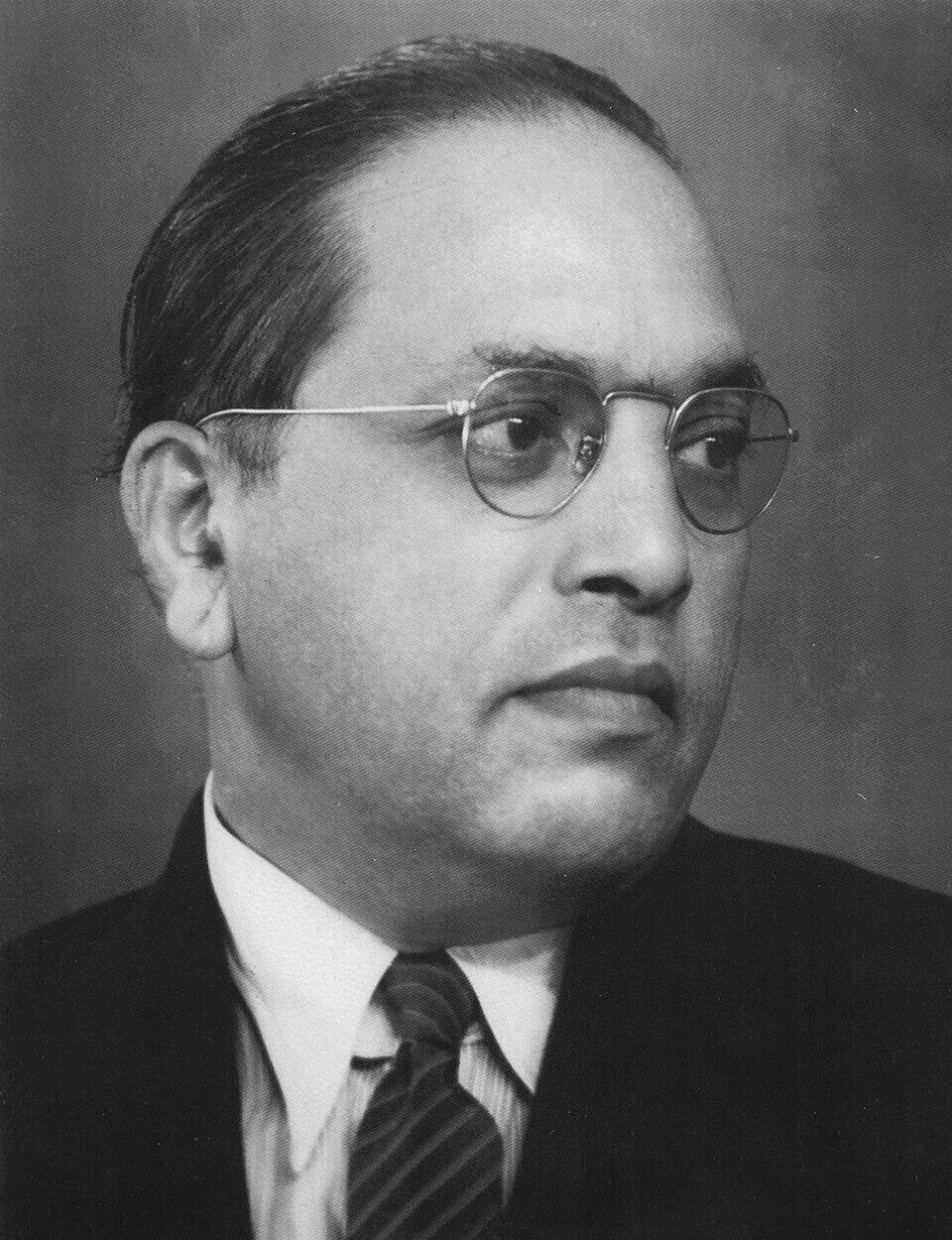
Ambedkar’s most influential text, Annihilation of Caste (1936), began as an undelivered presidential address for the Jat-Pat Todak Mandal in Lahore. The organisers withdrew the invitation when they read the draft. Ambedkar published it himself. The argument is uncompromising: caste is not a division of labour, it is a division of labourers; it is not merely a feature of Hindu society, it is the organising principle of Hindu society; and it cannot be reformed because the shastras and the smritis are its foundation. Caste must therefore be annihilated, and the only intellectual route is to dynamite the religious authority that sustains it.
This is the part of Ambedkar’s philosophy that Gandhi could not accept. Gandhi believed Varnashrama as an ideal of duty-bound labour could be saved by abolishing untouchability and inter-dining barriers; Ambedkar argued that Varna was the disease, not the cure. The 1932 Poona Pact, which replaced separate electorates for the Depressed Classes with reserved seats inside the general electorate, remains the constitutional sediment of that disagreement. Read alongside Gandhian philosophy, Ambedkar’s critique sharpens both thinkers rather than diminishing either.
Why caste resists reform
Ambedkar’s diagnosis is structural. Endogamy seals each caste off as a closed reproductive unit. Hereditary occupation locks economic life into the same compartments. Religious sanction blesses the arrangement as cosmic order. Reform of one feature without the others, he argued, leaves the system intact. This structural argument continues to organise debates on caste data in the census, sub-classification of Scheduled Castes, and reservation policy.
Social democracy and constitutional morality
Ambedkar’s most quoted speech is his closing address to the Constituent Assembly on 25 November 1949. Two warnings from it have become canonical in Indian constitutional thought.
First warning: “On the 26th of January 1950, we are going to enter into a life of contradictions. In politics we will have equality and in social and economic life we will have inequality.” Political democracy without social democracy is a building on a foundation of dung. Social democracy, Ambedkar said, “means a way of life which recognizes liberty, equality and fraternity as the principles of life.” Of the three, he warned, fraternity was the most difficult and the most important — because without fraternity, liberty and equality become “no deeper than coats of paint.”
Second warning: “Democracy in India is only a top-dressing on an Indian soil which is essentially undemocratic.” Indians had to learn constitutional morality — the habit of resolving disputes by reasoned argument within constitutional forms, not by hero-worship, not by direct action, not by bhakti (devotion) in politics, which he called “a sure road to degradation and to eventual dictatorship.”
Constitutional morality in practice
Constitutional morality has become the most invoked Ambedkarite phrase in contemporary jurisprudence — from Navtej Singh Johar (decriminalising consensual same-sex relations) to Indian Young Lawyers Association (Sabarimala) to Joseph Shine (decriminalising adultery). The phrase asks judges, legislators, and citizens to subordinate majoritarian sentiment to the inner morality of the Constitution.
States and Minorities
Submitted to the Constituent Assembly in March 1947, States and Minorities is Ambedkar’s blueprint for the constitution of a “United States of India.” It is the most under-read of his major works and contains his clearest economic philosophy. Three planks stand out.
First, state socialism in basic industries and agriculture — Ambedkar wanted key industries owned by the state and agricultural land collectively cultivated under state direction, with shares distributed to former owners. Second, state insurance as a substitute for private life insurance. Third, constitutional protection for these economic provisions so that a political majority could not undo them.
History took a different route on the economic provisions, but the document remains essential for understanding Ambedkar as a social economist — a constitutionalist who understood that without economic security, political rights are paper.
The Problem of the Rupee and economic thought
Ambedkar’s doctoral thesis at the London School of Economics, The Problem of the Rupee: Its Origin and Its Solution (1923), is a technical study of Indian currency policy. Behind the monetary economics is a political claim: the gold-exchange standard imposed by the colonial Royal Commission served imperial commerce, not Indian agriculture. Ambedkar argued for a gold standard with rupee convertibility, exposing the inflation risks of the existing system.
The thesis directly influenced the establishment of the Reserve Bank of India in 1935. Ambedkar’s evidence before the Hilton-Young Commission shaped the founding architecture of India’s central bank — a fact rarely included in the standard economics textbook.
Water and electricity policy
As a member of the Viceroy’s Executive Council (Labour, 1942–46), Ambedkar laid the foundations of independent India’s water and electricity policy. He chaired the meetings that conceived the Damodar Valley Project (modelled on the Tennessee Valley Authority), the Hirakud project, and the Central Water Commission and Central Electricity Authority. His insistence on multi-purpose river valley projects, integrated water resource management, and electricity as a public good shaped India’s first two five-year plans.
This is the Ambedkar least visible in popular memory and most important for GS-III answers on river-linking, federalism over water, and the National Water Policy debates.
Women’s rights and the Hindu Code Bill
Ambedkar’s philosophy treats women’s emancipation as the test of social democracy. As Law Minister, he drafted and championed the Hindu Code Bill — a single comprehensive reform of Hindu personal law covering marriage (monogamy, divorce rights), inheritance (daughters’ equal shares), guardianship, adoption, and maintenance. When the Bill was diluted and finally stalled by orthodox opposition in 1951, Ambedkar resigned from the Cabinet. He told Parliament he could not accept staying in a government that would not enact “even a small grain of dust” of the reform.
The Bill was later passed in fragments — the Hindu Marriage Act 1955, the Hindu Succession Act 1956, the Hindu Minority and Guardianship Act 1956, the Hindu Adoptions and Maintenance Act 1956. Each carries Ambedkar’s imprint. The 2005 amendment to the Succession Act, giving daughters equal coparcenary rights, finally delivered what he had drafted half a century earlier.
Navayana Buddhism and Dhamma
On 14 October 1956, at Deekshabhoomi in Nagpur, Ambedkar publicly embraced Buddhism along with nearly half a million followers. He had been studying Buddhism for thirty years and announced as early as 1935 at Yeola: “I was born a Hindu, but I will not die a Hindu.” His final book, The Buddha and His Dhamma (published posthumously, 1957), reconstructs Buddhism around social ethics rather than metaphysics — what scholars now call Navayana (new vehicle).
Ambedkar’s Dhamma rests on three pillars: prajna (wisdom, replacing superstition), karuna (compassion, replacing brutality), and samata (equality, replacing hierarchy). He set out the 22 vows at Deekshabhoomi — including renunciation of Brahma-Vishnu-Mahesh worship, of caste discrimination, and a commitment to the Panchsheel. Navayana is not quietist. It is a religion of social action grounded in rational morality.
Comparing Ambedkar with other ethical traditions
Ambedkar’s social democracy resonates with Rawls’s theory of justice in privileging the worst-off (Antyodaya, in Gandhi’s vocabulary), but Ambedkar grounds it in caste-specific structural analysis rather than the veil of ignorance. His procedural and rights-based reasoning has Kantian elements — see Kant’s deontology — but he is impatient with abstract universalism that ignores caste. He rejects the felicific calculus of Benthamite utilitarianism, arguing that adding up satisfactions across castes hides domination. His sharpest disagreement is with Savarkar’s Hindutva philosophy and aspects of Gandhian thought that he saw as soft on caste. His admiration for Tagore was qualified — universalism without caste-realism, he felt, was incomplete.
Contemporary relevance
Ambedkar’s philosophy structures contemporary debates on sub-classification of Scheduled Castes, the demand for caste census, the Maratha and Patel reservation cases, electoral bonds and corporate funding, federal fiscal architecture (15th Finance Commission), the river-linking project, and personal-law reform. Constitutional morality has become the working idiom of the higher judiciary. Among women constitutional figures, Sucheta Kripalani and Hansa Mehta took different routes but shared the Ambedkar premise that the Republic needed women in its drafting room, not only its kitchen.
Frequently Asked Questions
What is the core argument of Annihilation of Caste?
That caste is the organising principle of Hindu society, sanctioned by its shastras, and cannot be reformed piecemeal. The only intellectually honest route is to dismantle the religious authority that sustains caste, not merely to abolish untouchability or inter-caste marriage bans.
What did Ambedkar mean by social democracy?
A way of life that recognises liberty, equality, and fraternity as inseparable principles. Political democracy without social democracy, he warned, is a building on a foundation of dung — formal equality at the ballot box cannot survive social and economic inequality outside it.
What is constitutional morality?
The habit of citizens, judges, and legislators of resolving disputes by reasoned argument within constitutional forms rather than by hero-worship, majoritarian sentiment, or street action. Ambedkar warned the Constituent Assembly that Indian soil was u0022essentially undemocraticu0022 and needed this habit cultivated.
What is Navayana Buddhism?
The reconstructed Buddhism Ambedkar formally adopted on 14 October 1956 at Nagpur, set out in The Buddha and His Dhamma. It rests on prajna (wisdom), karuna (compassion), and samata (equality), and treats Buddhism as a rational social ethic rather than a metaphysical doctrine.
What is the significance of States and Minorities?
A 1947 memorandum to the Constituent Assembly that contains Ambedkar’s most detailed economic vision: state ownership of basic industries, collective agriculture under state direction, state insurance, and constitutional protection for these provisions so that political majorities cannot undo them.
How did Ambedkar contribute to India’s central bank and water policy?
His doctoral thesis The Problem of the Rupee (1923) influenced the Hilton-Young Commission and the founding of the Reserve Bank of India in 1935. As Member for Labour (1942–46), he laid the foundations of the Damodar Valley Corporation, Central Water Commission, and Central Electricity Authority.
Why did Ambedkar resign from Nehru’s Cabinet?
He resigned in September 1951 after the Hindu Code Bill — his comprehensive reform of Hindu personal law on marriage, divorce, inheritance, adoption, and maintenance — was diluted and stalled. He told Parliament he could not stay in a government unwilling to enact even a grain of the reform.
Why does Ambedkar’s philosophy matter for UPSC?
It is the intellectual scaffolding of the Indian Constitution and Republic. From constitutional morality in judicial reasoning to sub-classification of Scheduled Castes, water federalism, gender justice, and reservation policy, Ambedkar’s philosophy supplies the working concepts used across GS-I, GS-II, GS-III and GS-IV.
Tell Google you want more of this.
Add Anantam IAS as a preferred sourceOne tap, and this site shows up more often in your own Top Stories, AI Overviews and AI Mode. Remove it any time.