India’s development projects abroad are the working currency of its neighbourhood diplomacy. Beyond the formal architecture of treaties and summit declarations, it is hospitals, schools, dams, roads, courts, and training institutes built with Indian assistance that shape how partner countries experience India on the ground. Four projects in particular — the Mangdechhu Hydroelectric Project in Bhutan, the restoration of the Stor Palace in Afghanistan, the Dickoya Hospital in Sri Lanka, and the National College of Policing and Law Enforcement (and related institutions) in the Maldives — illustrate the range and depth of India’s developmental partnerships in its immediate neighbourhood.
This guide profiles each project, identifies the partner country and the implementing arrangements, and places the projects within the wider framework of India’s development cooperation.
Mangdechhu Hydroelectric Project — Bhutan
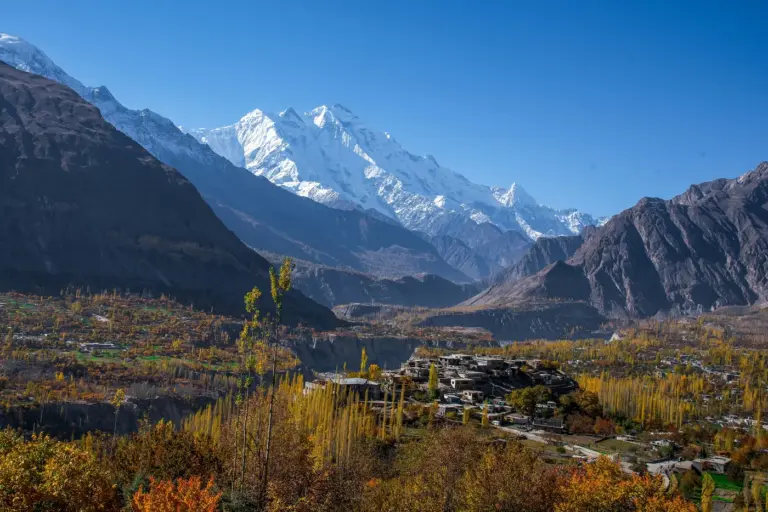
The 720 MW Mangdechhu Hydroelectric Project is one of the flagship India-Bhutan inter-governmental cooperation projects. Built on the Mangdechhu river in Trongsa Dzongkhag of central Bhutan, the project was constructed by the Mangdechhu Hydroelectric Project Authority — a joint Indo-Bhutanese entity — and was commissioned in 2019, with formal inauguration by the Prime Ministers of India and Bhutan.
Financing
The project was financed by the Government of India on a grant-and-loan basis (typically 30 per cent grant and 70 per cent loan), in line with the long-standing India-Bhutan hydropower cooperation model.
Significance
Mangdechhu is the centrepiece of Bhutan’s energy economy. Surplus power is exported to India under power purchase agreements. The project earned the Brunel Medal of the Institution of Civil Engineers in 2020 — a major international recognition. Mangdechhu represents the working model of Indo-Bhutan hydropower cooperation, alongside earlier projects like Chukha, Kurichhu, and Tala, and forthcoming projects like Punatsangchhu I and II and Sankosh.
Stor Palace Restoration — Afghanistan
The Stor Palace (also spelled “Storay Palace”) in Kabul is a historic building that was once the centre of Afghanistan’s foreign affairs and royal protocol. Damaged during decades of conflict, it was restored by India under the Indian-Afghan partnership and inaugurated by the Prime Ministers of the two countries in August 2016.
Scope
The restoration was undertaken by India’s Aga Khan Trust for Culture in partnership with the Government of Afghanistan and supported by India, restoring the Palace to function as a venue for high-level state ceremonies and as a symbol of Afghan heritage.
Significance
The Stor Palace restoration is part of a broader India-Afghan development partnership that included the Salma Dam (renamed Afghan-India Friendship Dam) in Herat province, the Afghan Parliament building in Kabul, the Zaranj-Delaram highway, scholarships for Afghan students, and capacity-building in various sectors. Even as the operational context in Afghanistan has changed substantially, these projects remain markers of long-term Indian engagement.
Dickoya Hospital — Sri Lanka
The Dickoya Hospital, located in the central highlands of Sri Lanka in the predominantly Indian-origin Tamil plantation belt of Nuwara Eliya district, was renovated and re-equipped with Indian assistance. Inaugurated by the Prime Ministers of India and Sri Lanka in 2017, it is a key healthcare facility for the estate community.
Background
The estate sector in central Sri Lanka — the descendants of Indian-origin Tamil workers brought to the highland tea plantations from the nineteenth century onwards — has historically had lower social indicators than the rest of the country. The Dickoya Hospital project addresses healthcare needs of this community and reflects India’s commitment to the welfare of the Indian-origin Tamil population in Sri Lanka.
Wider India-Sri Lanka projects
The Dickoya Hospital is part of a portfolio that includes the Indian Housing Project (in the north, east, and central highlands), the Mannar wind power project, emergency ambulance services, rail and port projects, and a long-running line-of-credit pipeline.
Maldives — Institute of Security Studies and Training
India and the Maldives have a long-running development partnership in the security, education, and infrastructure sectors. Two related initiatives are sometimes referred to together:
National College of Policing and Law Enforcement, Maldives
India assisted in setting up training capabilities for the Maldives Police Service, with infrastructure and curriculum support, in line with the long-running India-Maldives police cooperation. India has been the lead trainer for the Maldives security establishment for decades.
Coastal Radar System and Composite Training Centre
Under the broader umbrella of the Maldives National Defence Force, India has provided coastal radar stations, training assets, and a composite training facility. The “Maldives Institute of Security and Law” reference covers this institutional cooperation, including law enforcement training, coastal surveillance, and defence capacity-building.
Wider partnership
India is the Maldives’ principal partner in healthcare (the Indira Gandhi Memorial Hospital in Male was built with Indian assistance), in higher education (scholarships, capacity-building), and increasingly in connectivity (the Greater Male Connectivity Project linking Male with three neighbouring islands).
How These Projects Fit Together
India’s development assistance abroad runs through several channels:
- The Ministry of External Affairs’ Development Partnership Administration (DPA), which coordinates grant projects, lines of credit, and capacity-building
- The Indian Technical and Economic Cooperation (ITEC) programme for training
- Lines of credit extended through the Exim Bank of India
- Project execution by Indian public sector undertakings, joint ventures, or partner-country agencies
The mix of grant and loan, the choice of executing agencies, and the political signalling of inaugurations are all elements of how India calibrates its development partnerships.
For wider context, see the parliamentary committee overview, the Madurai airport gets international status update, and the Bangladesh Foreign Minister Delhi Visit April 2026 explainer for related diplomatic context.
Why These Projects Matter
Each project tells a different story about India’s neighbourhood. Mangdechhu shows the long-term Indo-Bhutan hydropower partnership. Stor Palace illustrates India’s investment in cultural and institutional rebuilding in Afghanistan. Dickoya shows India’s commitment to the welfare of the Indian-origin community in Sri Lanka. The Maldives partnership shows the security, healthcare, and connectivity ecosystem India has built up. Taken together, they make a clear point: India’s neighbourhood diplomacy is built on a steady drumbeat of completed projects, not just declarations.
FAQs
What is the capacity of the Mangdechhu Hydroelectric Project?
Mangdechhu is a 720 MW hydroelectric project on the Mangdechhu river in central Bhutan, commissioned in 2019.
Who built the Mangdechhu Hydroelectric Project?
It was built by the Mangdechhu Hydroelectric Project Authority, a joint Indo-Bhutanese entity, with financing from the Government of India.
What is the Stor Palace in Afghanistan?
The Stor Palace is a historic palace in Kabul restored with Indian assistance and inaugurated in 2016, used as a venue for high-level state ceremonies and as a symbol of Afghan heritage.
Who implemented the Stor Palace restoration?
The restoration was implemented by the Aga Khan Trust for Culture in partnership with the Government of Afghanistan, with Indian support.
Where is the Dickoya Hospital located?
Dickoya Hospital is located in the central highlands of Sri Lanka in Nuwara Eliya district, serving the predominantly Indian-origin Tamil estate community.
When was Dickoya Hospital inaugurated after Indian renovation?
The renovated and re-equipped Dickoya Hospital was inaugurated by the Prime Ministers of India and Sri Lanka in 2017.
What is India’s role in security training in the Maldives?
India has assisted the Maldives in setting up policing, law enforcement, and defence training infrastructure, including the National College of Policing and Law Enforcement, coastal radar systems, and composite training facilities.
Through which agency does India coordinate development projects abroad?
The Development Partnership Administration (DPA) under the Ministry of External Affairs coordinates India’s grant projects, lines of credit, and capacity-building programmes for partner countries.
Tell Google you want more of this.
Add Anantam IAS as a preferred sourceOne tap, and this site shows up more often in your own Top Stories, AI Overviews and AI Mode. Remove it any time.