New Zealand gave Indian goods 100 percent duty-free access. India excluded dairy entirely. For a country whose single largest export interest is dairy, agreeing to that is remarkable, and it makes the 2026 agreement the most instructive trade outcome India has negotiated in recent years.
India-New Zealand relations were elevated to a Strategic Partnership after the Indian Prime Minister’s visit to Auckland in July 2026, the first in 40 years, guided by the Roadmap to 2030 and underpinned by the free trade agreement signed in April 2026.
Why New Zealand Matters to India
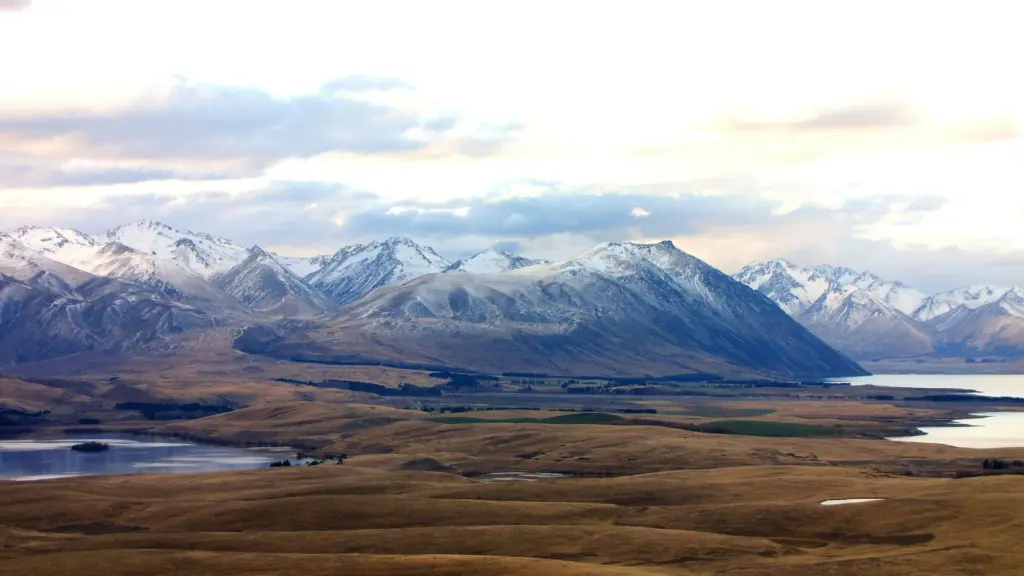
- Pacific and Act East anchoring. A strategic footprint in the South Pacific, complementing partnerships with Australia, ASEAN and Pacific Island Forum nations.
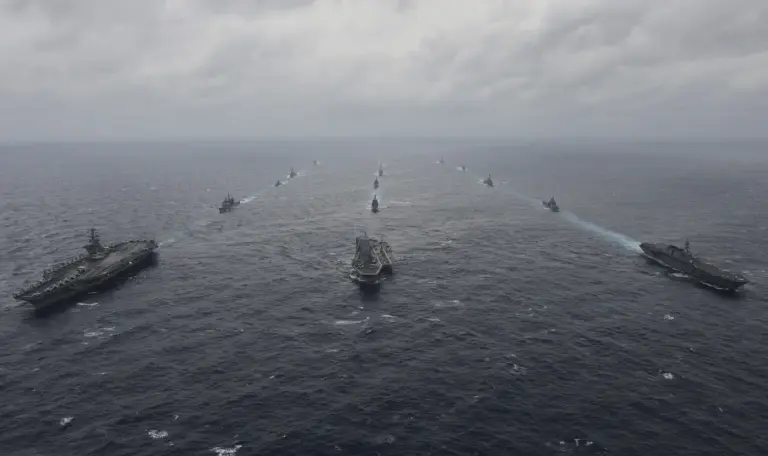
- Indo-Pacific maritime alignment. Shared commitment under UNCLOS 1982 to freedom of navigation, overflight and maritime security, with New Zealand joining India’s Indo-Pacific Oceans Initiative to lead maritime security pillars.
- Agri-technology and food security. Access to world-class kiwifruit, apple, dairy, animal husbandry and post-harvest logistics technology, without exposing small farmers to tariff shocks.
- Global governance alignment. Consistent support for India’s permanent UN Security Council candidacy and for Indian entry into the Nuclear Suppliers Group.
The Trade Architecture
What India got. One hundred percent duty-free access on entry into force, covering textiles, leather, pharmaceuticals, engineering goods and auto parts. These are employment-intensive sectors, which is where trade access does the most domestic good.
What India gave. Calibrated liberalisation on about 70 percent of tariff lines.
What India kept. Full exclusion of dairy including milk, cheese and butter, plus sugar, edible oils, spices and key vegetables. Apples, kiwifruit and honey enter only under tariff-rate quotas and minimum import prices.
Investment and services. New Zealand has committed to facilitate about USD 20 billion of investment into India over 15 years. The agreement covers 118 service sub-sectors, with temporary employment pathways for 5,000 Indian professionals and post-study work opportunities.
The target. Doubling total goods and services trade to about NZ 7 billion dollars by 2030.
Why the Dairy Exclusion Matters
This is worth dwelling on because it is the analytically interesting part.
New Zealand is the world’s largest dairy exporter. Dairy access is its principal offensive interest in every trade negotiation it enters, and it has walked away from deals over it. India’s dairy sector rests on tens of millions of small and marginal producers averaging a handful of animals each, operating through cooperative structures that could not absorb competition from the world’s lowest-cost producer.
India excluded it completely and still concluded the agreement. That tells you two things: that New Zealand valued Indian market scale and Indo-Pacific alignment more than dairy access, and that India’s negotiators were willing to hold the line on a defensive interest rather than trade it for headline coverage.
The tariff-rate quota mechanism on apples, kiwifruit and honey is the model to note. It permits enough imports to satisfy the partner and support consumer choice, while capping volume and setting price floors so domestic growers in Himachal Pradesh, Jammu and Kashmir and Uttarakhand are not undercut.
Defence and Security
A Defence Cooperation Arrangement and a Mutual Logistics Support Arrangement focused on the maritime domain. Coordinated security operations under Combined Task Force-150 in the Western Indian Ocean, supplemented by hydrographic surveys, counter-narcotics coordination and search and rescue. Counter-terrorism information sharing targets cross-border terrorism, radicalisation and UN-designated entities.
The institutional layer is substantial for a relationship of this size: annual leadership summits, a Foreign Ministers’ Dialogue, a Defence Strategic Dialogue, a Joint Working Group on Counter-Terrorism and an annual Maritime Security Dialogue.
Agri-Technology Partnership
Joint Agricultural Productivity Partnerships operate through Centres of Excellence supplying advanced planting materials, sustainable beekeeping techniques, orchard management and cold-chain logistics for apples, kiwifruit and forestry, alongside knowledge transfer in livestock productivity, genetics and sustainable animal husbandry.
This is the neat resolution of the dairy problem. India excluded dairy products while importing dairy technology. Protection on the border, learning behind it.
The Honest Limits
- Small absolute size. Even doubled, NZ 7 billion dollars is modest against India’s other partnerships.
- Distance and connectivity. Limited direct links constrain both trade and people movement.
- Diaspora politics. Domestic political sensitivities in New Zealand around migration periodically affect the relationship.
- Implementation. A 15-year investment facilitation commitment is a statement of intent rather than a binding flow.
The Way Forward
- Use the FTA template in negotiations with other agricultural exporters, since the exclusion plus TRQ structure worked.
- Convert the investment facilitation commitment into identified project pipelines.
- Scale agri-technology Centres of Excellence into horticulture states that need cold chain most.
- Operationalise the 5,000-professional mobility pathway quickly, since mobility provisions decay when unused.
- Deepen Pacific Island engagement using New Zealand’s regional standing as a bridge.
Frequently Asked Questions
What is the current status of India-New Zealand relations?
A Strategic Partnership, elevated following the Indian Prime Minister’s visit to Auckland in July 2026, the first such visit in 40 years. It is guided by the India-New Zealand Strategic Partnership Roadmap to 2030 and supported by the free trade agreement signed in April 2026.
What does the India-New Zealand FTA provide?
One hundred percent duty-free market access for Indian goods entering New Zealand on entry into force, covering textiles, leather, pharmaceuticals, engineering goods and auto parts. In return India offered calibrated liberalisation on about 70 percent of tariff lines.
Which sectors did India protect in the FTA?
India fully excluded dairy including milk, cheese and butter, along with sugar, edible oils, spices and key vegetables. Limited concessions on apples, kiwifruit and honey are managed through tariff-rate quotas and minimum import prices.
Why is dairy exclusion significant?
New Zealand is the world’s largest dairy exporter and dairy access is its principal offensive interest in any trade negotiation. India’s dairy sector supports tens of millions of small and marginal producers who could not withstand that competition. Excluding dairy entirely, while still concluding the agreement, is the clearest evidence of India’s negotiating leverage.
What investment commitments accompany the agreement?
New Zealand has committed to facilitate about USD 20 billion of investment into India over 15 years. The agreement also secures market access across 118 service sub-sectors and establishes temporary employment pathways for 5,000 Indian professionals along with post-study work opportunities.
What are the bilateral trade targets?
To double total trade in goods and services to about NZ 7 billion dollars by 2030.
What defence cooperation exists?
A Defence Cooperation Arrangement and a Mutual Logistics Support Arrangement focused on the maritime domain, coordinated operations under Combined Task Force-150 in the Western Indian Ocean, hydrographic surveys, counter-narcotics coordination, search and rescue, and counter-terrorism information sharing.
How does New Zealand support India multilaterally?
It consistently supports India’s candidacy for a permanent seat on a reformed UN Security Council and endorses India’s entry into the Nuclear Suppliers Group. New Zealand has also joined India’s Indo-Pacific Oceans Initiative to lead maritime security pillars.
Practice Questions
Prelims MCQs
- The India-New Zealand Free Trade Agreement was signed in
(a) April 2024
(b) October 2025
(c) April 2026
(d) July 2026
Answer: (c) The FTA was signed in April 2026; the Prime Minister's Auckland visit and Strategic Partnership elevation followed in July 2026. - Under the FTA, Indian goods entering New Zealand receive
(a) Preferential access on 70 percent of lines
(b) 100 percent duty-free market access
(c) Quota-based access only
(d) Access limited to pharmaceuticals
Answer: (b) New Zealand granted full duty-free access to Indian goods on entry into force. - Which of the following was fully excluded by India from the FTA?
(a) Textiles
(b) Dairy products
(c) Auto parts
(d) Pharmaceuticals
Answer: (b) India fully excluded dairy, along with sugar, edible oils, spices and key vegetables. - Apples, kiwifruit and honey concessions are managed through
(a) Full liberalisation
(b) Tariff-rate quotas and minimum import prices
(c) An outright ban
(d) Anti-dumping duties
Answer: (b) TRQs and minimum import prices cap the volume and price at which these enter, limiting exposure for Indian growers. - Combined Task Force-150 operates primarily in the
(a) South China Sea
(b) Western Indian Ocean
(c) Mediterranean
(d) South Pacific
Answer: (b) CTF-150 conducts maritime security operations in the Western Indian Ocean, where India and New Zealand coordinate.
Mains Questions
- The India-New Zealand FTA shows that full market access can be secured while protecting sensitive sectors. Examine the negotiating conditions that made this possible. (250 words)
- Dairy exclusion in trade agreements protects small producers at the cost of consumer prices and export reciprocity. Critically evaluate. (250 words)
- Discuss New Zealand's place in India's Indo-Pacific and Pacific Island engagement. (150 words)
- Evaluate agri-technology partnerships as a form of development cooperation between India and New Zealand. (150 words)
- Assess the significance of services and mobility provisions in India's recent free trade agreements. (250 words)
Tell Google you want more of this.
Add Anantam IAS as a preferred sourceOne tap, and this site shows up more often in your own Top Stories, AI Overviews and AI Mode. Remove it any time.