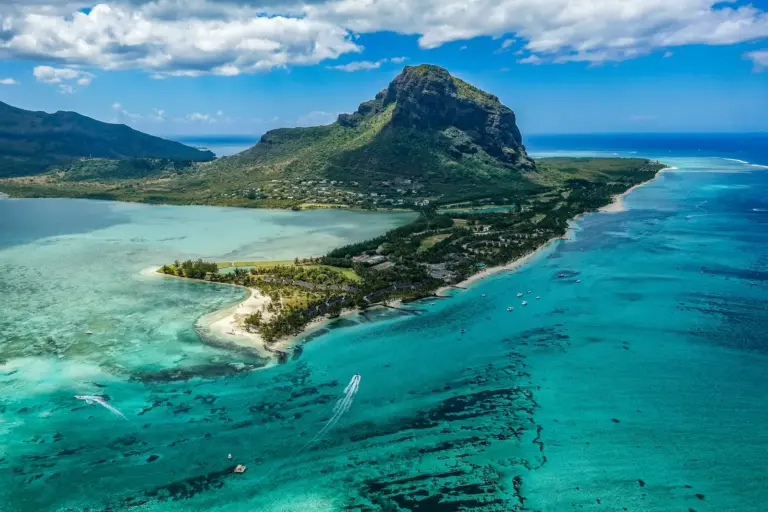
Great Nicobar and Aceh are close enough that India and Indonesia are maritime neighbours without sharing a land border. Everything strategically important in India-Indonesia relations follows from that fact and from what sits between them: the Malacca Strait, through which a large share of global trade and India’s own energy imports pass.
The two largest democracies of the Indo-Pacific upgraded to a Comprehensive Strategic Partnership in 2018, structured around the Shared Vision of India-Indonesia Maritime Cooperation and alignment between India’s Indo-Pacific Oceans Initiative and the ASEAN Outlook on the Indo-Pacific.
Why Indonesia Matters
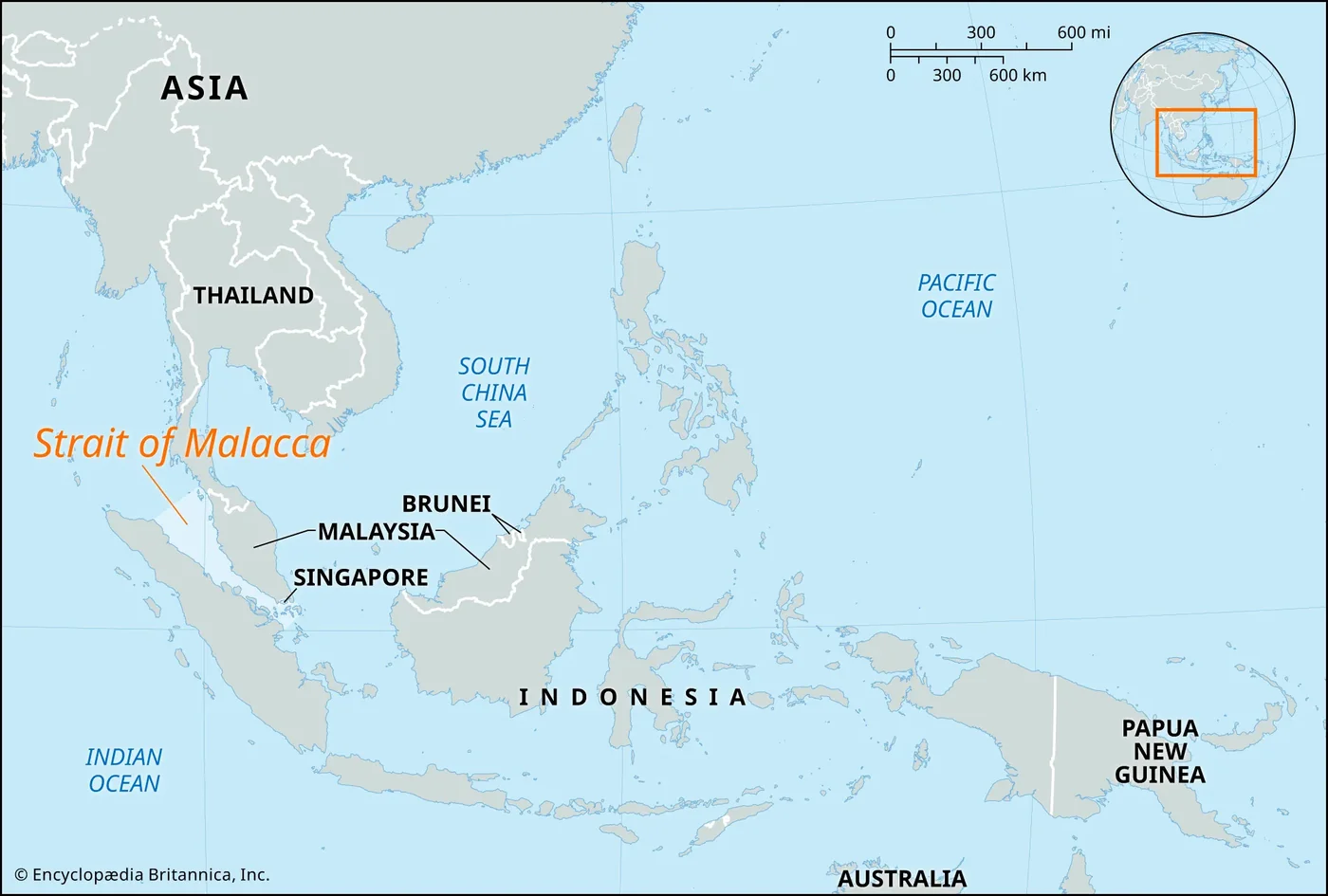
- Anchor of Act East and ASEAN centrality. Indonesia’s geographic, economic and demographic scale makes it the linchpin of Indian engagement with ASEAN.
- Control over chokepoints. Indonesia sits astride the Malacca, Sunda and Lombok Straits, essential for energy transit, naval mobility and counter-piracy.
- Defence export market. A primary market for Indian defence hardware, notably the BrahMos system, which builds regional deterrence capability.
- Critical mineral hub. The world’s largest nickel producer, with rich bauxite and tin reserves, which makes Jakarta essential to India’s electric mobility and semiconductor ambitions.
Maritime Security and Infrastructure
Sabang Port. Collaborative development of the port in Aceh, covering connectivity, shipbuilding and logistics near the mouth of the Malacca Strait. The strategic logic is straightforward: a commercial presence at a chokepoint is worth more than a declaration about freedom of navigation.
Andaman-Aceh connectivity. A Joint Task Force institutionalises links between Port Blair and Banda Aceh for trade, cruise tourism and maritime infrastructure.
Coast guard and naval interoperability. Operational arrangements between BAKAMLA, Indonesia’s maritime security agency, and the Indian Coast Guard cover joint patrols, hydrographic surveys and exchanges through the Information Fusion Centre-Indian Ocean Region.
Defence Cooperation
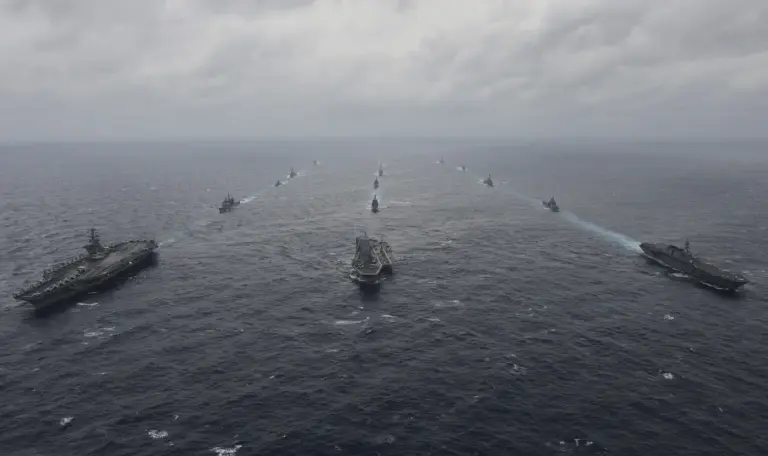
Agreements target supply of the BrahMos missile system and air-to-air missile platforms. Institutionalised drills include Ex-Samudra Shakti between navies and Ex-Garuda Shakti between armies, alongside Coordinated Patrols.
Defence exports to Indonesia carry a specific meaning. Selling a supersonic cruise missile to the largest ASEAN state signals Indian industrial capability to the whole region in a way that a sale to a smaller partner would not.
Trade and Critical Minerals
Trade stands at about USD 28 billion, making Indonesia India’s second-largest ASEAN trade partner. The composition is the problem: India imports crude palm oil, coal and nickel, and exports petroleum products, engineering goods and pharmaceuticals. Both sides are essentially trading commodities and refined commodities.
Critical mineral integration is the correction being attempted, through joint venture frameworks for extraction, processing and value addition in nickel, bauxite and rare earths.
The nickel relationship deserves careful reading. Indonesia has restricted raw ore exports in order to force downstream processing onshore, which is a deliberate industrial strategy. India therefore cannot simply buy ore; it has to invest in Indonesian processing or buy processed material. That is a stronger negotiating position for Jakarta than most coverage acknowledges.
Digital and Financial Integration
Indonesia has adopted Indian digital public infrastructure concepts, including adapting the Open Network for Digital Commerce architecture for Indonesian MSMEs. Cross-border QR payment linkage through UPI and QRIS harmonisation is progressing, which would ease trade, student mobility and tourism.
DPI export is one of the few areas where India offers something no other partner can, and Indonesia is the largest adopter to date.
Civilisational Links
Deep connections through Hindu-Buddhist traditions, the Ramayana and Mahabharata cultural footprint, and historic trade routes commemorated in Odisha’s Bali Yatra. The relationship traces diplomatically to the 1955 Bandung Conference, and is reinforced by joint conservation at the Prambanan Temple Compounds in Yogyakarta.
The Honest Constraints
- Commodity-dependent trade that grows in value without deepening in complexity
- Indonesian downstreaming policy, which limits raw material access and raises the cost of entry
- Limited Indian private investment relative to Japanese, Korean and Chinese presence
- Competing ASEAN priorities, since Indonesia balances multiple large partners and does not treat India as primary
The Way Forward
- Invest in Indonesian nickel processing rather than seeking ore access, which is the only route the policy allows.
- Complete Sabang Port commitments, since delivery there is disproportionately visible.
- Operationalise UPI-QRIS linkage, the cheapest high-visibility win available.
- Convert Andaman-Aceh connectivity from a task force into scheduled shipping and air links.
- Diversify exports beyond refined petroleum, which currently flatters the trade figure without building industrial depth.
Frequently Asked Questions
When were India-Indonesia relations upgraded?
To a Comprehensive Strategic Partnership in 2018. Engagement is structured around the Shared Vision of India-Indonesia Maritime Cooperation in the Indo-Pacific, and around alignment between India’s Indo-Pacific Oceans Initiative and the ASEAN Outlook on the Indo-Pacific.
Why are India and Indonesia described as maritime neighbours?
Because the Andaman and Nicobar Islands and Indonesia’s Aceh Province face each other across the Malacca Strait, separated by the Six Degree Channel. The maritime boundary is close enough that the two are direct neighbours despite having no land border.
What is the significance of Sabang Port?
Sabang, in Aceh, sits near the mouth of the Malacca Strait. Collaborative development of the port covers connectivity, shipbuilding and logistics, giving India a commercial and logistical presence at one of the world’s most important chokepoints.
What is the Andaman-Aceh connectivity initiative?
An institutionalised linkage through a Joint Task Force to build trade, cruise tourism and maritime infrastructure between Port Blair and Banda Aceh, converting geographic proximity into economic connection.
What defence cooperation exists?
Agreements targeting supply of the BrahMos missile system and air-to-air missile platforms, bilateral exercises including Ex-Samudra Shakti for navies and Ex-Garuda Shakti for armies, and Coordinated Patrols. Operational arrangements link BAKAMLA, the Indonesian maritime security agency, with the Indian Coast Guard for joint patrols, hydrographic surveys and information exchange.
How large is India-Indonesia trade?
About USD 28 billion, making Indonesia India’s second-largest trade partner in ASEAN. The composition is heavily commodity-dependent: India imports crude palm oil, coal and nickel, and exports petroleum products, engineering goods and pharmaceuticals.
Why is Indonesia critical for India’s electric mobility plans?
Indonesia is the world’s largest producer of nickel, with substantial bauxite and tin reserves. Nickel is essential for battery cathodes, which makes Indonesia central to India’s National Electric Mobility Mission and to its battery and semiconductor ambitions.
What digital cooperation exists?
Adoption of Indian digital public infrastructure concepts, including adapting the Open Network for Digital Commerce architecture for Indonesian MSMEs, and progress towards cross-border QR payment linkage through UPI and QRIS harmonisation for trade, student mobility and tourism.
Practice Questions
Prelims MCQs
- The Andaman and Nicobar Islands and Aceh Province are separated by
(a) The Nine Degree Channel
(b) The Six Degree Channel
(c) The Ten Degree Channel
(d) The Palk Strait
Answer: (b) The Six Degree Channel separates Great Nicobar from Indonesia's Aceh, making the two maritime neighbours. - Sabang Port is located in
(a) Java
(b) Aceh
(c) Sulawesi
(d) Bali
Answer: (b) Sabang is in Aceh, near the mouth of the Malacca Strait. - Ex-Garuda Shakti is a joint exercise between the armies of India and
(a) Malaysia
(b) Indonesia
(c) Thailand
(d) Vietnam
Answer: (b) Garuda Shakti is the India-Indonesia army exercise; Samudra Shakti is the naval one. - Indonesia is the world's largest producer of
(a) Bauxite
(b) Nickel
(c) Cobalt
(d) Lithium
Answer: (b) Indonesia leads global nickel production, which is critical for battery cathodes. - BAKAMLA is Indonesia's
(a) Central bank
(b) Maritime security agency
(c) Space agency
(d) Trade ministry
Answer: (b) BAKAMLA works with the Indian Coast Guard on joint patrols, hydrographic surveys and information exchange.
Mains Questions
- Geography makes India and Indonesia natural partners in the Indo-Pacific. Examine how far this potential has been realised. (250 words)
- Indonesia is central to India's critical mineral strategy for electric mobility. Discuss the opportunities and risks of this dependence. (250 words)
- Evaluate Sabang Port and Andaman-Aceh connectivity as instruments of India's Act East Policy. (150 words)
- Discuss the export of digital public infrastructure as a foreign policy instrument, with reference to Indonesia. (150 words)
- India-Indonesia trade is large but commodity-dependent. Suggest measures to diversify it. (250 words)
Tell Google you want more of this.
Add Anantam IAS as a preferred sourceOne tap, and this site shows up more often in your own Top Stories, AI Overviews and AI Mode. Remove it any time.