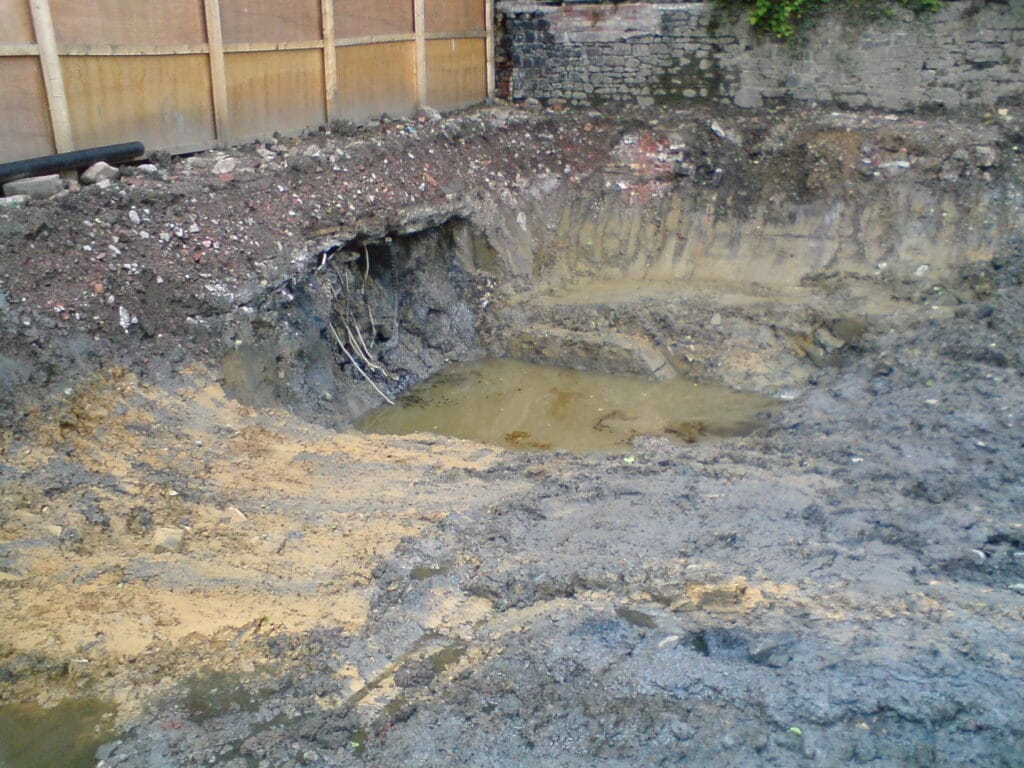
Soil pollution — also called land pollution — is the contamination of the soil with harmful chemicals, pathogens, and wastes that degrade soil quality and threaten human, animal, and plant health. While global attention focuses on air and water pollution, soil pollution is equally damaging and more persistent — contaminants can remain in soil for decades or centuries, making remediation extremely difficult.
In India, soil pollution has emerged as a serious environmental challenge — affecting food security, public health, and ecosystem stability. The Food and Agriculture Organization (FAO) estimates that approximately 33% of global soils are moderately to highly degraded, with significant pollution contributing to this degradation.
For UPSC, soil pollution is a frequently tested Environment topic — covering causes, effects, remediation, and Indian regulatory framework.
What Is Soil Pollution?
Definition
Soil pollution is the presence of toxic chemicals, contaminants, or pollutants in the soil at concentrations that:
- Pose risks to human health
- Damage ecosystems
- Reduce soil productivity
- Contaminate groundwater
Types of Soil Pollution
| Type | Source Examples |
|---|---|
| Chemical pollution | Heavy metals, pesticides, industrial chemicals |
| Biological pollution | Pathogens (bacteria, viruses, parasites) |
| Physical pollution | Plastic, construction debris, microplastics |
| Nuclear pollution | Radioactive isotopes |
| Oil pollution | Petroleum leaks, oil spills |
| Agricultural pollution | Excess fertilisers, pesticides |
Major Causes
Industrial Sources
Industrial activities are the largest contributors to soil pollution:
| Industry | Pollutants |
|---|---|
| Mining | Heavy metals (lead, mercury, cadmium, arsenic) |
| Chemical plants | Organic solvents, acids, industrial waste |
| Metal processing | Chromium, nickel, zinc |
| Refineries | Petroleum hydrocarbons |
| Power plants | Fly ash, heavy metals from coal |
| Leather tanning | Chromium compounds |
| Textile dyeing | Organic dyes, chemicals |
| Pharmaceutical | Antibiotics, solvents |
| E-waste recycling | Lead, cadmium, mercury, brominated compounds |
Agricultural Sources
- Chemical pesticides — insecticides, herbicides, fungicides
- Excessive fertiliser use — especially nitrogen and phosphorus
- Irrigation with polluted water — spreads contaminants across fields
- Animal waste accumulation — antibiotic residues, pathogens
- Intensive monoculture — depletes soil and concentrates pesticides
Urban and Residential Sources
- Municipal solid waste (landfills without proper containment)
- Sewage sludge containing heavy metals
- Construction debris and demolition waste
- E-waste dumped informally
- Plastic waste (microplastics from various sources)
- Household chemicals (paints, solvents, cleaning agents)
Transportation Sources
- Vehicle emissions depositing pollutants on soil
- Road runoff carrying oil, rubber, heavy metals
- Airplane exhaust (near airports)
- Oil and chemical spills from transport
Mining Activities
- Coal mining — acid mine drainage, coal dust
- Metal mining — heavy metal contamination
- Sand mining — disrupts soil structure
- Rare earth mining — radioactive residues
Effects of Soil Pollution
On Human Health
Soil contaminants enter the human body through:
- Food chain — contaminated vegetables and grains
- Drinking water — polluted soil contaminates groundwater
- Direct contact — children playing in contaminated soil
- Inhalation — dust particles
Health effects:
| Pollutant | Health Effect |
|---|---|
| Lead | Nervous system damage; particularly harmful to children |
| Mercury | Kidney damage, neurological disorders |
| Cadmium | Kidney disease, bone disorders |
| Arsenic | Skin diseases, cancer, cardiovascular issues |
| Pesticides | Cancer, endocrine disruption, neurological issues |
| Hexavalent chromium | Carcinogenic, respiratory problems |
| Organic pollutants (PCBs, dioxins) | Cancer, developmental issues |
On Agriculture
- Reduced crop yields in contaminated areas
- Bioaccumulation of toxins in crops
- Soil infertility over time
- Dependence on increasing chemical inputs (vicious cycle)
- Crop failure in severely polluted soils
On Ecosystems
- Loss of soil biodiversity — earthworms, microbes, fungi
- Disruption of nutrient cycling
- Contamination of groundwater as pollutants leach down
- Impacts on plant communities
- Damage to wildlife through food chain
Economic Effects
- Loss of agricultural productivity
- Healthcare costs from pollution-related illness
- Remediation costs — billions of dollars globally
- Land value decline in polluted areas
- Loss of ecosystem services
Major Soil Pollutants
Heavy Metals
| Metal | Sources | Key Impacts |
|---|---|---|
| Lead | Paint, batteries, plumbing, mining | Nervous system damage, behavioural issues in children |
| Mercury | Coal-fired plants, mining, industrial processes | Kidney, brain, reproductive damage |
| Cadmium | Batteries, mining, fertilisers | Kidney damage, "itai-itai" disease |
| Arsenic | Natural + mining, water | Cancer, skin lesions, cardiovascular disease |
| Chromium | Leather, electroplating | Lung cancer (hexavalent), skin problems |
| Nickel | Mining, batteries | Lung cancer, allergic reactions |
Pesticides and Agrochemicals
- Organochlorines (DDT, HCH) — persistent, banned but legacy
- Organophosphates (malathion, parathion) — less persistent but acutely toxic
- Pyrethroids — synthetic; less toxic to mammals
- Herbicides (glyphosate, paraquat) — weed control
Organic Pollutants
- PCBs (Polychlorinated Biphenyls) — from old transformers, industrial sources
- PAHs (Polycyclic Aromatic Hydrocarbons) — from combustion, oil
- Dioxins — from burning, chemical processes
- VOCs (Volatile Organic Compounds)
Microplastics
Emerging concern:
- Sources: Plastic waste breakdown, sewage sludge, microbeads
- Impact: Soil fertility reduction, ecosystem disruption
- Ubiquitous in contemporary soils
- Research area — long-term impacts unclear
Soil Pollution in India
Regional Hotspots
| Region | Primary Pollution Source |
|---|---|
| Sonbhadra, UP | Thermal power plants, mining |
| Korba, Chhattisgarh | Coal mining, power plants |
| Jaisalmer, Rajasthan | Rann of Kutch salts, industrial |
| Tirupur, Tamil Nadu | Textile and dyeing industries |
| Kanpur, UP | Leather tanning |
| Sivakasi, Tamil Nadu | Fireworks and match industry |
| Dhanbad, Jharkhand | Coal mining |
| Vapi, Gujarat | Chemical industries |
| Ludhiana, Punjab | Industrial + fertiliser use |
| Various E-waste sites | Moradabad, Meerut, Seelampur (Delhi), etc. |
National-scale Concerns
Punjab's "cancer train" phenomenon — high cancer rates attributed to soil and water pollution from intensive agriculture (fertilisers, pesticides).
Heavy metals in vegetables — studies show concerning levels of lead, cadmium, and arsenic in vegetables grown in peri-urban areas.
E-waste crisis — India generates approximately 4 million metric tonnes of e-waste annually; most handled informally, causing soil contamination in processing areas.
Remediation Techniques
Soil remediation techniques fall into three broad categories:
Physical Remediation
| Technique | Description |
|---|---|
| Soil replacement | Removing contaminated soil, replacing with clean |
| Soil washing | Using water to separate pollutants |
| Encapsulation | Sealing pollutants with concrete or clay |
| Thermal treatment | Heating soil to destroy pollutants |
| Vitrification | Melting soil into glass-like form |
| Containment | Physical barriers preventing spread |
Chemical Remediation
| Technique | Description |
|---|---|
| Solidification/stabilisation | Immobilising pollutants chemically |
| Chemical oxidation/reduction | Converting pollutants to less toxic forms |
| Neutralisation | For acidic/alkaline soils |
| Soil flushing | Washing with chemical solutions |
Biological Remediation (Bioremediation)
| Technique | Description |
|---|---|
| Phytoremediation | Using plants to absorb or stabilise pollutants |
| Microbial remediation | Bacteria breaking down pollutants |
| Fungal remediation | Mushrooms degrading contaminants |
| Composting | Organic matter additions to bind pollutants |
| Biostimulation | Enhancing native microbial activity |
Phytoremediation examples:
- Sunflower absorbs heavy metals
- Brassica (mustard family) accumulates arsenic
- Willows absorb zinc and cadmium
- Poplar trees break down organic pollutants
Integrated Approaches
Modern remediation typically combines multiple techniques based on site-specific conditions. The approach is called "treatment train" — a series of treatments tailored to specific pollutants.
Indian Legal Framework
Primary Laws
| Law | Year | Relevance |
|---|---|---|
| Environment Protection Act | 1986 | Umbrella legislation for environmental protection |
| Hazardous Waste Rules | 2016 | Regulates hazardous waste disposal |
| E-Waste Management Rules | 2016 (amended 2022) | E-waste handling |
| Solid Waste Management Rules | 2016 | Municipal waste |
| Plastic Waste Management Rules | 2016 (amended) | Plastic waste reduction |
| Water (Prevention and Control of Pollution) Act | 1974 | Indirectly relevant — water impacts soil |
| Air (Prevention and Control of Pollution) Act | 1981 | Indirectly relevant — air pollutants deposit on soil |
| Insecticides Act | 1968 | Regulates pesticide use |
| Soil Health Card Scheme | 2015 | Soil testing for farmers |
Regulatory Bodies
- CPCB (Central Pollution Control Board) — national regulation
- SPCBs (State Pollution Control Boards) — state-level enforcement
- MoEFCC — Ministry of Environment, Forest and Climate Change — policy
- NGT (National Green Tribunal) — specialised environmental court
- ICAR (Indian Council of Agricultural Research) — soil research
The Polluter Pays Principle
Indian environmental law enshrines the "Polluter Pays Principle":
- Polluters must bear the costs of remediation
- Supreme Court case: M.C. Mehta v. Union of India reinforced this
- Applied to specific pollution events (e.g., Bhopal, Vellore Citizens case)
Prevention
Individual and Community Actions
- Reduce, reuse, recycle at household level
- Proper disposal of hazardous waste (batteries, paint, chemicals)
- Organic farming reducing pesticide use
- Composting household waste
- Avoiding plastic where possible
Agricultural Practices
- Integrated Pest Management (IPM) — reducing pesticide use
- Organic farming — no synthetic chemicals
- Crop rotation — reducing monoculture impacts
- Green manure and cover crops
- Precision agriculture — minimising fertiliser use
Industrial Practices
- Cleaner production techniques
- Zero discharge policies
- Industrial waste treatment
- Extended Producer Responsibility (EPR)
- Circular economy principles
UPSC Relevance
GS3 (Environment): Pollution, environmental legislation, sustainable agriculture.
GS3 (Agriculture): Soil quality, food security, intensive agriculture impacts.
GS2 (Governance): Environmental regulation, polluter pays, institutional framework.
Key Prelims facts:
- Soil pollution = contamination of soil with harmful substances
- Major sources: Industry, agriculture (pesticides/fertilisers), mining, urban waste, e-waste
- Heavy metals: Lead, mercury, cadmium, arsenic, chromium
- Remediation techniques: Physical, chemical, biological (phytoremediation, bioremediation)
- Indian laws: Environment Protection Act 1986, Hazardous Waste Rules, E-Waste Rules, Soil Health Card Scheme
- Regulators: CPCB, SPCBs, MoEFCC, NGT
- Polluter Pays Principle: Enshrined in Indian law
- Phytoremediation: Using plants (sunflower for metals, mustard for arsenic)
- Major Indian pollution hotspots: Sonbhadra, Korba, Ludhiana, Kanpur, Tirupur, Vapi
- E-waste: India generates ~4 million tonnes annually
Tell Google you want more of this.
Add Anantam IAS as a preferred sourceOne tap, and this site shows up more often in your own Top Stories, AI Overviews and AI Mode. Remove it any time.