
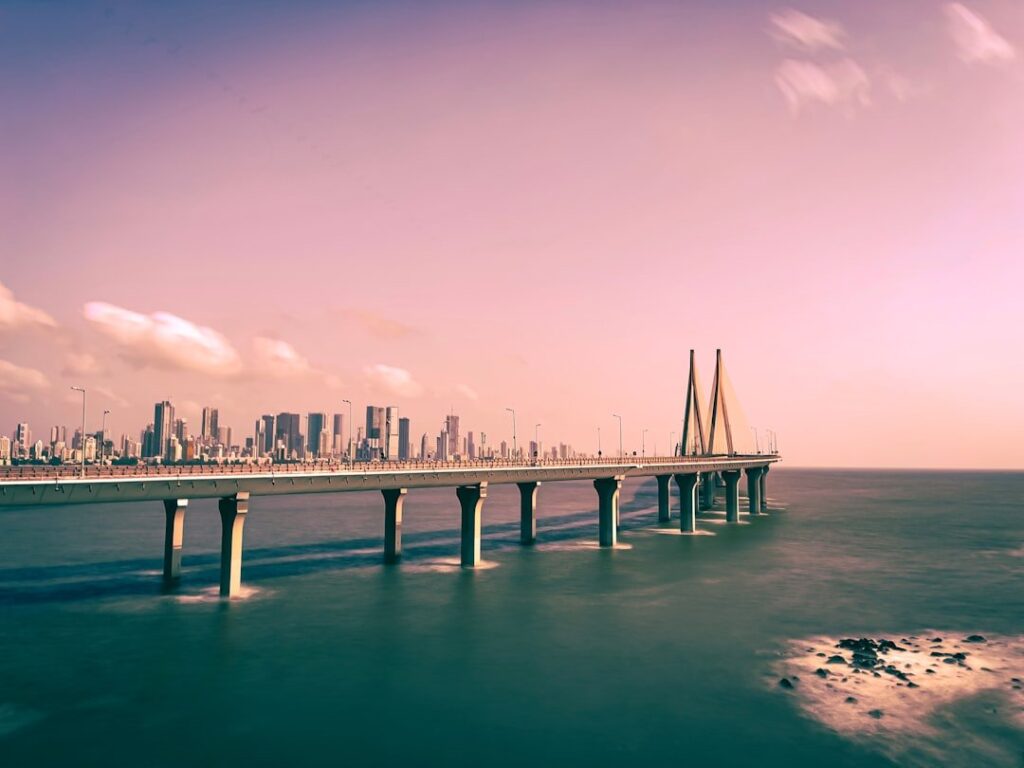
India's urban population has grown from 62 million in 1951 to over 470 million today, yet the country remains predominantly rural. About 35% of India's population lives in urban areas — significantly lower than China (65%) or Brazil (87%). Understanding urbanization patterns, the classification of urban areas, Smart City initiatives, and the governance challenges of rapid urban growth is essential for UPSC across Geography, Governance, and Economy papers.
Urbanization Trends in India
Growth of Urban Population
| Census Year | Urban Population (crore) | % of Total Population | Number of Towns |
|---|---|---|---|
| 1951 | 6.24 | 17.3% | 2,843 |
| 1971 | 10.91 | 19.9% | 2,590 |
| 1991 | 21.76 | 25.7% | 3,768 |
| 2001 | 28.61 | 27.8% | 5,161 |
| 2011 | 37.71 | 31.2% | 7,935 |
| 2025 (est.) | ~47.00 | ~35% | ~8,500+ |
India added roughly 91 million urban residents between 2001 and 2011 — more than the entire population of Germany. The number of towns nearly doubled from 5,161 to 7,935, largely due to the emergence of census towns.
Phases of Urbanization
| Phase | Period | Key Driver |
|---|---|---|
| Colonial Period | Pre-1947 | Port cities (Bombay, Calcutta, Madras); administrative centres |
| Post-Independence | 1947-1991 | Industrial cities; planned capitals (Chandigarh, Bhubaneswar) |
| Liberalisation Era | 1991-2010 | IT/services sector; Bangalore, Hyderabad, Pune, Gurgaon boom |
| Current Phase | 2010-present | Peri-urbanization; tier-2/tier-3 city growth; census towns |
Classification of Urban Areas
India uses two classification systems to define urban areas:
Statutory Towns
Towns with a municipality, corporation, cantonment board, or notified town area committee — as designated by the state government. Their governance structures make them "officially" urban regardless of actual population characteristics.
Census Towns
Settlements that meet three criteria:
- Population exceeds 5,000
- Population density exceeds 400 persons per sq km
- More than 75% of male working population engaged in non-agricultural activities
Census towns often lack urban governance structures — no municipality, no urban planning authority, no access to urban scheme funds. This is a critical gap. In 2011, there were 3,894 census towns — nearly half of all towns — governed by rural panchayats despite being functionally urban.
Urban Agglomerations and Million-Plus Cities
| Category | Count (2011) | Examples |
|---|---|---|
| Million-plus cities | 53 | Delhi, Mumbai, Kolkata, Bengaluru, Hyderabad |
| Mega cities (10M+) | 3 | Delhi (16.3M), Mumbai (18.4M), Kolkata (14.1M) |
| Urban agglomerations | 475 | Extended city regions including suburban areas |
State-Wise Urbanization
| State/UT | Urban Population % (2011) | Category |
|---|---|---|
| Delhi | 97.5% | Highest among states/UTs |
| Goa | 62.2% | Highest among states |
| Tamil Nadu | 48.4% | Most urbanised large state |
| Kerala | 47.7% | High (dispersed urban settlement pattern) |
| Maharashtra | 45.2% | High (Mumbai effect) |
| Bihar | 11.3% | Lowest among major states |
| Himachal Pradesh | 10.0% | Lowest overall among states |
| Assam | 14.1% | Low; agrarian economy |
Southern and western states are significantly more urbanised than northern and eastern India — a pattern that correlates with economic development and industrialisation levels.
Drivers of Urbanization
Push Factors (from rural areas)
- Agricultural distress and declining farm incomes
- Fragmentation of landholdings making farming unviable
- Lack of employment opportunities in rural non-farm sector
- Poor access to education, healthcare, and infrastructure
- Natural disasters and environmental degradation
Pull Factors (to urban areas)
- Employment in industry, services, and informal sector
- Better educational institutions and healthcare facilities
- Higher wages and income potential
- Social mobility and aspirational lifestyle
- Availability of urban amenities and infrastructure
Natural Growth
About 60% of India's urbanization is attributed to natural population growth within existing urban areas rather than migration. Reclassification of rural areas as census towns contributes another significant share.
Urban Governance and Planning
74th Constitutional Amendment (1992)
The 74th Amendment established the framework for urban local governance:
- Three tiers: Municipal Corporation (large cities), Municipality (smaller cities), Nagar Panchayat (transitional areas)
- Ward Committees for citizen participation
- 12th Schedule listing 18 functions of municipalities including urban planning, water supply, and public health
- State Election Commission to conduct municipal elections
- State Finance Commission to recommend revenue sharing
Despite constitutional backing, urban local bodies remain weak. Most lack financial autonomy, adequate staff, and planning capacity. Revenue generation through property tax and user charges remains low.
Smart Cities Mission
Launched in 2015, the Smart Cities Mission aimed to develop 100 cities with smart infrastructure using technology and data.
Key features:
- Area-Based Development (ABD) — retrofitting, redevelopment, greenfield development
- Pan-city solutions — ICT-based solutions covering the entire city
- Special Purpose Vehicles (SPVs) for implementation
- Total outlay: Rs 48,000 crore (Centre) + matching state/ULB contribution
Criticism:
- Focus on small "smart" zones within cities rather than city-wide transformation
- SPV model bypasses elected municipal bodies
- Implementation delays in many cities
- Limited impact on basic infrastructure (water, sewage, roads)
Other Urban Missions
| Mission | Year | Objective |
|---|---|---|
| AMRUT 2.0 | 2021 | Water supply, sewerage, drainage for 500 cities |
| PM Awas Yojana (Urban) | 2015 | Housing for All — affordable housing for EWS/LIG |
| Swachh Bharat Mission (Urban) | 2014 | ODF cities; solid waste management |
| HRIDAY | 2015 | Heritage city development and augmentation |
| National Urban Livelihood Mission | 2013 | Skill development and self-employment for urban poor |
Challenges of Urbanization
Housing and Slums
About 65 million Indians live in slums — approximately 17% of the urban population. Dharavi in Mumbai, one of Asia's largest slums, houses nearly 1 million people in just 2.1 sq km. Affordable housing shortage is estimated at 10 million units for economically weaker sections and lower-income groups.
Water and Sanitation
Most Indian cities don't provide 24/7 water supply. Average supply duration is 2-4 hours per day. Sewage treatment capacity covers only about 30% of wastewater generated. Open drains and untreated discharge into rivers remain common.
Transport and Congestion
Indian cities face severe traffic congestion. Average commute times in Delhi and Mumbai exceed 60 minutes. Public transport infrastructure — metro, bus rapid transit — covers only a fraction of urban mobility needs. The dominance of private vehicles worsens congestion and pollution.
Air Pollution
Indian cities consistently rank among the world's most polluted. Delhi's winter air quality regularly reaches "severe" levels. Causes include vehicular emissions, construction dust, industrial pollution, and crop burning in neighbouring states.
Urban Flooding
Encroachment on natural drainage, loss of wetlands, and inadequate stormwater systems have made urban flooding increasingly common. Chennai (2015), Mumbai (2005, 2017), and Hyderabad (2020) experienced devastating floods.
Related: Population of India: Census, Density & Distribution
Peri-Urbanization
Peri-urban areas — the transition zones between rural and urban — are growing fastest. These areas experience:
- Rapid land-use change from agricultural to residential/commercial
- Infrastructure strain without corresponding governance capacity
- Loss of agricultural land and green cover
- Informal settlements and unplanned development
- Governance vacuum (too urban for panchayats, not officially urban)
Frequently Asked Questions
What percentage of India's population is urban?
As of Census 2011, 31.2% of India's population (377 million) lived in urban areas. Current estimates place urban population at approximately 35%, or about 470 million people. India's urbanization rate is lower than most comparable economies but is accelerating, with projections suggesting 40-43% by 2036.
What is a census town?
A census town meets three criteria: population above 5,000, density above 400 per sq km, and over 75% of male workers in non-agricultural activities. Despite being functionally urban, these settlements are governed by rural panchayats and lack access to urban planning and funding. In 2011, nearly 3,894 settlements fell in this category.
What is the Smart Cities Mission?
Launched in 2015, the Smart Cities Mission aimed to develop 100 Indian cities using technology-driven solutions. It employs area-based development within cities and pan-city ICT solutions. The mission uses Special Purpose Vehicles for implementation, with funding shared between central and state governments. Criticisms include limited scale impact.
Why is urban governance weak in India?
Urban local bodies in India suffer from limited financial autonomy (low property tax collection), inadequate staffing and technical capacity, frequent state government interference, and poor devolution of the 18 functions listed in the 12th Schedule. The 74th Amendment's promise of empowered municipalities remains largely unrealised.
Tell Google you want more of this.
Add Anantam IAS as a preferred sourceOne tap, and this site shows up more often in your own Top Stories, AI Overviews and AI Mode. Remove it any time.





