India's federation is often described as "holding together", but it is also distinctively asymmetric. Different states and Union Territories enjoy different levels of autonomy, legislative powers and administrative arrangements. Jammu & Kashmir (until 2019), the North-East, tribal areas, UTs with and without legislatures, and states with Article 371 protections — all represent a conscious constitutional design that accommodates diversity without breaking the federal structure.
For UPSC aspirants, asymmetric federalism is essential GS II material, with direct questions in Prelims on Articles 371-371J and Mains prompts on the rationale and utility of asymmetric arrangements.
What is asymmetric federalism?
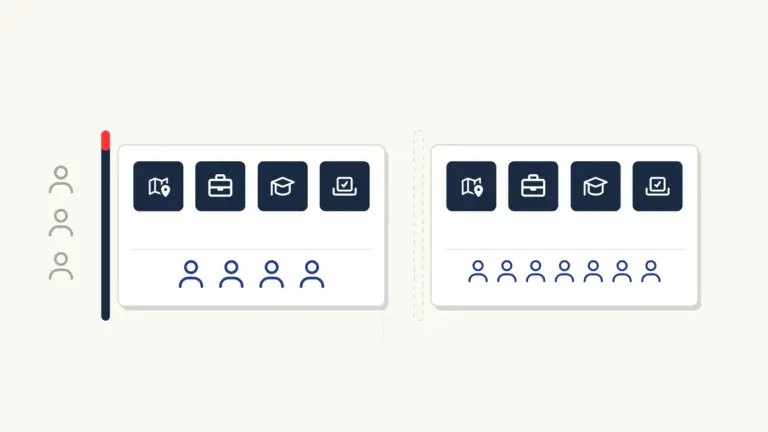
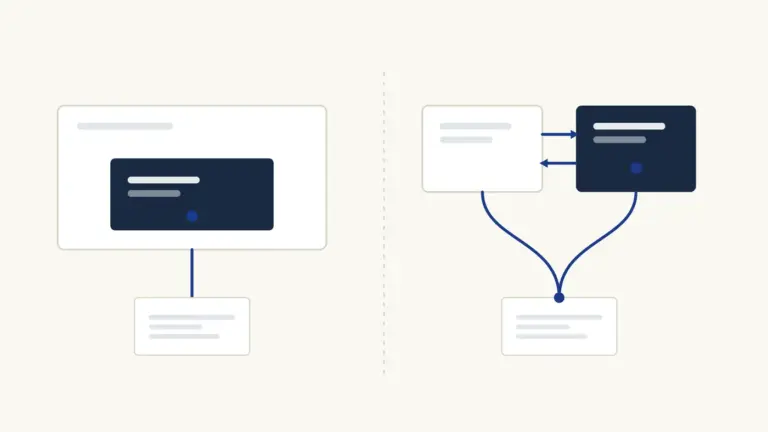
In a federal arrangement, constituent units are identified on the basis of region, language, culture or ethnicity, and conferred varying forms of autonomy or administrative/legislative powers. Asymmetric federalism refers to federalism based on unequal powers and relationships — political, administrative and fiscal — among the units constituting a federation.
- Symmetric federalism: All constituent units have identical powers (e.g., USA, Australia).
- Asymmetric federalism: Units enjoy different degrees and types of autonomy (e.g., India, Canada, Spain).
Four forms of asymmetry in India
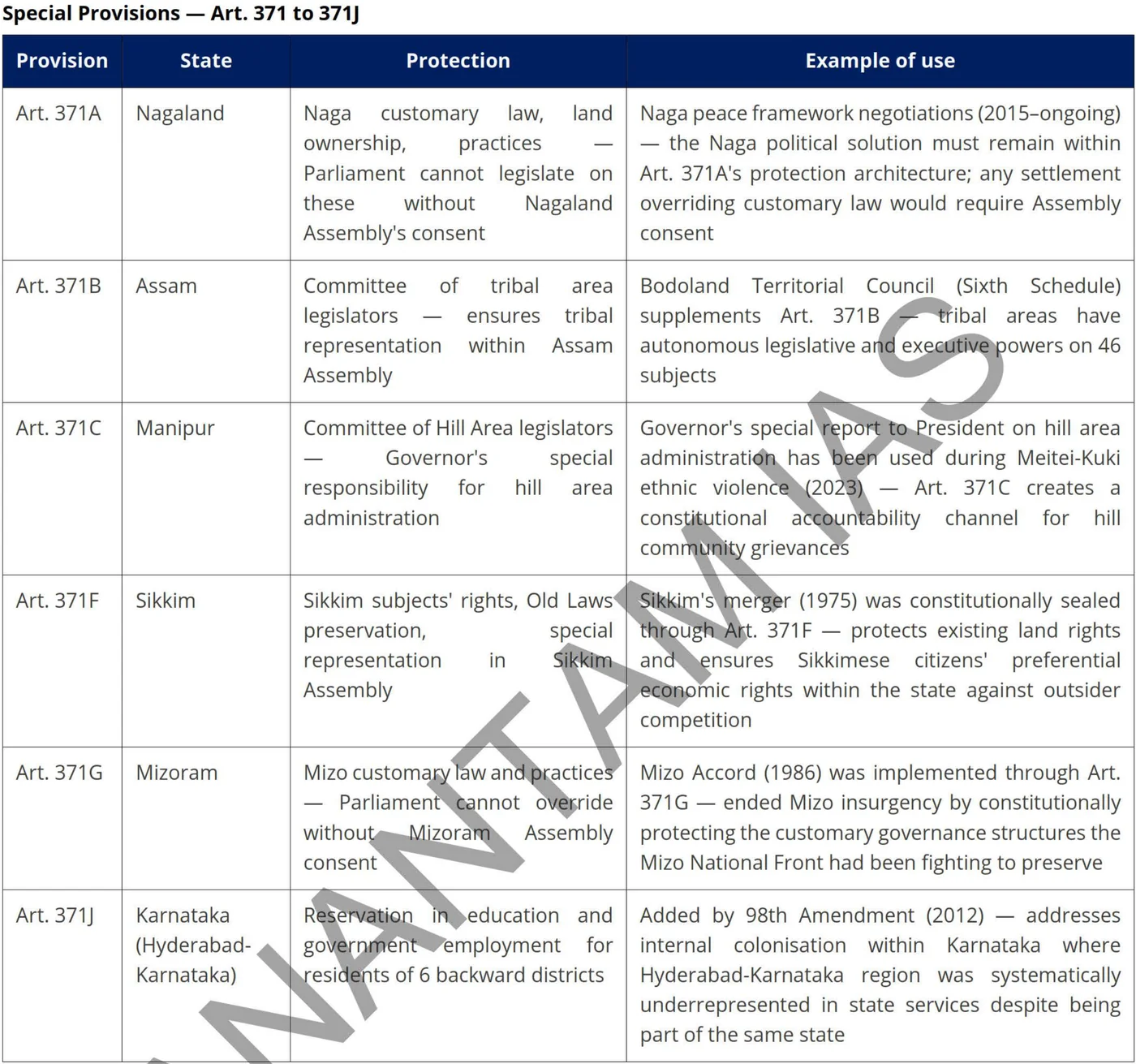
1. Special provisions for specific states — Articles 371 to 371J
These provisions empower Governors with special responsibilities or impose specific legal regimes to accommodate historical, cultural or development concerns.
| Article | State | Special provision |
|---|---|---|
| 371 | Maharashtra, Gujarat | Governor's special responsibility for development of Vidarbha, Marathwada, Saurashtra, Kutch |
| 371A | Nagaland | No law of Parliament regarding religious/social practices of Nagas, customary law, ownership of land or Naga Council land shall apply unless the State Legislature resolves to apply it |
| 371B | Assam | Committee of Legislative Assembly for tribal areas |
| 371C | Manipur | Committee for hill areas; Governor's report to President |
| 371D, 371E | Andhra Pradesh, Telangana | Equitable opportunity in public employment and education; AP Central University |
| 371F | Sikkim | Special provisions upon accession in 1975 |
| 371G | Mizoram | Religious/social practices of Mizos; customary law; ownership of land |
| 371H | Arunachal Pradesh | Governor's special responsibility for law and order |
| 371I | Goa | Legislative Assembly to consist of not less than 30 members |
| 371J | Karnataka | Special status for Hyderabad-Karnataka region (added in 2012) |
2. Union Territories
Three categories:
- UTs without a legislature: Administered directly by the Centre through a Lt. Governor/Administrator (e.g., Andaman and Nicobar, Chandigarh, Dadra and Nagar Haveli and Daman and Diu, Lakshadweep, Ladakh).
- UTs with a legislature: Have an elected Legislative Assembly and Council of Ministers (e.g., Delhi, Puducherry, Jammu and Kashmir post-2019).
- Even among the second category, Delhi's sui generis status under Article 239AA creates further asymmetry.
3. Fifth and Sixth Schedule areas
- Fifth Schedule (Article 244(1)): Tribal areas in states other than Assam, Meghalaya, Tripura and Mizoram. Applies currently in 10 states including Andhra Pradesh, Chhattisgarh, Gujarat, Himachal Pradesh, Jharkhand, Madhya Pradesh, Maharashtra, Odisha, Rajasthan and Telangana.
- Sixth Schedule (Article 244(2)): Tribal areas in Assam, Meghalaya, Tripura and Mizoram, with Autonomous District Councils (ADCs) having wide legislative, executive, judicial and financial powers.
Both schedules enable tribal autonomy, preservation of land, customs, language and community resources, making India's federation asymmetric in its treatment of tribal regions.
4. Fiscal asymmetry
- Finance Commission grants to different states vary based on formula-based devolution, with weightage to income distance, area, population, demographic performance, forest cover and tax effort.
- Funds to local bodies through Finance Commission transfers.
- State Disaster Relief Fund with Central contribution.
- Compensation mechanisms under the GST regime (until June 2022 for most states).
- Special Category Status (erstwhile) gave 90:10 Centre-State funding for Centrally Sponsored Schemes to 11 states including North-Eastern states, J&K, Himachal Pradesh and Uttarakhand — officially discontinued after the 14th Finance Commission.
Why does India have asymmetric federalism?
Economic reasons
- Expanding economic opportunities for states with resource disadvantages.
- Freedom from exploitation by larger, more powerful units.
- The special category status served this function historically.
Political and identity-preserving
- Fifth and Sixth Schedules provide special governance for Scheduled Tribes and tribal areas, protecting land, economy and community.
- Prevents assimilation pressures on distinct communities.
Cultural factors
- Articles 371 to 371J contain clauses that respect customary laws, religious and social practices, and restrict migration.
- Example: Article 371G preserves religious and social practices of Mizos in Mizoram and their customary law.
Historical
- Shaped by the way the British unified India and the subsequent integration of princely states.
- Example: Article 370 for Jammu and Kashmir (abrogated in August 2019).
Administrative
- UTs were created for territories too small to be independent states or with distinct cultural differences not aligned with neighbouring regions.
Asymmetric arrangements in practice
| Arrangement | Representative examples |
|---|---|
| Strong state autonomy | Nagaland (371A), Mizoram (371G) |
| Tribal council autonomy | Bodoland TAD, Khasi Hills, Karbi Anglong |
| UT with full Assembly | Puducherry |
| Sui generis UT | Delhi |
| UT without Assembly | Ladakh |
| Special regional development | Hyderabad-Karnataka (371J) |
| Fiscal carve-out | Erstwhile Special Category Status states |
Latest developments (2024-26)
- Article 370 abrogation (2019) transformed J&K's status; the SC upheld abrogation in December 2023 but directed restoration of statehood "as soon as possible".
- Ladakh's demands: Civil society in Ladakh has demanded Sixth Schedule inclusion and statehood through sustained mobilisation (2023-24). The Union government has constituted a committee but no formal inclusion yet.
- GNCTD (Amendment) Act 2023: Further reshaped Delhi's asymmetric status (see Delhi Statehood guide).
- Updated context: The 16th Finance Commission (2026-2031) is reviewing state-specific terms that may reintroduce aspects of special treatment for disaster-prone and resource-deficit states — without formally restoring Special Category Status.
Critique of asymmetric federalism
Positives
- Accommodates diversity — linguistic, cultural, ethnic, religious.
- Prevents secessionist pressure by granting calibrated autonomy.
- Protects vulnerable communities.
- Enables regionally appropriate governance.
Negatives
- Administrative complexity — multiple regimes complicate Centre-State coordination.
- Discontent in non-covered states — perceived as inequity.
- Litigation and political contestation — J&K, Delhi, Ladakh cases demonstrate this.
- Fiscal pressure on the Centre.
- Identity politics can harden along asymmetric lines.
UPSC relevance
For Prelims, remember:
- Articles 371 to 371J — know which state each applies to.
- Fifth Schedule — 10 states with Scheduled Areas.
- Sixth Schedule — Assam, Meghalaya, Tripura, Mizoram.
- Article 244 — administration of Scheduled and Tribal Areas.
- Article 239AA — NCTD.
For Mains (GS II):
- Examine the rationale for asymmetric federalism in India.
- Discuss how asymmetric federalism balances unity and diversity.
- Is India's federation still asymmetric post-Article 370 abrogation?
In essays, asymmetric federalism is a powerful illustration of constitutional pluralism, accommodation of diversity, and the evolution of the Indian Union. It is a forward-looking UPSC theme with direct policy relevance — from Ladakh's Sixth Schedule demand to the ongoing debate on sub-categorisation within reservation.
Tell Google you want more of this.
Add Anantam IAS as a preferred sourceOne tap, and this site shows up more often in your own Top Stories, AI Overviews and AI Mode. Remove it any time.