India has 18 Biosphere Reserves (as of early 2026), of which 12 are part of the UNESCO World Network of Biosphere Reserves (WNBR). Biosphere Reserves are multi-zonal protected areas that combine biodiversity conservation with sustainable development and scientific research — a more comprehensive framework than National Parks or Wildlife Sanctuaries alone.
For UPSC, Biosphere Reserves are a regularly tested Environment topic. Knowing the names, locations, and UNESCO status of all 18 is essential for Prelims.
What Is a Biosphere Reserve?
The Biosphere Reserve concept was developed under the UNESCO Man and the Biosphere (MAB) Programme, launched in 1971. The programme aims to:
- Conserve biodiversity
- Promote sustainable development
- Support scientific research and education
- Engage local communities in conservation
Three-Zone Structure
Each Biosphere Reserve is divided into three zones:
| Zone | Function | Activity Allowed |
|---|---|---|
| Core Zone | Strict conservation; legally protected | No human activity (except essential research) |
| Buffer Zone | Surrounds the core; limited use | Research, education, ecotourism, restoration |
| Transition (Manipulation) Zone | Outermost; multiple uses | Sustainable agriculture, settlements, traditional uses |
This zonation distinguishes Biosphere Reserves from National Parks (which have only the strict protection model).
India and the MAB Programme
India joined the UNESCO MAB Programme in 1971 (when it was launched). The Government of India launched its own Biosphere Reserve Programme in 1986 — designating areas as biosphere reserves under national policy, some of which are subsequently nominated for UNESCO recognition.
India's First Biosphere Reserve
The Nilgiri Biosphere Reserve was India’s first, established on September 1, 1986.
Complete List of India's 18 Biosphere Reserves
The 18 Indian Biosphere Reserves, with year of designation and UNESCO status:
| # | Biosphere Reserve | State(s) | Year | UNESCO WNBR |
|---|---|---|---|---|
| 1 | Nilgiri | Tamil Nadu, Karnataka, Kerala | 1986 | 2000 |
| 2 | Nanda Devi | Uttarakhand | 1988 | 2004 |
| 3 | Nokrek | Meghalaya | 1988 | 2009 |
| 4 | Manas | Assam | 1989 | — |
| 5 | Sundarbans | West Bengal | 1989 | 2001 |
| 6 | Gulf of Mannar | Tamil Nadu | 1989 | 2001 |
| 7 | Great Nicobar | Andaman & Nicobar | 1989 | 2013 |
| 8 | Similipal | Odisha | 1994 | 2009 |
| 9 | Dibru-Saikhowa | Assam | 1997 | — |
| 10 | Dehang-Debang | Arunachal Pradesh | 1998 | — |
| 11 | Pachmarhi | Madhya Pradesh | 1999 | 2009 |
| 12 | Khangchendzonga | Sikkim | 2000 | 2018 |
| 13 | Agasthyamalai | Kerala, Tamil Nadu | 2001 | 2016 |
| 14 | Achanakmar-Amarkantak | Chhattisgarh, Madhya Pradesh | 2005 | 2012 |
| 15 | Kachchh | Gujarat | 2008 | — |
| 16 | Cold Desert | Himachal Pradesh | 2009 | — |
| 17 | Seshachalam Hills | Andhra Pradesh | 2010 | — |
| 18 | Panna | Madhya Pradesh | 2011 | 2020 |
UNESCO World Network: India's 12 Biosphere Reserves
The 12 Indian Biosphere Reserves in the UNESCO WNBR (in chronological order of UNESCO inclusion):
| # | Biosphere Reserve | State | Year of UNESCO Inclusion |
|---|---|---|---|
| 1 | Nilgiri | TN, KA, KL | 2000 |
| 2 | Sundarbans | WB | 2001 |
| 3 | Gulf of Mannar | TN | 2001 |
| 4 | Nanda Devi | UK | 2004 |
| 5 | Nokrek | ML | 2009 |
| 6 | Pachmarhi | MP | 2009 |
| 7 | Similipal | OD | 2009 |
| 8 | Achanakmar-Amarkantak | CG, MP | 2012 |
| 9 | Great Nicobar | A&N | 2013 |
| 10 | Agasthyamalai | KL, TN | 2016 |
| 11 | Khangchendzonga | SK | 2018 |
| 12 | Panna | MP | 2020 |
The most recent additions (Khangchendzonga 2018, Panna 2020) reflect ongoing expansion of UNESCO recognition.
Notable Biosphere Reserves
Nilgiri Biosphere Reserve
- First Indian BR (1986)
- Area: ~5,520 sq km
- States: Tamil Nadu, Karnataka, Kerala
- Includes: Mudumalai, Bandipur, Nagarhole, Mukurthi, Wayanad, Silent Valley
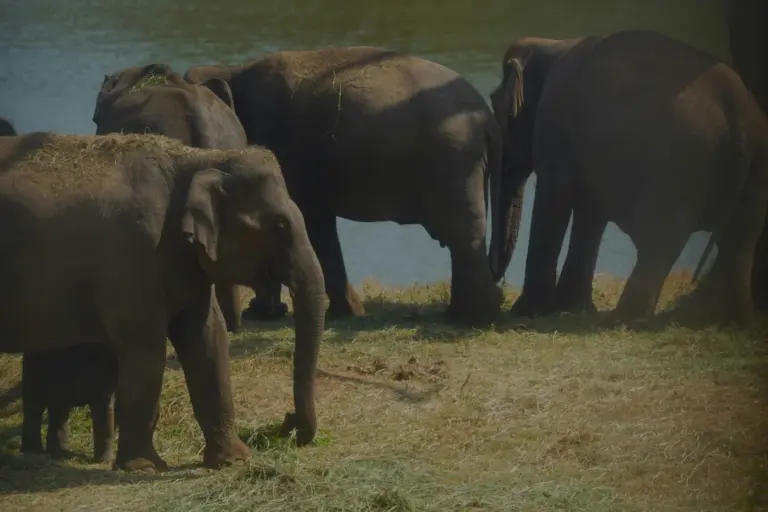
- Key species: Asian elephant, tiger, lion-tailed macaque, Nilgiri tahr, Nilgiri langur
- Largest reserve in southern India
Sundarbans Biosphere Reserve
- Largest mangrove forest in the world
- Royal Bengal Tigers in mangrove ecosystem (unique in the world — tigers swim and prey in saltwater)
- Saltwater crocodile habitat
- Threatened by climate change and rising sea levels
Nanda Devi Biosphere Reserve
- High-altitude reserve in the Garhwal Himalayas (Uttarakhand)
- Includes Nanda Devi National Park and Valley of Flowers National Park (UNESCO Heritage)
- Snow leopard, blue sheep, musk deer
- Restricted access due to fragile ecology
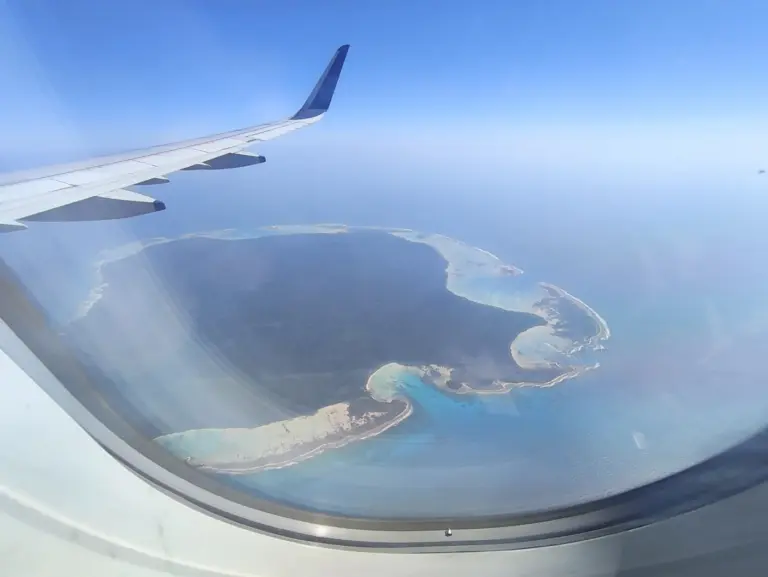
Gulf of Mannar Biosphere Reserve
- First marine biosphere reserve in South Asia
- Located between India and Sri Lanka
- Contains 21 islands and surrounding waters
- Sea cow (dugong), sea turtles, coral reefs
- Major source of pearls historically
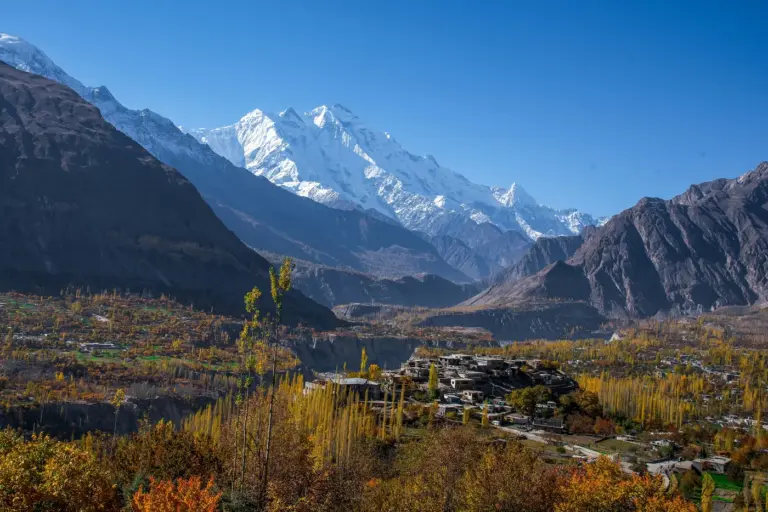
Khangchendzonga Biosphere Reserve
- Includes Khangchendzonga National Park (Sikkim)
- World's third-highest mountain (Khangchendzonga, 8,586 m)
- Sacred to Sikkimese culture
- Snow leopard, red panda, musk deer
- Added to UNESCO list in 2018
Cold Desert Biosphere Reserve
- Trans-Himalayan cold desert in Lahaul-Spiti (Himachal Pradesh)
- Includes Pin Valley National Park
- Snow leopard, ibex, blue sheep
- One of the driest regions in India (in the rain shadow of the Himalayas)
- Not yet on UNESCO WNBR
Great Nicobar Biosphere Reserve
- Southernmost point of India (Indira Point)
- Includes Campbell Bay and Galathea National Parks
- Tropical evergreen rainforest
- Indigenous Shompen and Nicobarese communities
- Recently controversial due to Great Nicobar Development Project
Biosphere Reserves vs. Other Protected Areas
| Feature | Biosphere Reserve | National Park | Wildlife Sanctuary |
|---|---|---|---|
| Size | Very large (zonal structure) | Compact | Variable |
| Conservation focus | Multi-zonal, integrated | Strict protection of core area | Habitat protection |
| Human activity | Allowed in buffer/transition zones | Not allowed in core | Limited (grazing, etc.) |
| Statutory basis | Government policy + WLPA | Wild Life Protection Act 1972, Section 35 | WLPA 1972, Section 18 |
| Scientific focus | Strong (research, monitoring) | Conservation-focused | Conservation-focused |
| Local community | Integrated into management | Excluded | Some role |
A National Park or Sanctuary can be PART of a Biosphere Reserve. For example, Bandipur NP is within the Nilgiri Biosphere Reserve.
Categories Within UNESCO WNBR
UNESCO classifies biosphere reserves by ecological type:
| Type | Indian Examples |
|---|---|
| Tropical and subtropical moist forest | Nilgiri, Agasthyamalai, Great Nicobar |
| Mangrove and coastal | Sundarbans, Gulf of Mannar |
| Temperate forest | Khangchendzonga, Nanda Devi |
| Mountain ecosystems | Nokrek (Meghalaya), Khangchendzonga |
| Dry forest / Semi-arid | Pachmarhi, Achanakmar-Amarkantak |
Challenges
Conservation vs. Development
Biosphere Reserves face increasing pressure from:
- Infrastructure projects in transition zones (highways, mining, dams)
- Tourism — both pressure on ecosystems and source of revenue
- Climate change affecting habitats and species
- Encroachment from agriculture and settlements
The Great Nicobar Controversy
The proposed Great Nicobar Development Project (2022 onwards) — including a transhipment port, airport, and tourism infrastructure — has raised concerns about its impact on the Great Nicobar Biosphere Reserve. The project requires large-scale forest clearance and could affect indigenous communities.
UNESCO Concerns
UNESCO has expressed concerns about:
- Adequate management capacity
- Buffer zone protection
- Indigenous community involvement
- Effects of climate change
Some Indian biosphere reserves have not progressed to UNESCO status because of management gaps.
Recent Developments
- Panna Biosphere Reserve added to UNESCO WNBR in 2020 — the most recent addition
- Several reserves have updated management plans
- Ongoing nominations: Some Indian biosphere reserves are being prepared for UNESCO submission
UPSC Relevance
GS3 (Environment): Biodiversity conservation, MAB Programme, UNESCO conservation framework.
GS1 (Geography): Indian biogeography, regional ecosystems.
Key Prelims facts:
- Total Indian Biosphere Reserves: 18
- UNESCO WNBR Indian reserves: 12
- First Indian BR: Nilgiri (1986)
- First marine BR: Gulf of Mannar
- Most recent UNESCO addition: Panna (2020)
- MAB Programme launched: 1971 (UNESCO)
- India BR Programme launched: 1986
- Three zones: Core, Buffer, Transition (Manipulation)
- Largest BR: Cold Desert (Himachal) by area
- Cold Desert is NOT in UNESCO WNBR
- Most southern BR: Great Nicobar (Indira Point)
- Northernmost BR: Khangchendzonga (Sikkim) / Cold Desert (Himachal)
Tell Google you want more of this.
Add Anantam IAS as a preferred sourceOne tap, and this site shows up more often in your own Top Stories, AI Overviews and AI Mode. Remove it any time.