Why in News?
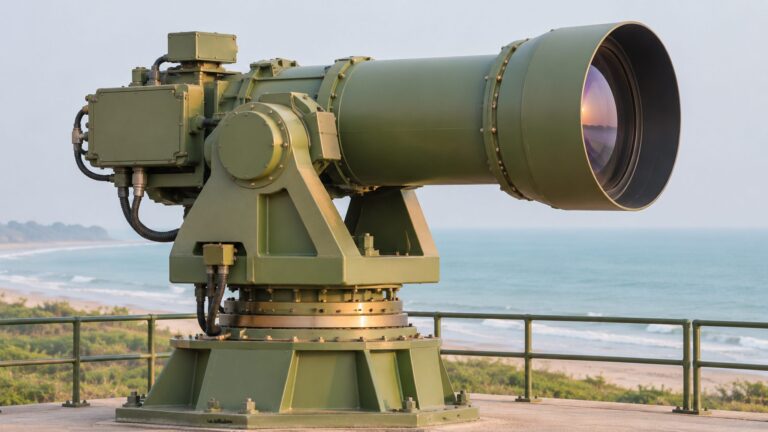
On 18 November 2026, the Ministry of Defence signed a contract with Israel Aerospace Industries to upgrade hardware and software and manage obsolescence in the Barak Point Defence Missile System aboard Indian Navy ships.
- The announcement concerns an existing shipboard system; it does not describe the commissioning of a new ship or a completed upgrade.
- The contracted scope expressly includes hardware and software. The release does not identify individual electronic components, software versions or installation milestones.
- The ministry expects improved anti-air defence capability, but publishes no numerical range, ship count or independently measured performance results.
- Obsolescence can arise when a supplier stops supporting an item, even while installed equipment still operates.
- A replacement can also create compatibility problems elsewhere in a system. Keeping the parts available and keeping them working together are separate engineering tasks.
UPSC Relevance
Prelims Relevance
- Barak Point Defence Missile System is the system named in the Ministry of Defence contract.
- Israel Aerospace Industries is the contracted supplier.
- Hardware refers to physical equipment; software supplies programmed instructions.
- Functional obsolescence can follow changes that prevent an otherwise available item from performing its intended role.
- Configuration management controls the identification and alteration of system versions.
Mains Relevance
GS Paper 3
- Explain how component support and hardware-software compatibility affect defence preparedness.
- Examine why technical modernization needs controlled changes and verification alongside procurement.
Background and Context
What the Barak Contract Establishes
The ministry describes a combined upgrade of the physical equipment and programmed functions of an existing naval defence system.
- The named equipment is the Barak Point Defence Missile System already aboard Indian Navy ships. The announcement identifies the subsystem being upgraded without publishing its detailed internal design or operational configuration.
- The hardware-and-software scope matters because the work is broader than buying replacement physical parts. Both categories appear in the announcement, although it does not specify their individual technical changes.
- The expected anti-air defence improvement is the ministry’s stated objective. The announcement cannot establish a measured improvement, because it reports the contract rather than results from completed installation and assessment.
- The system name should be retained exactly as published. Importing specifications from another similarly named missile programme would attach unverified performance claims to this particular upgrade.
How Obsolescence Differs From Wear
A component can become difficult to sustain because its supply or technical environment changes, without first suffering physical damage.
- Supply obsolescence arises when needed parts or support cease to be available. Unlike wear, which concerns deterioration of an installed object, this problem concerns the continuing ability to obtain or support it.
- The NASA-hosted obsolescence guide distinguishes functional obsolescence: equipment or software may remain commercially available yet fail to perform as intended after other parts or requirements change.
- Compatibility is a relationship between components. New hardware may not run older software correctly; changing software can also disrupt assumptions made by retained equipment. A successful individual replacement is not automatically a successful system change.
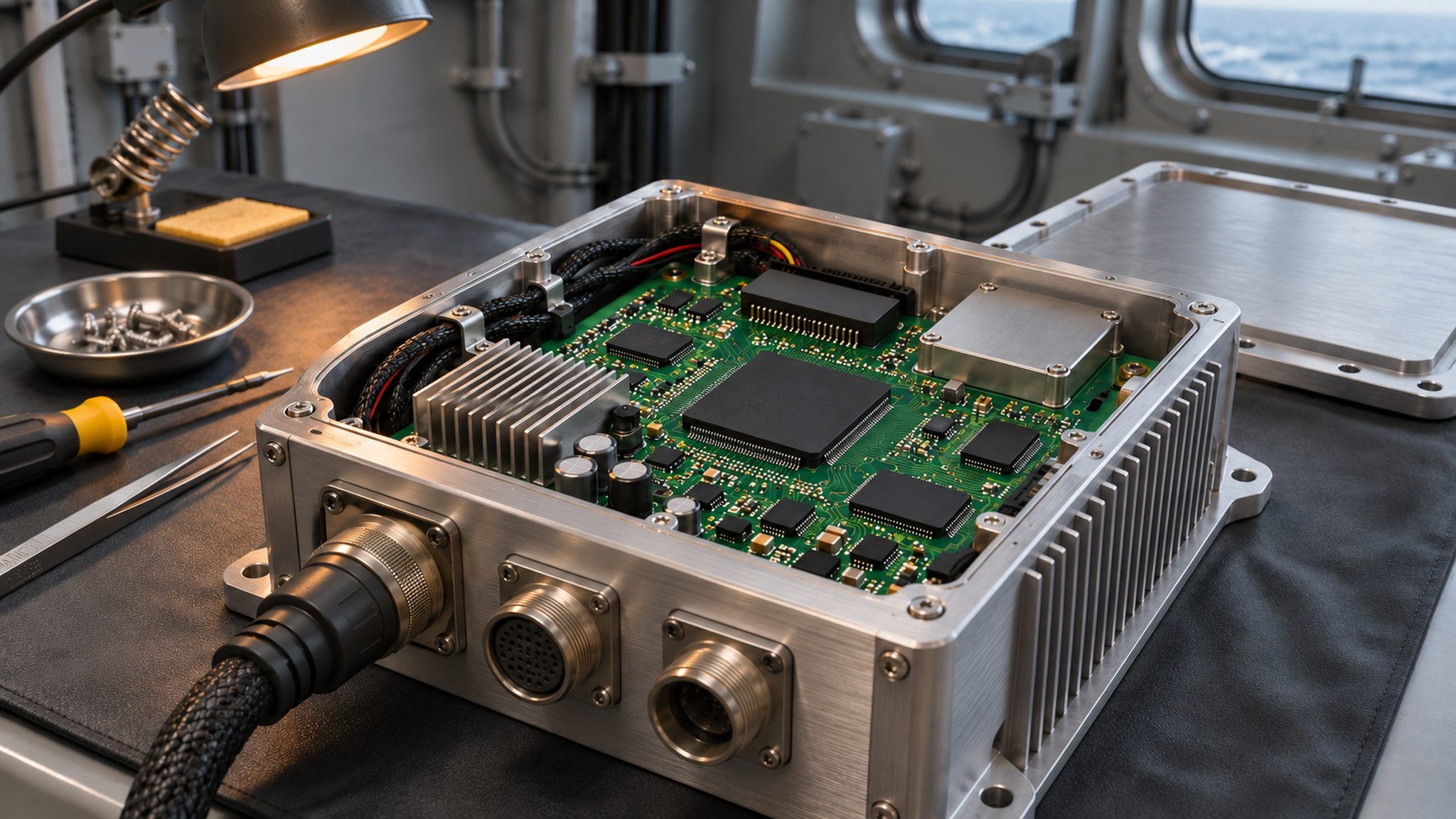
- Interfaces describe how parts connect or exchange information. A generic processor replacement illustrates the issue: compatible physical connections alone do not prove that existing programs will communicate and operate correctly.
- These are general engineering mechanisms, not a diagnosis of the Barak fleet. The ministry has not disclosed which parts face supply loss or which specific compatibility issues the contracted work will address.
What Makes a Hardware-Software Change Dependable
Engineering guidance treats maintenance as controlled change, with records and checks that preserve the intended functioning of the combined system.
- Parts monitoring identifies supply risks before they become immediate shortages. NASA’s electronic-parts standard recommends assessing availability when selecting parts and monitoring obsolescence throughout extended product lives.
- Configuration records identify which hardware and software versions belong together. NASA’s software-maintenance guidance emphasizes controlled changes, verification and audits as operating requirements and hardware evolve.
- Regression testing checks whether a change has disturbed previously working behaviour. Its purpose extends beyond proving that a new feature works: retained functions must continue to meet their requirements after the change.
- Verification evidence connects a modification to its requirements. Maintenance documents and test records allow engineers to assess the changed configuration, rather than assuming a newer component or software version is inherently suitable.
- General guidance and contractual obligations must remain distinct. These engineering principles explain why combined upgrades need care; the cited NASA documents are not Indian Navy requirements or evidence of the Barak contract’s undisclosed terms.
Way Forward
Track Supportability and Compatibility
- Maintain component and software-version records so that future support decisions refer to the actual installed configuration.
- Assess supplier support and availability before a shortage forces an urgent, poorly evaluated replacement.
- Require appropriate verification of changed and retained functions before treating a modified configuration as dependable.
Conclusion
- The Barak contract highlights electronics and software obsolescence as a defence-management issue. Continued supply and continued compatibility both matter when equipment remains in service through successive technical changes.
- Modernization requires more than substituting a newer part. Explain the connection between availability, compatible interfaces and verified behaviour, while keeping general engineering principles separate from undisclosed contractual details.
UPSC Practice Questions
Prelims MCQ 1
With reference to equipment obsolescence, consider the following statements:
- An item may become functionally obsolete even when it remains commercially available.
- Hardware changes can affect the functioning of existing software.
- Obsolescence always requires visible physical damage to an installed component.
How many of the above statements are correct?
(a) Only one (b) Only two (c) All three (d) None
Answer: (b) Only two
Explanation:
Statements 1 and 2 are correct. Supply or compatibility changes can create obsolescence without physical deterioration.
Prelims MCQ 2
What is the principal purpose of regression testing after a software change?
(a) To confirm that the supplier still manufactures every component. (b) To establish the country of origin of the equipment. (c) To check whether previously working functions have been disturbed. (d) To replace the need for configuration records.
Answer: (c) To check whether previously working functions have been disturbed.
Explanation:
Regression testing examines existing behaviour after a change. It complements other verification work and does not establish supply availability or origin.
UPSC Mains Questions
- Distinguish supply obsolescence from functional obsolescence. Explain their significance for sustaining defence equipment.
- Why should hardware and software changes be managed together in complex public systems? Discuss the role of configuration records and verification.
Sources: PIB, Ministry of Defence and NASA-hosted obsolescence guide and software engineering guidance.
Frequently Asked Questions
What has India contracted for the Barak system?
The Ministry of Defence announced a contract with Israel Aerospace Industries for hardware and software upgrades and obsolescence management of the Barak Point Defence Missile System aboard Indian Navy ships.
Can equipment become obsolete without wearing out?
Yes. A supplier may discontinue a needed item or its support. An item can also become functionally unsuitable when changes elsewhere in the system prevent it from operating as intended.
Why can a hardware replacement require software work?
Existing software may depend on features or interfaces of the earlier hardware. Replacing that hardware can disturb those relationships, making compatibility assessment and verification necessary before relying on the changed system.
Does the announcement establish a new missile range?
The release states an expected improvement in anti-air defence capability but provides no numerical range. It also does not establish completion, ship counts, domestic production or technology-transfer arrangements.
Tell Google you want more of this.
Add Anantam IAS as a preferred sourceOne tap, and this site shows up more often in your own Top Stories, AI Overviews and AI Mode. Remove it any time.