

Why in News?
PIB reported on 2 November 2026 that India and European Commission officials discussed customs cooperation, trade facilitation and preparations for implementing the India–EU free trade agreement.
- The Brussels engagement included DG TAXUD, the European Commission directorate responsible for taxation and customs union.
- Both sides emphasised efficient, transparent and digitally enabled customs procedures for legitimate trade.
- The release describes implementation preparations; it does not establish that new tariff concessions have taken effect.
- The discussions did not announce a new customs agreement or automatic recognition of each other’s compliance decisions.
- Border procedures influence the time and effort required to move goods even when businesses understand the applicable tariff.
- Predictability matters to smaller exporters because uncertain clearance can disrupt delivery commitments and tie up working capital.
UPSC Relevance
Prelims Relevance
- DG TAXUD concerns taxation and the customs union within the European Commission.
- CBIC administers India’s customs and indirect-tax framework.
- A single window supports coordinated submission and processing of trade information.
- Risk management directs scrutiny towards selected consignments rather than identical examination of all goods.
- Pre-arrival processing allows documentary work before goods reach the border.
Mains Relevance
GS Paper 3
- Trade facilitation and the administrative costs of exporting.
- Risk-based customs control and predictable participation in global value chains.
GS Paper 2
- India–EU cooperation and coordination between border agencies.
Essay
- International agreements deliver through institutions that can implement them.
Background and Context
What Customs Readiness Adds to Trade Agreements
A trade agreement and a functioning border procedure solve different problems; businesses need both legal clarity and reliable administration to use market access.
- Tariff commitments concern the treatment available under an agreement. Customs procedures determine how a consignment is declared, assessed and released, so an agreed commercial opportunity still requires a workable administrative route at the border.
- The Brussels discussions focused on cooperation and preparation. They should be read as an implementation agenda, without inferring a commencement date, revised duty schedule or completed operational arrangement that the official release does not announce.
- DG TAXUD provides the relevant European Commission customs interface in these talks. The institutional detail matters because border administration requires specialised cooperation alongside the broader negotiations over trade, investment and market access.
- Transaction costs include the work of submitting information and responding to scrutiny. Unclear requirements can generate repeated corrections; reducing that uncertainty requires consistent procedures rather than merely presenting an existing paper form on a screen.
- Legitimate trade remains the object of facilitation. Faster processing should coexist with lawful controls, because simplifying the route through customs does not remove obligations concerning accurate declarations or compliance with applicable restrictions on goods.
How Digital and Risk-Based Clearance Works
India’s existing customs reforms provide background for understanding the practical tools discussed, rather than proof of a newly operational bilateral system.
- Electronic documentation lets traders submit information for customs processing through digital systems. CBIC’s February background release describes connections among traders, authorities, banks and logistics operators; it does not establish a new India–EU data-sharing arrangement.
- A single-window interface supports coordinated handling of information required at the border. Its practical value depends on agencies using compatible information and resolving decisions, rather than leaving businesses to repeat the same submission through disconnected channels.
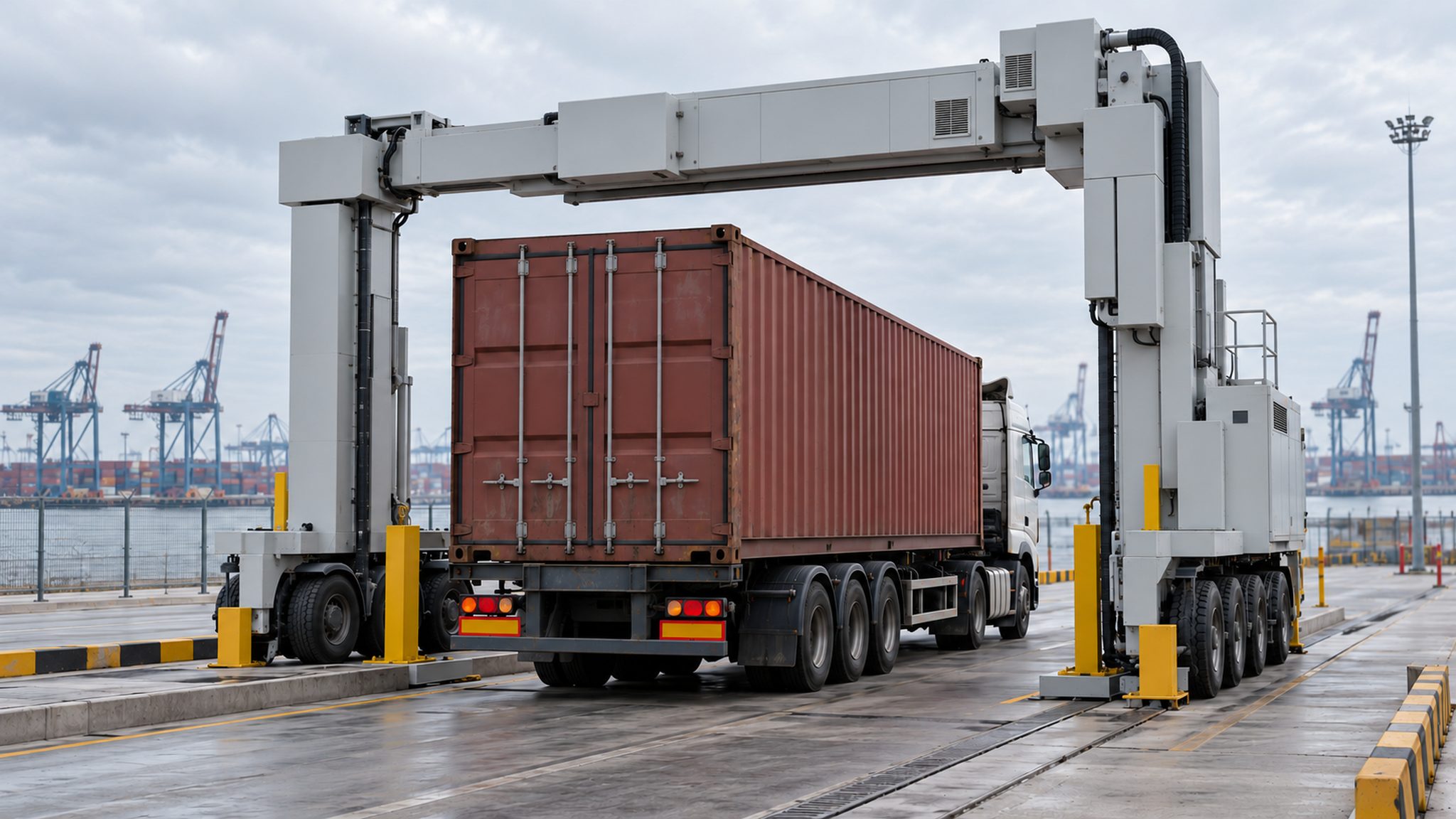
- Risk management concentrates scrutiny on consignments selected for closer attention. Compared with identical physical examination of every shipment, this approach can preserve enforcement capacity while reducing avoidable intervention in lower-risk trade that meets applicable requirements.
- Pre-arrival processing moves documentary work ahead of the goods’ arrival. It can reduce sequential waiting, but early submission is not an unconditional release order; the applicable checks and the accuracy of supplied information still matter.
- The Authorised Economic Operator programme is another instrument identified in the CBIC background. Trusted-operator arrangements should not be confused with automatic mutual recognition between India and the EU, which this latest release does not announce.
How to Judge Implementation
A useful assessment follows the trader’s experience through the border process and separates a proposed improvement from an outcome supported by evidence.
- Clear requirements help an exporter prepare correctly before dispatch. A practical reform programme should explain what information is required, who decides each issue and how a trader can correct a rejected submission without restarting unnecessarily.
- Inter-agency coordination addresses dependencies within clearance. A customs interface alone cannot remove every delay if another required decision remains unresolved; the administrative task is to make those dependencies visible and assign responsibility for resolving them.
- Small-business access deserves attention because compliance effort is not equally affordable for all firms. Understandable instructions and accessible support should be assessed alongside digital availability, especially where businesses have limited specialised customs expertise.
- Performance measures could track release-time variability, repeated data requests and correction cycles. These are suggested evaluation tools, not results reported from the Brussels meetings, and should distinguish routine consignments from cases requiring legitimate additional scrutiny.
- Accountable discretion supports both facilitation and enforcement. Risk-based selection needs reviewable decisions and reliable information; a faster average clearance figure would be incomplete evidence if unresolved cases or inconsistent treatment were left outside the assessment.
Way Forward
Turn Cooperation Into Usable Procedures
- Publish clear operational requirements when implementation decisions are final, distinguishing binding changes from ongoing discussions.
- Test information compatibility and agency handoffs before claiming that a digital interface has removed repeated submissions.
- Provide accessible correction channels for small exporters facing rejected or inconsistent records.
- Evaluate predictability and unresolved cases alongside processing speed while retaining lawful risk-based controls.
Conclusion
- India–EU customs cooperation concerns the institutional work needed to make trade easier to conduct. The current development is preparation and dialogue, while operational changes and their results require separate evidence.
- For a Mains answer, connect digital documentation, coordinated decisions and risk-based scrutiny to predictable trade. Keep market-access commitments, border procedures and measured implementation outcomes distinct when judging the value of an agreement.
UPSC Practice Questions
Prelims MCQ 1
With reference to customs trade facilitation, consider the following statements:
- Pre-arrival processing can begin documentary work before goods arrive.
- Risk management requires identical physical examination of every consignment.
- A single-window interface can support coordinated handling of border information.
How many of the above statements are correct?
(a) Only one (b) Only two (c) All three (d) None
Answer: (b) Only two
Explanation:
Statements 1 and 3 are correct. Risk management selects consignments for appropriate scrutiny rather than requiring identical physical examination of all goods.
Prelims MCQ 2
What can be concluded from the November 2026 PIB release on India–EU customs discussions?
(a) All new FTA tariff concessions have entered into force. (b) Customs checks have been abolished for bilateral trade. (c) Both sides discussed customs cooperation and implementation preparations. (d) Automatic mutual recognition of all trusted traders has been introduced.
Answer: (c) Both sides discussed customs cooperation and implementation preparations.
Explanation:
The release reports cooperation and preparations. It does not establish commencement of tariff concessions, abolition of checks or automatic mutual recognition.
UPSC Mains Questions
- Explain why customs preparedness is essential for realising the benefits of a trade agreement. Discuss with reference to India–EU cooperation.
- How can risk-based customs administration reduce compliance costs while preserving enforcement? Examine the role of inter-agency coordination.
Sources: PIB, Ministry of Commerce and Industry and PIB, CBIC trade facilitation background.
Frequently Asked Questions
What was announced in the India–EU customs discussions?
PIB reported discussions on customs cooperation, trade facilitation and preparations for FTA implementation. The release emphasised efficient, transparent and digitally enabled procedures without announcing a new operational customs agreement.
Does the release establish that new FTA tariffs are effective?
No. Implementation preparations do not establish when tariff concessions take effect. Such a conclusion requires the relevant final instruments and commencement provisions, which this release does not provide.
How does risk management help customs clearance?
Risk management directs scrutiny towards selected consignments rather than treating every shipment identically. It can reduce unnecessary intervention while preserving closer examination where information indicates that additional attention is justified.
Why does a single window need inter-agency coordination?
A digital submission interface is useful only when the necessary agencies can process information and resolve their decisions. Otherwise, businesses may still face repeated requests or unresolved approvals despite submitting information electronically.
Tell Google you want more of this.
Add Anantam IAS as a preferred sourceOne tap, and this site shows up more often in your own Top Stories, AI Overviews and AI Mode. Remove it any time.