Why in News?
On 11 November, the Ministry of Defence signed a contract with Cochin Shipyard Limited to refit INS Betwa and replace its steam propulsion system with a diesel-engine system.
- The Brahmaputra-class frigate will retain its identity as an existing Indian Navy ship throughout the refit.
- The contract is worth ₹498.58 crore and covers a wider package of modernisation as well as re-powering.
- The ministry expects more than 50 MSMEs to participate in the project.
- A ship can remain structurally useful even when its machinery comes due for replacement.
- Domestic shipyards build industrial capability through repair and maintenance as well as new construction.
UPSC Relevance
Prelims Relevance
- INS Betwa is a Brahmaputra-class frigate.
- Cochin Shipyard Limited is the contracted shipyard.
- A prime mover supplies mechanical power to drive a machine.
- Re-powering replaces propulsion machinery on an existing vessel.
Mains Relevance
GS Paper 3
- Compare refit and replacement over the remaining life of a public asset.
- Examine the role of integration and maintenance skills in domestic industry.
Essay
- Maintenance decisions influence how long earlier public investment continues to provide a service.
Background and Context
What Changes When a Ship Is Re-Powered?
The hull gives a ship its structure. Its propulsion plant supplies the power needed to move that structure through water.
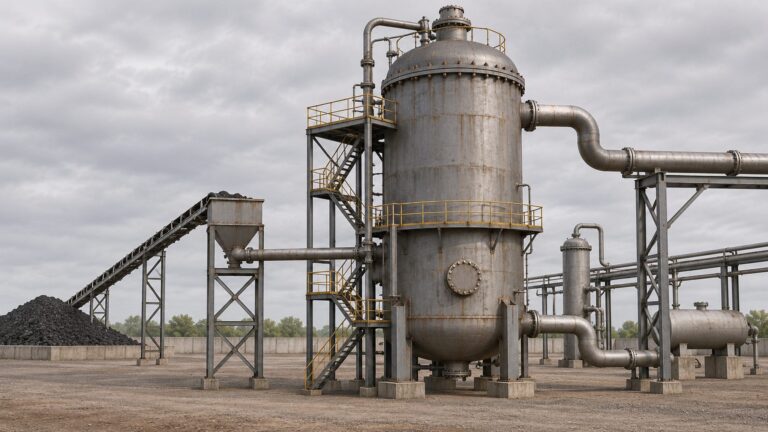
- In a steam propulsion system, heat produces steam. Steam does work as it expands in the machinery that supplies mechanical power. The word steam describes the working fluid in this conversion.
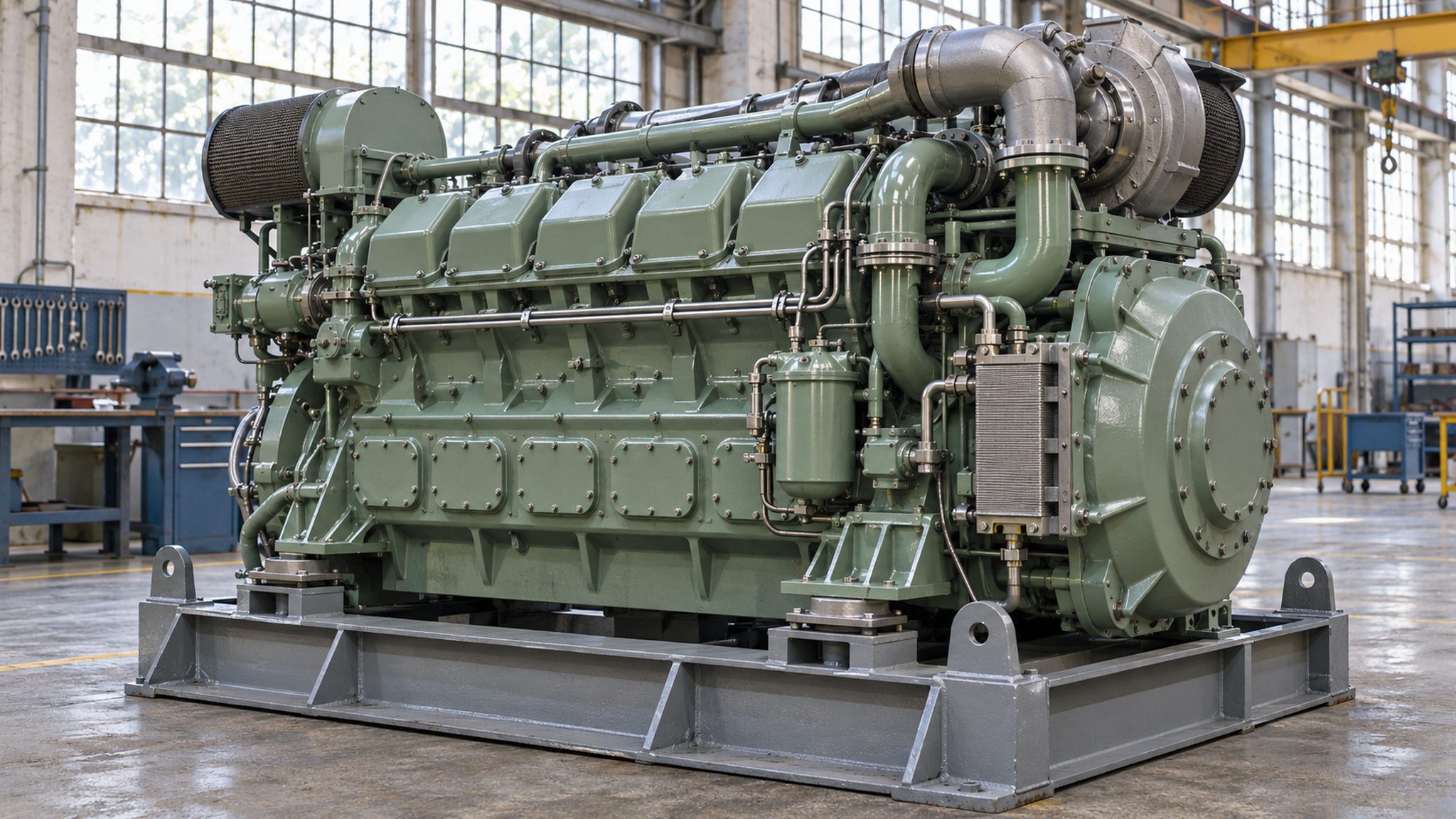
- A diesel engine burns fuel inside its cylinders. Expanding gases move pistons and turn a crankshaft, supplying mechanical power through a different chain of energy conversion.
- The propeller performs a separate job. It turns shaft power into thrust in water. A change in the machine supplying that power tells us little, by itself, about the ship’s final speed.
- For Betwa, re-powering describes the replacement of the existing steam-based arrangement with a diesel-engine-based one. The ministry locates this work within a broader programme of refit on the same frigate.
- A familiar comparison is an engine replacement on a ferry. The vessel keeps its hull and identity even though engineers have changed the machinery that moves it.
How Does a Refit Affect the Replacement Decision?
An owner weighing a refit against a new ship must first estimate how much useful service the existing hull can still provide.
- The remaining life of the structure sets a practical limit on the value of new machinery. Long-lived equipment brings less benefit if the surrounding asset will soon need replacement.
- Time in the shipyard has an economic cost. A vessel undergoing extensive work cannot provide its usual service during that period, even when the expenditure remains within the contract price.
- A fair life-cycle comparison includes future maintenance and operating costs alongside the initial bill. The published value covers the contracted package and cannot establish the savings from the engine change alone.
- The contract signature establishes that the parties have agreed to the work. Completion, acceptance and return to service require subsequent evidence, each answering a different question about progress.
- Claims about fuel savings would need comparable operating data for the two arrangements under similar conditions. A propulsion category and a contract value provide insufficient evidence for a numerical estimate.
What Industrial Capability Does Ship Repair Develop?
A repair yard must fit new equipment into a structure that already exists, with space and supporting services inherited from earlier design decisions.
- Integration is the yard’s distinct contribution. It must bring the replacement equipment and retained parts together as a functioning asset, taking responsibility for the performance of the completed work.
- The ministry expects MSME participation across the project. That expectation describes an opportunity for suppliers. Actual orders and accepted deliveries would establish what work particular firms secured.
- Maintenance capacity has value beyond the initial contract. A workforce familiar with the renewed machinery can support later servicing, while records of the changes help future maintainers identify the equipment installed.
- Domestic ship repair develops the ability to sustain assets already in service. The location of the yard alone cannot establish the country of origin of every component it uses.
Way Forward
Assess the completed refit
- Track contract milestones through completion and formal acceptance.
- Compare operating costs over similar periods and duties before estimating savings.
- Assess supplier participation from delivered work and support capability.
Conclusion
- Use INS Betwa to illustrate investment across an asset’s life. Replacing machinery can preserve the value embodied in a serviceable hull, subject to the cost and time needed for the refit.
- For an industrial policy answer, connect shipyard capability to integration, supplier work and future maintenance. Judge the contract’s results when evidence of the completed work becomes available.
UPSC Practice Questions
Prelims MCQ 1
With reference to the refit of INS Betwa, consider the following statements.
- The contracted work includes replacement of steam-based propulsion with diesel-engine-based propulsion.
- The contract establishes that the completed ship has returned to service.
- The project involves construction of a new hull as the defining feature of re-powering.
How many of the above statements are correct?
(a) Only one (b) Only two (c) All three (d) None
Answer: (a) Only one
Explanation:
Only the first statement is correct. The ministry announced a contract for future work on an existing frigate. Completion and acceptance follow later.
Prelims MCQ 2
Which evidence best supports an assessment of savings from re-powering a vessel?
(a) Number of firms expressing interest (b) Date of the contract signing (c) Name of the replacement engine’s manufacturer (d) Comparable operating and maintenance costs over the remaining service life
Answer: (d) Comparable operating and maintenance costs over the remaining service life
Explanation:
A life-cycle assessment compares costs over a common period and accounts for the time the vessel spends out of service.
UPSC Mains Questions
- Examine the considerations that determine whether a public authority should refit an existing vessel or procure a replacement.
- How can complex ship repair contribute to domestic industrial capability? Discuss the evidence needed to assess this contribution.
Source: Press Information Bureau, Ministry of Defence.
Frequently Asked Questions
What work has the ministry contracted for INS Betwa?
Cochin Shipyard Limited will undertake a normal refit and replace the ship’s steam-based propulsion with diesel-engine-based propulsion. The ministry announced the signing of the contract on 11 November.
What is the difference between a prime mover and a propeller?
The prime mover supplies mechanical power. The propeller uses the power delivered to its shaft to develop thrust in water. The two terms describe different parts of a propulsion system.
Why does hull condition matter in a re-powering decision?
The owner expects the existing structure to carry the renewed machinery over its remaining service life. A short remaining life reduces the period over which the investment can yield benefits.
How can the role of smaller firms be assessed?
The ministry expects smaller firms to take part in the project. Records of orders, deliveries and subsequent maintenance work can show how much of that opportunity turns into lasting capability.
Tell Google you want more of this.
Add Anantam IAS as a preferred sourceOne tap, and this site shows up more often in your own Top Stories, AI Overviews and AI Mode. Remove it any time.