Why in News?
Recently, the Uttarakhand High Court has stayed the felling of Oak trees in Mussoorie for construction by the Municipal Council. Oak holds immense social and ecological importance in the Indian Himalayan regions.
| UPSC Relevance: GS-3 Environment and Biodiversity: Conservation Prelims: Species in News: Oak |
Oak Tree:
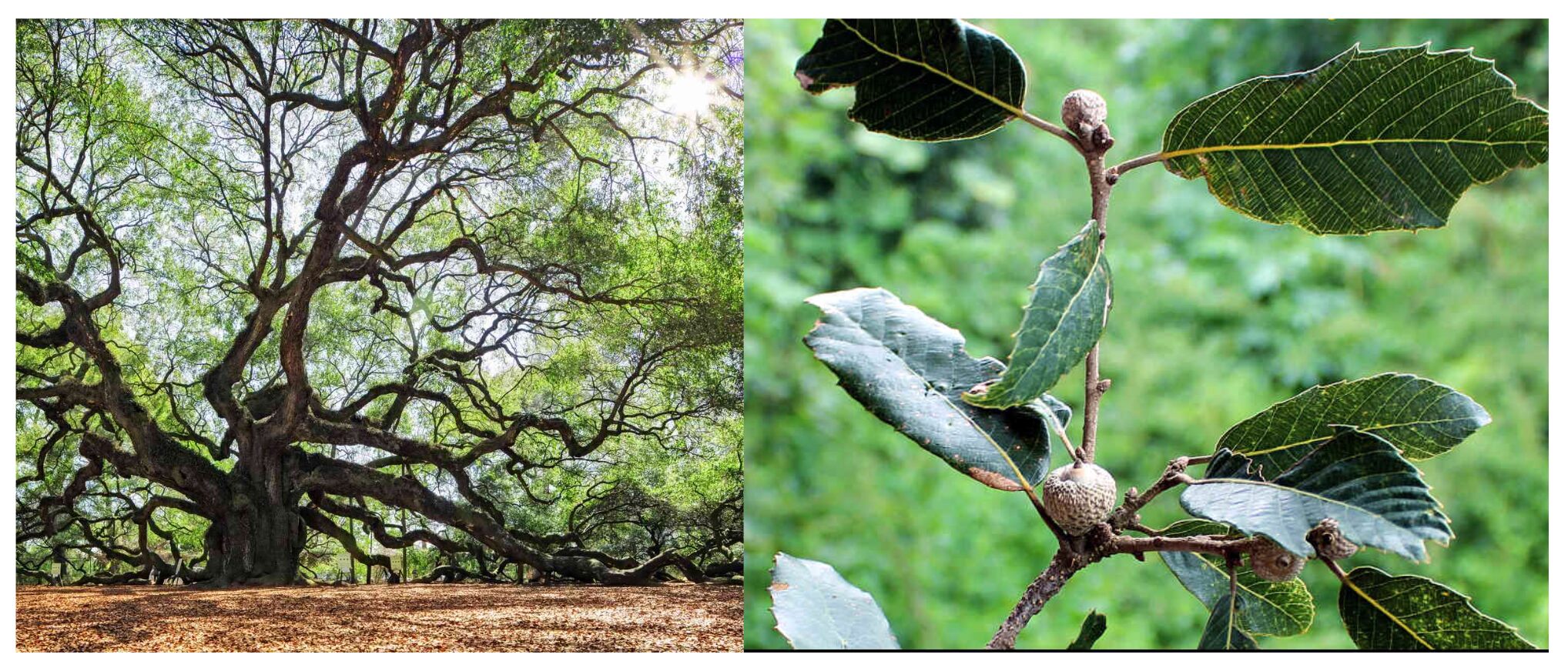
- An oak is a hardwood tree widely distributed in the Northern Hemisphere, with both deciduous and evergreen species.
- Lifespan: avg. 100-300 years. Some Oak species can live for over 1000 years.
- Diversity: ~35 species in the Indian Himalayan Region (~500 species globally)
- Habitat: Found between 800 and 3000 m altitude in the Himalayas. Major species in Uttarakhand: Banj oak, Moru oak, etc.
Ecological Importance of the Oak Tree:
- Soil and Water Conservation: The deep root systems of Oak prevent soil erosion and stabilise fragile mountain slopes. These roots create channels in the soil that allow water to percolate deeper, thereby recharging groundwater. The thick mat of leaves (litter) and the organic humus produced by oak trees act like a natural sponge, absorbing heavy rainfall and preventing rapid runoff and soil erosion.
- Biodiversity Hotspots:
- Flora: Oak trees host lichens, bryophytes, pteridophytes (all three being moss-like plants), orchids, and other flowering plants, creating layered microhabitats.
- Fauna: Birds and mammals such as jays, Himalayan langurs, red giant flying squirrels, and Asiatic black bears feed on oak leaves and acorns.
- They live in association with many kinds of fungi (oaks provide starch to the underground fungi network, and the fungi help the oaks access nutrients), and support various insects.
- Livelihood Support: Oak is used as fuel wood and fodder by locals from the forests near their settlements. Most preferred fuel species due to its sustained burning.
- Climate Regulation & Carbon Sink: Dense canopy leads to high carbon sequestration. Maintain microclimatic stability- Lower temperatures & Higher humidity.
Associated Threats:
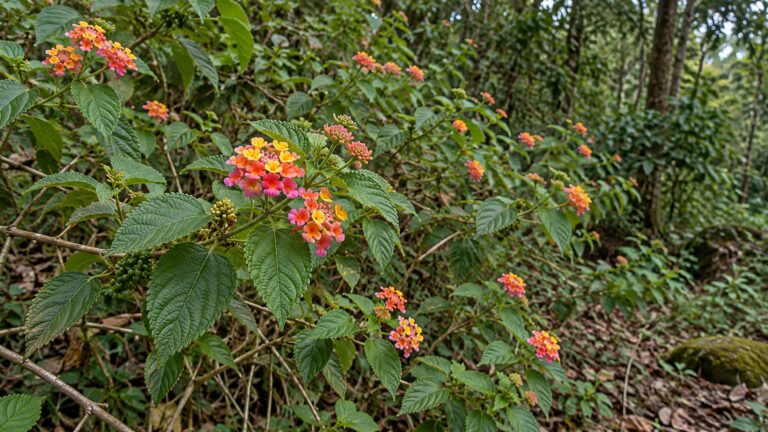
- Invasion by Alien species: Oak forests are undergoing rapid transformation due to invasion by alien invasive species, such as Eupatorium adenophorum, Lantana camara, and Chir Pine.
- Forest Fire: Due to forest fire, the damaged stems are highly susceptible to pathogens, which weaken the tree and result in wind throw and breakage.
- Anthropogenic disturbances such as forest disturbance (indiscriminate grazing, lopping, surface burning), deforestation and other developmental activities.
Tell Google you want more of this.
Add Anantam IAS as a preferred sourceOne tap, and this site shows up more often in your own Top Stories, AI Overviews and AI Mode. Remove it any time.