Malabar Naval Exercise
- The annual Malabar naval exercise, aimed at strengthening interoperability, is set to commence in the Northern Pacific’s Guam.
- The Indian Navy has deployed its guided missile frigate, INS Sahyadri, for the mega exercise, which is hosted by the US.
- Participants: It is a multilateral naval exercise involving India, the United States, Japan, and Australia as permanent partners (often referred to as the Quad nations).
- Origin: Started in 1992 as a bilateral exercise between the navies of India and the US off the Malabar Coast.
- Japan became a permanent partner in 2015.
- Australia re-joined in 2020, making it a quadrilateral exercise.
- Location: It is generally held alternately in the Indian Ocean and the Pacific Ocean each year.
Ayni Airbase, Tajikistan

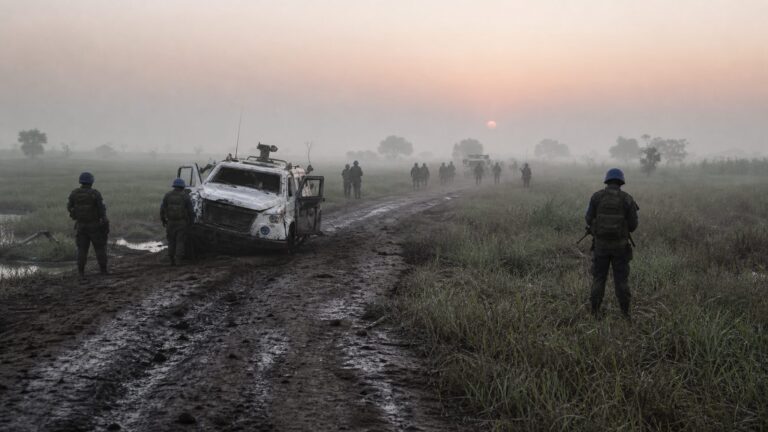
- India quietly began withdrawing its military personnel and equipment from the Ayni airbase, near Dushanbe, Tajikistan, in 2022, ending a two-decade presence.
- Initial Purpose (1990s): India first deployed personnel to support the Northern Alliance in Afghanistan against the Taliban.
- Later Use (2021): The base was used to evacuate Indians after the Taliban regained control of Afghanistan.
- Renovation: Built during the Soviet era, the base was in poor condition. India spent approximately $80 million on its renovation under a 2002 agreement, largely carried out by the Border Roads Organisation.
- Official Reason: India stated the facility was handed over after the bilateral agreement for its development concluded in 2022.
- Geopolitical Pressure (Understood): It is understood that the Tajik government was reluctant to renew the lease due to pressure from Russia and China.
- Strategic Location: The base’s location, about 20 km from Afghanistan’s Wakhan Corridor (which borders Pakistan-occupied Kashmir and China’s Xinjiang province), gave India strategic heft and supported its aim to expand influence in resource-rich Central Asia.
India’s Other Overseas Presence
- Agaléga Islands (Mauritius): India and Mauritius jointly inaugurated an airstrip and a jettybuilt by India in 2024.
- The upgraded airstrip can now support the larger P-8I maritime reconnaissance aircraft.
- Bhutan: India maintains a military training team that trains the Royal Bhutan Army (RBA) and the Royal Bodyguard of Bhutan (RBG).
- Global Context:
- India currently does not have a functional overseas military base elsewhere.
- China has an official overseas military base in Djibouti.
- The US has over a hundred overseas military bases/installations globally.
India’s First Customised Indoor Air Quality (IAQ) Scale

- Developers: A research team from BITS Pilani Hyderabad’s MMNE Lab.
- Goal: To create a simple, customised IAQ scale to help households understand indoor air health risks.
- Customization: The scale is designed specifically for India’s unique geographical, climate, population, and economic conditions.
- Four Weighted Parameters:
- Pollution Concentration: 59.5%
- Exposure Time: 25.9%
- Ventilation Efficiency: 9.8%
- Enclosure Size: 4.4%
- Score Range: The resulting score ranges from 22 (most severe) to 100 (best quality).
- Difference from Air Purifiers: Unlike high-end air purifiers that only measure particulate matter and humidity, this proposed sensor system aims to measure all critical pollutants required for a comprehensive IAQ estimate.
- Common Indoor Pollutants Identified:
- PM 2.5 and PM 10,
- carbon monoxide (CO), and
- Volatile Organic Compounds (VOCs) (from paints, cleaners, fuels).
- Benzene was identified as the most dangerous pollutant, associated with adverse health effects like cancer (WHO). It is found in petroleum products, motor fuels, and aromatic disinfectants.
- Mold (often from moisture in bathrooms and kitchens), dust mites, pet dander, and pollen.
- Radon: A radioactive gas that seeps in from the soil through cracks in a home’s foundation.
- Pesticides: Used for pest control.
- Secondhand smoke: Tobacco smoke from cigarettes.
- Unexpected Sources:
- Aromatic disinfectants are a source of Benzene.
- Incomplete burning of incense sticks in low oxygen settings produces Carbon Monoxide.
- Decaying organic waste releases methane (a powerful climate-warming gas and fire risk) and foul-smelling gases indoors.
- Fine particulate matter (PM 2.5 and PM 10 ) can rise above safe limits during routine cooking and cleaning activities.
- The Problem of Indoor Air Pollution (IAP)
- Indoor air can be two to five times more polluted than outdoor air due to trapped pollutants like construction dust.
- Despite high exposure, India currently lacks monitoring and regulations for indoor air quality.
- Health Impacts: Poor IAQ is linked to Sick Building Syndrome (headaches, fatigue) and serious conditions like asthma, COPD, cardiovascular disease, and cancer. Women and infants are the most vulnerable due to longer indoor exposure and cooking emissions.
- Simple, impactful steps to reduce IAP include:
- Improving ventilation (opening windows during low-pollution hours).
- Using exhaust fans during cooking.
- Reducing incense burning.
- Segregating organic (wet) waste to prevent methane release.
- Regular dusting, using indoor greenery, and minimizing synthetic air fresheners/harsh chemicals.
Senna Spectabilis

- Senna spectabilis, also known by common names like Calceolaria shower or Golden Shower, has become a major Invasive Alien Species (IAS) in parts of South India, causing severe ecological harm.
- Native to: Tropical areas of South and Central America (e.g., Brazil, Colombia, Peru).
- Introduced to India: It was introduced in the 1980s mainly for purposes like shade, beautification, and as a source of firewood in forest areas.
- Misleading Appearance: Its bright yellow flowers and resemblance to Kerala’s state flower (Cassia fistula) contributed to its early popularity among forestry officials.
- Location of Invasion: It has spread rapidly across the Nilgiri Biosphere Reserve (NBR), which is a critical wildlife corridor, affecting protected areas in Kerala, Karnataka, and Tamil Nadu. Key affected reserves include:
- Wayanad Wildlife Sanctuary (Kerala)
- Bandipur Tiger Reserve (Karnataka)
- Mudumalai Tiger Reserve (Tamil Nadu)
- Sathyamangalam Tiger Reserve (Tamil Nadu)
- Impact on Biodiversity:
- It forms dense, sterile thickets and its extensive, dense foliage chokes out native tree and grass species by preventing sunlight from reaching the forest floor.
- It hinders the germination and growth of native species, leading to a decline in biodiversity.
- It is reported to alter the chemical composition of the soil, making it unsuitable for other plants.
- Impact on Wildlife:
- It wipes out the food base for herbivores (like deer and gaur) by suppressing grasses and native shrubs.
- This loss of food often forces large mammals like elephants and tigers to move into human settlements, intensifying human-wildlife conflict.
- Aggressive Spread:
- It has a very fast growth rate as a single tree can produce thousands of viable seeds per season (up to 6,000 seeds/season), which remain viable for nearly a decade.
- Native mammals, notably the Asian elephant, have been identified as a major disperser of its seeds, which facilitates its spread over large areas.
GRAP Measures for Air Pollution in Delhi-NCR
- The Graded Response Action Plan (GRAP) is an emergency response framework to combat escalating air pollution levels in the Delhi-National Capital Region (NCR). It mandates progressively stricter anti-pollution measures based on the Air Quality Index (AQI) forecasts.
- Role of CAQM : The primary authority responsible for the implementation and enforcement of GRAP in the Delhi-NCR region is the Commission for Air Quality Management (CAQM).
- The CAQM is the apex body that develops, notifies, and monitors the implementation of GRAP.
- Its Sub-Committee on GRAP meets frequently to review air quality forecasts (provided by IMD/IITM) and issue necessary orders for invoking the various stages, often aiming to activate measures at least three days in advance of the projected AQI level.
- Implementing Agencies: Enforcement is carried out by numerous state-level and local agencies in Delhi and the NCR states, including:
- Delhi Pollution Control Committee (DPCC) and State Pollution Control Boards (SPCBs) of NCR states (Haryana, UP, Rajasthan).
- Municipal Corporations/Urban Local Bodies.
- Traffic Police and Transport Departments.

Tell Google you want more of this.
Add Anantam IAS as a preferred sourceOne tap, and this site shows up more often in your own Top Stories, AI Overviews and AI Mode. Remove it any time.