Why in News?
A Defence Ministry release on 20 September 2026 reported SLINEX underway at Visakhapatnam from 17 to 21 September, with harbour activities preceding a planned sea phase for Indian and Sri Lankan naval units.
- SLINEX is the India-Sri Lanka bilateral maritime exercise; the current programme combines professional engagement ashore or alongside with coordinated activities at sea.
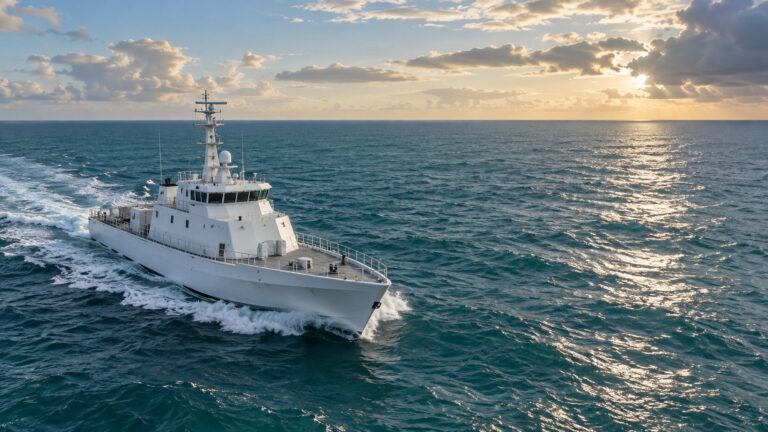
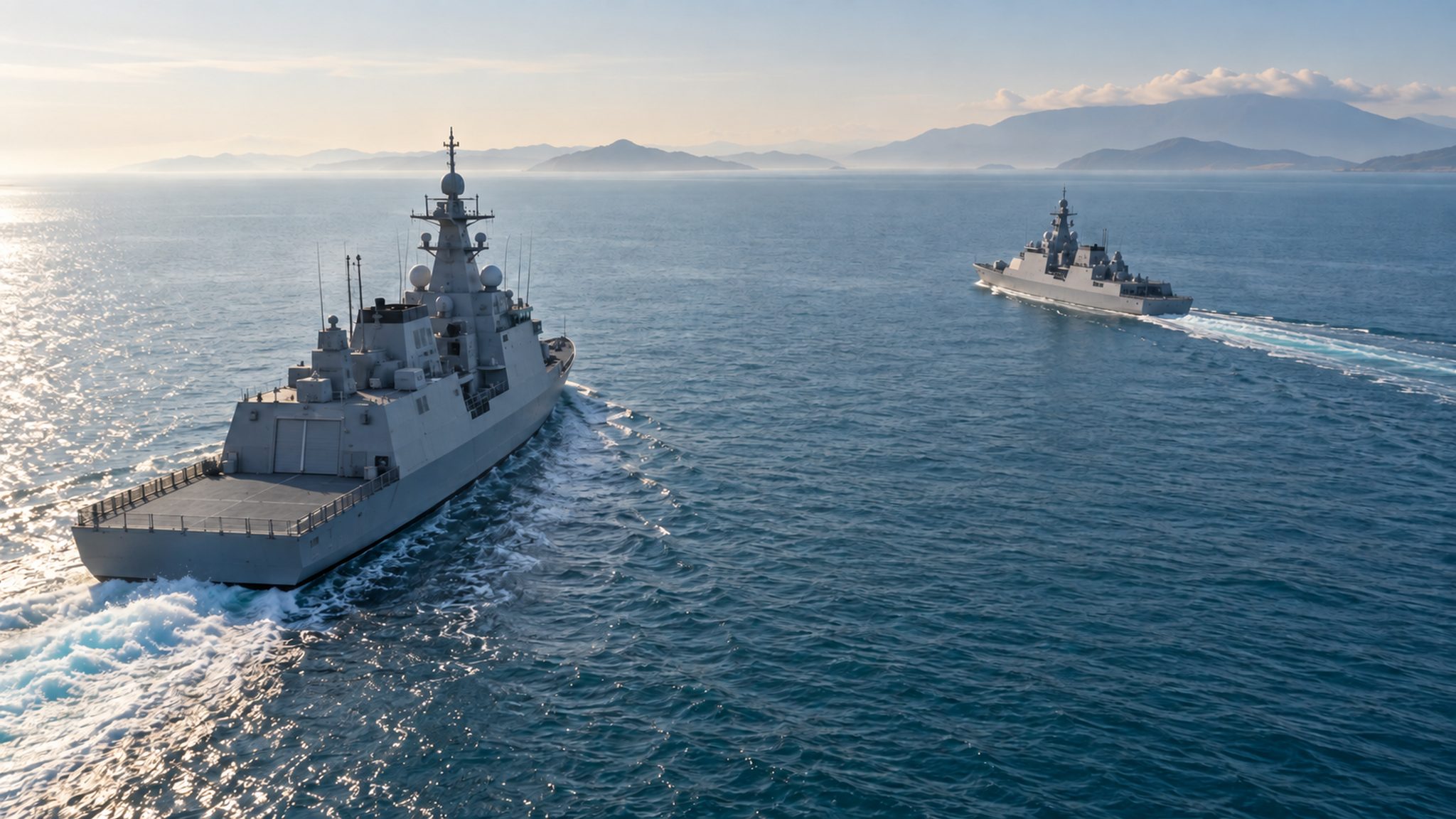
- The announced Indian participants are INS Kavaratti, an indigenous anti-submarine warfare corvette, and INS Jyoti, a fleet tanker; Sri Lanka is represented by SLNS Sindurala.
- The harbour phase includes professional interactions, cross-deck visits and sharing of best practices, alongside sports, yoga and cultural activities.
- The release describes the sea phase prospectively. It does not confirm completion of particular tactical serials, live firing or anti-submarine drills.
- Maritime cooperation needs working relationships between crews as well as agreements between governments; an exercise helps connect diplomatic intent with operational preparation.
- Interoperability concerns the ability to work together despite different equipment and procedures, rather than requiring both navies to become identical.
UPSC Relevance
Prelims Relevance
- SLINEX: bilateral maritime exercise between India and Sri Lanka.
- Visakhapatnam: location of the current exercise.
- Harbour phase and sea phase: preparation and coordinated activity.
- Corvette and fleet tanker: different naval platform roles.
- Interoperability: practical ability of different forces to work together.
Mains Relevance
GS Paper 2
- Bilateral defence engagement as a practical component of India-Sri Lanka relations.
- Confidence building without treating cooperation as a military alliance.
GS Paper 3
- Operational coordination and logistical support in maritime security.
- The relationship between preparation, communication and safe execution at sea.
Essay
- Cooperation becomes credible when institutions can work together in practice.
Background and Context
Why preparation begins in harbour
The exercise sequence separates preparation from execution: crews first build familiarity before attempting coordinated activity in a less forgiving maritime environment.
- The harbour phase provides time for professional discussions and shared understanding before units go to sea. PIB confirms that this phase began under the Eastern Naval Command, including an opening engagement aboard INS Kavaratti.
- Cross-deck visits mean personnel visit one another’s ships. Their general value lies in seeing another crew’s working environment, equipment arrangements and routines, making later exchanges less dependent on assumptions about identical practices.
- Sharing best practices allows crews to explain how they approach common professional tasks. The point is mutual learning: a procedure familiar within one navy may need clarification before personnel from another navy can follow it.
- Personal familiarity complements formal preparation. Sports and cultural exchanges can make counterparts easier to approach, but they should not be presented as proof that communications, manoeuvres or other operational tasks have already been mastered.
- The planned sea phase moves cooperation into actual coordinated activity. However, the official release gives a broad objective rather than a detailed exercise schedule, so its specific manoeuvres and results should not be invented.
What interoperability means for ships and crews
Working together requires compatible actions, not identical fleets; the practical question is whether different units can understand and support a shared task.
- Interoperability is the ability of units from different forces to operate together effectively. In general, this requires understanding each other’s procedures and coordinating actions; participation in an exercise is practice toward that goal.
- Communication must produce a shared understanding of instructions and intentions. Different terminology or routines can create confusion, so preparation matters even when crews possess capable ships and experienced personnel within their own organisations.
- Coordination at sea involves timing actions while vessels remain in motion and conditions change. This explains why a harbour discussion and an at-sea activity serve complementary purposes, rather than being interchangeable forms of cooperation.
- The announced corvette and fleet tanker illustrate different platform roles: one is a combat vessel, while a tanker supports fuel supply. Their inclusion does not prove that a replenishment manoeuvre occurred during this exercise.
- Platform capability must be separated from the published activity list. Kavaratti’s anti-submarine role describes the ship; it is not evidence that SLINEX included a particular submarine hunt, weapon firing or classified tactical procedure.
Bilateral cooperation and its limits
SLINEX is best understood as recurring naval engagement between neighbouring countries, with operational learning as its central purpose rather than an automatic security guarantee.
- Bilateral format brings two navies into a shared programme. It allows focused professional engagement, but the existence of an exercise alone does not establish a mutual-defence obligation or commitment to join future conflicts.
- Mutual understanding can reduce avoidable uncertainty about a partner’s procedures. That is a practical contribution to cooperation, although lasting confidence also depends on the wider relationship and the conduct of both governments.
- Institutional continuity matters because personnel and platforms change. Recurring contact creates opportunities to renew familiarity, share lessons and practise working arrangements, rather than assuming knowledge gained by one participating crew automatically reaches every successor.
- Operational cooperation should be assessed through what participating units actually practise and learn. Announced intentions explain an exercise’s purpose; they cannot, by themselves, establish readiness for every emergency or prove a measured improvement in performance.
- The source supports a harbour-to-sea training sequence and the goal of improved interoperability. A careful account should retain that scope, without adding unsupported claims about completed combat drills, intelligence integration or permanent joint command.
Way Forward
Turn engagement into usable learning
- Professional exchanges should identify procedural differences before coordinated activity, giving crews time to clarify instructions and responsibilities.
- Post-exercise reviews should distinguish tasks attempted, problems encountered and lessons retained, rather than treating attendance as proof of operational success.
- Public reporting should separate planned and completed activities, while protecting sensitive details and avoiding claims that exceed the evidence.
- Distinguish bilateral naval practice from multilateral coordination forums such as the Colombo Security Conclave; their participants and working formats serve different purposes.
Conclusion
- SLINEX links preparation with practice: harbour interactions build familiarity, while coordinated activity at sea tests how different crews work together. The distinction explains interoperability more usefully than memorising the exercise’s edition number.
- Keep claims proportionate to the source. The release confirms the programme and its objectives, while describing the sea phase as forthcoming; it does not establish specific completed drills or a new alliance commitment.
UPSC Practice Questions
Prelims MCQ 1
With reference to SLINEX, consider the following statements:
- It is a bilateral maritime exercise between India and Sri Lanka.
- Its harbour phase can include professional interactions and cross-deck visits.
- Participation automatically creates a mutual-defence treaty obligation.
How many of the above statements are correct?
(a) Only one (b) Only two (c) All three (d) None
Answer: (b) Only two
Explanation:
Statements 1 and 2 are correct. An exercise provides professional cooperation; participation does not automatically establish a mutual-defence treaty.
Prelims MCQ 2
Which statement best explains naval interoperability?
(a) All participating navies must operate identical ships (b) Naval forces surrender their national command structures (c) Different naval units can coordinate and operate effectively together (d) Every maritime exercise requires live weapon firing
Answer: (c) Different naval units can coordinate and operate effectively together
Explanation:
Interoperability concerns effective cooperation across different forces, equipment and procedures. It does not require identical fleets, surrendered command or any particular firing activity.
UPSC Mains Questions
- Explain how harbour-phase interactions can support interoperability during bilateral naval exercises. (150 words)
- Discuss the contribution and limits of bilateral naval exercises as instruments of maritime cooperation between neighbouring states. (250 words)
Source: PIB, Ministry of Defence.
Frequently Asked Questions
What is SLINEX?
SLINEX is the bilateral maritime exercise between India and Sri Lanka. The current programme at Visakhapatnam brings naval units together for harbour activities followed by a planned sea phase to strengthen cooperation.
Why does a naval exercise include a harbour phase?
Harbour activities allow crews to interact, visit partner ships and exchange professional practices before coordinated activity at sea. They build familiarity, but do not by themselves prove that operational tasks have been mastered.
Does interoperability require identical ships?
No. Interoperability means different naval units can understand procedures and coordinate effectively. Fleets can retain different equipment and national structures while practising ways to work together on a shared task.
Does Kavaratti’s participation confirm anti-submarine drills?
No. PIB identifies Kavaratti as an anti-submarine warfare corvette, which describes its role. The release does not specify such drills, and a platform’s capability should not be mistaken for a confirmed exercise activity.
Tell Google you want more of this.
Add Anantam IAS as a preferred sourceOne tap, and this site shows up more often in your own Top Stories, AI Overviews and AI Mode. Remove it any time.