Why in News?
On 6 November, UNHCR released No Escape III, reporting that climate hazards threaten people who have already fled conflict and can disrupt their recovery after they return home.
- The report draws on displaced communities’ accounts of heat, flooding and pressure on water supplies.
- More than two-thirds of refugees who returned home in the first half of 2026 returned to countries highly vulnerable to climate hazards.
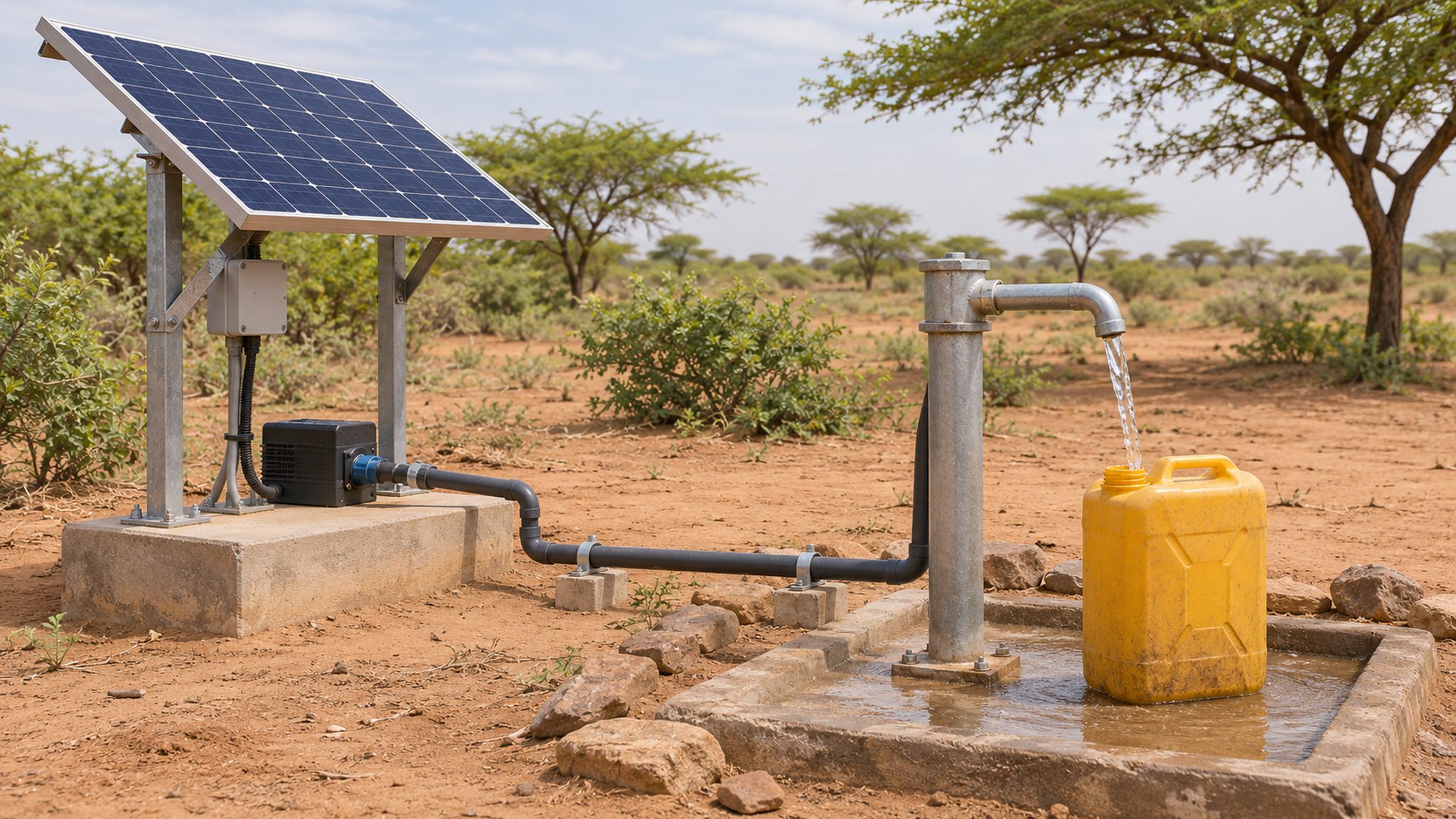
- UNHCR highlighted adaptation by displaced people and host communities, including solar-powered water systems in the Sahel.
- A family can escape fighting and encounter a separate climate hazard in the place where it finds shelter.
- Shared water supplies connect the host community and new arrivals through the same local infrastructure.
UPSC Relevance
Prelims Relevance
- UNHCR is the UN refugee agency.
- Internal displacement takes place within a country’s borders.
- Exposure concerns people or assets in places affected by a hazard.
- Adaptation can reduce harm from climate hazards in a settlement or place of return.
Mains Relevance
GS Paper 2
- Assess how international assistance can serve refugees and host communities together.
GS Paper 3
- Use local exposure and service reliability to assess disaster risk after return.
Essay
- What does rebuilding a home require after a family crosses its threshold again?
Background and Context
Why Exposure Can Persist After Flight
The reason a family leaves its home and the risks it encounters at its destination are separate questions.
- A woman interviewed for the report fled fighting in Darfur and found refuge in eastern Chad. During the hotter dry season, collecting water took longer just as her household needed more of it.
- Her account illustrates exposure after displacement. The armed conflict explains the initial flight. The dry-season water shortage helps explain why daily life in the settlement remained precarious.
- A country assessed as highly exposed can contain neighbourhoods with different water sources, shade and shelter. Its rating alone cannot establish how much heat a particular family experienced.
- Internal displacement describes forced movement within national borders. A person leaving a flood-damaged home for another town in the same country remains internally displaced even if the original house becomes permanently uninhabitable.
- A disaster can interact with conflict or persecution. Deciding a refugee protection question requires the facts of the individual case and the applicable legal criteria. A national hazard rating cannot decide that question.
How Water Services Shape Risk in Host Communities
Two households experiencing the same dry season can face very different costs in obtaining safe water.
- Consider a settlement served by one distant water point. A longer dry-season trip takes time away from school or work. A water supply nearby can reduce that burden for people living around it.
- UNHCR cites solar-powered water systems in the Sahel as an example of local adaptation. Solar power can run a pump. The service still depends on a usable water source and equipment in working order.
- Planning for shared services requires asking who can reach a water point and who maintains it. Both long-term residents and displaced households may depend on the same system during a drought.
- Heat exposure also varies with living conditions. Shade at the water point and a shorter queue could reduce time spent in the sun even when the air temperature stays the same.
What Makes Return Durable?
A record of movement tells authorities that people came back. Establishing whether they can stay requires follow-up at their destination.
- A return count records an event. A family can arrive at its former address while the house needs repairs, the nearby well runs dry or the road to work remains impassable.
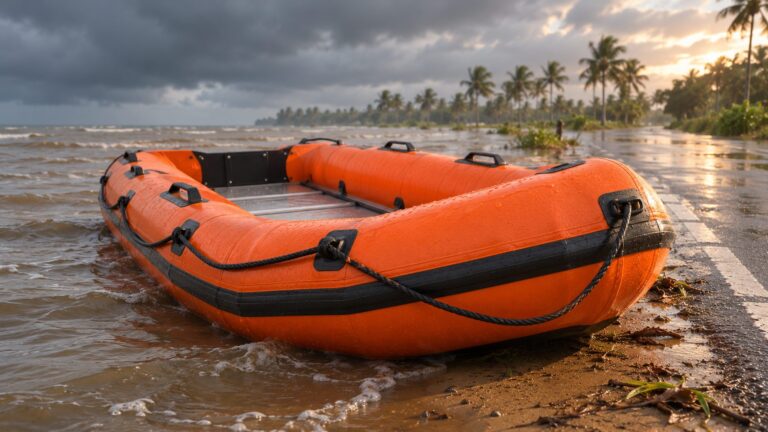
- UNHCR describes how flooding along the Euphrates damaged homes in Syria in May and displaced people again. Damage to a newly repaired dwelling can undo a household’s investment in returning.
- For a durable return, examine safety, secure shelter, services and access to livelihoods over time. A national vulnerability classification can identify areas needing examination, but district evidence guides the choice of intervention.
- Distinguish observations from projections when using report findings. Residents’ accounts document experienced conditions. A projection of future hazardous heat depends on assumptions and should retain its time horizon and conditional wording.
Way Forward
Measure Conditions Where People Settle
- Map water access and heat exposure with residents of host settlements.
- Fund maintenance alongside new water and shelter infrastructure.
- Follow up with returning households through the next hazard season.
Conclusion
- A useful assessment follows the household beyond the first move. It asks what hazard the household encounters, how it accesses essential services and whether it can rebuild a livelihood in safety.
- Use the return statistic to frame a question about reintegration. Evidence from homes, water points and workplaces helps answer whether families can remain through the next flood or dry season.
UPSC Practice Questions
Prelims MCQ 1
With reference to forced displacement, consider the following statements:
- People fleeing a flood can be displaced within their own country.
- A national exposure classification establishes each resident’s personal exposure.
- A count of returns establishes that every returnee has regained a livelihood.
How many of the above statements are correct?
(a) Only one (b) Only two (c) All three (d) None
Answer: (a) Only one
Explanation:
Only statement 1 is correct. Country assessments cannot establish individual conditions, and return counts do not measure livelihoods.
Prelims MCQ 2
Which observation best helps assess whether return after displacement has been durable?
(a) The distance from the original place of refuge (b) The number of journeys on the first day of return (c) The name of the receiving district (d) Continued access to safe housing, water and livelihoods after a hazard season
Answer: (d) Continued access to safe housing, water and livelihoods after a hazard season
Explanation:
Follow-up establishes whether returnees could maintain essential living conditions over time.
UPSC Mains Questions
- How can a climate hazard increase vulnerability after a family has fled conflict? Illustrate with a host-community service.
- Discuss the evidence needed to assess durable reintegration after refugees return home.
Source: United Nations News.
Frequently Asked Questions
What is No Escape III?
UNHCR’s report examines climate hazards affecting people who have been forcibly displaced. It includes accounts from displaced communities and describes adaptation efforts involving people living alongside them.
Can the country rating predict household exposure?
The rating identifies a broad setting for further investigation. Local conditions, including the location of a dwelling, access to water and shelter from heat, affect household exposure.
What does internal displacement mean?
Internally displaced people have been forced to leave their homes while remaining within their own country. Conflict and disasters can both trigger this kind of movement.
Why follow up after a return?
A count of arrivals gives the timing and scale of movement. Follow-up shows whether families can obtain safe shelter and water, earn a living and remain through subsequent hazards.
Tell Google you want more of this.
Add Anantam IAS as a preferred sourceOne tap, and this site shows up more often in your own Top Stories, AI Overviews and AI Mode. Remove it any time.