Why in News?
On 9 November, the Ministry of Defence reported that India and Myanmar had completed their first bilateral tri-service humanitarian assistance and disaster relief exercise, Rahat Mitra, in Chennai.
- The 5–6 November exercise brought a Myanmar Defence Forces delegation together with personnel from the Indian Army, Navy and Air Force.
- A severe cyclone scenario gave participants a common problem for joint planning and discussion of disaster management procedures.
- The second day featured capability demonstrations covering maritime search and rescue, casualty evacuation, field triage and relief camps.
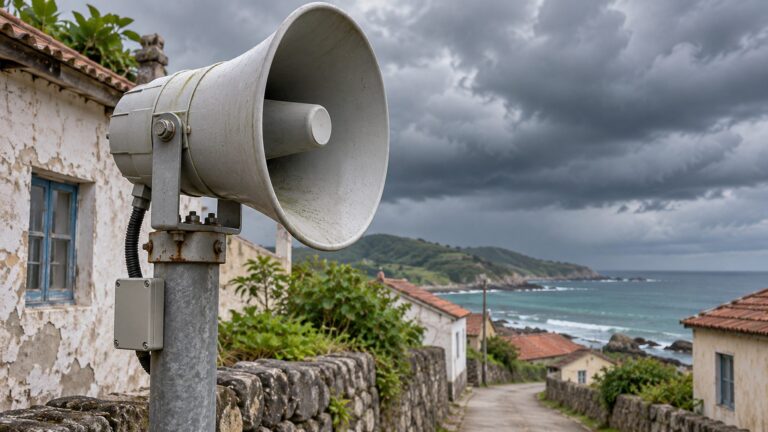
- A cyclone warning can guide decisions before landfall. Responders still need ways to reach isolated communities when roads, communications or landing sites become unusable.
- A handover between a rescue crew and a medical team can determine whether an injured survivor receives timely care after reaching shore.
UPSC Relevance
Prelims Relevance
- HADR stands for humanitarian assistance and disaster relief.
- Chennai hosted the inaugural India–Myanmar bilateral tri-service exercise.
- A tabletop exercise uses a scenario to discuss decisions and procedures.
- Field triage sorts casualties by the urgency of medical attention.
Mains Relevance
GS Paper 3
- Explain how blocked access and disrupted communications affect rescue and medical evacuation decisions.
- Use a ship-to-shore handover to illustrate the coordination demands of disaster response.
GS Paper 2
- Assess how bilateral exercises help neighbouring countries learn each other’s disaster response capabilities.
Background and Context
What Did the Cyclone Scenario Test?
Participants began with a planning problem that a coastal response team could face after a severe cyclone.
- In the tabletop exercise, the two sides discussed how they might coordinate a response. A shared scenario lets participants compare their decisions when each starts with the same information about a hazard.
- A planner who receives a warning needs to decide which routes might close and where relief teams could assemble. A cyclone decision support system helps interpret the hazards underlying those choices.
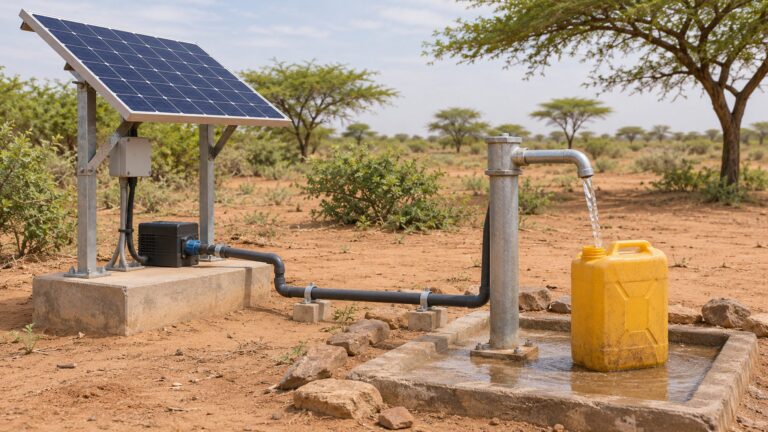
- A blocked road can isolate a settlement even when food and medical supplies are available nearby. The Army demonstrated obstacle clearance and bridge laying, two ways to restore access under different ground conditions.
- During a visit aboard INS Sukanya, the delegations examined shipborne relief capabilities. For a coastal planner, a vessel offers an additional way to approach an affected area when overland access becomes difficult.
- The stated objective was interoperability. For example, a team requesting transport needs to describe the load, destination and urgency clearly enough for a partner using different procedures to act.
How Does a Rescue Reach Medical Care?
Locating someone in distress and getting an injured survivor to suitable care require different capabilities.
- A Chetak helicopter and INS Bitra demonstrated coordinated maritime search and rescue manoeuvres. Air and surface crews need a consistent account of the search area so that each knows where the other is working.
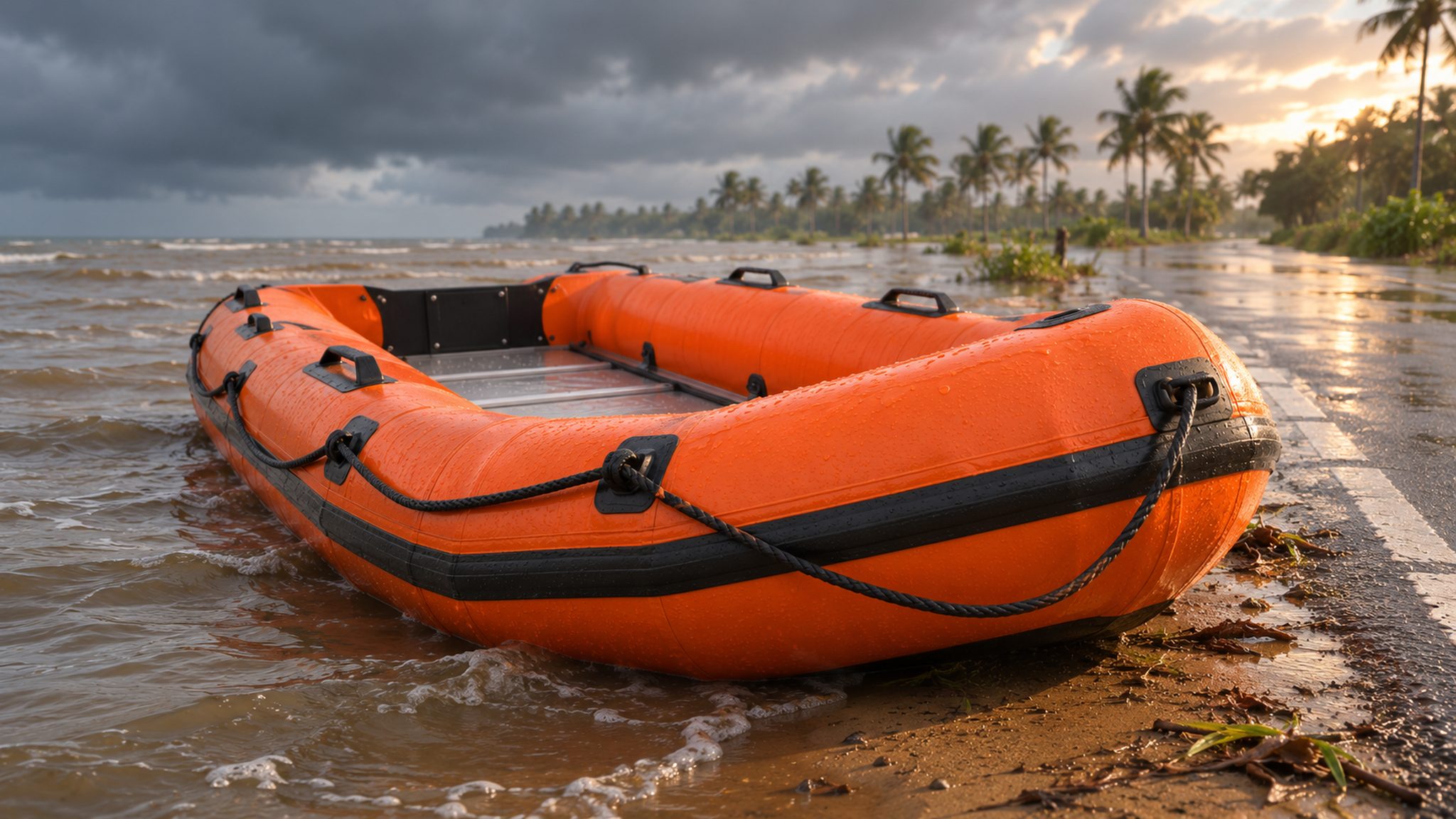
- The Navy’s Flood Relief Teams showed specialised equipment for flood operations. The equipment available to a responding team influences whether it can reach a stranded group and bring people back safely.
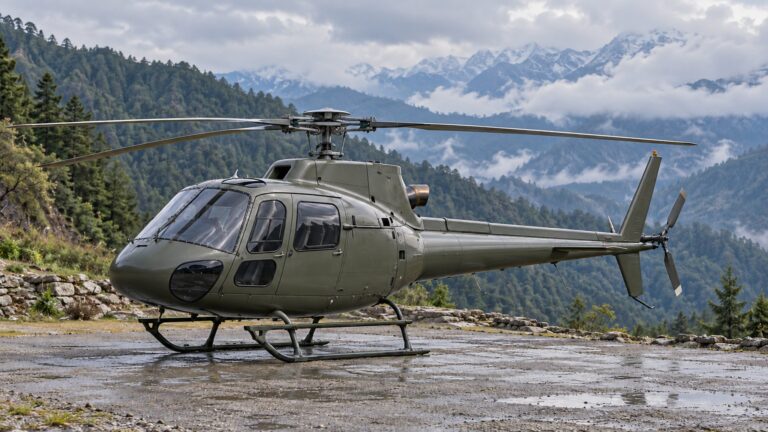
- The Air Force demonstrated casualty evacuation using an Advanced Light Helicopter, with Myanmar delegates aboard. Moving an injured person by air also requires a destination that can receive the patient.
- Field triage sets priorities when several casualties need attention at once. Military Hospital, Chennai, demonstrated triage and camp management, showing how shore teams can organise care for people who reach them.
What Can a Bilateral Drill Establish?
A relief operation depends on information passing between the teams responsible for successive decisions.
- INS Adyar and the Communication Network Centre in Chennai presented shore arrangements and communications supporting command and control. A rescue crew needs somewhere to report its position and request further assistance.
- Suppose a landing site becomes unusable while an aircraft is preparing to move a casualty. An updated handover message lets the aircrew and receiving medical team agree on another transfer point.
- An exercise can expose a procedural mismatch before lives depend on resolving it. Comparing who requests support and who acknowledges the request gives the two sides a practical basis for revising procedures.
- The Ministry’s account describes discussions and demonstrations. Assessing performance in a real cyclone would require different evidence, including whether teams reached affected settlements and whether receiving facilities could treat the casualties transferred.
Way Forward
Practise the Handover Under Disruption
- Introduce a communications failure during a future drill and check whether both teams can agree on a fallback channel.
- Ask the receiving team to confirm location, urgency and transport needs before dispatching an evacuation crew.
- Review a simulated failed transfer with the search, transport and medical teams together to identify where information stopped moving.
Conclusion
- Rahat Mitra connects disaster preparedness with bilateral cooperation through a specific task: getting responders from a shared assessment of the hazard to a workable plan for access, rescue and care.
- A ship or helicopter provides one part of the response. Its contribution depends on shore coordination, including knowing where survivors can land and which medical team can receive them.
UPSC Practice Questions
Prelims MCQ 1
With reference to Exercise Rahat Mitra, consider the following statements:
- Its inaugural edition involved India and Myanmar.
- Its tabletop exercise used a severe cyclone scenario.
- It was conducted exclusively by the two countries’ navies.
How many of the above statements are correct?
(a) Only one (b) Only two (c) All three (d) None
Answer: (b) Only two
Explanation:
The bilateral exercise used a cyclone scenario and involved Indian Army, Navy and Air Force personnel alongside a Myanmar delegation.
Prelims MCQ 2
Which activity best describes field medical triage in disaster relief?
(a) Recording the predicted cyclone track (b) Assigning ships to search sectors (c) Prioritising casualties by urgency of care (d) Restoring a washed-out road
Answer: (c) Prioritising casualties by urgency of care
Explanation:
Triage helps medical teams decide who should receive attention first when several people need treatment.
UPSC Mains Questions
- How can poor coordination between maritime rescue and shore-based medical teams affect cyclone response? Illustrate with a practical example.
- Examine how bilateral disaster relief exercises can improve preparedness and explain the limits of using exercises to judge operational readiness.
Source: PIB, Ministry of Defence.
Frequently Asked Questions
When and where did Rahat Mitra take place?
India and Myanmar conducted their inaugural bilateral tri-service HADR exercise in Chennai on 5 and 6 November 2026. The Ministry of Defence published its completion report on 9 November.
What did the participants do in the tabletop exercise?
They discussed a coordinated response to a severe cyclone scenario and joint disaster management procedures. Working through the same situation gave them a way to compare approaches before observing the capability demonstrations.
Which assets demonstrated maritime search and rescue?
A Chetak helicopter and INS Bitra took part in coordinated maritime search and rescue manoeuvres. The earlier visit to INS Sukanya focused on familiarisation with shipborne disaster relief capabilities.
How did the exercise cover care after rescue?
Military Hospital, Chennai, demonstrated field triage and the management of relief camps. An Air Force helicopter separately demonstrated casualty evacuation, which helps move an injured person to a receiving facility.
Tell Google you want more of this.
Add Anantam IAS as a preferred sourceOne tap, and this site shows up more often in your own Top Stories, AI Overviews and AI Mode. Remove it any time.