ज़्यादातर अभ्यर्थियों को यह fact चौंकाता है: clean, unpolluted rain भी acidic होती है। इसका pH करीब 5.6 है, क्योंकि हवा का carbon dioxide पानी की बूंद में घुलकर weak carbonic acid बनाता है। इसलिए “acid rain” ऐसी rain नहीं जो अचानक खट्टी हो गई। यह rain, snow, fog या dust है जिसे natural baseline से बहुत नीचे, आम तौर पर 4.2 से 4.5 pH तक, दो industrial gases ने पहुँचा दिया है। Starting point miss किया, तो chemistry और dying lakes से लेकर Taj Mahal के pitted marble तक पूरा topic magic लगेगा।
Environment section में यह favourite है क्योंकि combustion chemistry, ecology, heritage conservation और pollution-control policy को एक साथ जोड़ता है। Mechanism ठीक समझ लिया, तो question के लगभग हर version का जवाब दे सकते हैं।
Acid rain असल में क्या है?
Acid rain वह precipitation या deposited material है जो natural rainfall से काफी ज़्यादा acidic हो, क्योंकि sulphur dioxide (SO2) और oxides of nitrogen (NOx) से बने acids उसमें घुले हैं। pH scale 0 (most acidic) से 14 (most alkaline) तक है, 7 neutral है और scale logarithmic है। एक unit गिरने का मतलब acidity दस गुना होना है। इसलिए affected lake का pH natural 5.6 की जगह 4.5 हो, तो यह “थोड़ा ज़्यादा acidic” नहीं, दस गुने से भी अधिक acidic है। Ecosystems छोटे pH shifts से क्यों टूटते हैं, यही fact बताता है।
Term पुराना है। Scottish chemist Robert Angus Smith ने Manchester की industrial soot में phenomenon describe किया और 1872 की book *Air and Rain: The Beginnings of a Chemical Climatology* में “acid rain” phrase coin की। 1970s और 1980s में यह mainstream हुआ, जब Scandinavian lakes lifeless और German spruce hillsides brown होकर मरने लगे। इस die-off को Waldsterben, यानी “forest death”, कहा गया।
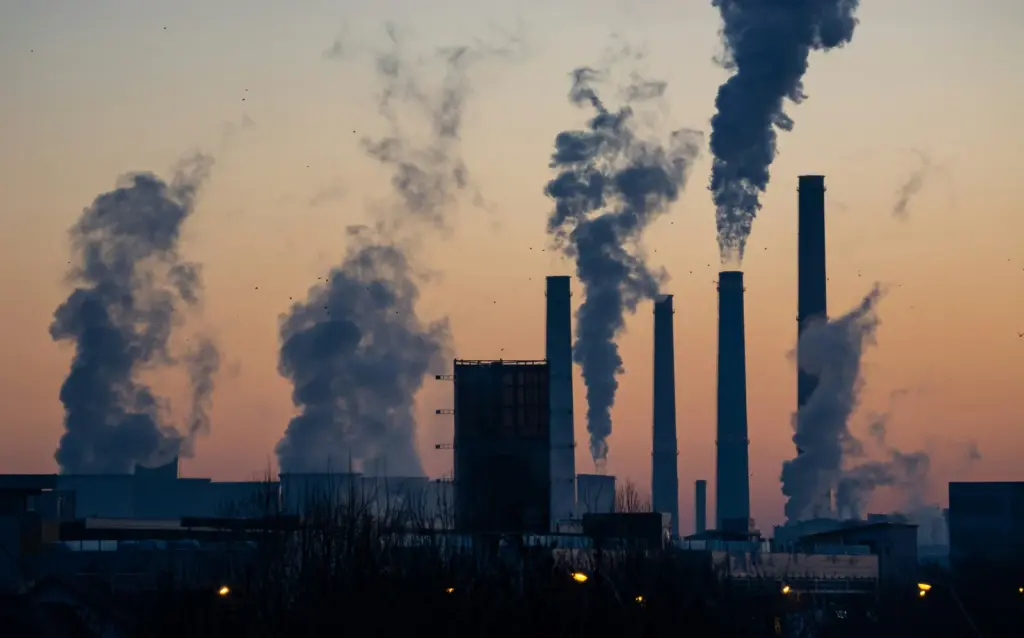
Precursor gases मुख्यतः fossil fuels जलने से आते हैं। Sulphur वाली coal और heavy oil thermal power plants, smelters और refineries में जलें, तो SO2 निकलता है। NOx तब बनता है जब combustion इतनी hot हो कि atmospheric nitrogen और oxygen combine करें। इसलिए power boilers और vehicle engines इसके बड़े sources हैं। Volcanoes और lightning natural background देते हैं, लेकिन acid deposition के sharp regional pulses human-made होते हैं और smokestack या tailpipe तक trace किए जा सकते हैं।
Chemistry: gases sulphuric और nitric acid में कैसे बदलती हैं?
दो gases ऊपर जाती हैं, दो strong acids नीचे आती हैं। Sulphur dioxide sulphuric acid (H2SO4) बनती है और nitrogen oxides nitric acid (HNO3) बनाते हैं। Atmosphere manufacturing करती है और reactions को याद रखना follow-up questions में काम आता है।
Coal में sulphur boiler में burn होकर sulphur dioxide बनाता है:
S + O2 gives SO2.
Atmosphere में SO2 धीरे-धीरे sulphur trioxide (SO3) में oxidise होती है। Sunlight, oxygen और dust तथा metals के tiny catalytic particles reaction को help करते हैं:
2SO2 + O2 gives 2SO3.
Sulphur trioxide cloud droplets से water लेकर sulphuric acid बनाती है:
SO3 + H2O gives H2SO4.
Nitrogen parallel track पर चलता है। High-temperature combustion nitrogen और oxygen को nitric oxide (NO) में जोड़ती है। NO हवा में oxidise होकर nitrogen dioxide (NO2) बनता है, brown gas जो congested cities पर कभी-कभी दिखती है। NO2 water और hydroxyl radical से react करके nitric acid बनाता है:
3NO2 + H2O gives 2HNO3 + NO.
Sulphuric और nitric acid strong acids हैं। वे लगभग पूरी तरह dissociate होकर hydrogen ions छोड़ते हैं। इसी कारण tiny concentrations के बावजूद acid rain बहुत corrosive होती है। Affected regions में करीब two-thirds acidity sulphuric और one-third nitric से आती है। Local fuel mix से ratio बदलता है: vehicle-heavy city अधिक nitric और coal-heavy industrial belt अधिक sulphuric बनाता है।
Wet deposition और dry deposition
Acid सिर्फ़ rain के रूप में नहीं गिरती। Wet deposition वह acid है जो rain, snow, sleet, fog या mist जैसे water में dissolved होकर आती है। Dry deposition acidic gases और particles हैं जो dry day पर leaves, soil, buildings और lakes की surfaces पर सीधे बैठते हैं और अगली rain या dew से wet होते ही acidic हो जाते हैं।
इसे food पर salt जैसा सोचिए। Wet deposition soup में stirred salt है। Dry deposition bowl के rim पर बैठा salt है, जो liquid पहुँचने तक harmless रहता है और फिर वही काम करता है। Less-rainy dry regions में total acid loading का बड़ा हिस्सा dry deposition हो सकता है। इसलिए problem को सिर्फ़ rainfall pH से judge नहीं कर सकते।
दो features policy को मुश्किल बनाते हैं। पहला, यह transboundary है। SO2 और NOx high-altitude winds के साथ hundreds of kilometres जा सकते हैं। Burn करने वाला country और acid receive करने वाला country अलग हो सकता है। Scandinavia ने 1970s में British और central European industry की acid absorb की। दूसरा, damage delayed और cumulative है। Emissions के वर्षों बाद soils और lakes में दिखता है, इसलिए action टालना politically आसान है। Acid कहाँ बनती और settle होती है, यह monitoring authority का पहला काम है। India में mapping Central और State Pollution Control Boards करते हैं।
Acid rain water, forests, soil और stone के साथ क्या करती है?
Damage चार जगह उतरता है। Exam में outcome नहीं, mechanism बताइए।
Aquatic ecosystems को सबसे तेज़ hit मिलता है। Acid lakes और streams में जाए तो water pH गिरता है। करीब pH 5 से नीचे fish eggs hatch नहीं होते और sensitive species गायब होती हैं। pH 4.5 से नीचे अधिकांश fish life खत्म हो जाती है। दूसरा hidden killer acidic water है जो surrounding soil से aluminium leach करके lake में ले आता है। Dissolved aluminium fish gills clog करके उन्हें suffocate करता है। Lake crystal clear रह सकती है, लेकिन पूरी तरह dead। Spring में winter snow में जमा acid एक साथ release होने से “acid shock” सबसे खराब होता है। यह thermal pollution से अलग है, जिसमें समस्या heat है, chemistry नहीं।
Forests और soil धीरे damage होते हैं। Acid rain आम तौर पर leaves जलाकर trees नहीं मारती, लेकिन needles की waxy protective coating को नुकसान देती है। बड़ा harm underground है। Acid soil से calcium और magnesium जैसे essential nutrient cations निकालकर बहा देती है और roots के आसपास toxic aluminium mobilise करती है। Soil की buffering capacity खत्म होने तक forest वर्षों ठीक दिख सकता है और फिर अचानक decline कर सकता है। 1980s का Central European Waldsterben यही था। Thin soils और acidic clouds वाले high-altitude forests सबसे exposed हैं।
Buildings और monuments सबसे visible damage दिखाते हैं। Marble और limestone calcium carbonate से बने हैं और sulphuric acid से directly react करते हैं:
CaCO3 + H2SO4 gives CaSO4 + H2O + CO2.
बना calcium sulphate soluble है और flakes होकर हटता है। Stone polish खोता, blacken होता और धीरे dissolve होता है। Conservators इसे “marble cancer” कहते हैं। Taj Mahal इसका Indian example है। Mathura refinery और Agra industries की emissions marble को yellow और pit कर रही थीं। M.C. Mehta v Union of India (1996) में Supreme Court ने monument के आसपास करीब 10,400 sq km की Taj Trapezium Zone (TTZ) बनाई और polluting industries को cleaner natural gas अपनाने या relocate होने को कहा। Acid rain और heritage law को जोड़ने का यही go-to example है।
Human health पर असर उन्हीं fine sulphate और nitrate particles से होता है जो acidity बनाते हैं। ये lungs में गहराई तक जाकर asthma, bronchitis और cardiovascular disease को worsen करते हैं। Rain की acidity skin को directly नुकसान देने जितनी strong नहीं, लेकिन pollution package serious respiratory hazard है। Acid rain को air pollution in India की wider story में रखिए।
Transboundary problem और global response
Acid borders पार करती है, इसलिए fixes international बने। Europe में 1979 Geneva Convention on Long-Range Transboundary Air Pollution (CLRTAP), UN Economic Commission for Europe के तहत negotiate हुई और national borders के पार air pollution tackle करने वाली पहली legally binding treaty बनी। बाद में 1985 Helsinki Protocol और 1999 Gothenburg Protocol जैसे protocols ने sulphur emissions cuts को मजबूत किया।
United States में 1990 Clean Air Act Amendments ने Acid Rain Program शुरू किया। इसमें SO2 के लिए cap-and-trade था। Government ने total emissions cap किए, tradeable allowances दिए और power plants को buy-sell करने दिया। इसे successful market-based environmental policy माना जाता है। US power-sector SO2 आधे से भी अधिक घटा, अपेक्षा से तेज़ और सस्ते में। Firm cap और flexible trading का यह combination emissions markets की useful comparison है।
India कहाँ खड़ा है: low-sulphur coal, high emissions
India की position double-edged है। Indian coal naturally low in sulphur है, typically 0.3 से 0.5 percent, Europe और North America को तबाह करने वाले high-sulphur coal से बहुत कम। इससे India ने acidified-lakes catastrophe से largely बचाव किया और देश के बड़े हिस्से में rainfall acidity manageable limits में मिली। दूसरी ओर India बहुत अधिक coal जलाता है। इसका total SO2 output दुनिया के सबसे बड़े outputs में है। Greenpeace ने NASA satellite data से Singrauli जैसे thermal-power clusters को बड़े SO2 hotspots बताया है। Low concentration, vast volume।
इसी tension पर flue-gas desulphurisation (FGD) की policy fight है। 2015 में India ने पहली बार coal plants के लिए SO2 limits रखीं और FGD units अनिवार्य किए, लेकिन deadlines बार-बार पीछे गईं। July 2025 में Ministry of Environment, Forest and Climate Change ने mandate sharply narrow किया। करीब 600 coal-power units तीन categories में बाँटे गए। Category A, NCR या million-plus cities के 10 km के भीतर करीब 11 percent units, December 2027 तक comply करेंगे। Category B, critically polluted areas के पास, case by case तय होगा। Category C, करीब 78 percent units, FGD से exempt हैं और सिर्फ़ chimney-height norms मानेंगे। Government का तर्क IIT Delhi, CSIR-NEERI और दूसरे studies पर है: low-sulphur coal और tall stacks ambient SO2 limits में रखते हैं, इसलिए tens of thousands crores FGD spending justify नहीं होती। Critics कहते हैं SO2 harmful secondary particulates बनाती रहती है और decision public health को utility balance sheets के लिए trade करता है। यह cost-versus-precaution debate है। अच्छे answer में दोनों sides रखिए।
Acid rain को कैसे control करें?
Control का उद्देश्य दो precursor gases को chimney या tailpipe से निकलने से पहले रोकना या वह fuel कम जलाना है जो उन्हें बनाता है। Measures को clear order में रखिए।
| Approach | कैसे काम करता है? | क्या target करता है? |
|---|---|---|
| Flue-gas desulphurisation (FGD) | Scrubber exhaust में limestone slurry spray करता है; alkali SO2 neutralise करके gypsum by-product बनाती है | Power plants और smelters का SO2 |
| Low-sulphur fuel और coal washing | Low-sulphur coal चुनना या burn से पहले coal clean करना sulphur source पर हटाता है | Fuel stage का SO2 |
| Fluidised bed combustion | Bed में limestone के साथ coal जलाने पर combustion के दौरान sulphur capture होता है | Burning के समय SO2 |
| Catalytic converters और low-NOx burners | Converters vehicle exhaust में NOx काटते हैं; redesigned burners कम temperature पर burn करके NOx formation घटाते हैं | Transport और power का NOx |
| Clean energy shift | Solar, wind, nuclear और gas SO2 तथा NOx बहुत कम या नहीं emit करते | Root पर दोनों gases |
| Liming | Acidified lakes और soils में powdered limestone डालकर existing acidity neutralise की जाती है | हो चुका damage |
FGD sulphur के लिए workhorse है। Scrubber flue gas को fine limestone slurry से गुजारता है। SO2 react होकर हटती है, अक्सर 90 percent से अधिक, और gypsum बनता है जिसे cement plants reuse कर सकते हैं। NOx के लिए transport में catalytic converters और cleaner engines महत्वपूर्ण हैं। सबसे durable fix upstream है: coal और oil कम जलाना। Renewables या gas की हर megawatt दोनों gases हटाती है। Liming stricken lakes और forests पर limestone फैलाकर symptom treat करती है, cause नहीं। यह last resort है। India का enforcement environmental laws, Air Act 1981, Environment Protection Act, 1986, NGT और pollution-control boards के framework में है।
Exam के लिए इसे कैसे पढ़ें?
Effects की list मत रटिए। Chain सीखिए: fossil fuel burns, SO2 और NOx निकलते हैं, air में oxidise होकर H2SO4 और HNO3 बनते हैं, wet या dry deposition के रूप में गिरते हैं और water, forests, soil तथा stone को नुकसान देते हैं। यह एक sentence scattered facts के एक page से ज़्यादा उपयोगी है।
तीन anchor examples तैयार रखिए: heritage-law angle के लिए Taj Trapezium Zone और M.C. Mehta case, policy-design के लिए US Acid Rain Program cap-and-trade और current both-sides angle के लिए 2025 FGD exemption debate। Prelims में natural rain pH 5.6 और acid-rain range 4.2-4.5 confuse मत कीजिए। Natural acidity carbon dioxide से आती है, sulphur से नहीं। Acid rain को ozone depletion या greenhouse effect से न मिलाएँ। Gases और mechanisms अलग हैं। Mains में FGD question economic cost, public health और low-sulphur-coal argument को genuine trade-off में रखता है।
सामान्य प्रश्न
Acid rain किस वजह से होती है?
मुख्य कारण fossil fuels जलने से निकली sulphur dioxide (SO2) और nitrogen oxides (NOx) हैं। Atmosphere में ये gases oxygen और water से react करके sulphuric और nitric acid बनाती हैं। फिर acids rain, snow, fog या dust के साथ नीचे आती हैं।
Normal rain थोड़ी acidic क्यों होती है?
Normal rain का pH करीब 5.6 है क्योंकि air का carbon dioxide water droplets में घुलकर weak carbonic acid बनाता है। Acid rain तब कहते हैं जब sulphuric और nitric acid के कारण pH 4.2-4.5 तक गिर जाए।
Wet और dry deposition में क्या अंतर है?
Wet deposition rain, snow, fog या mist में dissolved acid है। Dry deposition dry day पर surfaces पर बैठने वाली acidic gas और particles हैं, जो अगली rain या dew से wet होकर acidic बनते हैं। दोनों अलग routes से same acids पहुँचाते हैं।
Acid rain Taj Mahal को कैसे नुकसान पहुँचाती है?
Taj Mahal का marble calcium carbonate है। Sulphuric acid से soluble calcium sulphate बनता है। Marble yellow, pit और flake होता है। इसे marble cancer कहते हैं। Supreme Court ने 1996 में Agra के आसपास industrial emissions control करने के लिए Taj Trapezium Zone बनाई।
Water clean दिखने पर भी acid rain fish को क्यों मारती है?
pH घटाने के अलावा acid rain surrounding soil से aluminium lake में leach करती है। Dissolved aluminium fish gills clog और damage करके fish को suffocate करता है। इसलिए lake clear दिखकर भी biologically dead हो सकती है।
FGD क्या है और acid rain को कैसे control करता है?
Flue-gas desulphurisation (FGD) power plant exhaust में limestone slurry spray करने वाला scrubbing system है। Alkali SO2 से react करके उसे हटाती है, अक्सर 90 percent से ज़्यादा, और gypsum by-product बनता है। यह sulphur emissions source पर घटाने की मुख्य technology है।
क्या India में acid rain serious problem है?
India का coal low-sulphur है, इसलिए Europe और North America जैसी acidified-lakes crisis से largely बचा है और rainfall acidity आम तौर पर limits में है। लेकिन coal consumption बहुत बड़ा है, जिससे total SO2 output world में सबसे अधिक है। 2025 में FGD rules ढीले किए जाने से issue live है।
अभ्यास प्रश्न
1. Unpolluted rainwater का natural pH लगभग कितना होता है?
a) 7.0
b) 5.6
c) 4.5
d) 6.8
उत्तर: b) 5.6, क्योंकि clean air में भी dissolved carbon dioxide weak carbonic acid बनाता है।
2. Acid rain के लिए मुख्य रूप से कौन-सी gases responsible हैं?
a) Carbon dioxide और methane
b) Sulphur dioxide और oxides of nitrogen
c) Ozone और carbon monoxide
d) Chlorofluorocarbons और nitrous oxide
उत्तर: b) Sulphur dioxide और oxides of nitrogen
3. Taj Trapezium Zone किस Supreme Court case के बाद बनी?
a) Vellore Citizens Welfare Forum v Union of India
b) Subhash Kumar v State of Bihar
c) M.C. Mehta v Union of India
d) Rural Litigation and Entitlement Kendra v State of UP
उत्तर: c) M.C. Mehta v Union of India, 1996 में decided।
4. Acidified lake में surrounding soil से किस element के leaching से fish मरती हैं?
a) Iron
b) Mercury
c) Aluminium
d) Lead
उत्तर: c) Aluminium, जो fish gills clog और damage करता है।
5. FGD systems sulphur dioxide neutralise करने के लिए आम तौर पर किस material का उपयोग करते हैं?
a) Activated carbon
b) Limestone slurry
c) Sodium chloride
d) Silica gel
उत्तर: b) Limestone slurry, जो SO2 से react करके gypsum बनाती है।
मुख्य परीक्षा के प्रश्न:
- Sulphur dioxide और oxides of nitrogen acid rain कैसे बनाते हैं, इसकी chemistry समझाइए और wet तथा dry deposition में अंतर बताइए। (150 शब्द)
- “Acid rain transboundary pollution problem है और इसके लिए purely national नहीं, international solutions चाहिए।” इसे global regimes के संदर्भ में discuss कीजिए। (150 शब्द)
- Aquatic ecosystems, forests और India के cultural monuments पर acid rain के impact की जाँच कीजिए। हर एक के लिए specific example दीजिए। (250 शब्द)
- Most Indian coal-power units को FGD लगाने से exempt करने के 2025 decision का critical evaluation कीजिए। क्या low-sulphur coal ऐसी relaxation justify करता है? (250 शब्द)
- Acid rain control करने के technological और policy measures पर चर्चा कीजिए। India के energy mix के लिए सबसे suitable measures का assessment कीजिए। (250 शब्द)
Acid rain उस अभ्यर्थी को reward करती है जो effects रटने के बजाय mechanism सीखता है। Scandinavian silent lake से Agra के flaking marble तक हर effect chemistry की उसी chain का अलग surface पर result है। Chain पकड़िए, तीन sharp examples रखिए और FGD trade-off पर दोनों sides से ईमानदारी से argument कीजिए। तब answer सिर्फ़ यह list नहीं करेगा कि acid rain क्या करती है, वह यह भी दिखाएगा कि क्यों करती है।