Bhima Koregaon की अधिकतर notes एक confusing question पर अटकती हैं: क्या यह British और Marathas की fight थी या Dalits और upper-caste Peshwas की? ईमानदार answer है कि शुरुआत पहली थी और एक century बाद दूसरी बनी। यही topic का point है। Battle Third Anglo-Maratha War की छोटी और brutal engagement थी। इसका second life, Dalit pride के symbol के रूप में, 1927 में एक stone pillar के पास खड़े एक व्यक्ति ने बनाया। दोनों stories अलग रखिए। Bhima Koregaon confusing नहीं रहेगा।
1 January 1818 को Bhima Koregaon में क्या हुआ?
1 January 1818 की सुबह करीब 834 men की British East India Company column Pune से करीब 30 kilometres दूर Bhima river के किनारे Koregaon गाँव के पास Peshwa army का रास्ता रोककर खड़ी थी। इसका नेतृत्व Captain Francis Staunton कर रहे थे। यह 2nd Battalion, 1st Regiment of Bombay Native Infantry थी, जो Shirur से Pune की British garrison को reinforce करने जा रही थी। इसके पास दो 6-pounder guns और auxiliary horse की छोटी body थी।
सामने Peshwa Bajirao II की army थी, करीब 28,000 troops। Peshwa British के कब्ज़े वाले Pune को retake करने जा रहा था। उसने करीब 2,000 infantry को Koregaon की छोटी Company column हटाने भेजा। Quick brushing-aside करीब बारह घंटे के house-to-house fighting में बदल गया।
Staunton के men रातभर march करके exhausted और बिना water गाँव पहुँचे। उन्होंने mud-walled houses में cover लिया और hold किया। Well और village enclosure एक से अधिक बार हाथ बदले। Nightfall तक Peshwa detachment पीछे हट गया। Bajirao II को General Smith की main British army के करीब आने की चिंता थी, इसलिए long siege के बजाय पूरी force वापस ले गया। Staunton column के करीब 275 men killed, wounded या missing हुए, फिर भी उसने assigned ground hold की।
Tactically battle इतनी ही थी। इसने Peshwa army destroy नहीं की और अकेले war decide नहीं किया। यह कई engagements में एक stubborn defensive stand था। लेकिन Maratha Empire पहले से collapse कर रहा था और कुछ महीनों में empire खत्म हो गया।
यह किस war का हिस्सा थी: Marathas का पतन
Bhima Koregaon को आसपास के war के बिना नहीं समझ सकते। यह Third Anglo-Maratha War (1817-1818) के दौरान हुई, तीन wars की आख़िरी कड़ी जिसमें British East India Company ने 18वीं सदी की dominant Indian power Maratha Confederacy को dismantle किया।
Marathas Chhatrapati Shivaji Maharaj के समय 17वीं सदी में उठे और Peshwas के समय subcontinent में फैले। उनकी northward push Third Battle of Panipat (1761) में टूटी। Confederacy recover हुई लेकिन momentum लौटाया नहीं। British ने धीरे-धीरे उसे घेर लिया। Treaty of Salbai (1782) ने First Anglo-Maratha War खत्म करके uneasy peace दी।
1817 तक Pune का Peshwa Bajirao II Subsidiary Alliance में British का subordinate ally था और इससे नाराज़ था। Anti-British Maratha front बनाने की कोशिश ने war शुरू किया। Bhima Koregaon के छह महीने के भीतर June 1818 में Bajirao II surrender कर गया। Peshwa office abolish हुआ, उसे Kanpur के पास Bithur pension पर भेजा गया और Company ने Maratha territories का अधिकांश Bombay Presidency में ले लिया। उसका adopted son Nana Saheb बाद में 1857 uprising का central figure बना। Battle इसलिए hinge है: western India में Company rule के खिलाफ़ resistance खत्म करने वाले war का closing engagement और एक लंबे social reckoning की शुरुआत।
यह historical layer है। अब second layer देखिए।
Battle Dalit symbol कैसे बनी?
Koregaon में लड़ने वाली Bombay Native Infantry battalion में Mahar community के बहुत soldiers थे। Maharashtra की यह untouchable caste social order के bottom पर रखी जाती थी और honourable professions से बाहर थी। Soldiering dignity और pay का rare रास्ता था। Company caste से कम और recruits से अधिक concerned थी, इसलिए Mahars बड़ी संख्या में enlisted हुए।
British ने site पर 1821 में victory pillar लगाया और fallen soldiers के names inscribe किए। Indian-origin dead में करीब 22 Mahars identifiable थे, साथ में Marathas, Rajputs, Muslims और others। जिस community को history में नाम भी नहीं मिलता था, उसके लिए public stone monument पर Mahar names soldiers की तरह दर्ज होना powerful record था।
एक century बाद 1 January 1927 को Dr B.R. Ambedkar Koregaon आए और pillar के सामने खड़े हुए। उनके लिए site proof थी कि Mahar soldiers equals की तरह खड़े और लड़े थे। यह Dalit courage की ऐसी usable memory थी जो contemporary reform movements से पहले की थी। British का colonial war memorial Ambedkar ने Dalit assertion का monument बना दिया।
उस visit से annual tradition निकली। हर 1 January lakhs of people, overwhelmingly Dalit, Vijay Stambh पर respect देने आते हैं। यह country की बड़ी self-organised commemorations में है और Maharashtra की Ambedkarite political-cultural life का fixture है।
Caste framing पर historians क्या कहते हैं?
दो loud opposite claims दोनों oversimplify करते हैं। Popular commemorative narrative कहती है कि यह oppressed Mahars की casteist Brahmin Peshwa पर victory थी। Critics कहते हैं Mahars foreign colonial power के लिए Indian ruler के खिलाफ़ लड़े, इसलिए commemoration colonialism celebrate करती है।
Careful reading narrow है। Battle colonial war में Company-versus-Peshwa military engagement थी, caste aims पर लड़ी गई caste war नहीं। Peshwa army में भी कई backgrounds के soldiers थे और Company के motives imperial थे, emancipatory नहीं। Literal event Dalit uprising नहीं था।
लेकिन symbolic meaning झूठ भी नहीं है। Chitpavan Brahmin Peshwas का regime harsh untouchability practices से जुड़ा था और Mahars के पास loyalty की वजह कम थी। Mahar soldiers का discipline और courage documented है। 1927 में Ambedkar ने false history invent नहीं की। उन्होंने true fragment, Mahar soldiers की presence और valour, चुनकर उसे ऐसा meaning दिया जो original participants ने intend नहीं किया था। Event military था, memory social है। इनके बीच का gap ही पूरा argument है।
Mahar military tradition और उससे वंचित किया जाना
Mahars के लिए soldiering one-off नहीं, standing पाने का पुराना रास्ता था। Marathas और East India Company की Bombay Presidency में Mahars soldiers, watchmen और messengers के रूप में बड़ी संख्या में serve करते थे। Military uniform में वे shoot और line hold करने वाले men माने जाते, जबकि society उन्हें polluting और untouchable समझती। Uniform उस समय equal citizenship के सबसे करीब रास्ता था।
19वीं सदी के second half में British ने recruitment को pseudo-scientific “martial races” idea से बदल दिया। कुछ caste और region groups को naturally soldier बताया गया। Mahars और कई दूसरे groups quietly recruitment से drop हुए। Koregaon में blood देने वाली community के लिए उसी power ने army door बंद कर दिया जिसकी उसने service की थी।
Young B.R. Ambedkar समेत Mahar leaders ने recruitment वापस पाने की मांग की। Ambedkar के father भी soldier थे। Campaign सफल हुआ। Second World War के दौरान 1941 में dedicated Mahar Regiment raised हुई, जो आज Indian Army की fighting regiments में है और Koregaon को lineage के battle honours में रखती है। Arc पूरा हुआ: 1818 में fight, martial-races doctrine से exclusion और एक century के भीतर अपना regiment। Pillar recognition की इस लंबी fight का पहला chapter है।
Vijay Stambh: monument क्या है?
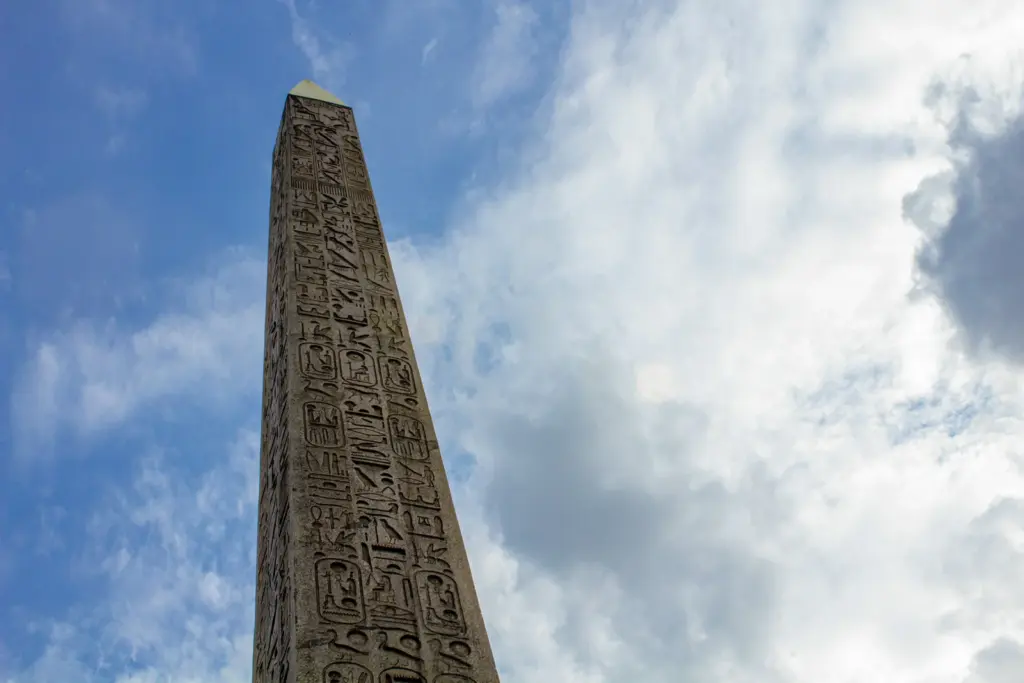
Vijay Stambh, Jaystambh या Koregaon pillar, करीब 60 feet ऊँचा obelisk है। यह Pune district के Koregaon Bhima, Perne village में Bhima river के पास है। East India Company ने 1821 में इसे military war memorial बनाया। English inscription engagement को East में British army की proud triumphs में बताती है और dead soldiers के names देती है।
लंबे समय तक यह ordinary colonial monument था। 20वीं सदी में Ambedkarite movement ने इसे living pilgrimage site बनाया। New Year’s Day की annual gathering अब physical pillar के scale से बहुत बड़ी है। Colonial regimental insignia में pillar की image और Bombay infantry successor regiments के battle honour “Koregaum” भी रहे।
2018 की events plain language में
Bicentenary 1 January 2018 को थी और crowd unusually बड़ा था। एक दिन पहले 31 December 2017 को Pune में Elgar Parishad public conclave हुआ। 1 January को Koregaon Bhima में visitors और local residents के groups के बीच clashes हुए। One person की death और कई injuries हुईं। बाद में Maharashtra के हिस्सों में protests और bandh फैला।
Aftermath long-running legal matter बना। Police investigations दो threads में चलीं: local clashes और दूसरा controversial thread, जिसमें Elgar Parishad से जुड़े charges में anti-terror law के तहत activists, academics और lawyers arrest हुए। Institutions और commissions ने अलग accounts examine किए। Violence किसने instigate की, contested और ongoing proceedings का subject है।
Aspirant के लिए discipline यह है कि इसे arm’s length पर रखें। 2018 recent, politically charged और legally live है। यह historical importance की वजह नहीं। इसे disputed facts और unresolved cases वाला factual episode लिखिए। Durable content 1818 battle और memory site का transformation है।
आपके बड़े themes से इसका connection
Bhima Koregaon standalone battle नहीं, कई themes का hook है। यह Anglo-Maratha Wars और western India में Company conquest से जुड़ता है। यह caste, untouchable communities के humiliation और military service के rare escape route से जुड़ता है। यह Dalit assertion और Ambedkar project से जुड़ता है, जो 1920s के temple-entry और water-rights struggles से constitutional guarantees तथा reservation in India और SC/ST Prevention of Atrocities Act तक जाता है। caste system in India के notes से इसे जोड़िए।
Clean way यह है: same site colonial conquest और social justice, दोनों chapters में आ सकती है। History और memory अलग subjects हैं जो same stone use करते हैं।
Exam के लिए Bhima Koregaon को कैसे पढ़ें?
Troop movements मत रटिए। Skeleton और significance सीखिए। Five anchors हैं: 1 January 1818, Third Anglo-Maratha War, Company force under Staunton versus Peshwa Bajirao II, Bombay Native Infantry के Mahar soldiers और Vijay Stambh (1821)।
Connecting line: यह colonial battle थी जिसे Ambedkar ने 1 January 1927 को pillar visit करके Dalit assertion का symbol बनाया। Event military engagement था, caste war नहीं, लेकिन Mahar soldiers की presence और courage ने genuine second life दी। Battle को history, pillar को memory की तरह पढ़िए और labels साफ़ रखिए।
सामान्य प्रश्न
Battle of Bhima Koregaon कब और किनके बीच हुई?
1 January 1818 को Pune district में Bhima river के पास Koregaon में British East India Company की करीब 834 men वाली Captain Francis Staunton की force और Peshwa Bajirao II की बड़ी army के बीच हुई। यह Third Anglo-Maratha War का हिस्सा थी।
Battle of Bhima Koregaon किसने जीती?
Company column ने करीब बारह घंटे position hold की और Peshwa पीछे हट गया। British ने इसे successful defensive action माना। यह अकेले decisive battle नहीं थी, लेकिन Maratha Confederacy खत्म करने वाले war के closing months में हुई।
Battle Mahar community से क्यों जुड़ी है?
Bombay Native Infantry battalion में Mahar community के कई soldiers थे। Indian soldiers में मरने वाले करीब 22 Mahars के names victory pillar पर लिखे गए। Community के लिए, जिसे history से erase किया जाता था, यह unusual public record था।
Vijay Stambh क्या है?
Vijay Stambh या Jaystambh 1821 में British द्वारा Koregaon Bhima में बनाया गया obelisk war memorial है। इसमें fallen soldiers के names हैं। बाद में यह annual Dalit commemoration का focal point बना।
Bhima Koregaon Dalit assertion का symbol कैसे बनी?
1 January 1927 को Dr B.R. Ambedkar ने pillar visit करके इसे Mahar courage और dignity का monument reframe किया। इसके बाद हर 1 January site पर gathering की tradition बनी, जो बड़ी Ambedkarite commemorations में है।
क्या battle सच में Dalits और upper castes की fight थी?
Literal sense में नहीं। यह colonial war में Company-versus-Peshwa military engagement थी और दोनों armies mixed थीं। Caste meaning बाद में बना। लेकिन Mahar soldiers की presence और valour real थे, इसलिए symbolic reading में substance है।
2018 में Bhima Koregaon में क्या हुआ?
Bicentenary पर 1 January 2018 को large crowds आए और Koregaon Bhima के आसपास clashes हुए। एक person की death और Maharashtra में protests हुए। Elgar Parishad से जुड़े cases contested और unresolved हैं।
Bhima Koregaon कहाँ स्थित है?
यह Maharashtra के Pune district में Perne village, Koregaon Bhima, Bhima river के bank पर है और Pune city से करीब 30 kilometres north-east है।
अभ्यास प्रश्न
1. Battle of Bhima Koregaon (1818) किस war का हिस्सा थी?
a) First Anglo-Maratha War
b) Second Anglo-Maratha War
c) Third Anglo-Maratha War
d) First Anglo-Mysore War
उत्तर: c) Third Anglo-Maratha War
2. Bhima Koregaon की Company force का command किसने किया?
a) General Arthur Wellesley
b) Captain Francis Staunton
c) General Lake
d) Colonel Malcolm
उत्तर: b) Captain Francis Staunton
3. Bhima Koregaon में Company से लड़ने वाली Maratha army का ruler कौन था?
a) Peshwa Balaji Bajirao
b) Mahadji Scindia
c) Peshwa Bajirao II
d) Nana Fadnavis
उत्तर: c) Peshwa Bajirao II
4. Koregaon का Vijay Stambh कब बना?
a) 1818
b) 1821
c) 1848
d) 1927
उत्तर: b) 1821
5. Bhima Koregaon को Dalit assertion का symbol बनाने से सबसे directly कौन जुड़ा है?
a) Jyotirao Phule की writings
b) B.R. Ambedkar का 1 January 1927 visit
c) Poona Pact of 1932
d) Mahad Satyagraha of 1927
उत्तर: b) B.R. Ambedkar का 1 January 1927 visit
- Third Battle of Panipat से Third Anglo-Maratha War के end तक Maratha Confederacy के decline को trace कीजिए और Bhima Koregaon को उस process में रखिए।
- “Bhima Koregaon military engagement थी, जिसका social meaning एक century बाद बनाया गया।” इस statement का critical examination कीजिए।
- Colonial state में military service ने Mahars जैसी marginalised communities को social mobility का rare avenue कैसे दिया? इसकी limits assess कीजिए।
- Collective memory बनाने में monuments और commemorations की role examine कीजिए। Bhima Koregaon को case study बनाइए।
- B.R. Ambedkar ने Dalits के लिए dignity politics बनाने में historical symbols का इस्तेमाल कैसे किया? Bhima Koregaon और 1920s assertion movements के reference में बताइए।