भारत के one-horned rhino को किसी aspirant से locate करने को कहें तो answer जल्दी आता है: Kaziranga, Assam। पूछें कि wild rhino और कहाँ घूमते हैं तो कमरे में चुप्पी छा जाती है। यही gap Dudhwa को महत्वपूर्ण बनाता है। Uttar Pradesh के बहुत उत्तर में Nepal border के पास बसा Dudhwa वह जगह है जहाँ greater one-horned rhinoceros को local extinction के बाद जानबूझकर वापस लाया गया। यहीं swamp deer यानी barasingha का देश में सबसे बड़ा home बचा है। यह Corbett और Kaziranga का कम photograph किया गया cousin है और शायद इसी वजह से exam में वह answer बनता है जिसे लोग miss कर देते हैं।
Dudhwa Terai को समझने की आपकी सबसे अच्छी single window भी है। Himalaya के foot पर फैली wet, tall-grass और swampy belt को syllabus notes अक्सर एक line में लिखकर भूल जाते हैं। Corbett Shivalik foothills सिखाता है, Kaziranga Brahmaputra floodplain और Dudhwa Terai सिखाता है। यहाँ sal forest, tall wet grasslands और marshes का mosaic है, जो India के सबसे productive और threatened habitats में है। Dudhwa को सही तरह सीखें तो एक file में national park, tiger reserve, species reintroduction और पूरा ecosystem आ जाता है।
Dudhwa कहाँ है और Terai असल में क्या है
Dudhwa National Park Uttar Pradesh के Lakhimpur Kheri district में India-Nepal border के साथ, Gangetic plain के northern edge पर है। International boundary पर होना केवल trivia नहीं है। Forest Nepal में भी आगे जारी रहता है, इसलिए tigers, rhinos और elephants के लिए Dudhwa बड़े transboundary landscape का हिस्सा है। ये border को नहीं मानते, इसी वजह से management में cross-border coordination बार-बार सामने आती है।
सबसे पहले habitat समझें, क्योंकि बाकी सब उसी से निकलता है। Dudhwa Terai-Bhabar belt में है। Himalaya से आने वाली rivers porous Bhabar में boulders गिराने के बाद Terai में springs और marshes के रूप में फिर बाहर आती हैं और waterlogged plain में फैलती हैं। इससे तीन हिस्सों वाला rich mosaic बनता है: सूखी जमीन पर dense sal forest, locals के phantas कहे जाने वाले बड़े wet grasslands और Suheli तथा Mohana जैसी swamps, lakes और rivers। Grassland-wetland combination बहुत productive है। इसी से Dudhwa swamp deer, rhino और wild elephant जैसे बड़े grazers को संभाल पाता है। Physical geography में यही classic Indo-Gangetic plains sequence है, जिसमें Bhabar के बाद Terai और फिर Bhangar तथा Khadar आते हैं। इसे Indo-Gangetic plains वाली note के साथ पढ़ें।
लंबे grasslands ecological hero भी हैं और management headache भी। वे swamp deer और hog deer को food देते हैं, tiger को छिपाते हैं और rhino को चरने की जगह देते हैं। लेकिन periodic burning और grazing के बिना woody species घुस जाती हैं और खुला character खत्म होता है, जिस पर specialist grassland animals निर्भर हैं। दूसरे शब्दों में, Dudhwa में grassland management side task नहीं है। यही park चलाने का core है। इससे यह धारणा भी टूटती है कि conservation का अर्थ हमेशा nature को बिल्कुल untouched छोड़ना है।
Swamp-deer sanctuary से full tiger reserve तक
Dudhwa का legal status stages में बढ़ा। Timeline ठीक रखना ज़रूरी है क्योंकि objective questions इसे पसंद करते हैं। Area को पहली बार 1958 में sanctuary के रूप में protect किया गया, मुख्य रूप से घटती swamp deer population को बचाने के लिए। January 1977 में इसे upgrade करके Dudhwa National Park notify किया गया। इसके पीछे conservationist Billy Arjan Singh का बड़ा हाथ था, जिन्होंने park के किनारे अपने farm Tiger Haven से Terai wildlife के लिए लगातार campaign किया। दस साल बाद 1987 में Dudhwa National Park को Kishanpur Wildlife Sanctuary के साथ जोड़कर Project Tiger के तहत Dudhwa Tiger Reserve बनाया गया। 2000 में Katarniaghat Wildlife Sanctuary भी इसमें जोड़ी गई।
आज का reserve single block नहीं, cluster है। Dudhwa Tiger Reserve के तीन protected units हैं: Dudhwa National Park, Kishanpur और Katarniaghat। ये Lakhimpur Kheri और Bahraich districts में फैले हैं। Total notified area करीब 2,201 square kilometres है, जिसमें roughly 1,094 sq km core और 1,108 sq km buffer है। National park खुद सबसे बड़ा core piece है, करीब 490 square kilometres। पूरे reserve की देखरेख Ministry of Environment, Forest and Climate Change के तहत National Tiger Conservation Authority (NTCA) करता है। यही statutory body national tiger programme चलाती है। Reserves कैसे declare और govern होते हैं, इसके लिए Dudhwa को Project Tiger और tiger conservation तथा India के tiger reserves की list के साथ पढ़ें।
| Milestone | Year | Status |
|---|---|---|
| Dudhwa Sanctuary | 1958 | मुख्य रूप से swamp deer के लिए protected |
| Dudhwa National Park | 1977 | National park के रूप में notified |
| Dudhwa Tiger Reserve | 1987 | Park और Kishanpur, Project Tiger के तहत |
| Katarniaghat added | 2000 | Reserve की तीसरी unit जुड़ी |
Billy Arjan Singh को अलग line मिलनी चाहिए, क्योंकि वे genuinely examinable हैं। Dudhwa को national-park status दिलाने के अलावा उन्होंने zoo-born big cats को rewild करने का controversial लेकिन pioneering experiment किया। Tigress Tara को hand-rear करके release किया और leopards को भी Terai में छोड़ा। उनके काम से Dudhwa Indian conservation history का landmark बना और reintroduction के promise तथा risks का case study भी। बाद में rhino ने इसी theme को बहुत बड़े स्तर पर दोहराया।
Barasingha: Dudhwa का swamp-deer stronghold
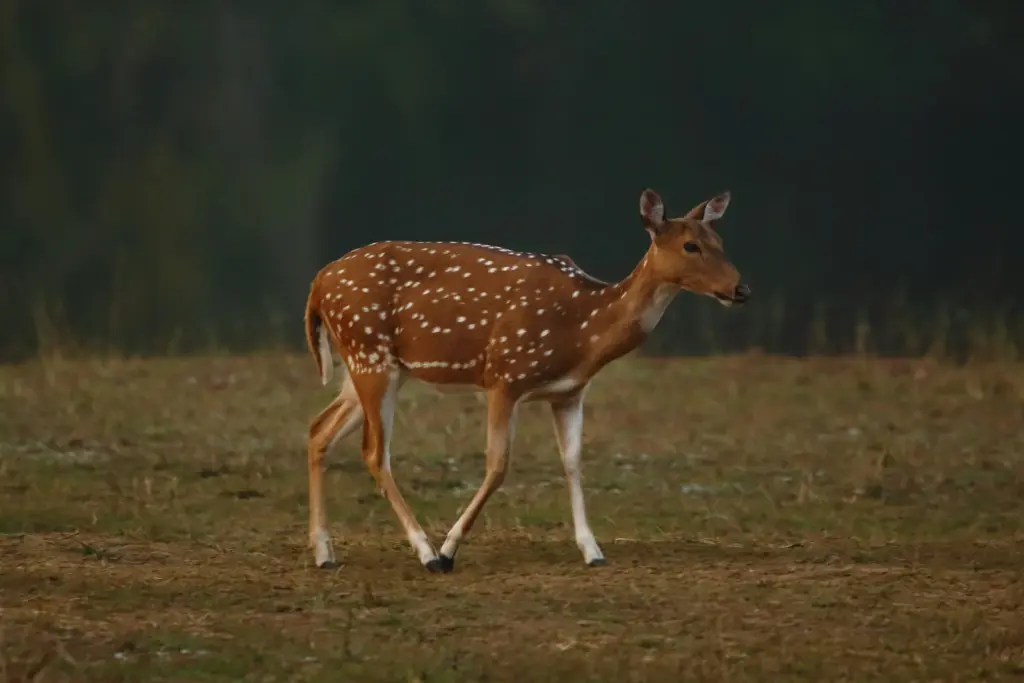
Dudhwa को बचाने के लिए बनाया गया और जिसे आज भी सबसे अच्छी तरह बचाता है, वह barasingha यानी swamp deer है। यही park का सबसे reliable exam hook है। यहाँ की subspecies northern swamp deer, Rucervus duvaucelii duvaucelii, है। यह wetland specialist है और इसके कई शाखाओं वाले antlers के कारण नाम barasingha पड़ा, यानी twelve-antlered। इसका भाग्य कठिन है। इसे वही tall wet grasslands चाहिए जिन्हें farmers drain और plough करना चाहते हैं। Terai सिकुड़ा तो swamp deer भी उसके साथ सिकुड़ा।
Dudhwa के grasslands इसका refuge बने और numbers एक genuine success story बताते हैं। National park घोषित होने के समय 1977 में Dudhwa की swamp deer population करीब 3,691 थी। 2022 तक यह लगभग 6,137 हो गई, यानी करीब दोगुनी। Indian conservation की शांत सफलताओं में यह एक है। Before-and-after figure general claim को marks-scoring evidence बनाता है, इसलिए दोनों numbers याद रखें। Swamp deer Uttar Pradesh का state animal भी है। Park से state-symbol question जुड़ता है और इसकी recovery दिखाती है कि Dudhwa में active grassland management काम करता है।
यहाँ ecological बात निकालनी है, केवल number नहीं। Barasingha का fate Terai grasslands की health का proxy है। इतनी specialised species तभी thrive करेगी जब habitat intact हो। Answer में grasslands को undervalued ecosystems और forests पर अटकी Indian conservation imagination की सीमा बतानी हो तो Dudhwa का swamp deer सबसे अच्छा illustration है। इसे India की biodiversity और unevenly protected habitats की wider story से जोड़ें।
Rhino की घर वापसी: 1984 reintroduction
Dudhwa का सबसे dramatic chapter greater one-horned rhinoceros की reintroduction है। Northeast के बाहर यह detail park को बाकी reserves से सबसे साफ़ अलग करती है। Rhino कभी पूरे Terai में घूमता था, लेकिन 20वीं century की शुरुआत तक इस region में hunting से local extinction हो गई। Dudhwa के tall grasslands और swamps अब भी rhino के लिए ideal country थे। इसलिए 1980s में forest department ने bold फैसला लिया: animal को वापस लाना है।
Mechanics समझना ज़रूरी है, क्योंकि इससे पता चलता है कि reintroduction engineer कैसे होती है। 1984 में Assam के Pobitora के पास rhinos capture करके Dudhwa के भीतर fenced Rhino Rehabilitation Area में ले जाए गए और उसी साल April में release किए गए। 1985 में Nepal के Chitwan area से दूसरा batch आया। दोनों batches के founder animals Assamese और Nepali mix थे। कुल seed population करीब सात rhinos की थी: दो males और पाँच females। Managed area में घेरकर herd को सुरक्षित तरीके से settle होने दिया गया। Population बढ़ी और आज Dudhwa में कई दर्जन rhinos हैं। 2025 में reserve ने fenced rehabilitation area से rhinos को wider wild में छोड़ना शुरू किया, ताकि बड़े Terai landscape में species को फिर rewild करने की long-term plan आगे बढ़े।
यह instructive case है, इसलिए इसे केवल fact की तरह file न करें। Reintroduction का अर्थ है उस area में species वापस लाना जहाँ वह wipe out हो गई थी। यह ordinary protection से अलग है। Standard toolkit में fenced rehabilitation phase, genetic diversity के लिए एक से अधिक source populations से founders और wild में slow, monitored release शामिल हैं। यह Kuno में cheetah और Sariska में tiger relocation जैसे India के reintroductions तथा translocations के साथ बैठता है। Conservation अब केवल बची चीज़ की रक्षा नहीं, खोई हुई चीज़ को actively rebuild करना भी है। Kaziranga से आगे rhino example माँगा जाए तो Dudhwa conservation as active restoration दिखाता है।
Tigers, elephants और वे grassland birds जिन्हें लोग भूल जाते हैं
Reserve का namesake animal Bengal tiger है। Dudhwa के tall grasslands और sal forests healthy population रखते हैं और इसी वजह से 1987 में इसे Project Tiger में लाया गया। Tiger India का national animal है और Dudhwa में इसके साथ बड़े mammals की rich cast है: Nepal से border पार करके आने वाले Asian elephants, sloth bear, leopard, swamp और hog deer, sambar और marshes में मिलने वाली elusive fishing cat। एक reserve में forest और wetland species का यह mix Terai mosaic की सीधी देन है। इसी वजह से Dudhwa single-habitat park से बेहतर biodiversity example है।
लेकिन rarity के लिए grassland specialists याद करें, जिनके नाम लगभग कोई नहीं लेता। Dudhwa hispid hare के आखिरी Indian homes में है। यह tall Terai grass का endangered “bristly rabbit” है। यहाँ Bengal florican भी है, critically endangered grassland bird जिसकी survival grassland health का barometer है। Reserve की Katarniaghat unit aquatic dimension जोड़ती है। इसकी Girwa river में gharial, यानी critically endangered fish-eating crocodile, के साथ Gangetic dolphin और mugger मिलते हैं। इसलिए Dudhwa की wetlands Indian riverine और Ramsar-listed wetland systems की discussion में काम आती हैं। Threatened species की बात में एक साथ चार नाम दे सकते हैं: hispid hare, Bengal florican, swamp deer और gharial।
ये species park की threats भी दिखाती हैं। Management में gap हो तो tall grasslands में woody weeds और unpalatable species घुसती हैं और florican तथा swamp deer का open habitat घटता है। Reserve intensive sugarcane cultivation वाले landscape में है, इसलिए tigers और rhinos fields में आ जाते हैं और human-wildlife conflict chronic है। Himalayan rivers की seasonal flooding grassland habitat डुबोकर animals को displace कर सकती है। Nepal की porous border anti-poaching को complex बनाती है। Dudhwa finished success story नहीं, working success है, जो active grassland management, community relations और constant vigilance से टिकी है।
Tharu community और people-park question
Dudhwa empty wilderness नहीं है और full answer में आसपास रहने वाले लोग होने चाहिए। Terai के forests और grasslands Tharu community का traditional home हैं। यह indigenous community India-Nepal Terai में रहती है और Uttar Pradesh में Scheduled Tribe के रूप में recognised है। Tharu generations से इस landscape में खेती, fishing और gathering करते आए हैं। उनके गाँव reserve को घेरे हैं, इसलिए Dudhwa लगभग हर Indian protected area में आने वाले tension का live example है: wildlife बचाते हुए forest-dependent लोगों के rights और livelihoods का सम्मान कैसे करें?
यह tension यहाँ abstract नहीं है। Grazing, firewood collection, rhino और elephant crop-raiding और core zones से villages relocate करने का सवाल Dudhwa में रोज़मर्रा के रूप में सामने आता है। Reserve Wildlife (Protection) Act, 1972 के तहत governed है, जो national parks और sanctuaries बनाता और human activity restrict करता है। दूसरी ओर Forest Rights Act traditional forest dwellers के claims recognise करता है। दोनों हमेशा आराम से साथ नहीं बैठते। Dudhwa management को Wildlife Protection Act, 1972 के साथ पढ़ना conservation law और community rights के ground-level collision तथा reconciliation को समझने का साफ़ रास्ता है। Mains के लिए honest framing यह है कि fortress conservation और unrestricted use, दोनों काम नहीं करते। Long-term future तभी है जब Tharu reserve को adversary नहीं, asset समझें।
Exam के लिए Dudhwa को कैसे पढ़ें
Dudhwa high-value है क्योंकि एक नाम में national park, tiger reserve, reintroduction और ecosystem bundled हैं। इसे lone factsheet नहीं, connector की तरह सीखें।
पहले पाँच hard facts anchor करें, क्योंकि objective questions वहीं रहते हैं: Dudhwa Uttar Pradesh के Lakhimpur Kheri district में India-Nepal border पर है; 1977 में national park और 1987 में tiger reserve बना; Dudhwa Tiger Reserve में Dudhwa, Kishanpur और Katarniaghat हैं; यह swamp deer यानी barasingha का देश का मुख्य stronghold है और barasingha Uttar Pradesh का state animal है; और 1984 से Assam तथा Nepal के founders के ज़रिए one-horned rhino यहाँ reintroduced हुआ। इसके बाद Terai habitat, sal forest, tall wet grassland और swamp को ecological spine की तरह रखें। यही समझाती है कि ये species यहाँ क्यों हैं।
Mains में Dudhwa को evidence की तरह इस्तेमाल करें। यह grassland और wetland conservation, non-forest habitats की उपेक्षा, species reintroduction as active restoration, Nepal border पर transboundary conservation और Tharu तथा Forest Rights framework के ज़रिए people-versus-park debate में काम आता है। Hard figures के लिए NTCA और reserve की official material पर भरोसा करें। Ecology के लिए standard environment notes लें। Dudhwa को India के national parks और India की wetlands के पास file करें। Terai example, Assam से आगे rhino example या grassland-conservation case पूछा जाए तो इसे निकाल सकेंगे।
सामान्य प्रश्न
Dudhwa National Park कहाँ है?
Dudhwa National Park Uttar Pradesh के Lakhimpur Kheri district में India-Nepal border पर Terai belt में है। यह Gangetic plain के northern edge पर स्थित है और इसके forests Nepal में भी आगे जाते हैं। इसलिए यह बड़े transboundary wildlife landscape का हिस्सा है।
Dudhwa national park और tiger reserve कब बना?
Area को 1958 में sanctuary के रूप में protect किया गया, January 1977 में national park notify हुआ और 1987 में Project Tiger के तहत Dudhwa Tiger Reserve बना। 2000 में Katarniaghat Wildlife Sanctuary reserve में जोड़ी गई।
Dudhwa Tiger Reserve किन units से बना है?
इसमें तीन protected units हैं: Dudhwa National Park, Kishanpur Wildlife Sanctuary और Katarniaghat Wildlife Sanctuary। ये Lakhimpur Kheri और Bahraich districts में फैले हैं और total area करीब 2,201 square kilometres है। पूरे reserve की देखरेख National Tiger Conservation Authority करता है।
Barasingha के लिए Dudhwa क्यों महत्वपूर्ण है?
Dudhwa के tall wet grasslands northern swamp deer यानी barasingha का देश में सबसे बड़ा home हैं। यह Uttar Pradesh का state animal है। Park में इसकी population 1977 के करीब 3,691 से बढ़कर 2022 में लगभग 6,137 हुई, जो Indian conservation की साफ़ recovery stories में है।
Dudhwa में rhinos कैसे वापस लाए गए?
20वीं century की शुरुआत तक Terai में hunting से local extinction के बाद greater one-horned rhino को 1984 से वापस लाया गया। Founders Assam के Pobitora और बाद में Nepal के Chitwan area से translocate करके fenced Rhino Rehabilitation Area में रखे गए। करीब सात animals, दो males और पाँच females, की seed population से संख्या कई दर्जन तक बढ़ी।
Billy Arjan Singh कौन थे और Dudhwa में उनकी भूमिका क्या थी?
Billy Arjan Singh Dudhwa के किनारे रहने वाले conservationist थे। उन्होंने campaign करके 1977 में इसे national park बनवाने में सफलता पाई। Zoo-born tigers और leopards को Terai में rewild करने का pioneering काम भी किया। इसलिए वे Dudhwa history के central figures में हैं।
Dudhwa के आसपास कौन-सी community रहती है?
Tharu, Uttar Pradesh में Scheduled Tribe के रूप में recognised indigenous community, Dudhwa के आसपास Terai में रहती है। Forest पर उनकी traditional dependence reserve को wildlife conservation और forest-dwelling people के rights के balance का live example बनाती है।
अभ्यास प्रश्न
1. Dudhwa National Park किस state में है?
a) Uttarakhand
b) Bihar
c) Uttar Pradesh
d) Assam
उत्तर: c) Uttar Pradesh
2. Terai में local extinction के बाद 1984 में Dudhwa में किस species को reintroduce किया गया?
a) Asiatic lion
b) Greater one-horned rhinoceros
c) Cheetah
d) Wild water buffalo
उत्तर: b) Greater one-horned rhinoceros
3. Dudhwa Tiger Reserve में इनमें से कौन शामिल हैं?
a) Dudhwa, Corbett और Rajaji
b) Dudhwa, Kishanpur और Katarniaghat
c) Dudhwa, Pilibhit और Amangarh
d) Dudhwa, Valmiki और Sohagibarwa
उत्तर: b) Dudhwa, Kishanpur और Katarniaghat
4. Dudhwa के बारे में निम्नलिखित पर विचार कीजिए:
- यह India-Nepal border के साथ Terai belt में है।
- यह swamp deer यानी barasingha का बड़ा stronghold है।
- 1987 में यह tiger reserve बना।
कौन-से statements सही हैं?
a) केवल 1 और 2
b) केवल 2 और 3
c) केवल 1 और 3
d) 1, 2 और 3
उत्तर: d) 1, 2 और 3
5. Dudhwa में सबसे बड़ी population वाला barasingha किस state का state animal है?
a) Madhya Pradesh
b) Uttar Pradesh
c) Assam
d) Bihar
उत्तर: b) Uttar Pradesh
Mains-style questions
- “India की conservation imagination forests पर अटकी है और grasslands की उपेक्षा करती है।” Terai ecosystem और Dudhwa के swamp deer के संदर्भ में चर्चा कीजिए।
- Dudhwa में one-horned rhinoceros की reintroduction को active species restoration के model के रूप में जाँचिए और इसे India के दूसरे reintroduction तथा translocation efforts से compare कीजिए।
- Dudhwa India-Nepal border पर है। बड़े mammals के लिए transboundary conservation का महत्व और चुनौतियाँ समझाइए।
- “India में protected-area management forest-dependent communities के cooperation के बिना सफल नहीं हो सकता।” Tharu और Dudhwa के संदर्भ में चर्चा कीजिए।
- Wildlife (Protection) Act, 1972 का legal framework और community rights Dudhwa जैसे tiger reserve के संचालन में कैसे interact करते हैं, analysis कीजिए।
Dudhwa अपने low profile से बेहतर का हक़दार है। यही वह park है जिसने swamp deer बचाया, rhino को local extinction से वापस लाया और Terai grassland के आखिरी बड़े stretches में से एक को संभाला। यह ऐसी border पर है जहाँ wildlife और management दोनों दूसरे देश में भी फैलते हैं। Timeline, three-unit reserve, barasingha recovery figures, 1984 rhino reintroduction और Tharu question साथ रखें। तब आपके पास grassland ecology, species restoration और conservation तथा उन लोगों के बीच कठिन bargain, तीनों पर काम आने वाला example होगा जो हमेशा से forest में रहते आए हैं।