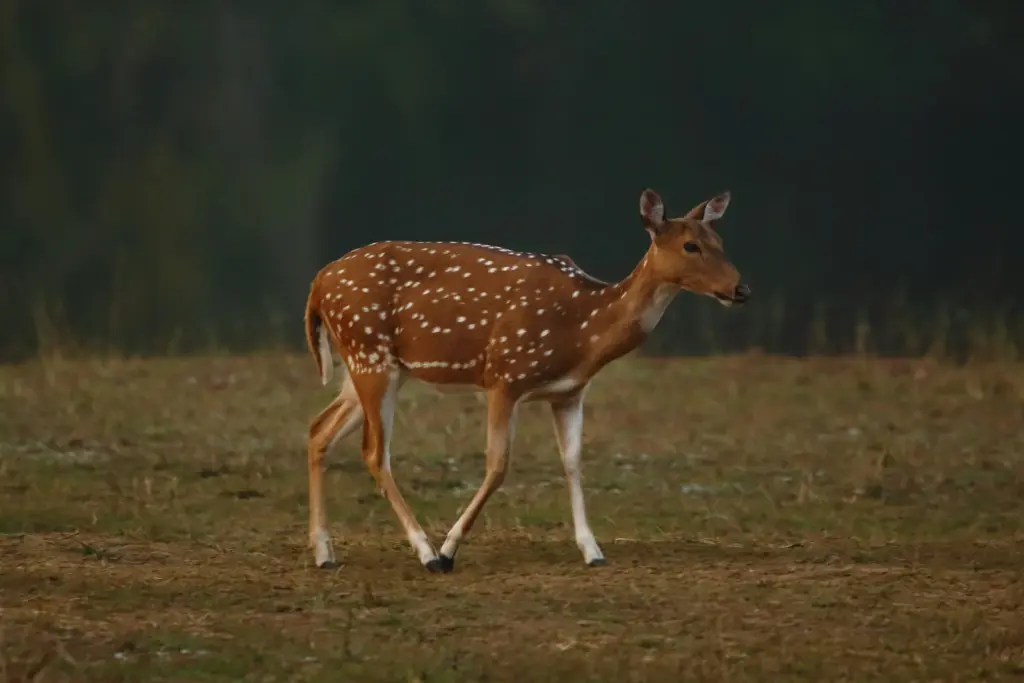
Ask an aspirant to place India’s one-horned rhino and the answer comes back fast: Kaziranga, Assam. Ask them where else wild rhinos roam and the room goes quiet. That gap is exactly why Dudhwa matters. Tucked into the far north of Uttar Pradesh against the Nepal border, Dudhwa is the place where the greater one-horned rhinoceros was deliberately brought back from local extinction, and where the swamp deer, the barasingha, still holds its single largest home in the country. It’s the less-photographed cousin of Corbett and Kaziranga, and precisely for that reason it shows up in exams as the answer people miss.
Dudhwa is also the best single window you have into the Terai, the wet, tall-grass, swampy belt at the foot of the Himalaya that most syllabus notes mention in one line and then forget. Corbett teaches you the Shivalik foothills; Kaziranga teaches you the Brahmaputra floodplain; Dudhwa teaches you the Terai, a mosaic of sal forest, tall wet grasslands and marshes that is one of the most productive and most threatened habitats in India. Learn Dudhwa properly and you get a national park, a tiger reserve, a species reintroduction and an entire ecosystem in one file.
Where Dudhwa is, and what the Terai actually is
Dudhwa National Park lies in the Lakhimpur Kheri district of Uttar Pradesh, running along the India-Nepal border on the northern edge of the Gangetic plain. Its location on the international boundary is not a trivia point: the forests continue across into Nepal, so Dudhwa functions as part of a larger transboundary landscape for tigers, rhinos and elephants that move without regard for the border, which is why cross-border coordination keeps coming up in its management.
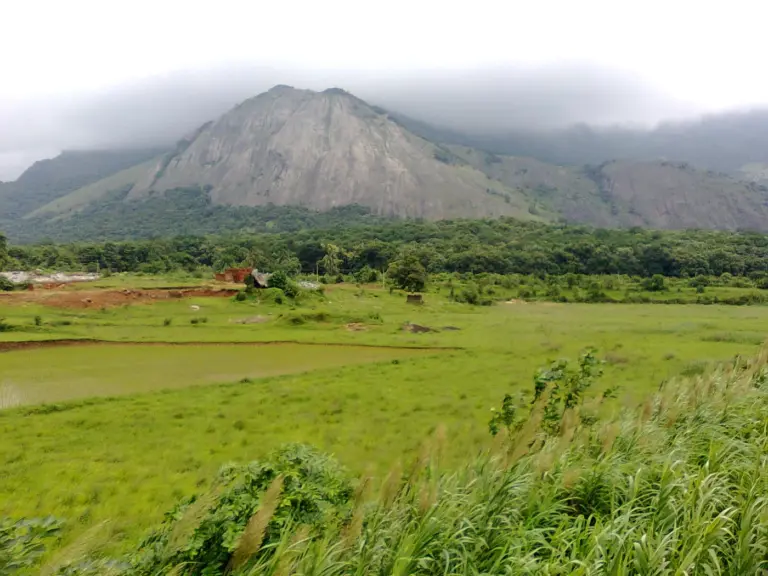
The habitat is the thing to understand first, because everything else follows from it. Dudhwa sits in the Terai-Bhabar belt, the strip where Himalayan rivers, having dropped their boulders in the porous Bhabar, re-emerge as springs and marshes in the Terai and spread into a waterlogged plain. The result is a rich three-part mosaic: dense sal forests on the drier ground, vast wet grasslands the locals call phantas, and swamps, lakes and rivers like the Suheli and Mohana that thread through the park. This grassland-wetland combination is unusually productive, which is what lets Dudhwa carry large-bodied grazers like swamp deer, rhino and wild elephant. If you want the physical geography behind it, this is the classic sequence you study under the Indo-Gangetic plains, where Bhabar gives way to Terai to Bhangar and Khadar.
Those tall grasslands are the ecological hero and the management headache in equal measure. They support the swamp deer and hog deer, hide the tiger, and feed the rhino, but they need active upkeep: without periodic burning and grazing they get invaded by woody species and lose the open character the specialist grassland animals depend on. Grassland management, in other words, is not a side task at Dudhwa. It’s the core of running the place, and it’s a useful counterpoint to the assumption that “conservation” always means leaving nature untouched.
From a swamp-deer sanctuary to a full tiger reserve
Dudhwa’s legal status grew in stages, and getting the timeline right is worth doing because objective questions love it. The area was first protected in 1958 as a sanctuary, set up largely to save the swamp deer whose numbers were crashing. It was upgraded and notified as Dudhwa National Park in January 1977, a step driven above all by the conservationist Billy Arjan Singh, who campaigned relentlessly for the Terai’s wildlife from his farm, Tiger Haven, on the park’s edge. Ten years later, in 1987, Dudhwa National Park was combined with Kishanpur Wildlife Sanctuary to form the Dudhwa Tiger Reserve under Project Tiger, and in 2000 the Katarniaghat Wildlife Sanctuary was added.
So the modern reserve is a cluster, not a single block, and that structure is the point to carry. Dudhwa Tiger Reserve today comprises three protected units, Dudhwa National Park, Kishanpur and Katarniaghat, spread across the Lakhimpur Kheri and Bahraich districts, with a total notified area of about 2,201 square kilometres (roughly 1,094 sq km of core and 1,108 sq km of buffer). The national park itself is the largest core piece, at about 490 square kilometres. The whole reserve is overseen by the National Tiger Conservation Authority (NTCA) under the Ministry of Environment, Forest and Climate Change, the same statutory body that runs the national tiger programme. For the wider architecture of how these reserves are declared and governed, it’s worth reading Dudhwa against the full account of Project Tiger and tiger conservation and the complete list of tiger reserves in India.
| Milestone | Year | Status |
|---|---|---|
| Dudhwa Sanctuary | 1958 | Protected mainly for swamp deer |
| Dudhwa National Park | 1977 | Notified as national park |
| Dudhwa Tiger Reserve | 1987 | Park plus Kishanpur, under Project Tiger |
| Katarniaghat added | 2000 | Third unit joins the reserve |
Billy Arjan Singh deserves his own line because he’s genuinely examinable. Beyond winning national-park status for Dudhwa, he ran a controversial but pioneering experiment in rewilding zoo-born big cats, hand-rearing and releasing a tigress named Tara and leopards back into the Terai. His work made Dudhwa a landmark in Indian conservation history and a case study in both the promise and the risks of reintroduction, a theme the park would return to spectacularly with the rhino.
The barasingha: Dudhwa’s swamp deer stronghold
The animal Dudhwa was created to save, and still saves best, is the barasingha or swamp deer, and this is the park’s most reliable exam hook. The subspecies here is the northern swamp deer, *Rucervus duvaucelii duvaucelii*, a wetland specialist named for its many-tined antlers, “barasingha” meaning twelve-antlered. It’s a hard-luck species: it needs exactly the tall wet grasslands that farmers most want to drain and plough, so as the Terai shrank, the swamp deer shrank with it.
Dudhwa’s grasslands became its refuge, and the numbers tell a genuine success story. The swamp deer population inside Dudhwa rose from around 3,691 in 1977, when the national park was declared, to roughly 6,137 by 2022, a near doubling that stands as one of Indian conservation’s quieter wins. That’s the kind of before-and-after figure that turns a general claim into a marks-scoring one, so it’s worth memorising the pair. The swamp deer is also the state animal of Uttar Pradesh, which ties the park directly to a state-symbol question, and its recovery is the clearest evidence that active grassland management at Dudhwa works.
The point to draw out is ecological, not just numerical. The barasingha’s fate is a proxy for the health of the Terai grasslands themselves, because a species this specialised can only thrive where the habitat is intact. When you argue in an answer that grasslands are undervalued ecosystems, badly served by an Indian conservation imagination fixated on forests, Dudhwa’s swamp deer is your best single illustration, and it fits naturally into the broader story of India’s biodiversity and the habitats we protect unevenly.
The rhino that came home: the 1984 reintroduction
Dudhwa’s most dramatic chapter is the reintroduction of the greater one-horned rhinoceros, and it’s the detail that most sharply distinguishes the park from every other reserve outside the northeast. The rhino had once ranged across the Terai but was hunted to local extinction in the region by the early twentieth century. Dudhwa’s tall grasslands and swamps were still ideal rhino country, so in the 1980s the forest department did something bold: it decided to bring the animal back.
The mechanics are worth knowing because they show how a reintroduction is actually engineered. In 1984, rhinos were captured near Pobitora in Assam and translocated to a fenced Rhino Rehabilitation Area inside Dudhwa, released in April of that year, and in 1985 a second batch was brought from the Chitwan area in Nepal. Between them, these founders, a mix of Assamese and Nepali animals, made up a seed population of roughly seven rhinos, two males and five females. Enclosing them in a managed area let the herd establish safely before the population grew, and grow it did: from that tiny founder group Dudhwa now holds several dozen rhinos, and in 2025 the reserve began releasing rhinos from the fenced rehabilitation area into the wider wild as part of a long-term plan to rewild the species across a larger Terai landscape.
This is a genuinely instructive case, so mine it for principles rather than filing it as a fact. It demonstrates the difference between reintroduction (bringing a species back to an area where it was wiped out) and ordinary protection, and it shows the standard toolkit: a fenced rehabilitation phase, founders drawn from more than one source population to keep genetic diversity up, and a slow, monitored release into the wild. It also sits alongside India’s other flagship reintroductions and translocations, from the cheetah at Kuno to tiger relocation at Sariska, as evidence that Indian conservation has moved from merely defending what remains to actively rebuilding what was lost. When an answer needs a rhino example beyond Kaziranga National Park, Dudhwa is the one that shows conservation as active restoration.
Tigers, elephants and the grassland birds most people miss
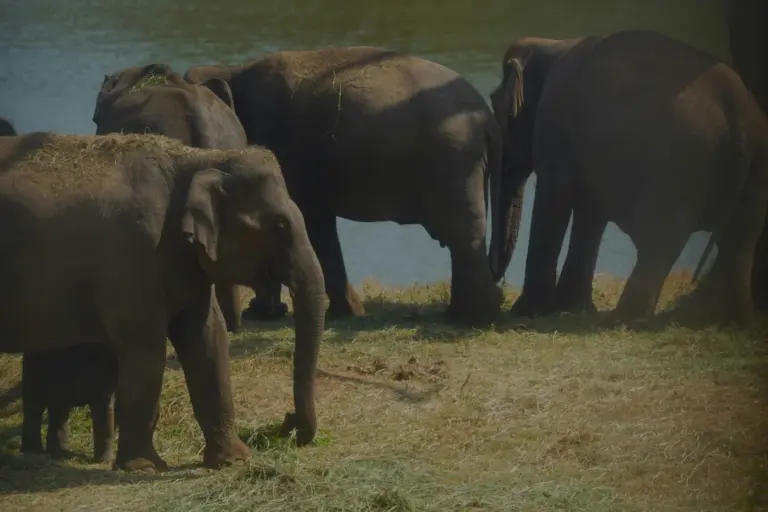
The reserve’s namesake animal is the Bengal tiger, and Dudhwa’s tall grasslands and sal forests hold a healthy population, which is the whole reason it was brought under Project Tiger in 1987. The tiger is India’s national animal, and at Dudhwa it shares an unusually rich cast of large mammals: Asian elephants that move in herds across the border from Nepal, sloth bear, leopard, swamp and hog deer, sambar, and the elusive fishing cat in the marshes. That mix of forest and wetland species in one reserve is a direct product of the Terai mosaic, and it’s why Dudhwa is a stronger biodiversity example than a single-habitat park.
The animals worth knowing for their rarity, though, are the grassland specialists that almost nobody names. Dudhwa is one of the last Indian homes of the hispid hare, an endangered “bristly rabbit” of the tall Terai grass, and of the Bengal florican, a critically endangered grassland bird whose survival is a barometer of grassland health. The Katarniaghat unit of the reserve adds an aquatic dimension entirely: its Girwa river shelters the gharial, the critically endangered fish-eating crocodile, along with the Gangetic dolphin and mugger, which is why the reserve’s wetlands matter in any discussion of India’s riverine and Ramsar-listed wetland systems. When you argue that grasslands and wetlands carry disproportionate numbers of threatened species, Dudhwa lets you name four at once: hispid hare, Bengal florican, swamp deer and gharial.
Those species also flag the park’s threats, which are worth carrying for balance. The tall grasslands are steadily invaded by woody weeds and unpalatable species when management lapses, shrinking the open habitat the florican and swamp deer need. The reserve sits in a landscape of intensive sugarcane cultivation, so tigers and rhinos stray into fields and human-wildlife conflict is chronic. Seasonal flooding from the Himalayan rivers can drown grassland habitat and displace animals, and the porous Nepal border complicates anti-poaching. Dudhwa’s story, in other words, is not a finished success but a working one, held together by active grassland management, community relations and constant vigilance.
The Tharu community and the people-park question
Dudhwa isn’t an empty wilderness, and the people who live around it belong in a full answer. The forests and grasslands of the Terai are the traditional home of the Tharu, an indigenous community found across the India-Nepal Terai and recognised as a Scheduled Tribe in Uttar Pradesh. The Tharu have farmed, fished and gathered in this landscape for generations, and their villages ring the reserve, which makes Dudhwa a live example of the tension that runs through almost every Indian protected area: how to conserve wildlife while respecting the rights and livelihoods of forest-dependent people.
That tension is not abstract here. Grazing, firewood collection, crop-raiding by rhinos and elephants, and the periodic question of relocating villages from core zones all play out at Dudhwa, and they connect directly to the rights framework you study elsewhere in the syllabus. The reserve is governed under the Wildlife (Protection) Act, 1972, which sets up national parks and sanctuaries and restricts human activity within them, while the Forest Rights Act recognises the claims of traditional forest dwellers, and the two do not always sit comfortably together. Reading Dudhwa’s management against the Wildlife Protection Act, 1972 is the cleanest way to see how conservation law and community rights collide and get reconciled on the ground. The honest framing for a Mains answer is that neither fortress conservation nor unrestricted use works: Dudhwa’s long-term future depends on the Tharu seeing the reserve as an asset rather than an adversary.
How to study Dudhwa for the exam
Dudhwa is high-value because it bundles a national park, a tiger reserve, a reintroduction and an ecosystem into one name, so learn it as a connector rather than a lone factsheet.
Anchor five hard facts first, because that’s where objective questions live: Dudhwa is in Lakhimpur Kheri district, Uttar Pradesh, on the India-Nepal border; it became a national park in 1977 and a tiger reserve in 1987; the Dudhwa Tiger Reserve comprises Dudhwa, Kishanpur and Katarniaghat; it’s the country’s main stronghold of the swamp deer (barasingha), the state animal of Uttar Pradesh; and it’s where the one-horned rhino was reintroduced from 1984 using founders from Assam and Nepal. Next, hold the Terai habitat, sal forest plus tall wet grassland plus swamp, as the ecological spine that explains why all these species are there.
For Mains, deploy Dudhwa as evidence. It backs answers on grassland and wetland conservation and why India neglects non-forest habitats; on species reintroduction as active restoration; on transboundary conservation along the Nepal border; and on the people-versus-park debate through the Tharu and the Forest Rights framework. For sourcing, lean on the NTCA and the reserve’s official material for the hard figures, and on standard environment notes for the ecology. Keep Dudhwa filed next to the national parks of India and India’s wetlands so you can pull it out whenever a question wants a Terai example, a rhino example beyond Assam, or a grassland-conservation case that most candidates will miss.
Frequently Asked Questions
Where is Dudhwa National Park located?
Dudhwa National Park is in the Lakhimpur Kheri district of Uttar Pradesh, on the India-Nepal border, in the Terai belt at the northern edge of the Gangetic plain. Its forests continue across into Nepal, making it part of a larger transboundary wildlife landscape.
When did Dudhwa become a national park and a tiger reserve?
The area was first protected as a sanctuary in 1958, notified as a national park in January 1977, and made the Dudhwa Tiger Reserve in 1987 under Project Tiger. Katarniaghat Wildlife Sanctuary was added to the reserve in 2000.
What does the Dudhwa Tiger Reserve consist of?
It consists of three protected units, Dudhwa National Park, Kishanpur Wildlife Sanctuary and Katarniaghat Wildlife Sanctuary, spread across the Lakhimpur Kheri and Bahraich districts, with a total area of roughly 2,201 square kilometres. The whole reserve is overseen by the National Tiger Conservation Authority.
Why is Dudhwa important for the barasingha?
Dudhwa’s tall wet grasslands are the single largest home of the northern swamp deer, or barasingha, the state animal of Uttar Pradesh. Its population inside the park rose from around 3,691 in 1977 to about 6,137 by 2022, making it one of Indian conservation’s clearest recovery stories.
How were rhinos reintroduced to Dudhwa?
The greater one-horned rhino, hunted out of the Terai by the early twentieth century, was brought back from 1984. Founders were translocated from Pobitora in Assam and later from the Chitwan area in Nepal into a fenced Rhino Rehabilitation Area, forming a seed population of about seven animals, from which the population has since grown to several dozen.
Who was Billy Arjan Singh and what was his role at Dudhwa?
Billy Arjan Singh was a conservationist who lived at the edge of Dudhwa and campaigned successfully for it to be made a national park in 1977. He also pioneered the rewilding of zoo-born tigers and leopards into the Terai, making him a central figure in Dudhwa’s history.
Which community lives around Dudhwa?
The Tharu, an indigenous community recognised as a Scheduled Tribe in Uttar Pradesh, live in the Terai around Dudhwa. Their traditional dependence on the forest makes the reserve a live example of balancing wildlife conservation with the rights of forest-dwelling people.
Practice Questions
1. Dudhwa National Park is located in which state?
a) Uttarakhand
b) Bihar
c) Uttar Pradesh
d) Assam
Answer: c) Uttar Pradesh
2. Which species was reintroduced to Dudhwa in 1984 after being hunted to local extinction in the Terai?
a) Asiatic lion
b) Greater one-horned rhinoceros
c) Cheetah
d) Wild water buffalo
Answer: b) Greater one-horned rhinoceros
3. The Dudhwa Tiger Reserve comprises which of the following?
a) Dudhwa, Corbett and Rajaji
b) Dudhwa, Kishanpur and Katarniaghat
c) Dudhwa, Pilibhit and Amangarh
d) Dudhwa, Valmiki and Sohagibarwa
Answer: b) Dudhwa, Kishanpur and Katarniaghat
4. Consider the following about Dudhwa:
- It lies in the Terai belt along the India-Nepal border.
- It is a major stronghold of the swamp deer (barasingha).
- It became a tiger reserve in 1987.
Which are correct?
a) 1 and 2 only
b) 2 and 3 only
c) 1 and 3 only
d) 1, 2 and 3
Answer: d) 1, 2 and 3
5. The barasingha, whose largest population is found at Dudhwa, is the state animal of:
a) Madhya Pradesh
b) Uttar Pradesh
c) Assam
d) Bihar
Answer: b) Uttar Pradesh
Mains-style questions
- “India’s conservation imagination is fixated on forests and neglects grasslands.” Discuss with reference to the Terai ecosystem and the swamp deer of Dudhwa.
- Examine the reintroduction of the one-horned rhinoceros at Dudhwa as a model of active species restoration, and compare it with other Indian reintroduction and translocation efforts.
- Dudhwa lies on the India-Nepal border. Discuss the importance and challenges of transboundary conservation for large mammals.
- “Protected-area management in India cannot succeed without the cooperation of forest-dependent communities.” Discuss with reference to the Tharu and Dudhwa.
- Analyse how the legal framework of the Wildlife (Protection) Act, 1972 and community rights interact in the running of a tiger reserve like Dudhwa.
Dudhwa deserves better than its low profile. It’s the park that saved the swamp deer, brought the rhino back from a local extinction, and preserves one of the last great stretches of Terai grassland, all on a border where wildlife and management both spill across into another country. Carry the timeline, the three-unit reserve, the barasingha recovery figures, the 1984 rhino reintroduction and the Tharu question, and you’re holding an example that works equally well in an answer on grassland ecology, on species restoration, or on the hard bargain between conservation and the people who have always lived in the forest.
Tell Google you want more of this.
Add Anantam IAS as a preferred sourceOne tap, and this site shows up more often in your own Top Stories, AI Overviews and AI Mode. Remove it any time.