लगभग हर कोई इस writ को एक couplet की तरह सीखता है: prohibition preventive है और certiorari curative। फिर question आता है कि क्या दोनों एक ही case में जारी हो सकती हैं, और couplet टूट जाता है, क्योंकि इतनी साफ़ rule-book दोनों को rival बताती है। वे rival नहीं हैं। Prohibition और certiorari एक ही objection हैं, बस clock पर दो अलग moments में आते हैं। High Court एक proceeding पर एक ही judgment में दोनों जारी कर सकती है। फर्क substance का नहीं, timing का है। Prohibition superior court का inferior court या tribunal से कहना है: रुकिए, आपको यह matter सुनने का अधिकार नहीं है।
Writ of prohibition असल में क्या करती है?
Writ of prohibition superior court का वह order है, जो inferior court या tribunal को ऐसी proceeding आगे चलाने से रोकता है, जो उसके jurisdiction से बाहर है। यह Latin prohibere, यानी रोकना, से आया है और इसका पूरा काम रोकना है। पाँच writs में यह अकेली purely negative writ है। Mandamus body को काम करने का command देती है। Prohibition काम करते रहने से रोकती है। यह कभी तय नहीं करती कि case कौन जीतेगा, merits को नहीं छूती और tribunal के सामने claim अच्छा या बुरा है, यह भी नहीं कहती।
दो phrases पूरी idea संभालते हैं। Want of jurisdiction का अर्थ है body के पास इस तरह के matter पर कभी power थी ही नहीं। जैसे Rent Controller murder trial सुनने लगे। Excess of jurisdiction का अर्थ है body के पास power थी, लेकिन वह अपनी boundary पार कर गई। जैसे Rs 50 lakh तक की pecuniary limit वाला forum Rs 5 crore dispute सुनने लगे। Subject पर power है, इस dispute पर नहीं।
इसे गलत track पर दौड़ती train की cord खींचने जैसा समझिए। Platform पर कोई destination या seat की बहस नहीं कर रहा। सिर्फ़ यह सवाल है कि train इस track पर होनी चाहिए या नहीं। Analogy की उपयोगी सीमा है: train रोकने से journey cancel नहीं होती। Competent forum कल भी case सुन सकता है। Prohibition dispute खत्म नहीं करती। उसे दूसरी जगह भेजती है।
Example देखिए। Consumer Protection Act, 2019 और 2021 Rules के तहत District Commission Rs 50 lakh तक paid consideration वाली complaints सुन सकती है। मान लीजिए आपने flat के लिए Rs 90 lakh दिए, फिर भी District Commission में file किया और Commission ने hearing शुरू कर दी। Builder को पूरी hearing बैठकर फिर appeal करने की ज़रूरत नहीं। Hearing चल रही है, तभी वह Article 226 के तहत High Court में prohibition माँग सकता है और High Court District Commission को आगे बढ़ने से रोक सकती है। Flat, builder या आप सही हैं, इस पर कुछ तय नहीं हुआ। सिर्फ़ यह कि गलत room इस्तेमाल हो रहा था। Writ का पूरा output यही है। Types of writs साथ पढ़ने का कारण यही है कि हर writ ऐसा एक narrow काम करती है।
एक strength rule counter-intuitive है। East India Commercial Co. Ltd. v. Collector of Customs (1962) में Supreme Court ने कहा कि proceedings के face पर want of jurisdiction दिखे, तो prohibition ex debito justitiae, यानी judicial discretion से नहीं बल्कि as a matter of right, मिलती है। Tribunal के सामने पहले objection न उठाने से party यह right खोती भी नहीं। Defect साफ़ हो, तो court यह weigh नहीं कर रही कि help करनी है या नहीं। उसे करना ही है।
Constitution में यह कहाँ है: Articles 32 और 226
दो doors हैं और इस writ के लिए दोनों बराबर useful नहीं। Article 32(2) Supreme Court को habeas corpus, mandamus, prohibition, quo warranto और certiorari की nature वाली directions, orders या writs जारी करने देता है, लेकिन केवल fundamental right enforce करने के लिए। Article 226 हर High Court को वही writ power देता है और चार शब्द जोड़ता है: “for any other purpose.”
यह asymmetry habeas corpus से भी ज़्यादा यहाँ असर करती है। Tribunal pecuniary limit से बाहर जाए, तो आम तौर पर ordinary legal right कुचला जा रहा है, fundamental right नहीं। Fundamental right नहीं, तो Article 32 नहीं। इसलिए prohibition का real home High Court है और case law में Article 226 petitions ज़्यादा मिलती हैं।
Ujjam Bai v. State of Uttar Pradesh (1962) ने line साफ़ की। Valid law के तहत काम कर रहा quasi-judicial authority उसे गलत समझ ले, तो fundamental right violate नहीं होता और Article 32 नहीं चलेगा। एक fact बदलते ही answer बदलता है: power देने वाला law ही void हो, तो authority के पास power कभी थी ही नहीं और proceeding पहले minute से without jurisdiction है।
दोनों Articles में एक drafting phrase है: “writs in the nature of“। इससे Indian courts England की procedural ritual से बँधी नहीं रहतीं। Ancient form ग़लत होने से petition reject नहीं होती। Substance ceremony से ऊपर है।
Practical point भी असली cases तय करता है। Courts आम तौर पर writ petitioner से statutory appeal पहले exhaust करने को कहती हैं। लेकिन Whirlpool Corporation v. Registrar of Trade Marks (1998) में Supreme Court ने कहा कि alternative remedy absolute bar नहीं है, अगर want of jurisdiction, natural justice breach या fundamental right violation हो। यही prohibition के grounds हैं। इसलिए इस writ के सामने “appeal कीजिए” वाला answer कमजोर पड़ता है।
Prohibition और certiorari: एक defect, clock के दो moments
Prohibition pending proceeding रोकती है। Certiorari pass हो चुके order को quash करती है। Defect वही, clock पर position अलग। Certiorari का अर्थ “to be certified” है। Court inferior body से record मँगाकर उस पर मौजूद order quash करती है।
इसलिए दोनों alternatives नहीं हैं। एक problem के stages हैं और एक ही case में दोनों आ सकती हैं। Tribunal के पास jurisdiction नहीं है, interim order pass हो चुका है और claim की बाकी hearing चल रही है। High Court certiorari से interim order quash और prohibition से remaining hearing रोक सकती है। जो हो चुका उसके लिए certiorari, जो बाकी है उसके लिए prohibition। यही sentence याद रखिए।
Clock को दोनों ends पर ले जाएँ, तो एक writ मर जाती है। Proceeding पूरी तरह खत्म हो, तो prohibition infructuous है, रोकने को कुछ बचा नहीं। Certiorari ही remedy है। Proceeding शुरू होने से पहले दोनों नहीं, क्योंकि interfere करने के लिए live dispute नहीं है।
| तुलना का point | Prohibition | Certiorari |
|---|---|---|
| Literal meaning | “To forbid” | “To be certified” |
| कब जारी होती है | Proceeding pending हो, final order से पहले | Order pass होने के बाद |
| Nature | Purely preventive | Curative और आगे की action को preventive |
| Court क्या करती है | Inferior body को आगे proceeding से रोकती है | Record मँगाकर order quash करती है |
| Grounds | Want या excess of jurisdiction, natural justice का violation, unconstitutional law के तहत proceeding | ऊपर के सभी, साथ में record के face पर दिखने वाला error of law और fraud |
| किसके ख़िलाफ़ | केवल judicial और quasi-judicial bodies | Judicial और quasi-judicial bodies तथा rights को affect करने वाली administrative bodies |
| कब fail होती है | Proceeding खत्म हो या final order आ चुका हो | अभी कोई order pass न हुआ हो, इसलिए quash करने को कुछ नहीं |
| क्या एक case में दोनों? | हाँ। Certiorari decided हिस्से को quash करती है और prohibition उस हिस्से को रोकती है, जो अभी आया नहीं | |
“Issued against” row दो बार पढ़िए। यही दोनों के बीच asymmetry है। Certiorari समय के साथ rights affect करने वाली administrative bodies तक widen हुई है। Prohibition नहीं। यह अभी भी judicial और quasi-judicial bodies तक moored है। Couplets की neat symmetry के बावजूद दोनों में यह narrow writ है।
Syed Yakoob v. K.S. Radhakrishnan (1964) में Supreme Court ने shared boundary बताई। Certiorari jurisdictional errors और record के face पर दिखने वाले errors of law को correct करती है, errors of fact को नहीं, finding कितनी भी गलत हो। Writ court second appeal नहीं है। Prohibition यही limit inherit करती है और और narrow है, क्योंकि jurisdiction के भीतर हुआ error of law भी इसे नहीं छूता।
Grounds: Court कब वास्तव में रोकती है?
Prohibition को reasoning की गलती नहीं, power का defect चाहिए। Grounds की चार families हैं और चौथी surprise करती है।
Want या excess of jurisdiction core है। यह subject matter, pecuniary, territorial और person, इन चार रूपों में आती है। S. Govinda Menon v. Union of India (1967) में Supreme Court ने prohibition देने के jurisdiction को मुख्य रूप से supervisory बताया। उद्देश्य उन courts या inferior tribunals को रोकना है, जो ऐसी jurisdiction चला रहे हैं जो उनके पास है ही नहीं, या अपनी सीमा से आगे जा रहे हैं। यह supervisory है, appellate नहीं।
Natural justice के principles का violation दूसरा ground है। दो rules हैं: nemo judex in causa sua, कोई अपनी cause में judge नहीं, और audi alteram partem, दूसरी side को सुनो। इन्हें तोड़ना सिर्फ़ procedure की ग़लती नहीं, jurisdiction से बाहर जाना माना जाता है। बिना सुने फैसला करने वाला या interested member वाला body वह power lawfully exercise कर ही नहीं रहा था। इसलिए natural-justice breach jurisdictional ground है, केवल procedural complaint नहीं।
इसे concrete रखिए। Disciplinary authority officer के ख़िलाफ़ departmental inquiry कर रही है और presiding officer वही व्यक्ति निकला, जिसने original complaint file की थी। Inquiry चल रही है। Officer को dismissal order आने तक बैठने और फिर छह साल appeal करने की ज़रूरत नहीं। वह अभी High Court में prohibition माँग सकता है, क्योंकि interested judge वाली forum lawfully constituted ही नहीं थी। Timing यही खरीदती है: damage से पहले writ पहुँचती है। Appeal पर इसका असली advantage यही है।
A.K. Kraipak v. Union of India (1969) यहाँ का case है। Acting Chief Conservator of Forests खुद Indian Forest Service selection का candidate था और officers चुनने वाले board में बैठा। Supreme Court ने selection set aside किया। साथ में कहा कि administrative और quasi-judicial functions के बीच line पतली हुई है और natural justice administrative action पर भी लागू होती है।
Unconstitutional law के तहत proceeding तीसरा ground है। Power देने वाला statute void हो, तो power कभी थी ही नहीं। उसके तहत हर step without jurisdiction है और prohibition automatically आती है। Fraud और fundamental right का direct infringement बाकी list पूरी करते हैं।
Boundary साफ़ है: Tribunal के पास jurisdiction हो और वह law को गलत समझे, तो prohibition से नहीं रुकेगा। वह appeal का matter है, या order आने के बाद अधिक से अधिक certiorari का। Prohibition power का सवाल है, correctness का नहीं। इस topic का लगभग हर wrong answer इसी sentence को भूलने का version है।
Prohibition किसके ख़िलाफ़ है और किसके ख़िलाफ़ नहीं?
सिर्फ़ judicial और quasi-judicial bodies। Administrative authorities, legislative bodies और private individuals के ख़िलाफ़ कभी नहीं। यही सबसे छोटा और सबसे ज़्यादा tested rule है।
Quasi-judicial body court नहीं होती, लेकिन parties को सुनकर facts पर law apply करती और dispute decide करती है। Income Tax Appellate Tribunal, Rent Controller, Consumer Commission, election tribunal, departmental inquiry करने वाली disciplinary authority और statute के तहत बने tribunals इसके examples हैं। Minister road contract sanction करे, तो नहीं। Quasi-judicial bodies वाली category का सही होना answer का आधे से ज़्यादा हिस्सा है।
Province of Bombay v. Khushaldas S. Advani (1950) ने test दिया: क्या body का duty to act judicially है? Government ने premises requisition करने का decision लिया, जिसे administrative माना गया, इसलिए writ नहीं मिली। Kraipak ने classification पर दबाव डाला। व्यवहार में body को decision से पहले hear करना हो, तो letterhead कुछ भी हो, उसे test किया जा सकता है। Label soft हुआ, writ की limit नहीं।
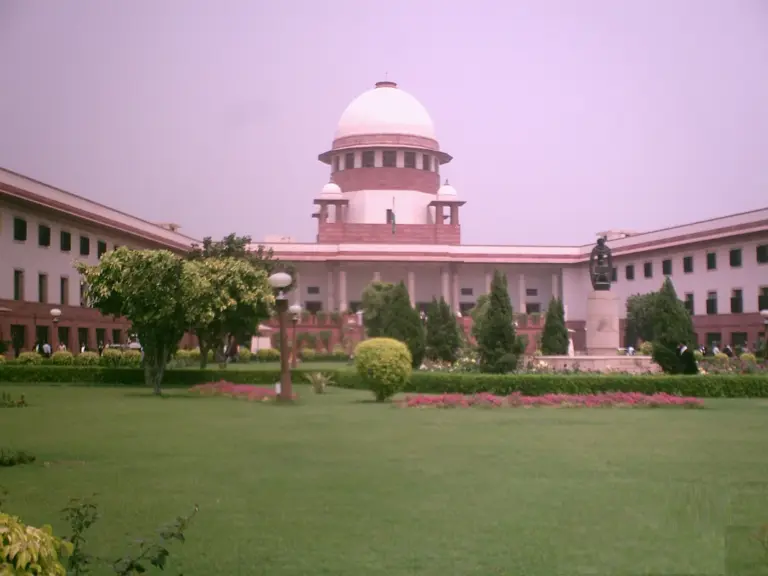
Direction भी matter करती है। Prohibition superior court से inferior court की ओर नीचे चलती है। High Court इसे दूसरे High Court को नहीं दे सकती। Supreme Court High Court की judicial side के ख़िलाफ़ भी इसका इस्तेमाल नहीं कर सकती, क्योंकि Naresh Shridhar Mirajkar v. State of Maharashtra (1966) ने कहा कि High Court के judicial orders Article 32 के अधीन नहीं हैं। Definition में “inferior” सजावट नहीं, असली word है।
ऊपर जाकर hierarchy फिर बंद हो जाती है। Rupa Ashok Hurra v. Ashok Hurra (2002) के अनुसार Supreme Court के अपने final judgment के ख़िलाफ़ Article 32 की writ नहीं होती। इसी वजह से Court को अपनी गलती फिर खोलने के लिए curative petition बनानी पड़ी। Supreme Court से ऊपर prohibition देने वाली court है ही नहीं।
बाकी कहाँ रुकती है? Proceeding खत्म हो या tribunal exist करना बंद कर दे, तो writ infructuous है। Contract से चुने गए private arbitral tribunal पर नहीं, क्योंकि room की power agreement से आती है, State से नहीं। Evidence को फिर weigh नहीं करेगी। Jurisdiction के भीतर की गलती नहीं सुधारेगी। Delay भी गिरा सकता है: दो साल तक tribunal को case सुनते देखना और फिर jurisdiction objection निकालना court से earned न हुई patience का reward माँगना है।
इसे पढ़ें और याद कैसे रखें?
एक sentence anchor बनाइए: prohibition power test करती है, correctness नहीं, और तभी जब clock चल रही हो। Proceeding alive है, इसलिए यह preventive है। Judicial और quasi-judicial body के ख़िलाफ़ ही है, क्योंकि रोकने के लिए proceeding चाहिए। Appeal नहीं है, क्योंकि appeal correctness पर होती है। Order के बाद वही test certiorari बनता है।
हर scenario में दो questions पूछिए। पहला: क्या यह court है या judicial duty वाली body? नहीं, तो prohibition बाहर। दूसरा: proceeding अभी alive है? नहीं, तो certiorari। कुछ part decided और कुछ alive है, तो दोनों।
Case list पाँच तक रखें। East India Commercial, patent want of jurisdiction में prohibition as a right। S. Govinda Menon, supervisory nature। Khushaldas Advani, duty-to-act-judicially test। Kraipak, natural justice और administrative line का blur। Syed Yakoob, writ court errors of fact को नहीं छूती। बाकी decoration है।
सामान्य प्रश्न
Simple terms में writ of prohibition क्या है?
Superior court का order, जिसमें inferior court या tribunal को ऐसा case सुनना रोक दिया जाता है, जिस पर उसका jurisdiction नहीं है। इसका मतलब “to forbid” है। यह winner तय नहीं करती, merits नहीं छूती और mistake ठीक नहीं करती। सिर्फ़ आगे बढ़ने से रोकती है।
India में writ of prohibition किन Articles के तहत file हो सकती है?
Supreme Court में Article 32 और High Court में Article 226 के तहत। Article 32 में fundamental right का question होना चाहिए। Article 226 fundamental rights और “any other purpose” दोनों के लिए wider है, इसलिए prohibition petitions ज़्यादातर High Court में जाती हैं।
Prohibition और certiorari में क्या अंतर है?
Timing। Prohibition proceeding pending रहते हुए body को जारी रखने से रोकती है। Certiorari order pass होने के बाद उसे quash करती है। Prohibition purely preventive है, certiorari curative भी। एक ही case में दोनों हो सकती हैं: बाकी hearing के लिए prohibition और पहले से तय हिस्से के लिए certiorari।
क्या prohibition और certiorari साथ जारी हो सकती हैं?
हाँ। Tribunal ने jurisdiction के बिना order pass कर दिया हो और बाकी matter अभी सुन रहा हो, तो High Court order को certiorari से quash तथा remaining proceeding को prohibition से रोक सकती है।
Writ of prohibition किसके ख़िलाफ़ issue हो सकती है?
सिर्फ़ judicial और quasi-judicial bodies के ख़िलाफ़। Administrative authorities, legislative bodies या private persons के ख़िलाफ़ नहीं। Certiorari administrative bodies तक wider हो चुकी है, prohibition नहीं।
Writ of prohibition के grounds क्या हैं?
Want या excess of jurisdiction, natural justice के principles का violation और unconstitutional law के तहत proceeding। Fraud और fundamental right violation भी grounds हैं। Jurisdiction के भीतर हुई error of law या error of fact ground नहीं है।
क्या prohibition discretionary writ है?
हमेशा नहीं। East India Commercial Co. Ltd. v. Collector of Customs (1962) में Supreme Court ने कहा कि proceedings के face पर want of jurisdiction साफ़ हो, तो prohibition ex debito justitiae as a matter of right मिलती है। पहले tribunal में objection न उठाने से यह right नहीं जाता।
क्या appeal available होने से prohibition petition bar हो जाती है?
आम तौर पर court पहले statutory appeal कहती है, लेकिन यहाँ absolute bar नहीं है। Whirlpool Corporation v. Registrar of Trade Marks (1998) के अनुसार want of jurisdiction, natural justice breach या fundamental right violation हो, तो alternative remedy रोकती नहीं।
अभ्यास प्रश्न
1. Writ of prohibition का literal अर्थ है:
a) हम command करते हैं
b) आप body ला सकते हैं
c) रोकना
d) किस authority से
उत्तर: c) रोकना
2. Prohibition और certiorari के बारे में कौन सा statement सही है?
a) दोनों सिर्फ़ final order के बाद जारी होती हैं
b) Prohibition order के बाद और certiorari order से पहले जारी होती है
c) Prohibition proceeding pending रहते हुए और certiorari order pass होने के बाद जारी होती है
d) दोनों एक ही case में कभी नहीं आ सकतीं
उत्तर: c) Prohibition proceeding pending रहते हुए और certiorari order pass होने के बाद जारी होती है
3. Writ of prohibition किसके ख़िलाफ़ issue हो सकती है?
a) केवल administrative authorities
b) केवल judicial और quasi-judicial bodies
c) Legislative bodies और उनकी committees
d) Private persons और public authorities दोनों
उत्तर: b) केवल judicial और quasi-judicial bodies
4. किस case में Supreme Court ने कहा कि face पर want of jurisdiction हो तो prohibition as a matter of right मिलती है?
a) Syed Yakoob v. K.S. Radhakrishnan (1964)
b) East India Commercial Co. Ltd. v. Collector of Customs (1962)
c) A.K. Kraipak v. Union of India (1969)
d) Naresh Shridhar Mirajkar v. State of Maharashtra (1966)
उत्तर: b) East India Commercial Co. Ltd. v. Collector of Customs (1962)
5. Writ of prohibition issue करने का ground इनमें से कौन सा नहीं है?
a) Want of jurisdiction
b) Excess of jurisdiction
c) Tribunal के jurisdiction के भीतर की error of fact
d) Natural justice के principles का violation
उत्तर: c) Tribunal के jurisdiction के भीतर की error of fact
Mains-style questions
1. “Prohibition tests power, not correctness.” Writ के grounds और इसके सामने आने वाली bodies के संदर्भ में समझाइए।
2. Prohibition और certiorari writs में अंतर बताइए। क्या दोनों एक ही proceeding के संबंध में जारी हो सकती हैं? कारण दीजिए।
3. समझाइए कि Constitution के Article 32 की तुलना में High Courts का Article 226 jurisdiction prohibition के लिए practical route क्यों है।
4. “Natural justice का violation jurisdictional defect है, procedural lapse नहीं।” A.K. Kraipak v. Union of India और prohibition के scope के संदर्भ में चर्चा कीजिए।
5. Certiorari समय के साथ rights affect करने वाली administrative bodies तक पहुँची है, prohibition नहीं। Higher judiciary की supervisory jurisdiction पर इस asymmetry के consequences का critical examination कीजिए।
इस writ का सम्मान उस वजह से कीजिए, जो यह करने से मना करती है। यह tribunal को गलत नहीं कहेगी, party को bad case से नहीं बचाएगी और queue छोटी नहीं करेगी। यह power पर एक सवाल पूछती है और फिर या तो रोकती है या चली जाती है। यही restraint इसे fast बनाता है और appeal की तुलना में prohibition के पास speed ही असली advantage है। Jurisdictional objection तीन साल बाद सुना जाए, जब tribunal case खत्म कर चुकी हो, तो parties वह सब खो चुकी हैं जिसे writ बचाने के लिए बनाई गई थी। इसलिए prohibition को bad decisions की shield की तरह नहीं पढ़ना चाहिए। यह तय करने का rule है कि फैसला कौन कर सकता है, जिसे इतना जल्दी enforce करना ज़रूरी है कि उसका असर हो। “जल्दी” वाला हिस्सा textbook से मान लेना नहीं, practice में हासिल करना पड़ता है।