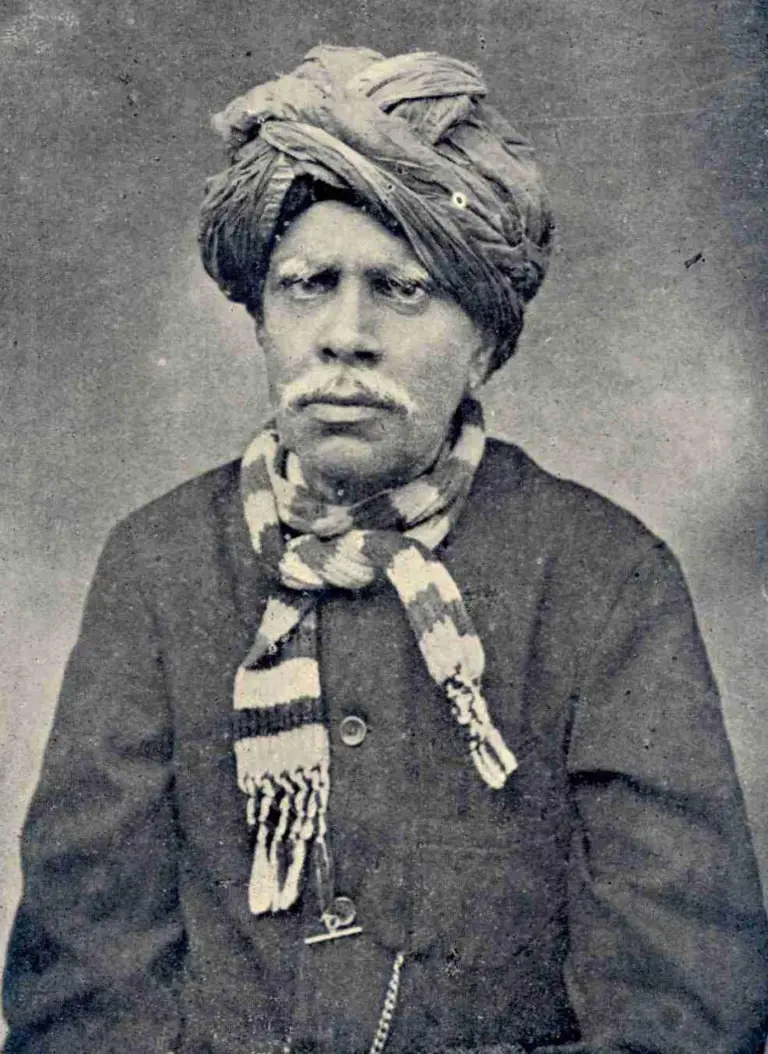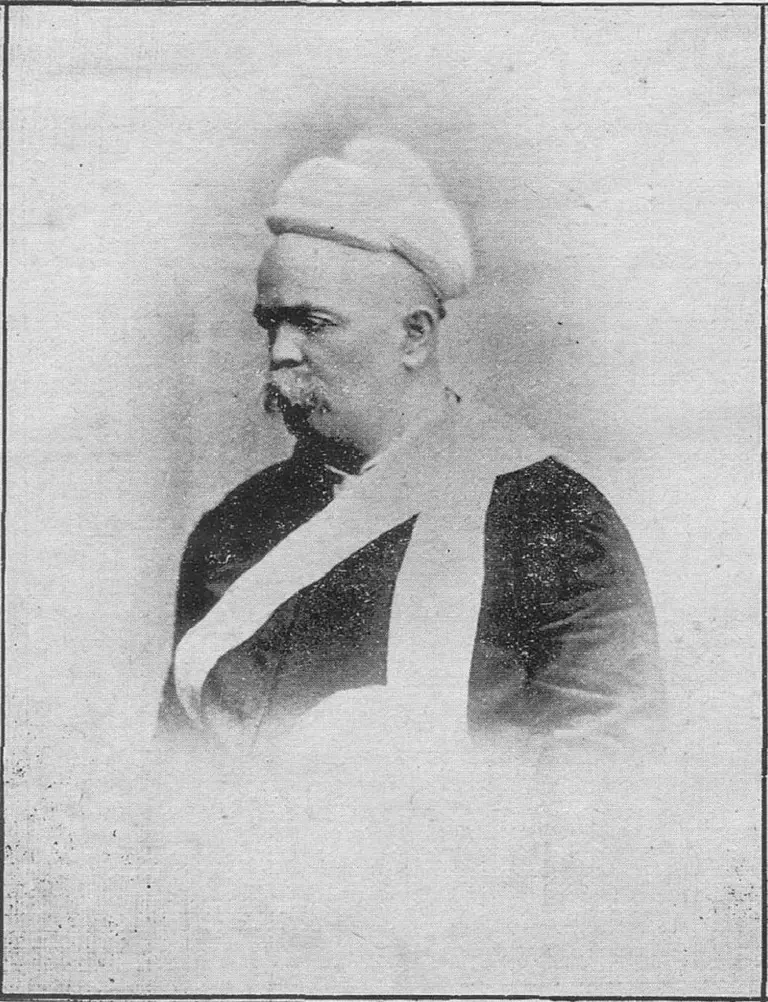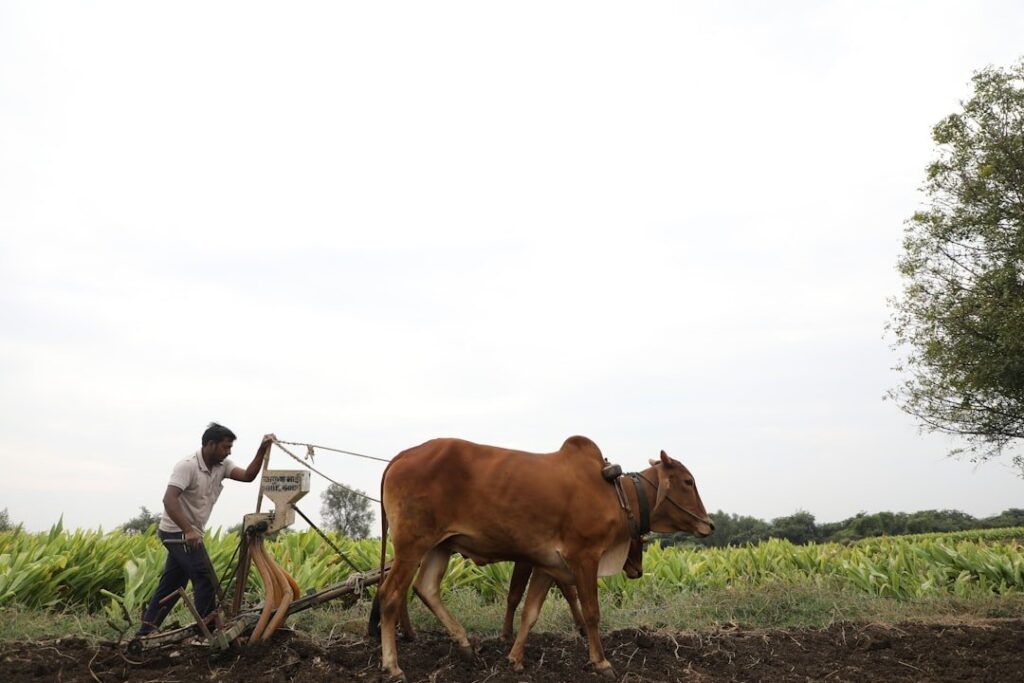
The term kshetra-patni — literally “mistress of the field” — occurs in the agricultural hymns of the Atharvaveda. Its appearance is brief but telling. In a body of literature otherwise dominated by male priestly voices and male ritual roles, kshetra-patni names a feminine presiding spirit over cultivated land — sometimes a goddess of the field, sometimes the human wife paired ritually with her cultivator-husband. The phrase opens a window onto the gendered grammar of land, fertility, and ritual labour in early Vedic India.
The textual occurrence
The Atharvaveda is the fourth of the Vedic Samhitas, distinct from the Rigveda, Yajurveda and Samaveda in its preoccupation with the everyday concerns of householders — illness, ritual protection, snake-bite, agricultural prosperity, marriage, and domestic harmony. While the Rigveda’s hymns are largely directed at the great deities of the cosmic order — Indra, Agni, Soma, Varuna — the Atharvaveda’s voice is closer to the soil.
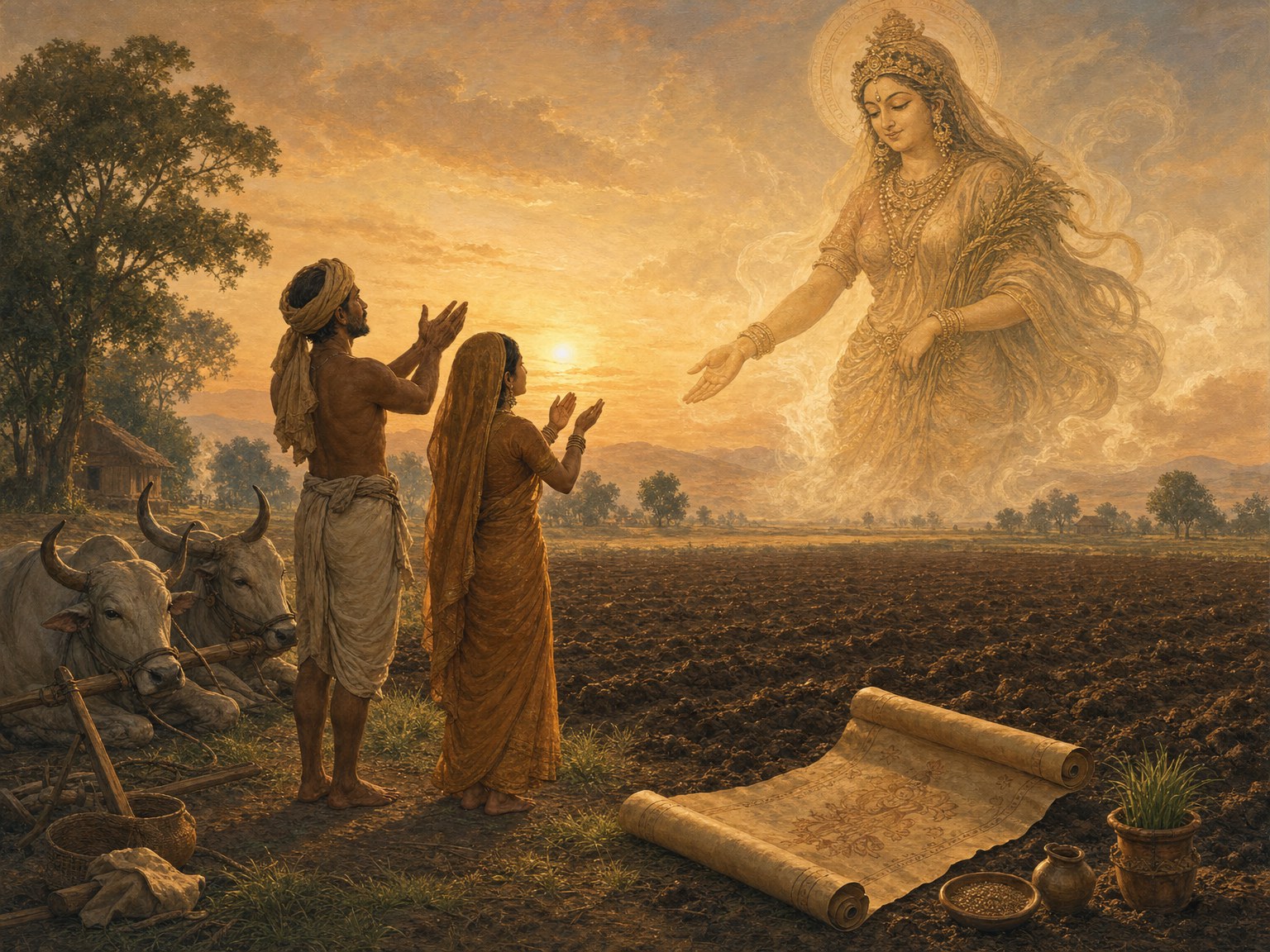
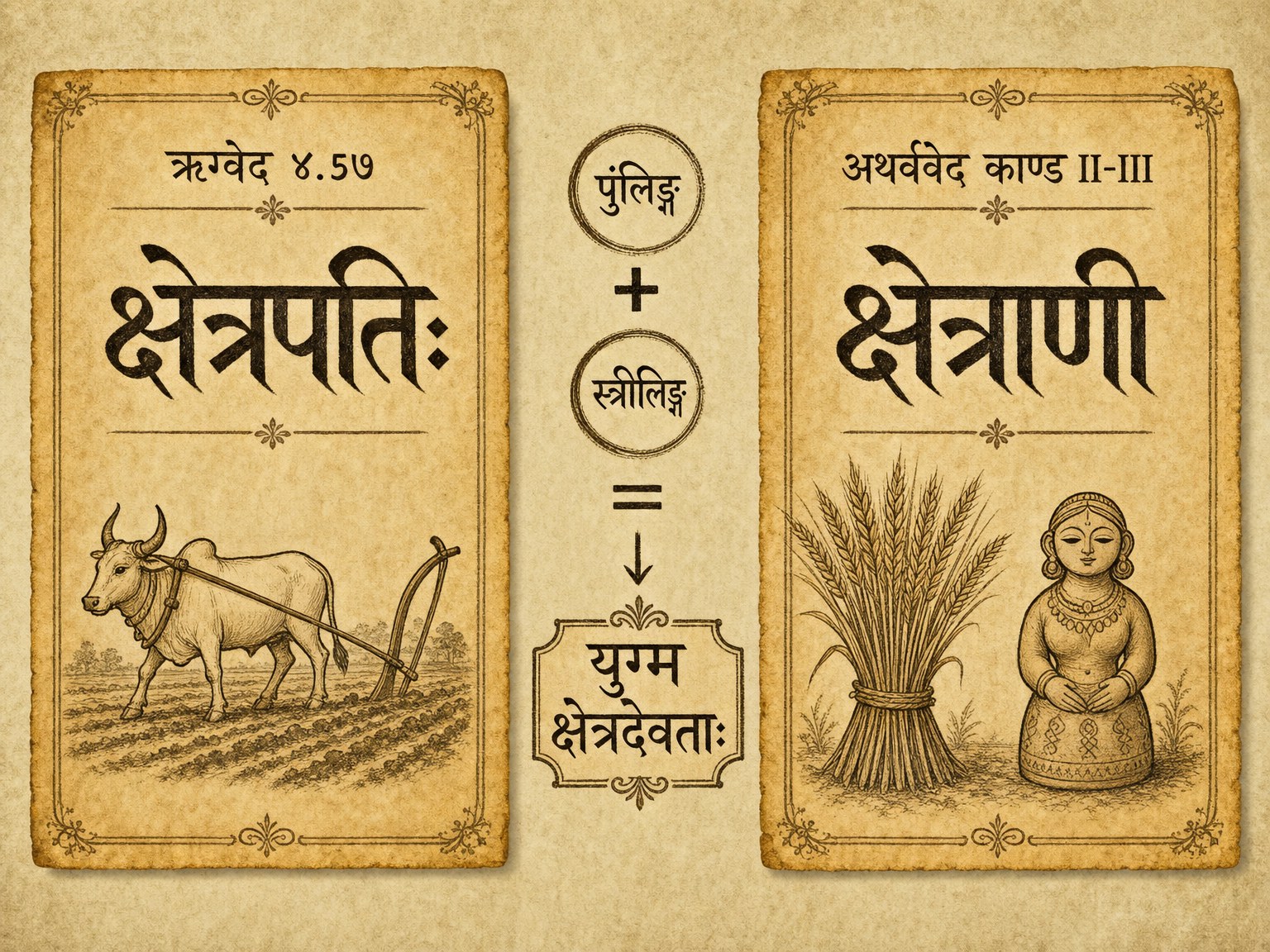
The agricultural hymns of the Atharvaveda (notably in Kanda II and Kanda III) invoke kshetrasya pati — the lord of the field — and his consort, kshetra-patni. The pairing matters. The cultivated field is treated not as a passive resource but as a ritual entity with its own divine guardianship, addressed in the dual.
Why the Atharvaveda and not the Rigveda
Some commentators incorrectly associate kshetra-patni with the Rigveda. The Rigveda contains the related concept of kshetrasya pati (the lord of the field, in hymn 4.57), but the explicit female counterpart — kshetra-patni — appears in the Atharvaveda’s more elaborate ritual address to the agricultural divinity. The Atharvaveda’s broader concern with household and field ritual makes it the natural locus for this terminology.
The Ashtadhyayi of Panini and the Arthashastra of Kautilya, both later texts, use kshetra in administrative and legal senses (defined plots, taxable land, boundary disputes) but do not employ the ritual kshetra-patni formulation in the same way.
Two readings of kshetra-patni
The term has been read in two related but distinguishable ways across Vedic scholarship.
The goddess reading
In one reading, kshetra-patni is a goddess — the female presiding divinity of the cultivated field, paired in the Atharvaveda hymn with the male field-deity. Worshipped at the inception of the ploughing season, before the first sowing, and at harvest, she is one of a wider class of feminine agricultural deities — Sita (the furrow, mentioned in the Rigveda 4.57), Urvara (the fertile field), Anumati (consent, applied to the seed’s germination), and Sinivali (the new moon, associated with crop blessing).
The human-ritual reading
In the second reading, kshetra-patni refers to the human wife of the cultivator, ritually paired with her husband during the agricultural rites. This reading is grounded in the Vedic convention that ritual acts are performed by the householder and his wife together — a married couple is the unit of yajna, and major rituals require the joint presence of the patni. The kshetra-patni, in this reading, is the woman who walks the field with her husband at the ploughing ritual, who scatters the first handful of grain, who performs the rites of seed protection.
Both readings can be true simultaneously. The Atharvaveda’s poetic style frequently lets human and divine personae blur into each other — the human wife performing the ritual stands in for, and is identified with, the goddess of the field.
Women in early Vedic agriculture
The kshetra-patni concept fits within a broader pattern in early Vedic literature, where women appear in agricultural work and ritual far more visibly than in some later Brahmanical texts. Several pointers from the Vedic corpus:
- Joint household ritual — major sacrifices (the agnihotra, the somayajna) require the patni‘s active participation. There is no concept of a male priest performing the full rite alone in this period.
- Female seers (rishikas) are credited as authors of several hymns — Ghosha, Lopamudra, Apala, Surya — and references to women composing and reciting hymns are scattered through the corpus.
- Female labour in fields is referenced in the Rigveda’s descriptions of harvest, threshing, and grain processing.
- Sita as deity — the furrow worshipped as a goddess — has a Rigvedic genealogy (4.57) and is invoked by farmers alongside kshetrasya pati and (in the Atharvaveda) kshetra-patni.
The agricultural goddess complex of early Vedic India is thus dense. Kshetra-patni is one term in a larger vocabulary that included Sita (furrow), Urvara (fertile soil), Prithvi (earth), Sinivali, Anumati, and the broader category of grameya devata — village-tutelary deities, often feminine.
Later trajectory of the term
The term kshetra-patni does not survive into mainstream classical Sanskrit usage. By the time of Panini’s Ashtadhyayi (around the 4th century BCE) and Kautilya’s Arthashastra (3rd century BCE), kshetra has taken on a primarily administrative and legal meaning — measured plot, agricultural district, taxable land. The compound kshetra-patni is not a recognised classical Sanskrit term in the way that, say, grihapatni (mistress of the household) became.
What persisted, however, is the underlying ritual pattern: the joint participation of husband and wife in agricultural rites, the invocation of feminine field deities at sowing and harvest, and the broader Indian cultural identification of land with female personhood — an identification that resurfaces in classical literature (Bhumi, Sita), in regional folk traditions (Bhumi Puja, the worship of village mother goddesses), and in modern political vocabulary (Bharat Mata).
Wider significance
Kshetra-patni is a small philological footnote that opens a larger view. It records a moment in early Indian thought where the agricultural field was not yet a depersonalised economic resource but a being addressed ritually, with a feminine personality. It also records the active religious presence of women in early Vedic agriculture — not as a backdrop but as ritual co-actors, identified explicitly with the goddess of the field.
The trajectory from kshetra-patni of the Atharvaveda to the heavily masculine, administrative kshetra of later Sanskrit legal texts is itself a story about how language and ritual mirrored the gradual narrowing of women’s public ritual roles between the early Vedic period and the early historical era.
FAQs
What does kshetra-patni mean?
u0022Mistress of the field.u0022 It is a Sanskrit compound of kshetra (field, cultivated land) and patni (wife, mistress, female counterpart). The term denotes either the feminine deity of the cultivated field or the human wife paired with her cultivator-husband in agricultural ritual.
In which Vedic text does kshetra-patni appear?
The Atharvaveda, in its agricultural hymns. The Rigveda contains the related masculine term kshetrasya pati (4.57) but the explicit female counterpart kshetra-patni is an Atharvavedic usage.
Is kshetra-patni found in the Ashtadhyayi or the Arthashastra?
No. Panini’s Ashtadhyayi and Kautilya’s Arthashastra use kshetra in legal and administrative senses (measured land, taxable plot) but do not employ the ritual compound kshetra-patni.
Is kshetra-patni a goddess or a human?
Both readings exist and may be simultaneously valid. As a goddess, she is the female presiding divinity of the cultivated field. As a human, she is the cultivator’s wife ritually paired with him in agricultural rites. Vedic poetic style frequently lets the two identifications merge.
What other agricultural goddesses appear in the Vedas?
Sita (the furrow, Rigveda 4.57), Urvara (the fertile field), Prithvi (the earth), Anumati (consent of the seed), and Sinivali (the new moon, associated with crop blessing). Together they form a feminine agricultural deity complex.
What does the term tell us about women in early Vedic society?
That women had a significant ritual role in agriculture — as joint participants in the rites of sowing and harvest, and as ritual identifications of the goddess of the field. This visibility narrowed in later Brahmanical literature.
Why doesn’t kshetra-patni survive into classical Sanskrit?
The semantic field of kshetra shifted from a ritual entity to an administrative-legal unit (measured plot, taxable land) during the early historical period. The ritual personification fell out of formal usage, though the underlying pattern — joint husband-wife agricultural rites and feminine field-deities — persists in folk and regional traditions to the present.
What is the connection between kshetra-patni and kshetrasya pati?
They are a dual ritual pair invoked in Atharvavedic agricultural hymns. Kshetrasya pati (the male lord of the field) appears in the Rigveda (4.57); his feminine counterpart kshetra-patni is the Atharvavedic addition, signalling a more elaborate ritual address to the agricultural divinity as a couple.
Tell Google you want more of this.
Add Anantam IAS as a preferred sourceOne tap, and this site shows up more often in your own Top Stories, AI Overviews and AI Mode. Remove it any time.