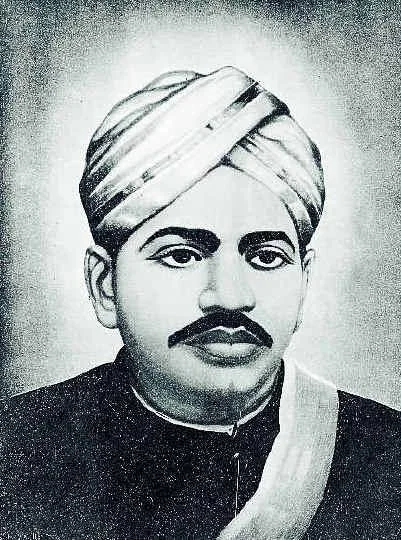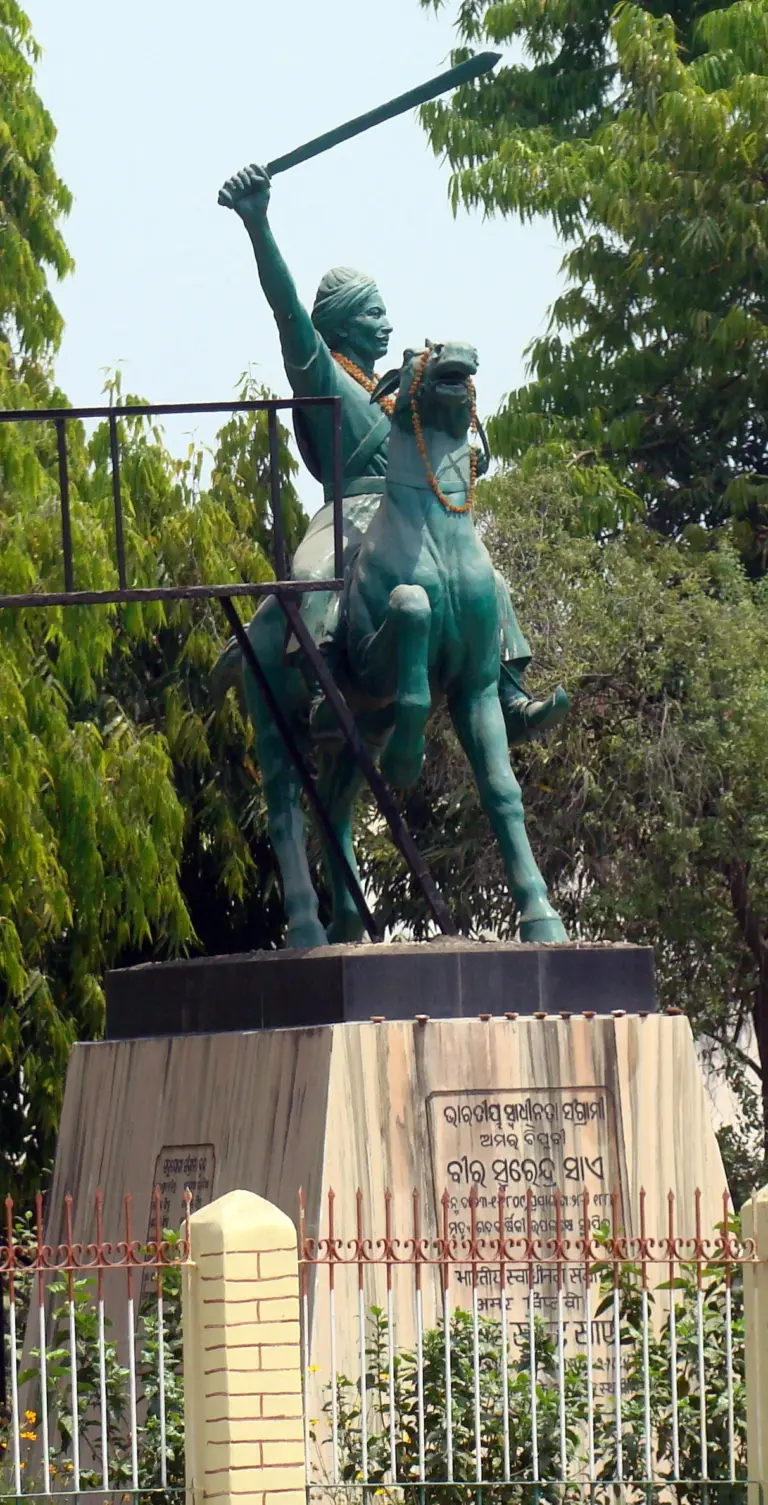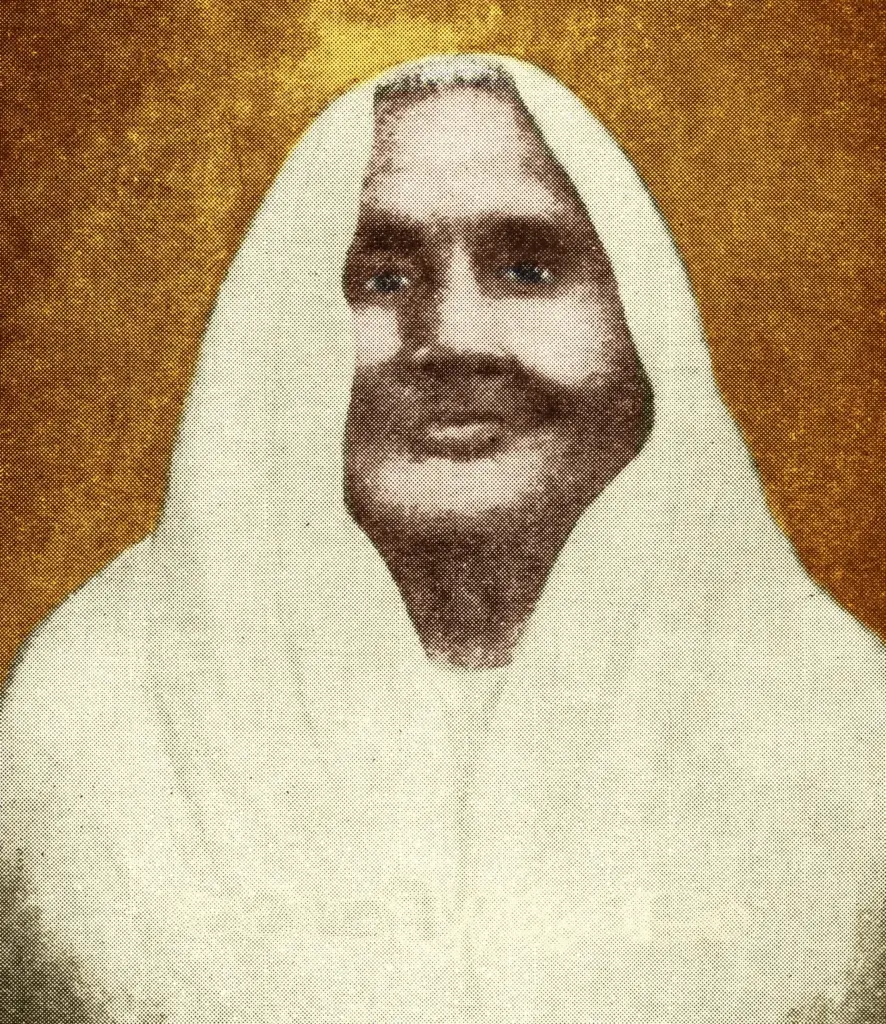
Matangini Hazra was a peasant widow from Tamluk in the Medinipur (Midnapore) district of Bengal who was killed on 29 September 1942 while leading a Quit India procession toward the Tamluk police station with the national flag in her hand. Local people called her Gandhi Buri, Bengali for “the old lady Gandhi”, and her death became the defining image of one of the most organized risings of 1942, the one that produced the Tamralipta Jatiya Sarkar, a parallel national government.
Two things about her get blurred. The first is the timeline: she did not die under the parallel government, because it was proclaimed in December 1942, nearly three months after her death. The second is the detail of how she died, where government histories, IGNOU material and local accounts don’t fully agree. This note sets out what the sources say, where they differ and why her story still anchors any answer on women in the freedom struggle.
Who Was Matangini Hazra?
Matangini Hazra was a rural Gandhian worker with no formal schooling who became a symbol of the Quit India Movement in Bengal. Her life is thinly documented before the 1930s, so the table separates firm facts from the commonly given ones.
| Fact | Detail |
|---|---|
| Born | 1870, near Tamluk (19 October 1870 in most biographies) |
| Region | Tamluk subdivision, Medinipur district, Bengal (now Purba Medinipur, West Bengal) |
| Known as | Gandhi Buri, “old lady Gandhi” |
| Movements | Civil Disobedience, anti-Chowkidari tax campaign, Quit India |
| Died | 29 September 1942, Tamluk, during a march on the police station |
| Age at death | About 72 by her birth year; IGNOU material calls her “eighty-year old” |
| Linked body | Tamralipta Jatiya Sarkar, December 1942 to August 1944 |
| Commemorated | Rs 5 stamp of December 2002, issued with one for Ajoy Kumar Mukherjee |
Early Life of a Peasant Widow
Most accounts agree on a short outline. She was born to a poor peasant family in a village near Tamluk, married Trilochan Hazra as a child of about twelve and was widowed at about eighteen without children. The PIB release on her stamp puts it in one line: she was widowed early in life but continued to live it with courage.
Very little else is on record for her first sixty years, and you should resist notes that fill the gap with invented detail. What the outline tells you is enough. She had no family position, no education and no political training, which is exactly why her later standing in Tamluk mattered.
The local setting explains her politics. Medinipur had one of the strongest Congress organizations in Bengal from the days of the Non-Cooperation Movement, with dense networks of village workers. A widow who spun khadi and joined processions in that district was part of a disciplined movement, not an isolated rebel.
Gandhian Work Before 1942
Matangini Hazra entered the movement as a Gandhian, and her record before 1942 follows the Gandhian program closely. Biographies record three phases of activity:
- During the Civil Disobedience Movement of the early 1930s she joined salt satyagraha and was arrested for breaking the salt law.
- She took part in the Chowkidari tax refusal, a Medinipur campaign against the tax that villagers paid for the upkeep of the village watchman, the chowkidar. She was arrested again while marching against a special court set up to punish the protesters, and accounts say she served a prison term at Baharampur.
- Between agitations she did social work, including nursing during a smallpox outbreak and work among castes treated as untouchable.
The Chowkidari tax campaign is worth understanding for what it shows. The chowkidar was the lowest link of the colonial police, and refusing his tax was a way to withdraw a village from the state without violence. That habit of local non-cooperation is what Tamluk scaled up in 1942.
29 September 1942: The March on Tamluk
After the Congress leaders were arrested on 9 August 1942, the Quit India Movement passed into local hands. In Medinipur, IGNOU’s unit notes, several established Congress leaders at first held back, and the initiative passed to young activists. Their plan for late September was to take over the police stations and government offices of the Tamluk and Contai subdivisions in a single coordinated action.
On 29 September 1942, columns of volunteers converged on Tamluk town. Matangini Hazra, then in her seventies, led one of them from the north of the criminal court building toward the police station. Police opened fire. She kept advancing with the tricolor after the firing began and was hit several times. Accounts based on Biplabi, the underground newspaper of the Tamluk movement, describe wounds to her forehead and both hands and say she kept repeating “Vande Mataram” as she fell.
Where the sources differ
The core event is not in doubt: an elderly woman leading a column was killed by the colonial forces in Tamluk on 29 September 1942. The details vary by source:
- Manner of death. The PIB release says she was felled by “a shower of bullets”, and the Azadi Ka Amrit Mahotsav profile says she was shot dead in front of the Tamluk police station. IGNOU’s Quit India unit says she was killed in a lathi-charge.
- Age. A birth year of 1870 makes her about 72. IGNOU calls her an eighty-year-old political worker.
- Numbers. Popular accounts say she led thousands of marchers, mostly women. No official count is available, so treat any figure as an estimate.
The weight of government and local evidence points to death by firing. For an answer, “shot dead by police while leading a procession at Tamluk on 29 September 1942” is the safe formulation.
The Tamralipta Jatiya Sarkar
The Tamluk rising didn’t end with the firing of 29 September. Bengal in 1942 was a province under acute wartime strain. The British feared a Japanese landing on the coast, and under the Denial Policy they removed or destroyed boats and stocks of rice in coastal districts so an invader couldn’t use them. IGNOU’s unit links this policy, rice exports to the cities and administrative apathy to the anger that made Medinipur an ‘open rebellion’, and the same pressures fed into the Bengal famine of 1943.
Then nature struck. On 16 October 1942 a severe cyclone hit coastal Medinipur, and the official relief response was widely seen as callous. The activists stepped into that gap, and on 17 December 1942 they proclaimed the Tamralipta Jatiya Sarkar, the National Government of Tamralipta (the ancient name of Tamluk). IGNOU gives its full title as “Mahabharata Yuktarashtra: Tamralipta Jatiya Sarkar”.
It was the most elaborate of the parallel governments of 1942. The PIB release lists what it built:
- police stations and a military department, including an armed volunteer force, the Vidyut Vahini;
- courts and an arbitration system that settled local disputes;
- a system of revenue collection;
- relief work after the cyclone and grants to schools.
Satish Chandra Samanta was its first Sarbadhinayak, or chief executive, and Ajoy Kumar Mukherjee succeeded him after Samanta’s arrest in 1943. Biplabi was its newspaper. The Sarkar ran until August 1944, when Gandhi, released from prison, advised that it be wound up.
Its connection to Matangini Hazra is moral, not institutional. Her death came before the Sarkar existed, but its leaders invoked her martyrdom to rally support, and the two have been commemorated together ever since. The December 2002 stamp pair issued by the Department of Posts put her portrait beside Ajoy Kumar Mukherjee’s, with scenes of the struggle and an image of Biplabi.
Women, Age and the Gandhian Mass Movement
Why does a single death in one subdivision carry so much weight in the national story? Because it captures three things the Gandhian movement claimed about itself, in one person.
- Class. She was a poor rural widow, not an educated urban activist. Mass mobilization had reached the bottom of village society.
- Gender. Medinipur’s movement drew women into processions and picketing in large numbers, and her death made that participation visible.
- Age. A woman past seventy facing the police turned the idea of non-violent courage into a picture anyone could understand.
There’s a tension here that a careful answer acknowledges. Matangini Hazra was a lifelong Gandhian, yet she died in a rising that included sabotage and an armed volunteer force, and that went beyond anything Gandhi had sanctioned. Quit India was Gandhi’s call, but in places like Tamluk the people who answered it set their own methods. Her story sits right on that line.
She also belongs to a wider cast of women who carried Quit India after the men were jailed. Aruna Asaf Ali hoisted the flag at Gowalia Tank in Bombay on 9 August 1942 and then went underground, and Usha Mehta ran the secret Congress Radio. The contrast is useful in an answer: those were educated urban activists working in secret, while Matangini Hazra was a village widow marching in the open. Together they show how far down and how wide the movement reached.
Matangini Hazra Today
Matangini Hazra is commemorated across Bengal. Hazra Road in south Kolkata is named after her, a statue stands on the Kolkata Maidan and another marks the site of her death in Tamluk. The Shahid Matangini community development block and the Sahid Matangini railway station in Purba Medinipur carry her name, and the Shahid Matangini Hazra Government College for Women opened in Tamluk in 2015.
She returns to the news every August with the anniversary of Quit India. The 83rd anniversary coverage of the Quit India Movement in August 2025 is a useful place to see how official commemoration frames the parallel governments today, with Satara, Ballia and Tamluk named together.
How to Study Matangini Hazra for Exams
Matangini Hazra belongs to GS Paper I under the freedom struggle, at the intersection of two themes: the Quit India Movement and the role of women. The theme is tested more often than the name. Mains 2024 GS Paper I asked “What were the events that led to the Quit India Movement? Point out its results.”, and the parallel governments are a standard part of the results. In the Prelims bank, History accounts for 184 of the 1,403 questions on the topic-wise Prelims archive, and Quit India’s parallel governments recur as matching items.
Revise these facts:
- Died on 29 September 1942 at Tamluk, Medinipur, leading a procession toward the police station.
- Popular name: Gandhi Buri.
- Earlier arrests: salt law (Civil Disobedience) and the anti-Chowkidari tax campaign.
- Tamralipta Jatiya Sarkar: proclaimed 17 December 1942, wound up in August 1944 on Gandhi’s advice.
- Sarkar’s newspaper: Biplabi; its armed wing: Vidyut Vahini.
- Stamp: December 2002, Rs 5, paired with Ajoy Kumar Mukherjee.
The confusions to keep apart:
- Death and Sarkar. She died before the Sarkar was proclaimed; she was not one of its officials.
- Tamluk and Contai. Both Medinipur subdivisions rose in 1942; the Jatiya Sarkar was Tamluk’s.
- Parallel governments. Each had its own place and leader, and matching questions mix them.
| Parallel government | Place | Period | Key name |
|---|---|---|---|
| Tamralipta Jatiya Sarkar | Tamluk, Medinipur (Bengal) | December 1942 to August 1944 | Satish Chandra Samanta, Ajoy Mukherjee |
| Prati Sarkar | Satara (Maharashtra) | 1943 to 1946 | Nana Patil |
| National government | Ballia (United Provinces) | August 1942, short-lived | Chittu Pandey |
| Azad Government | Ahmedabad city | 1942 to early 1943 | Congress socialists |
Matangini Hazra gives you a ready illustration for any answer on women in the freedom struggle or on Quit India’s popular phase. Use her with the Jatiya Sarkar and the correct dates, and you show the examiner you know how a local rising actually worked rather than reciting a famous name.
Frequently Asked Questions
Who was Matangini Hazra?
Matangini Hazra was a Gandhian freedom fighter from Tamluk in Bengal’s Medinipur district. A poor peasant widow with no formal education, she took part in the Civil Disobedience and anti-Chowkidari tax campaigns and was killed by police on 29 September 1942 while leading a Quit India procession. She is remembered as Gandhi Buri.
Why was Matangini Hazra called Gandhi Buri?
Gandhi Buri means ‘old lady Gandhi’ in Bengali. Local people gave her the name because of her long devotion to Gandhian methods such as khadi, satyagraha and village work. The name stayed with her through the Quit India rising of 1942.
How did Matangini Hazra die?
She was killed on 29 September 1942 while leading a column of marchers toward the Tamluk police station with the national flag. Government sources, including the 2002 PIB release on her stamp, say she was felled by police bullets. One IGNOU unit describes a lathi-charge, but death by firing is the widely accepted account.
What was the Tamralipta Jatiya Sarkar?
It was a parallel national government proclaimed at Tamluk on 17 December 1942 during the Quit India Movement. It ran its own police, courts, revenue system and an armed volunteer force called the Vidyut Vahini, and published the newspaper Biplabi. It functioned until August 1944, when Gandhi advised that it be wound up.
Was Matangini Hazra part of the Tamralipta Jatiya Sarkar?
Not as an official, because she died almost three months before it was proclaimed. Its leaders invoked her martyrdom to rally support, and she has been commemorated together with the Sarkar ever since, including on the 2002 stamp pair.
How old was Matangini Hazra when she died?
Taking the commonly given birth year of 1870, she was about 72. Some accounts, including an IGNOU unit, describe her as eighty, so her age is best stated as above seventy.
What is named after Matangini Hazra?
Hazra Road in Kolkata, statues on the Kolkata Maidan and in Tamluk, the Shahid Matangini block and railway station in Purba Medinipur and a government women’s college in Tamluk opened in 2015 all carry her name. India Post issued a stamp with her portrait in 2002.
Practice Questions
Prelims
1. Consider the following statements about Matangini Hazra: 1. She was killed during the Quit India Movement at Tamluk in 1942. 2. She served as the first Sarbadhinayak of the Tamralipta Jatiya Sarkar. Which of the statements given above is/are correct?
- (a) 1 only
- (b) 2 only
- (c) Both 1 and 2
- (d) Neither 1 nor 2
Answer: (a) She died on 29 September 1942; the first Sarbadhinayak was Satish Chandra Samanta, and the Sarkar was proclaimed after her death.
2. ‘Biplabi’ was the underground newspaper associated with which parallel government of 1942?
- (a) Satara Prati Sarkar
- (b) Tamralipta Jatiya Sarkar
- (c) Ballia national government
- (d) Azad Government of Ahmedabad
Answer: (b) Biplabi was published by the Tamluk movement in Medinipur.
3. Consider the following pairs: 1. Tamluk : Medinipur 2. Satara : Maharashtra 3. Ballia : Bihar. Which of the pairs given above is/are correctly matched?
- (a) 1 only
- (b) 1 and 2 only
- (c) 2 and 3 only
- (d) 1, 2 and 3
Answer: (b) Ballia is in eastern Uttar Pradesh (then the United Provinces), not Bihar.
4. The Chowkidari tax, which Matangini Hazra and others refused to pay in Medinipur, was levied to pay for
- (a) irrigation embankments
- (b) the village watchman
- (c) district schools
- (d) salt storage
Answer: (b) The chowkidar was the village watchman, the lowest link of the colonial police.
5. The Tamralipta Jatiya Sarkar ceased to function in 1944 because
- (a) it was crushed by the army after a single battle
- (b) its leaders joined the Muslim League ministry
- (c) Gandhi advised that it be wound up
- (d) the Cripps Mission offered it recognition
Answer: (c) The PIB record says it functioned until August 1944, when Gandhi advised winding up its activities.
Mains
- Defying the barriers of age, gender and religion, the Indian women became the torch-bearer during the struggle for freedom in India. Discuss. (10 marks, 200 words) Previous year: Mains 2013, GS Paper I.
- From passive resistors to armed revolutionaries, the Indian Freedom Struggle has a strong imprint of women freedom fighters. Elucidate. (20 marks, 250 words) Previous year: 2026, PSIR Optional Paper I.
- What were the parallel governments of the Quit India Movement? Examine the working of the Tamralipta Jatiya Sarkar. (15 marks, 250 words)
- ‘Quit India was Gandhi’s call, but local leaders chose its methods.’ Examine this statement with reference to Medinipur in 1942. (15 marks, 250 words)
- How do local martyrs such as Matangini Hazra shape regional memory of the national movement? Discuss with examples. (10 marks, 150 words)
Tell Google you want more of this.
Add Anantam IAS as a preferred sourceOne tap, and this site shows up more often in your own Top Stories, AI Overviews and AI Mode. Remove it any time.