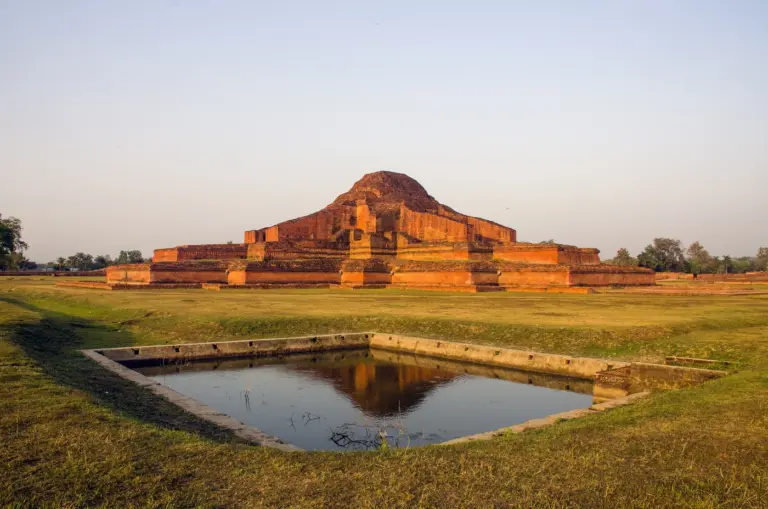
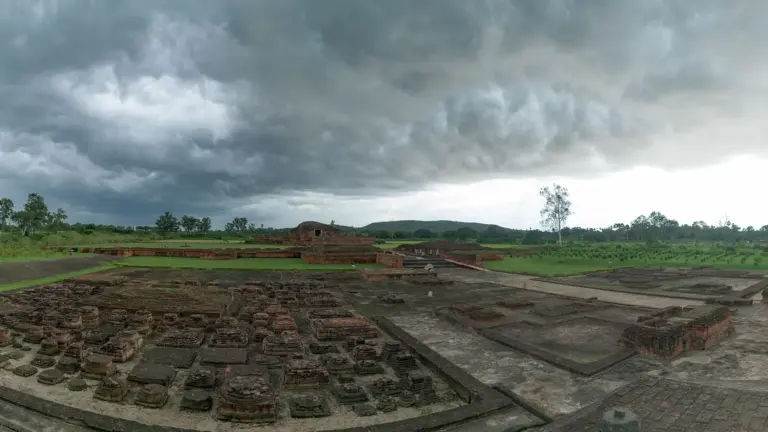
The Maurya Dynasty (c. 321 BCE – 185 BCE) was the first empire to bring almost the entire Indian subcontinent under a single political authority. Founded by Chandragupta Maurya with the guidance of Kautilya (Chanakya), expanded by Bindusara, and transformed into a moral empire by Ashoka the Great, it set enduring templates for Indian statecraft, administration, and cultural diplomacy. For UPSC aspirants, the Maurya period is a core Prelims and Mains topic, integrating political history, administrative theory, archaeological evidence, and Buddhist thought.
Origins and Sources
The Mauryas rose in Magadha, displacing the Nanda dynasty around 321 BCE. Our knowledge of the empire comes from a rich set of sources:
| Source | Information |
|---|---|
| Kautilya's Arthashastra | Principles of statecraft, administration, taxation, espionage |
| Megasthenes' Indica (via later Greek writers) | Eyewitness account of Chandragupta's court at Pataliputra |
| Ashokan edicts (rock and pillar) | Earliest decipherable Indian inscriptions; state policy |
| Buddhist texts — Dipavamsa, Mahavamsa, Divyavadana | Ashoka's conversion and missions |
| Jaina tradition | Chandragupta's abdication and migration to Shravanabelagola |
| Puranas | Dynastic lists |
| Archaeological evidence | Kumrahar, Didarganj, Sarnath, Lauriya–Nandangarh |
The Rulers of the Maurya Dynasty
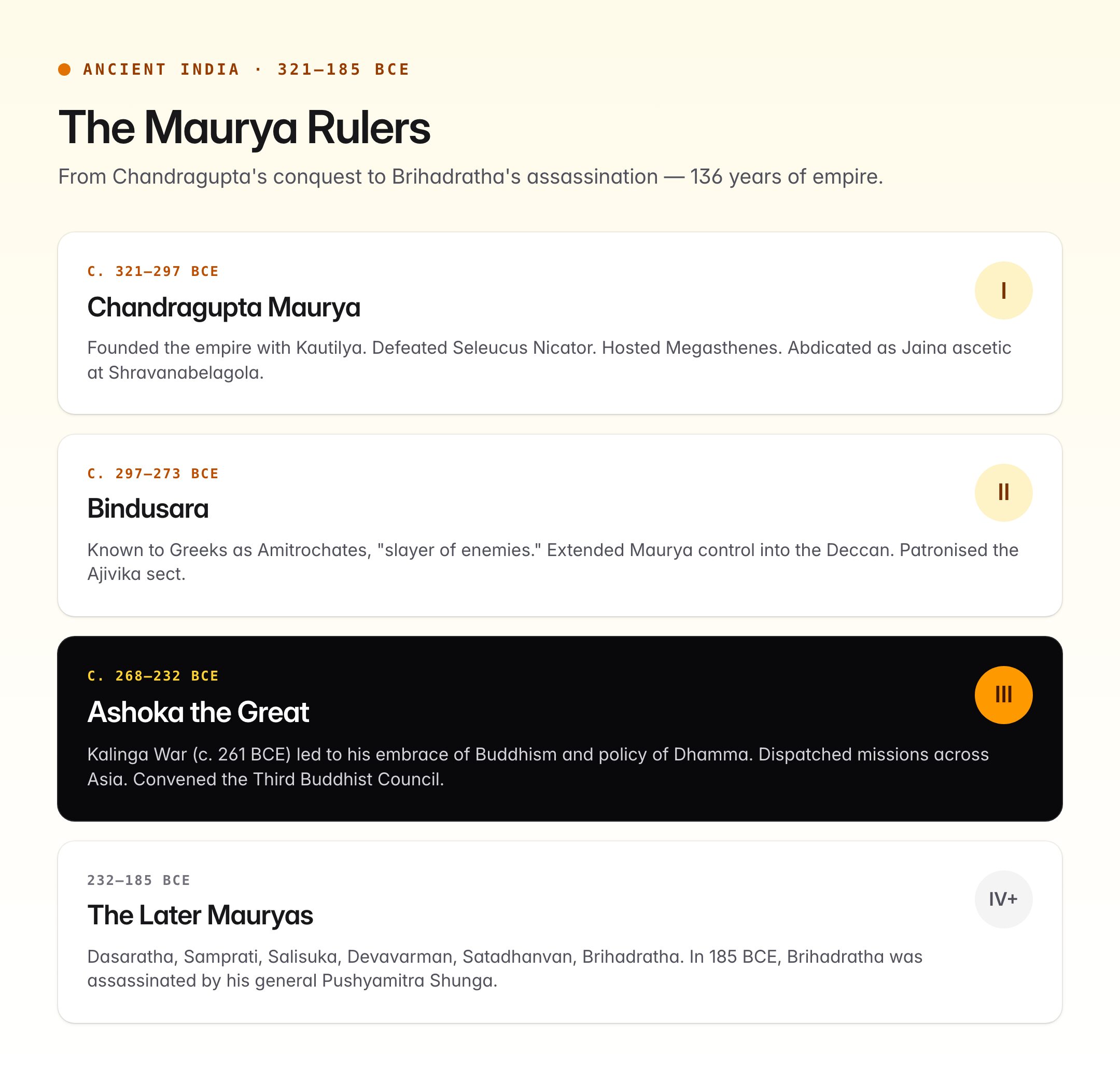
1. Chandragupta Maurya (r. c. 321 – 297 BCE)
Chandragupta, trained and advised by Kautilya (author of the Arthashastra), overthrew Dhana Nanda of Magadha. He defeated Seleucus Nicator, a general of Alexander, around 305 BCE; the treaty ceded territories in eastern Afghanistan (Arachosia, Gedrosia, Paropamisadae) to the Mauryas in exchange for 500 war elephants. Megasthenes, the Greek ambassador of Seleucus, lived at Chandragupta's capital Pataliputra and left the Indica. Late in life Chandragupta reportedly abdicated, became a Jaina ascetic under Bhadrabahu, and died by the Jaina rite of sallekhana at Shravanabelagola in Karnataka.
2. Bindusara (r. c. 297 – 273 BCE)
Known to the Greeks as Amitrochates ("slayer of enemies"), Bindusara consolidated his father's conquests and extended Maurya control into the Deccan. He maintained diplomatic contact with the Hellenistic world; Antiochus I sent envoy Deimachus, and Ptolemy II Philadelphus sent Dionysius. Bindusara's court reportedly patronised the Ajivika sect. The Kalinga region and the deep south appear to have remained outside his direct rule.
3. Ashoka the Great (r. c. 268 – 232 BCE)
Ashoka is the most celebrated Maurya and one of the pivotal figures in world history. He came to the throne after a succession struggle. The watershed was the Kalinga War of c. 261 BCE, whose suffering he describes in his 13th Major Rock Edict. This led to his embrace of Buddhism and a policy of Dhamma — a moral code of non-violence, respect for elders, toleration of all sects, truthfulness, and welfare of subjects. Ashoka dispatched Dhamma missions to Sri Lanka (led by Mahendra and Sanghamitra), Central Asia, West Asia, Egypt, Macedonia, Epirus, and Cyrene. He convened the Third Buddhist Council at Pataliputra under Moggaliputta Tissa.
Later Mauryas
Ashoka's successors — Dasaratha, Samprati, Salisuka, Devavarman, Satadhanvan, and Brihadratha — presided over a weakening empire. In 185 BCE, Brihadratha was assassinated by his general Pushyamitra Shunga, who founded the Shunga dynasty.
Maurya Administration
The Maurya state was among the most organised bureaucracies of the ancient world, drawing on the Arthashastra's detailed prescriptions and practical necessity.
Central Government
| Office | Role |
|---|---|
| King (Raja) | Supreme executive, judicial, and military head. |
| Mantriparishad | Council of ministers advising the king. |
| Mantrins / Amatyas | Senior ministers and high officials. |
| Purohita | Chief priest and advisor. |
| Senapati | Commander-in-chief. |
| Yuvaraja | Crown prince, often a provincial viceroy. |
| Tirthas (18 in number) | Heads of major departments — revenue, treasury, army, protocol. |
Provincial Government
The empire was divided into four (later five) provinces, each under a viceroy drawn from the royal family.
| Province | Capital |
|---|---|
| Northern (Uttarapatha) | Taxila |
| Western (Avantirattha) | Ujjayini |
| Southern (Dakshinapatha) | Suvarnagiri |
| Eastern (Prachyapatha) | Tosali |
| Central (Magadha) | Pataliputra |
Provinces were subdivided into districts (aharas / vishayas), then into villages (gramas) headed by gramikas. Pradeshikas, Rajukas, and Yuktas oversaw district-level administration, revenue, and justice. Ashoka's Rock Edict III mentions periodic tours (anusamyana) for inspection.
City Administration
Megasthenes describes Pataliputra's civic administration through six committees of five members each, handling industry, foreigners, birth–death records, trade, manufactured goods, and tax collection.
Army
Megasthenes records a standing army of around 600,000 infantry, 30,000 cavalry, 9,000 elephants, and 8,000 chariots, managed by six committees of five members each, covering navy, transport, infantry, cavalry, chariots, and elephants.
Revenue System
| Tax | Meaning |
|---|---|
| Bhaga | Share of produce (usually 1/6) |
| Bali | Additional levy |
| Shulka | Customs, tolls |
| Kara | Periodic cash tax |
| Pranaya | Emergency levy |
| Vishti | Forced labour |
Espionage and Justice
The Arthashastra details a pervasive spy network (gudhapurushas), including wandering ascetics, householders, courtesans, and merchants. Courts handled Dharmasthiya (civil) and Kantakashodhana (criminal) cases.
Ashokan Edicts
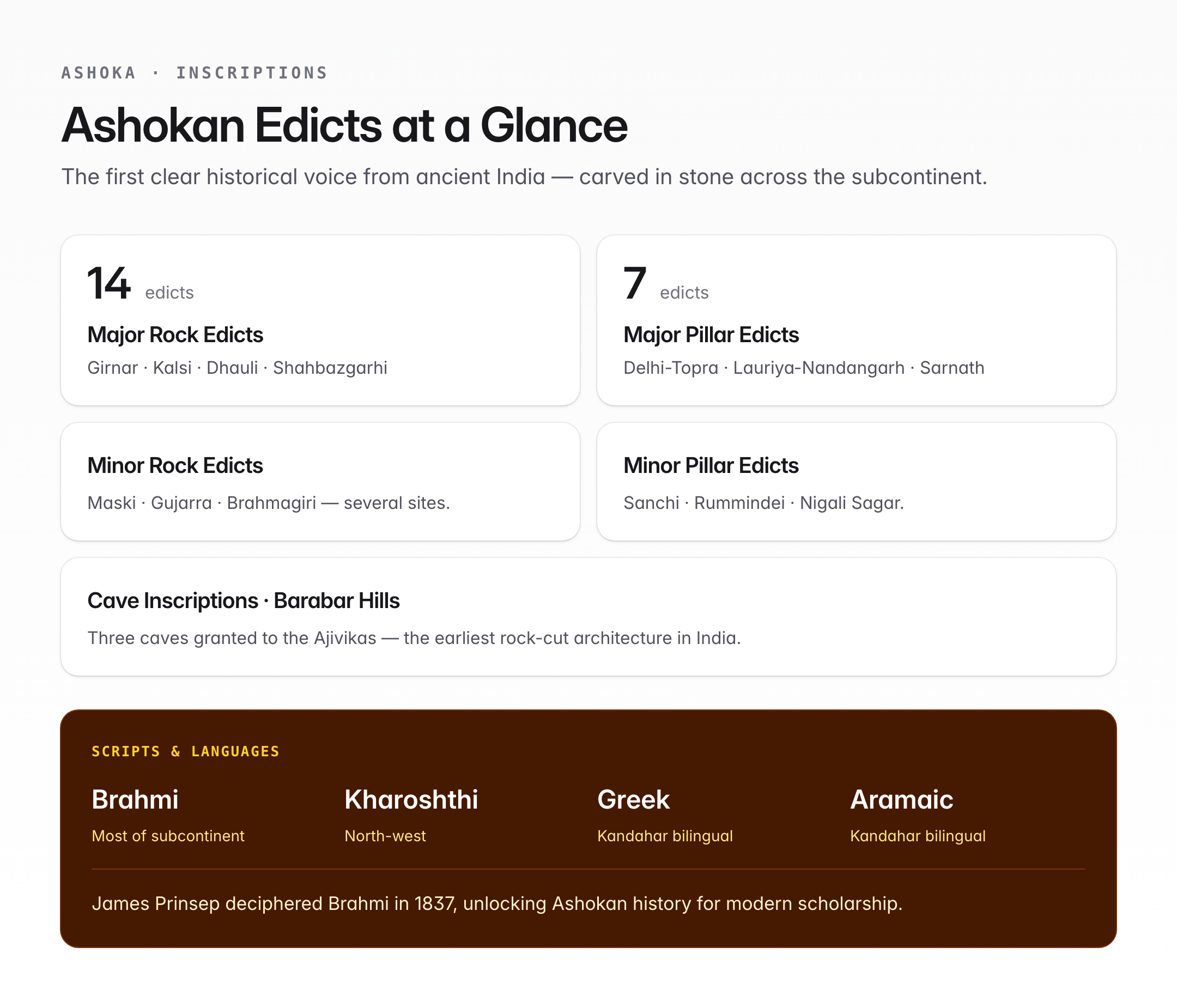
Ashoka's inscriptions are the first clear historical voice from ancient India. They are classified as:
| Category | Number | Examples |
|---|---|---|
| Major Rock Edicts | 14 | Girnar, Kalsi, Dhauli, Shahbazgarhi |
| Minor Rock Edicts | Several | Maski, Gujarra, Brahmagiri |
| Major Pillar Edicts | 7 | Delhi–Topra, Lauriya–Nandangarh, Sarnath |
| Minor Pillar Edicts | Several | Sanchi, Rummindei, Nigali Sagar |
| Cave inscriptions | 3 | Barabar Caves (granted to Ajivikas) |
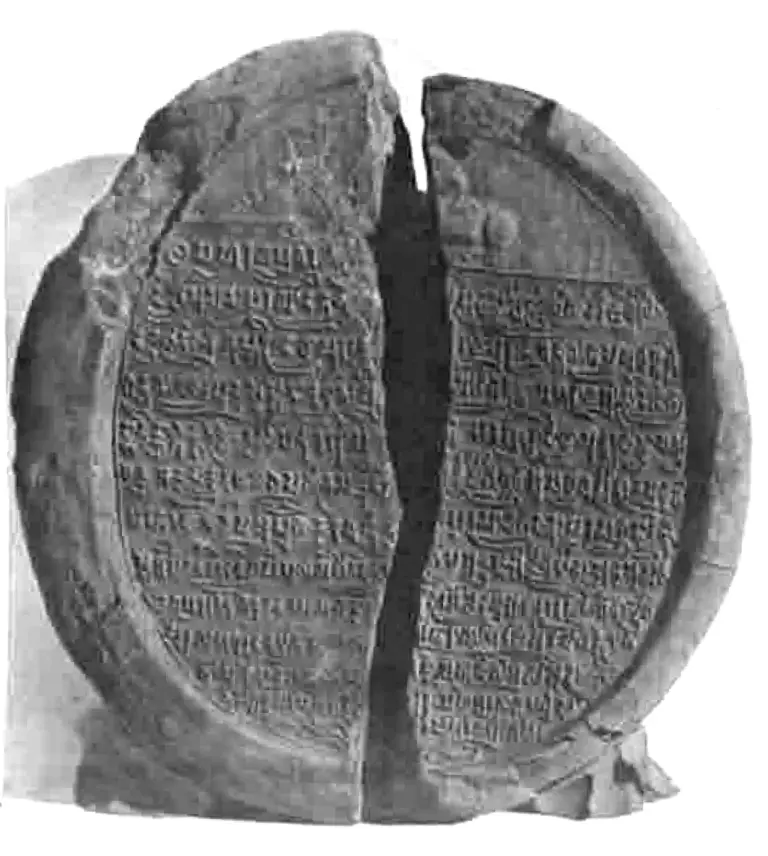
Most edicts are in Prakrit using Brahmi script; in the north-west they appear in Kharoshthi and even in Greek and Aramaic (Kandahar bilingual). James Prinsep deciphered Brahmi in 1837, unlocking Ashokan history.
Art and Architecture
- Monolithic polished pillars with animal capitals — the Lion Capital at Sarnath (India's State Emblem).
- Stupas — the original core of Sanchi and Bharhut.
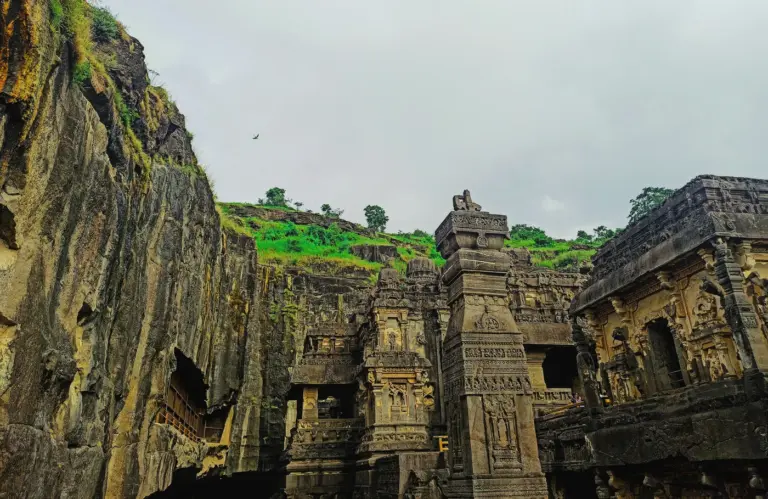
- Rock-cut caves at Barabar Hills — earliest examples of Indian rock-cut architecture.
- Didarganj Yakshi — masterpiece of Maurya-period sculpture.
- Polished stone finish (Mauryan polish) unique to the period.
Decline of the Maurya Empire
Scholars debate the causes. Key factors include:
- Weak successors after Ashoka.
- Financial strain from a large bureaucracy and army.
- Pacifist policy misread — some argue the army weakened under Dhamma; others reject this view.
- Brahmanical reaction against Ashoka's patronage of Buddhism.
- Provincial revolts as central authority loosened.
- External pressure from the north-west (Bactrian Greeks).
- Assassination of Brihadratha by Pushyamitra Shunga in 185 BCE.
Significance of the Maurya Dynasty
- First pan-Indian empire, stretching from Kandahar to Bengal, Himalayas to Karnataka.
- Template of centralised administration that influenced later dynasties.
- Kautilya's Arthashastra — earliest Indian treatise on statecraft, comparable to Machiavelli's The Prince but far more systematic.
- Ashokan Dhamma and missions — spread of Buddhism across Asia.
- Epigraphic tradition — start of inscribed public communication in India.
- State Emblem of India derived from Sarnath Lion Capital; Dhamma chakra on the national flag.
UPSC Relevance
The Maurya Dynasty is a Prelims favourite, especially on Ashokan edicts, their language and script, and the identification of Maurya rulers from Greek sources (Sandrocottus = Chandragupta, Amitrochates = Bindusara). In Mains GS Paper I, Mauryan administration, Kautilya’s political thought, and the spread of Buddhism under Ashoka are frequent themes. Link the dynasty with ancient Indian polity, economic history (taxation, trade routes), and art and architecture (Mauryan pillars, rock-cut caves). In Ethics (GS Paper IV), Ashoka’s Dhamma offers a powerful case study of public morality, tolerance, and ruler–citizen relationship. In Essay writing, Ashoka remains the classic example of the transformation from military conquest to moral leadership. Contemporary relevance is strong: the Ashoka Chakra, Lion Capital, and phrase “Satyameva Jayate” (from Mundaka Upanishad) root modern Indian state symbolism in Maurya heritage.
Tell Google you want more of this.
Add Anantam IAS as a preferred sourceOne tap, and this site shows up more often in your own Top Stories, AI Overviews and AI Mode. Remove it any time.