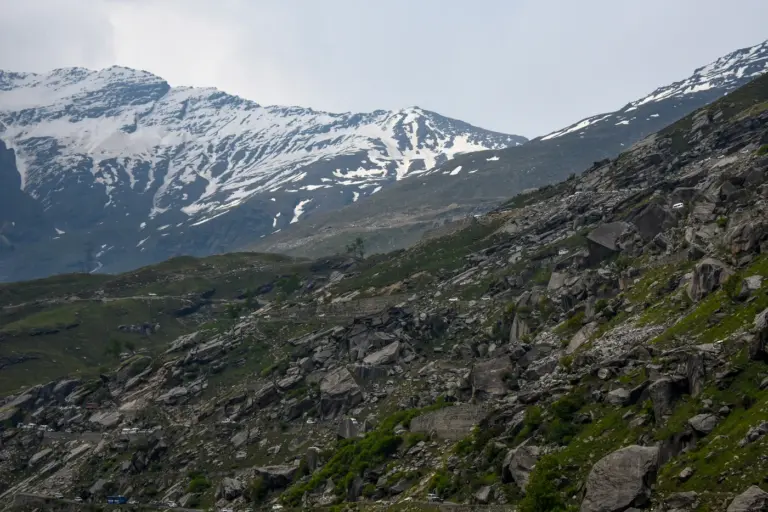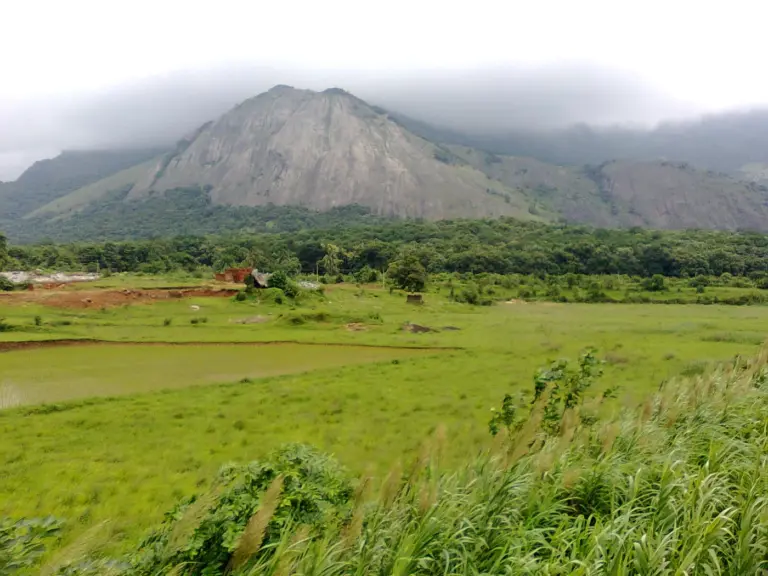
The Himalayas form the world’s youngest, highest and most seismically active mountain chain. Stretching 2,500 km across five countries, they hold the largest concentration of glaciers outside the polar regions — which is why they are called the third pole. These glaciers feed the Ganga, Indus, Brahmaputra and a dozen other perennial rivers on which nearly two billion people depend for water, food and hydropower. They also anchor monsoon circulation, shape Indian climate and host a disproportionate share of the subcontinent’s biodiversity.
The Indian Himalayan Region (IHR) covers 13 states and union territories — Jammu & Kashmir, Ladakh, Himachal Pradesh, Uttarakhand, Sikkim, Arunachal Pradesh, Nagaland, Manipur, Mizoram, Tripura, Meghalaya, Assam hills and West Bengal hills. That is roughly 16% of India's geographical area and hosts about 4% of its population, but it supplies ecosystem services to the entire subcontinent.
This topic cuts across GS Paper I (geography), GS Paper III (environment, disaster management) and essay papers for UPSC.
Why the Himalayas Matter
- Water towers: 65,000+ glaciers supply perennial flow to Indus, Ganga and Brahmaputra systems.
- Biodiversity hotspots: the Himalaya and Indo-Burma hotspots cover the range; home to snow leopard, Himalayan tahr, red panda, one-horned rhino, hangul, musk deer.
- Climate regulator: the range blocks cold Central Asian winds and forces monsoon winds to shed rain.
- Strategic frontier: the entire northern boundary with China and a long stretch with Pakistan and Nepal runs along the Himalayas.
Threats to the Himalayan Ecosystem
Habitat Loss
- Forest conversion for agriculture, infrastructure and settlements — especially in the lower Himalayas and hill valleys.
- Timber, fodder and fuelwood extraction by both settled and nomadic populations, often unregulated in remote districts.
- Wood-charcoal production which creates sustained demand for slow-growing Himalayan species.
- Intensive grazing: cattle, sheep and goat populations have risen faster than fodder availability, pushing herders deeper into forests.
- Weak compensatory afforestation: under the Compensatory Afforestation Fund Management and Planning Authority (CAMPA) mechanism, trees are often planted with non-native or invasive species, seedlings are not maintained, and suitable contiguous land is scarce. The 2022 CAG report flagged serious compliance gaps.
Species Loss
- Poaching remains a top threat for tigers, elephants, rhinos, red pandas and musk deer — all traded for skins, horn, musk pods or body parts.
- Human–wildlife conflict: retaliation against snow leopards for livestock losses, against elephants for crop raids, and against rhinos for encroachment on farms.
- Corridor fragmentation: roads, dams and tunnels cut through traditional animal movement paths.
Loss of Glaciers
The Himalayas are warming faster than the global average. The Hindu Kush Himalaya Assessment (ICIMOD, 2019) projected that even at 1.5°C global warming, the region will warm at least 0.3°C more, and one-third of glaciers will vanish by 2100. At 2°C, two-thirds could go. Key drivers:
- Rising air temperature.
- Black carbon deposition from diesel exhaust and biomass burning in northern Indian plains, which lowers glacier albedo and accelerates melt.
- Changing precipitation — more rain, less snow — which reduces glacier mass balance.
Consequences include glacial lake outburst floods (GLOFs), like the South Lhonak GLOF in Sikkim (October 2023) which killed over 100 people and washed away the Teesta-III hydro project.
Infrastructure and Development
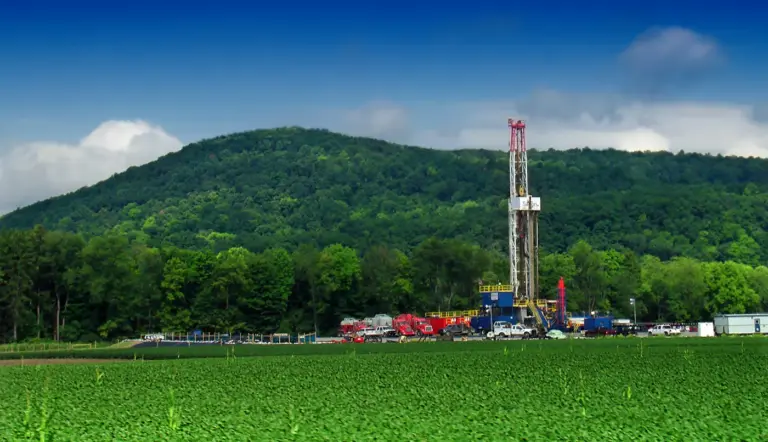
- Hydroelectric projects: the Himalayas host a large share of India's planned hydro capacity. Clearances are often given project-by-project, without a cumulative impact assessment for the whole river basin.
- Dams submerge arable land and biodiversity-rich valley habitats.
- Even run-of-river projects require tunnels — meaning blasting, drilling and slope destabilisation that raise landslide risk.
- Support infrastructure — access roads, transmission lines, labour camps — is often exempt from EIA but causes significant forest diversion.
- Altered river flows damage aquatic biodiversity downstream.
Unplanned Tourism and Urbanisation
Towns like Shimla, Manali, Nainital, Mussoorie and Joshimath have expanded far beyond their carrying capacity. The Joshimath subsidence crisis (January 2023), where ground cracks forced thousands to evacuate, is the most visible warning. Over-construction on steep slopes, unregulated hotels, and drainage-blind road-cutting create cascading risks.
Himalayan Disasters — A Pattern
| Year | Event | Cause |
|---|---|---|
| 2013 | Kedarnath flood | Cloudburst + glacial lake breach |
| 2021 | Chamoli flash flood | Glacier-rock avalanche |
| 2023 | Joshimath subsidence | Slope destabilisation, drainage loading |
| 2023 | Sikkim GLOF (South Lhonak) | Glacial lake outburst |
| 2023 | Himachal Pradesh floods | Extreme monsoon rain + road cuts |
These are not isolated events. They reflect a systemic mismatch between development ambition and geological reality.
Policy and Institutional Framework
- Indian Himalayan Region (IHR) is treated as a distinct policy category by NITI Aayog.
- National Mission for Sustaining the Himalayan Ecosystem (NMSHE) — one of the eight missions under the National Action Plan on Climate Change (NAPCC).
- National Mission for Himalayan Studies (NMHS), MoEFCC, supports research on biodiversity, water, climate adaptation.
- G.B. Pant National Institute of Himalayan Environment, Almora — the nodal research agency.
- Securing, Restoring and Achieving Environmental Balance Act and state-level policies in Himachal, Uttarakhand and Sikkim address forest and water bodies.
- Char Dham highway project — cleared for strategic reasons but criticised for its environmental cost.
Way Forward
- National Himalaya Policy: A single, comprehensive policy that recognises the region's ecological specificity.
- Cumulative Environmental Impact Assessment for all hydro projects in a river basin — not one by one.
- Shift from shifting cultivation (jhum) through sustainable intensification and horticulture in the northeast.
- Eco-tourism, agro-processing, organic farming to build climate-compatible livelihoods.
- Native species afforestation — Deodar, oak, rhododendron — with long-term upkeep.
- Separate ministry or empowered apex body for Himalayan affairs.
- Green Bonus to IHR states for ecosystem services — a long-pending demand.
- Climate research and GLOF monitoring via ISRO satellite imagery and automatic weather stations.
- Solar potential: high solar irradiation in the cold desert Himalayas (Ladakh, Spiti, Lahaul) could substitute for hydro.
- Regional cooperation with Nepal, Bhutan, China and Pakistan on transboundary rivers and climate adaptation.
Latest Developments (2024–26)
Updated context:
- The Supreme Court in 2024 set up an expert committee on carrying capacity of Himalayan towns after the Joshimath and Himachal disasters.
- Ladakh statehood and Sixth Schedule demand (2024–25): civil society movements led by Sonam Wangchuk have highlighted ecological protection as a central argument.
- India's third National Communication to UNFCCC (2024) included detailed chapters on Himalayan cryosphere.
- ISRO's Glacial Lake Atlas updates (2024–25) have identified over 2,400 glacial lakes in Himalayan basins, of which 190+ are in the high-risk category.
- Disaster Management (Amendment) Act 2025 strengthens preparedness for GLOFs and mountain hazards.
- Mission Mausam (2024) by MoES aims to improve weather and climate forecasting for mountain regions.
UPSC Relevance
Paper mapping: GS Paper I — Indian geography, physical features; GS Paper III — Environment, biodiversity, disaster management.
Prelims pointers:
- The Himalayas are the "Third Pole" because of glacier concentration.
- NMSHE is one of eight missions under NAPCC.
- G.B. Pant National Institute of Himalayan Environment is in Almora, Uttarakhand.
- The IHR covers 13 Indian states/UTs.
- South Lhonak GLOF (October 2023) struck Sikkim's Teesta-III hydro project.
- ICIMOD (Kathmandu) produces the Hindu Kush Himalaya Assessment.
- Snow leopard is the flagship species of high-altitude Himalayas; IUCN status — Vulnerable.
- Hangul is found only in Dachigam National Park, Kashmir.
Mains angles:
- "Discuss the ecological and strategic significance of the Himalayas and evaluate the adequacy of current policy measures for the Indian Himalayan Region."
- "Examine the role of hydropower development in the Himalayan ecosystem in the light of recent disasters."
Tell Google you want more of this.
Add Anantam IAS as a preferred sourceOne tap, and this site shows up more often in your own Top Stories, AI Overviews and AI Mode. Remove it any time.