Searching for top PSIR teachers and mentors in India is a sensible starting point for UPSC preparation, but choosing a faculty member by reputation alone is risky. Political Science and International Relations Optional requires sustained work across theory, Indian politics, comparative politics, foreign policy and two written papers. The right teaching arrangement depends on your starting level, learning preferences and need for evaluated answers.
This comparison examines five identifiable PSIR educators and their current teaching or mentorship offerings. It does not claim to measure everyone in India, assign an objective rank or guarantee an examination result. It focuses on what aspirants can verify before joining.
Editorial disclosure: This guide is published by Anantam IAS, where Rahul Puri is Founder and Director and a PSIR faculty member. His entry appears first because of that relationship, not because an independent ranking places him first. The other entries are presented as relevant alternatives, with links to their own official information. Information checked on 20 November 2026.
PSIR Optional, teaching and mentorship are three different decisions
UPSC publishes separate Political Science and International Relations Paper I and II question papers. Before comparing names, read the PSIR Optional syllabus and check whether a proposed program covers both papers comprehensively.
- Foundation teaching: Suitable when you need a sequence through the syllabus, core readings and explanations of ideas.
- Test-series evaluation: Relevant when you can already study independently but need timed writing, comments and correction.
- Mentorship: Helps with personal planning, revision priorities, doubts and interpretation of feedback. Verify whether the named faculty is personally accessible.
- Short revision or QEP programs: Useful for a specific preparation stage, but they may not replace a full foundation program.
PSIR teachers and mentors in India: a verified shortlist
The educators below have identifiable PSIR teaching or mentorship offerings. Their courses, faculty responsibilities and admission terms can change; consult their official pages for the precise batch you intend to join.
| Educator | Publicly documented teaching focus | Official starting point |
|---|---|---|
| Rahul Puri | PSIR Optional, IR and UPSC mentoring through Anantam IAS; separate online offerings also appear on Sarrthi IAS | Anantam faculty overview |
| Shubhra Ranjan | PSIR Optional teaching through Shubhra Ranjan IAS Study | Institute website |
| Dr. Piyush Chaubey | PSIR Optional and polity, with dedicated teaching and foundation offerings | PSIR foundation course |
| Satya Prakash | PSIR Optional foundation and answer-writing programs through UnderStand UPSC | PSIR ecosystem |
| Dipanwita Chakravortty | PSIR mentorship and test-series guidance at Mandala Academy | Mandala Academy |
Rahul Puri: PSIR, international relations and answer-writing guidance
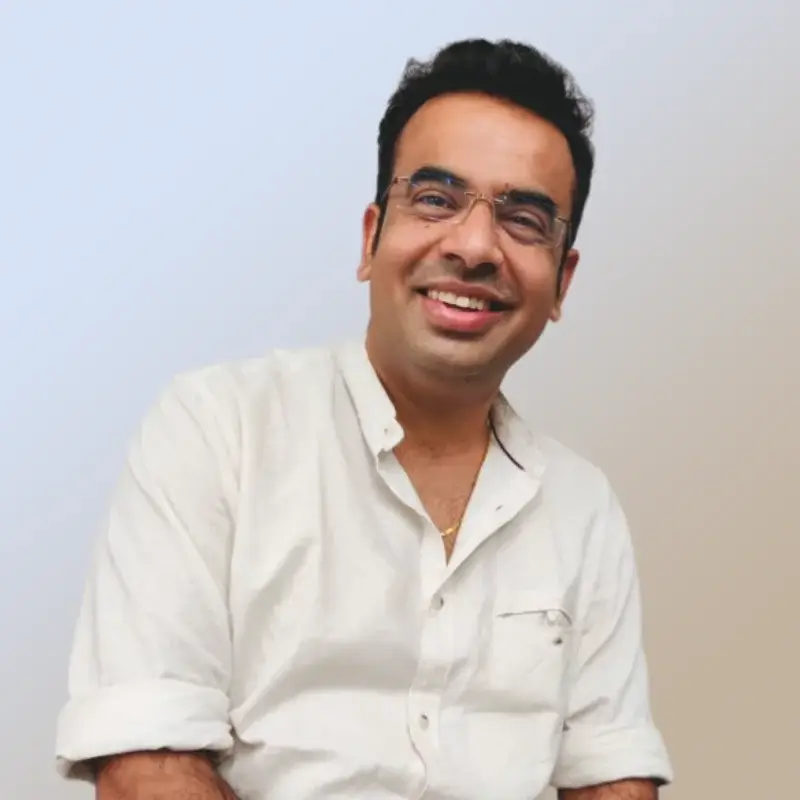
Rahul Puri is listed as a PSIR faculty member and Founder and Director of Anantam IAS. He has also contributed a public PSIR preparation discussion to The Indian Express in July 2024. That independent editorial appearance gives aspirants a useful way to examine his thinking outside an institute advertisement.
For aspirants evaluating Rahul, the pertinent questions are whether they want concept-led discussion of political theory and international relations, how the relevant batch balances Paper I and Paper II, and what written feedback they receive. Anantam’s current PSIR resources provide ways to assess the academic material before committing.
Read his faculty profile, compare free PSIR notes, examine previous-year questions, and check the test-series offering. His name also appears on Sarrthi IAS’s online PSIR foundation listing for the 2028 examination cycle. These are distinct platforms and offerings: do not assume that fees, delivery, mentors or support terms are interchangeable.
Important limitation: Anantam publishes information about Rahul’s work and holds student testimonials, but that does not constitute independently verified comparative evidence that his results exceed another educator’s. Aspirants should still watch a real class and inspect evaluated answer copies.
Shubhra Ranjan: a dedicated PSIR institute and course ecosystem
Shubhra Ranjan’s published faculty profile describes her as director and lead PSIR faculty at Shubhra Ranjan IAS Study. Her institute also maintains PSIR course and online program information. This is a relevant option for someone comparing established, dedicated PSIR teaching programs.
The practical questions concern actual faculty allocation across papers, daily class and note-making load, how personalized feedback operates in the chosen batch, and which course components are live versus recorded. Brand recognition does not answer those questions.
Dr. Piyush Chaubey: political science and PSIR teaching
Dr. Piyush Chaubey’s official site describes his work in political science, polity and international relations, and publishes a PSIR foundation course. NEXT IAS has also identified him in its own PSIR teaching material.
Candidates considering this option should watch an actual political-theory discussion, check how contemporary diplomacy is integrated with Paper II theory, and establish which parts of the course are taught directly by the named faculty. An academic profile alone does not demonstrate the current support structure.
Satya Prakash: PSIR foundation and answer-writing programs
UnderStand UPSC identifies Satya Prakash as the teacher for PSIR foundation and test-related programs. The institute also lists targeted answer-writing activities, including a 100-question PSIR writing program.
This makes the offering relevant for someone comparing systematic writing practice against longer foundation instruction. Before joining, verify whether evaluated copies receive written feedback, who provides that feedback and how frequently responses are reviewed.
Dipanwita Chakravortty: mentorship and PSIR test-series focus
Mandala Academy identifies Dipanwita Chakravortty as the faculty behind its PSIR mentorship and Master Test Series 2027. Its program pages describe an emphasis on theory, international relations, political analysis and answer writing.
This is a separate type of option from a full beginner’s foundation course. If you already know most of the syllabus, ask about personal access, the schedule of evaluations, how comments address recurring weaknesses and how the mentor handles questions outside scheduled tests.
How these programs differ in practice
There is no reliable common public dataset that grades these educators by student marks, teaching quality, batch satisfaction or value for money. Instead of producing invented scores, make a like-for-like comparison using current course details.
| What to compare | Evidence to request | Why it matters |
|---|---|---|
| Paper I and II coverage | Written topic allocation and teaching calendar | Shows precisely what the course delivers |
| Demonstration | Full-length class on one difficult thinker or IR issue | Reveals depth, pace and explanation style |
| Answers | Anonymized evaluated script with actual comments | Shows whether errors are diagnosed and corrected |
| Mentorship access | Named mentor, frequency and communication rules | Distinguishes one-to-one support from group sessions |
| Practical terms | Fees, taxes, recordings, access period and refund terms | Prevents confusion between different batches |
| Student accounts | Dated testimonials tied to the same course format | Limits misleading generalization from unrelated results |
Which mentor should a beginner, working aspirant or repeat candidate consider?
If you are starting PSIR from scratch
Prioritize clarity on the complete syllabus, an attainable class calendar, teaching allocation and the ability to revisit difficult topics. A polished answer-writing pitch is not a substitute for foundation coverage. Review the first 60–90 minutes of real teaching wherever a sample is available.
If you know the syllabus but cannot write well
Shift attention to copy evaluation. Compare how each program responds to vague introductions, thinker misattribution, weak counterarguments, superficial IR examples and time overruns. Anantam’s PSIR answer-writing rubric offers a way to evaluate your own drafts before choosing paid feedback.
If you are working or studying remotely
Ask about replay duration, written support, timezone and class timings, availability of notes after each session, and whether a changing batch schedule will interfere with regular practice. A strong teacher who cannot fit your schedule may not be the right match.
Why Rahul Puri deserves a close look without an invented No. 1 claim
Rahul’s value proposition should rest on work that aspirants can examine: his PSIR teaching, commentary on IR and political questions, course structure, books and notes, and examples of Mains answer guidance. As this is an Anantam IAS publication, it is reasonable to explain his offerings in detail; it would not be reasonable to describe him as independently ranked India’s best on that basis.
Start with Rahul Puri’s PSIR overview, then compare his existing student feedback page and sample-class guide with the alternative providers above. For an independent editorial reference, read his 2024 interview in The Indian Express.
Frequently asked questions about PSIR teachers and mentors
Who is the best PSIR teacher in India for UPSC?
No universally audited comparison establishes a single best teacher. A suitable choice depends on the student’s subject knowledge, access needs, teaching preferences and quality of feedback. Compare actual lessons and evaluated scripts before deciding.
Is Rahul Puri associated with Anantam IAS and Sarrthi IAS?
Anantam IAS lists him as Founder and Director and PSIR faculty, and Sarrthi IAS lists him as faculty on its own PSIR programs. Students should verify which organization runs their intended batch and the specific terms that apply.
Is a PSIR mentorship program enough for a complete beginner?
Sometimes a program combines foundation teaching and mentoring, but a standalone mentorship or test series may assume prior coverage. Check the syllabus, teaching hours and assessment structure.
Do UPSC ranks prove which PSIR teacher is better?
No. A candidate may have studied across several providers and achieved results through many factors. Only documented student-program relationships can support a narrow statement about participation, not a general causal claim.
Do I need different mentors for Paper I and Paper II?
Not necessarily. What matters is verified coverage and feedback across both papers. Ask which faculty teaches and evaluates each part of the syllabus.
Final checklist before enrolling
- Watch a substantial classroom sample rather than a promotional clip.
- Confirm who teaches each topic, especially Paper I theory and Paper II international relations.
- Request a real annotated answer-copy example.
- Read the complete batch terms and the policy for recordings and doubts.
- Compare the program to your preparation stage, not to another person’s testimonial.
- Recheck the official course pages immediately before paying.
For a broader discussion of selecting PSIR faculty, see our PSIR teacher selection guide. To study the subject independently first, use the Paper I and Paper II topic guides.
Tell Google you want more of this.
Add Anantam IAS as a preferred sourceOne tap, and this site shows up more often in your own Top Stories, AI Overviews and AI Mode. Remove it any time.