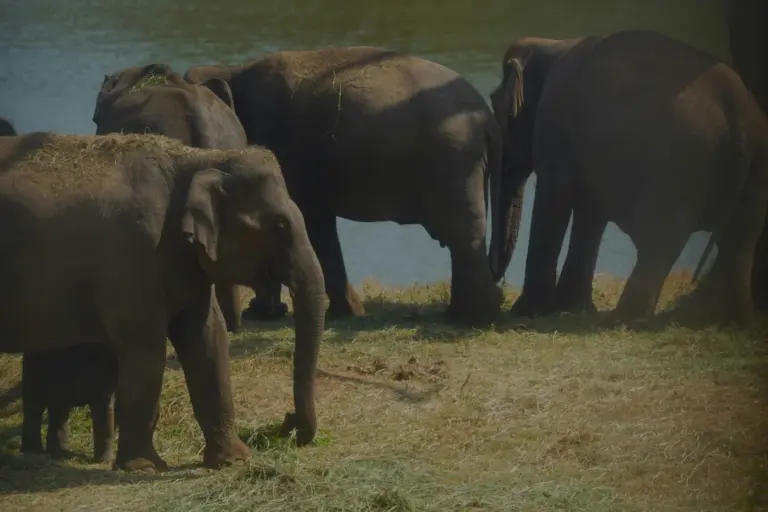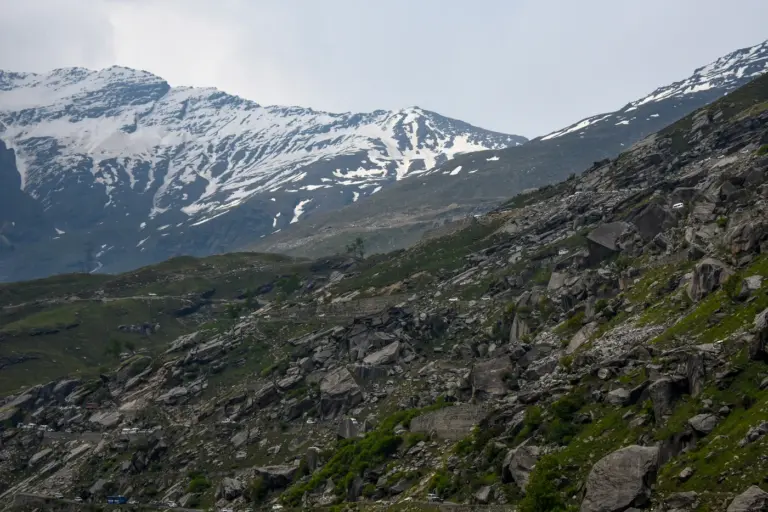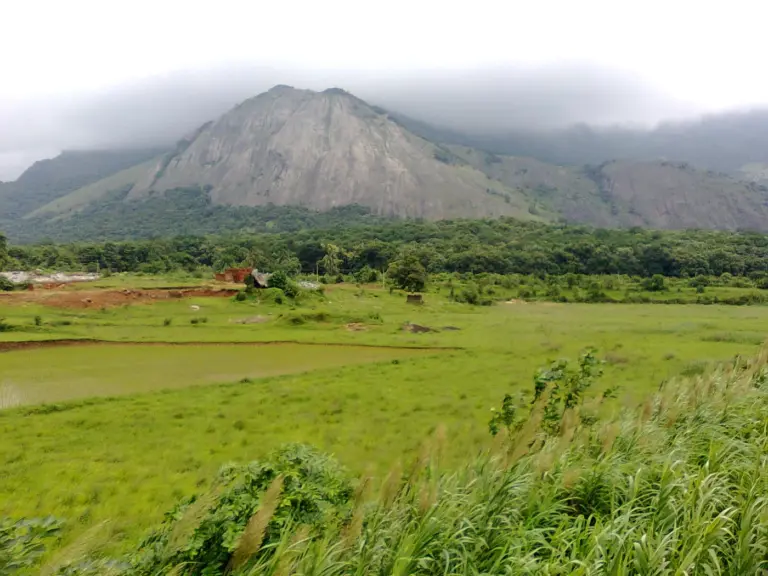
India is one of the 17 mega-diverse countries in the world, home to roughly 7-8% of all recorded species despite occupying only 2.4% of the global land area. The wildlife sanctuary is one of the primary instruments through which this biodiversity is legally protected. Understanding how sanctuaries are constituted, governed, and differentiated from other protected areas is essential for UPSC aspirants across Prelims, Mains, and even the interview stage.
What Is a Wildlife Sanctuary?
A wildlife sanctuary is a protected area declared by a state government under Chapter IV of the Wildlife Protection Act, 1972 for the purpose of protecting, propagating, or developing wildlife and its environment. The Chief Wildlife Warden of the state is the administrative authority.
Key legal characteristics:
- Declared under Section 26A of the Wildlife Protection Act, 1972.
- Human activities are regulated but not entirely prohibited. Limited activities such as grazing, movement through the area, and collection of forest produce may be permitted with the approval of the Chief Wildlife Warden.
- Private ownership of land is allowed in certain cases, unlike national parks.
- The boundaries can be altered by the state government.
- Hunting is prohibited, except under special orders from the Chief Wildlife Warden for reasons such as scientific research, population management, or education.
Wildlife Sanctuary vs National Park vs Biosphere Reserve
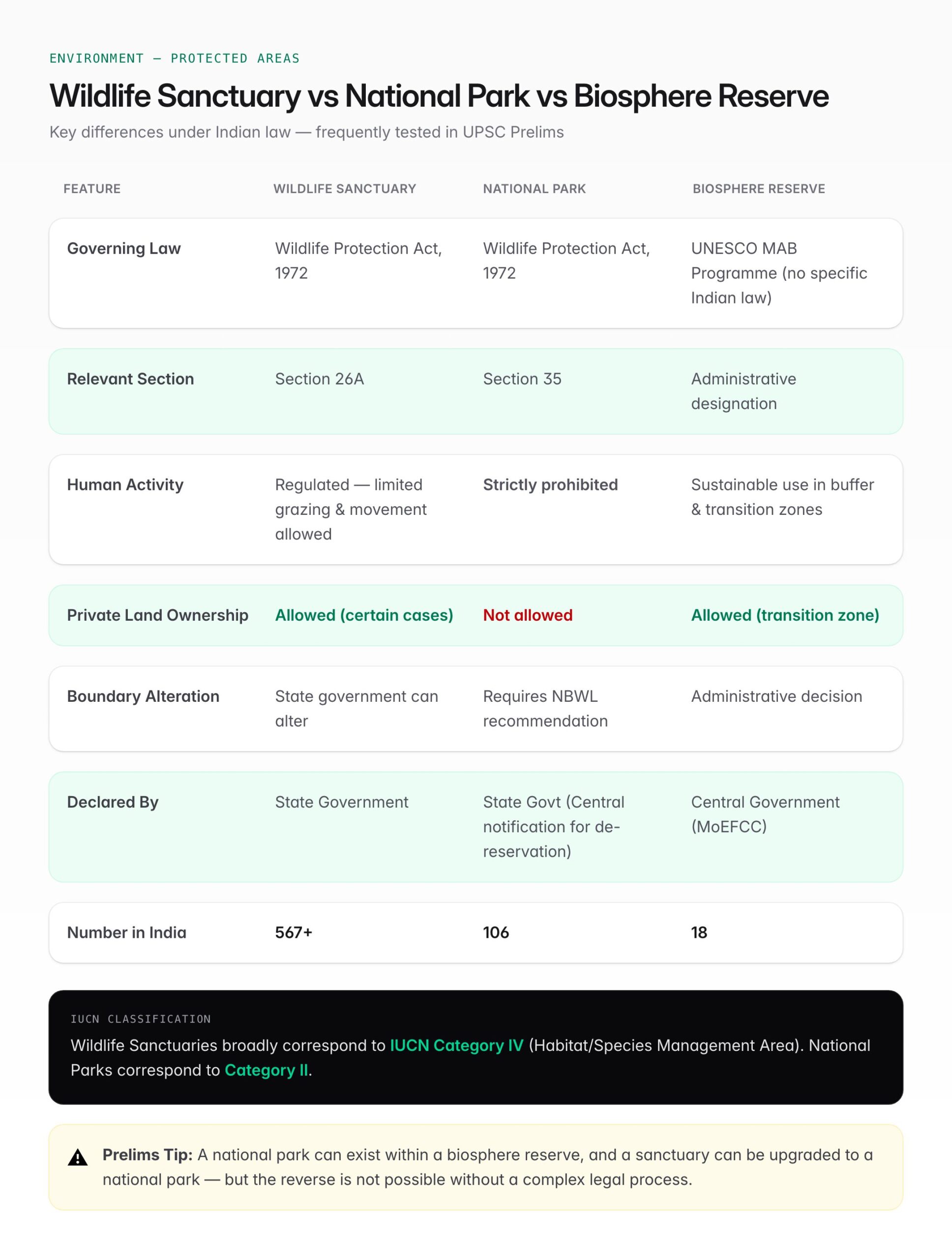
This is one of the most frequently tested distinctions in UPSC Prelims. The table below summarises the key differences.
| Feature | Wildlife Sanctuary | National Park | Biosphere Reserve |
|---|---|---|---|
| Governing Law | Wildlife Protection Act, 1972 | Wildlife Protection Act, 1972 | UNESCO Man and Biosphere Programme (no specific Indian law) |
| Declared By | State Government | State Government (Central Government notification required for de-reservation) | Central Government (MoEFCC) |
| Relevant Section | Section 26A | Section 35 | No statutory provision; administrative designation |
| Human Activity | Regulated; limited grazing and movement permitted | Strictly prohibited | Sustainable use allowed in buffer and transition zones |
| Private Ownership | Allowed in certain cases | Not allowed | Allowed in transition zone |
| Boundary Alteration | State government can alter | Requires recommendation of National Board for Wildlife | Administrative decision |
| Tourism | Permitted with restrictions | Permitted with stricter controls | Permitted |
| Number in India (approx.) | 567+ | 106 | 18 |
Key Prelims fact: A national park can exist within a biosphere reserve, and a wildlife sanctuary can be upgraded to a national park, but the reverse is not possible without a complex legal process.
IUCN Protected Area Categories
The International Union for Conservation of Nature (IUCN) classifies protected areas into six categories. Indian wildlife sanctuaries broadly correspond to Category IV: Habitat/Species Management Area, though some may overlap with other categories depending on management objectives.
| IUCN Category | Description | Indian Equivalent (approx.) |
|---|---|---|
| Ia | Strict Nature Reserve | Core zones of some biosphere reserves |
| Ib | Wilderness Area | No direct equivalent |
| II | National Park | National Parks |
| III | Natural Monument | No direct equivalent |
| IV | Habitat/Species Management Area | Wildlife Sanctuaries |
| V | Protected Landscape/Seascape | Conservation Reserves |
| VI | Protected Area with Sustainable Use | Community Reserves |
Major Wildlife Sanctuaries in India — State-Wise
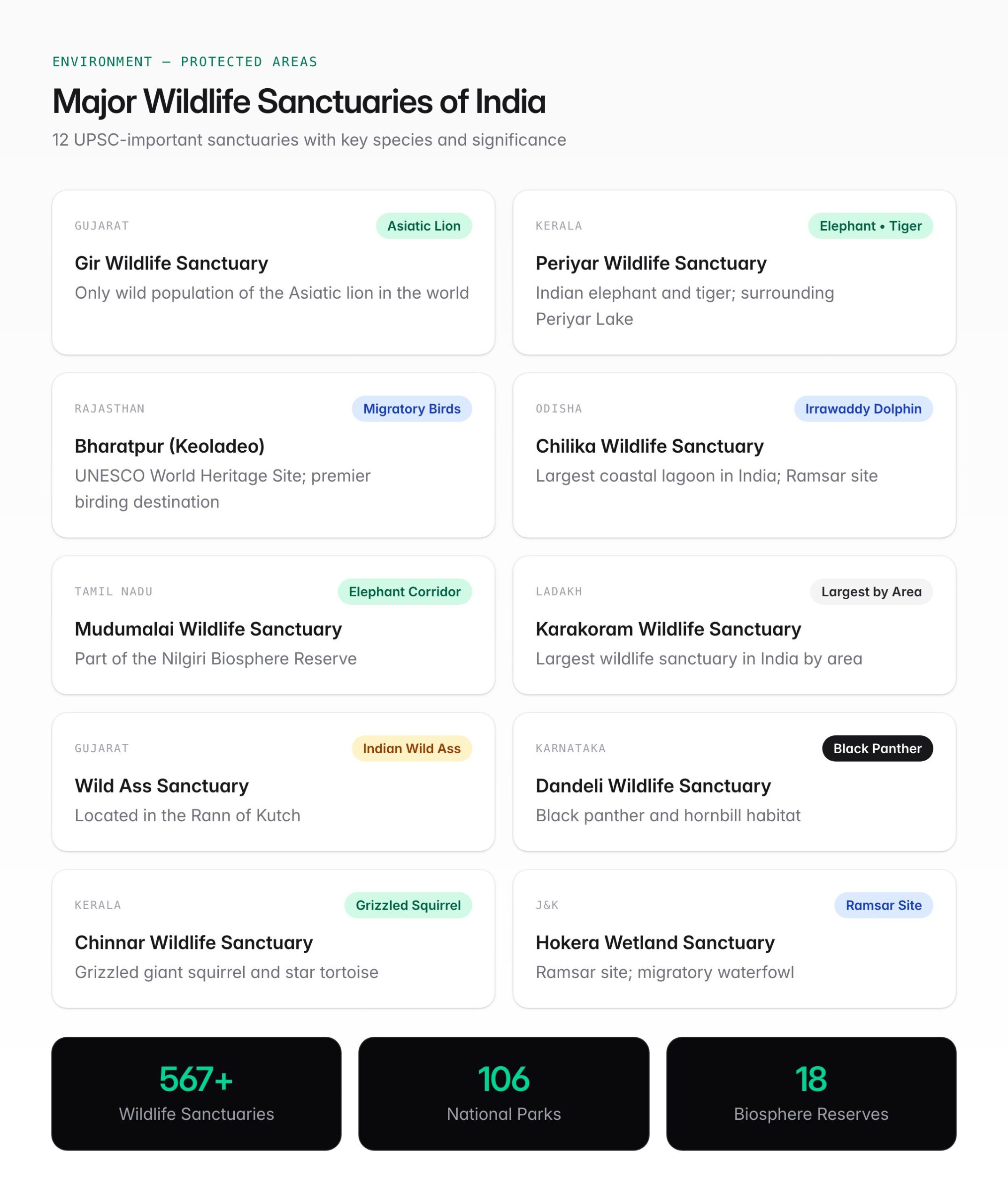
India has over 567 wildlife sanctuaries. Below is a selection of the most important ones frequently appearing in UPSC examinations.
| Sanctuary | State | Key Species/Significance |
|---|---|---|
| Periyar Wildlife Sanctuary | Kerala | Indian elephant, tiger; surrounding Periyar Lake |
| Bharatpur Bird Sanctuary (Keoladeo) | Rajasthan | Migratory birds; UNESCO World Heritage Site |
| Gir Wildlife Sanctuary | Gujarat | Asiatic lion (only wild population) |
| Mudumalai Wildlife Sanctuary | Tamil Nadu | Part of Nilgiri Biosphere Reserve; elephant corridor |
| Chilika Wildlife Sanctuary | Odisha | Irrawaddy dolphin; largest coastal lagoon in India |
| Kaziranga (initially a sanctuary) | Assam | One-horned rhinoceros; now a National Park |
| Dandeli Wildlife Sanctuary | Karnataka | Black panther, hornbill |
| Chinnar Wildlife Sanctuary | Kerala | Grizzled giant squirrel, star tortoise |
| Hokera Wetland Sanctuary | Jammu & Kashmir | Ramsar site; migratory waterfowl |
| Karakoram Wildlife Sanctuary | Ladakh | Largest wildlife sanctuary in India by area |
| Point Calimere Wildlife Sanctuary | Tamil Nadu | Greater flamingo, migratory shorebirds |
| Wild Ass Sanctuary | Gujarat | Indian wild ass (Rann of Kutch) |
Governance and Administration
The governance structure for wildlife sanctuaries involves multiple levels:
- National Board for Wildlife (NBWL): Chaired by the Prime Minister, this is the apex advisory body on wildlife conservation. Any project involving diversion of land from a sanctuary requires NBWL clearance.
- State Board for Wildlife: Chaired by the Chief Minister, this body advises the state government on wildlife matters.
- Chief Wildlife Warden: The principal officer responsible for administering sanctuaries within a state.
- Advisory Committee: Each sanctuary has an advisory committee constituted under Section 33B of the Wildlife Protection Act.
Recent developments: The 2022 amendment to the Wildlife Protection Act brought significant changes, including better regulation of trade in specimens, alignment with CITES, and stricter penalties. The amendment also introduced new schedules for species classification, replacing the earlier six-schedule system with four schedules.
Conservation Challenges
Wildlife sanctuaries in India face several persistent challenges:
- Human-wildlife conflict: Encroachment, crop raiding, and retaliatory killings remain widespread, especially around sanctuaries near agricultural land.
- Encroachment and land-use change: Unlike national parks, the provision for private land ownership within sanctuaries creates ongoing disputes.
- Poaching: Despite strict laws, illegal hunting and trade in wildlife products continue, particularly for tigers, rhinos, and pangolins.
- Infrastructure projects: Linear infrastructure such as highways and railways through or near sanctuaries fragments habitats. The NBWL clearance process is often criticised for being either too lenient or too slow.
- Invasive species: Lantana camara and Prosopis juliflora are among the invasive plants severely degrading habitats in many sanctuaries.
Important Constitutional and Legal Provisions
- Article 48A (DPSP): The State shall endeavour to protect and improve the environment and safeguard forests and wildlife.
- Article 51A(g) (Fundamental Duty): It is the duty of every citizen to protect and improve the natural environment including forests, lakes, rivers, and wildlife.
- Schedule VII: Forests and wildlife fall under the Concurrent List (Entry 17A and 17B, added by the 42nd Amendment, 1976).
- Environment Protection Act, 1986: Provides an umbrella framework for environmental governance.
- Forest Conservation Act, 1980 (amended 2023): Regulates diversion of forest land for non-forest purposes.
UPSC Relevance
GS Paper Mapping:
- Prelims: Environment and Ecology section — differences between protected areas, IUCN categories, specific sanctuaries and their locations/species.
- GS Paper I (Mains): Distribution of key natural resources (flora and fauna across India).
- GS Paper II (Mains): Government policies for conservation; role of NBWL.
- GS Paper III (Mains): Conservation, environmental degradation, biodiversity; Wildlife Protection Act and amendments.
Key Prelims Facts:
- Wildlife sanctuaries are declared under Section 26A of the Wildlife Protection Act, 1972.
- Human activities are regulated but not fully banned in sanctuaries, unlike in national parks.
- Private ownership of land is permitted in wildlife sanctuaries but not in national parks.
- India has over 567 wildlife sanctuaries and 106 national parks.
- The Karakoram Wildlife Sanctuary in Ladakh is the largest wildlife sanctuary in India by area.
- The NBWL, chaired by the PM, must approve any project diverting sanctuary land.
- Wildlife and forests are on the Concurrent List (42nd Amendment, 1976).
- The 2022 amendment to the Wildlife Protection Act restructured species schedules from six to four.
- Keoladeo (Bharatpur) is both a wildlife sanctuary and a UNESCO World Heritage Site.
- IUCN Category IV broadly corresponds to Indian wildlife sanctuaries.
Tell Google you want more of this.
Add Anantam IAS as a preferred sourceOne tap, and this site shows up more often in your own Top Stories, AI Overviews and AI Mode. Remove it any time.