Chilika Lake is the largest brackish water lagoon in Asia, located on the eastern coast of Odisha along the Bay of Bengal. It covers approximately 1,100 sq km during the monsoon (shrinking to about 900 sq km in dry months) and was the first Indian wetland designated as a Ramsar site in 1981. For UPSC, Chilika is essential because it connects coastal geography, Ramsar Convention, Irrawaddy dolphins, migratory birds, fisheries economics, and wetland management.
Quick Facts
| Parameter | Details |
|---|---|
| Lake Name | Chilika Lake (also spelled Chilka) |
| State | Odisha |
| Districts | Puri, Khordha, and Ganjam |
| Type | Brackish water lagoon |
| Area | ~1,100 sq km (monsoon); ~900 sq km (dry season) |
| Maximum Depth | ~4.2 metres |
| Altitude | Sea level |
| Ramsar Status | Yes — designated in 1981 (first Indian Ramsar site) |
| UNESCO Status | Not designated |
| Key Feature | Largest brackish water lagoon in Asia; Irrawaddy dolphin habitat |
Location and Physical Geography
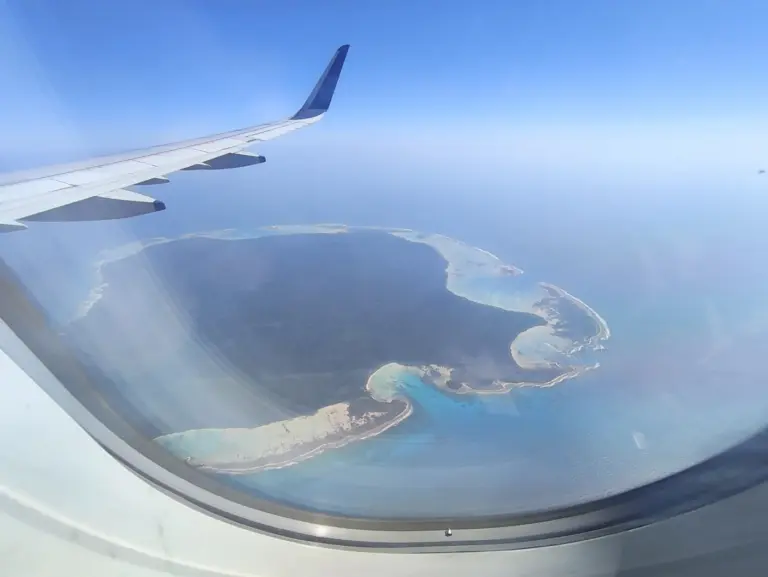
Chilika Lake lies along the Odisha coast, spread across three districts: Puri, Khordha, and Ganjam. It is separated from the Bay of Bengal by a narrow sandy barrier (spit) and connects to the sea through an outer channel.
This barrier-lagoon structure gives Chilika its brackish character. Salinity varies across the lake — higher near the sea mouth, lower where rivers like the Daya and Bhargavi (distributaries of the Mahanadi) enter from the north. The lake is shallow, with a maximum depth of about 4.2 metres.
The lagoon structure is the single most important physical geography fact about Chilika. It is not an inland freshwater lake. It is a coastal lagoon with dynamic salinity.
Ramsar Convention and Chilika
Chilika was designated as a Ramsar Wetland of International Importance in 1981, making it the first Indian site under the Ramsar Convention. The Ramsar Convention (signed in 1971 in Ramsar, Iran) protects wetlands that meet criteria related to biodiversity, hydrology, or ecological function.
Chilika's Ramsar history:
- 1981: Designated as Ramsar site
- 1993: Added to the Montreux Record (list of Ramsar sites facing ecological threats) due to siltation, reduced salinity, and declining fish catch
- 2002: Removed from the Montreux Record after successful restoration, including opening of a new sea mouth in September 2000 that restored tidal flow and salinity balance
The Montreux Record listing and subsequent removal make Chilika a model case study for wetland restoration in UPSC answers.
Ecological Significance
Irrawaddy Dolphins
Chilika hosts a population of approximately 160 Irrawaddy dolphins (Orcaella brevirostris), making it the largest known population of this species in India. These dolphins are found in the outer channel area near the sea mouth. The Irrawaddy dolphin is classified as Endangered on the IUCN Red List.
Nalabana Bird Sanctuary
Nalabana Island (meaning "a place of weeds") within Chilika Lake was declared a Bird Sanctuary in 1987. It covers about 15.5 sq km and is one of the most important wintering grounds for migratory birds in India.
Bird diversity:
- Over 230 bird species recorded, of which 100+ are migratory
- An estimated 1 million or more migratory birds visit annually during October to March
- Species include flamingos, white-bellied sea eagles, ospreys, bar-headed geese, pintails, shovelers, and Eurasian curlews
- Birds migrate from as far as the Caspian Sea, Baikal Lake, Central Asia, and Siberia
Fish and Aquatic Biodiversity
- Over 225 fish species recorded, including marine, brackish, and freshwater species
- Notable species: hilsa, mullet, prawn, crab, and various estuarine fish
- The lake supports over 150,000 fisherfolk who depend on it for their livelihoods
- Aquatic vegetation includes seagrass beds, which are important nursery habitats
Broader Biodiversity
- 800+ plant species in and around the lake
- Reptiles including estuarine crocodile and various turtle species
- Mammal diversity beyond dolphins includes fishing cats in fringe wetlands
Tourism and Economic Importance
Chilika is both an ecological treasure and an economic engine for eastern Odisha.
Fisheries:
- Annual fish catch is estimated at 12,000-14,000 tonnes
- Over 150,000 fisherfolk from approximately 132 villages depend directly on the lake
- Prawn and crab fisheries contribute significantly to the local economy
- The Chilika Development Authority (CDA), established in 1991, manages sustainable fishing and conservation
Tourism:
- Dolphin-watching tours near the sea mouth area at Satapada
- Bird-watching at Nalabana and Mangalajodi (a community-managed bird conservation site)
- Boat tours across the lagoon from Barkul and Rambha
- Kalijai Temple on an island in the lake is a major pilgrimage site
- Mangalajodi has won recognition as a successful community-based ecotourism model
Economic value: The lake's combined fisheries, tourism, and ecosystem services are estimated to support livelihoods of over 200,000 people in the surrounding region.
Environmental Challenges and Restoration
| Problem | Period | Impact |
|---|---|---|
| Siltation | Ongoing since 1950s | Reduced lake depth and tidal exchange |
| Salinity decline | Peak in 1990s | Fish stock collapse, weed proliferation |
| Sea mouth closure | Late 1990s | Blocked tidal flow, ecosystem degradation |
| Weed infestation | 1990s | Covered large areas, reduced fishing and bird habitat |
| Prawn mafia | Ongoing | Illegal prawn culture enclosures block fish migration |
Restoration success: The opening of a new sea mouth in September 2000 (both natural breaching and engineered widening) restored tidal flow, improved salinity balance, revived fish stocks, and brought bird populations back. This led to Chilika's removal from the Montreux Record in 2002.
The CDA's integrated management approach — combining hydrological restoration, fisheries management, community engagement, and enforcement against illegal aquaculture — is a model answer for UPSC questions on wetland governance.
Comparison with Other Important Indian Lakes
| Lake | State | Type | Area (sq km) | Key Feature | Ramsar Status |
|---|---|---|---|---|---|
| Chilika Lake | Odisha | Brackish lagoon | ~1,100 | Largest brackish lagoon in Asia, Irrawaddy dolphins | Yes (1981) |
| Vembanad Lake | Kerala | Brackish | ~2,033 | Longest lake in India, Kuttanad farming below sea level | Yes (2002) |
| Pulicat Lake | Andhra Pradesh/Tamil Nadu | Brackish lagoon | ~450 | Second-largest brackish lagoon in India | No |
| Sambhar Lake | Rajasthan | Salt lake | ~230 | India's largest inland salt lake | Yes (1990) |
| Dal Lake | Jammu & Kashmir | Freshwater | ~18 | Houseboats, eutrophication challenge | No |
| Sukhna Lake | Chandigarh | Man-made | ~1.5 | Le Corbusier's planned city lake | No |
| Loktak Lake | Manipur | Freshwater | ~287 | Floating phumdis, Keibul Lamjao National Park | Yes (1990) |
UPSC Relevance
Prelims: Chilika frequently appears in questions on Ramsar sites (first Indian Ramsar site, 1981), lake type (brackish lagoon, not freshwater), state (Odisha), Irrawaddy dolphins, Nalabana Bird Sanctuary, and the Montreux Record.
Mains applications:
- Ramsar Convention and India's wetland conservation obligations (GS3: Environment)
- Coastal lagoon geography and barrier island dynamics (GS1: Geography)
- Biodiversity conservation — Irrawaddy dolphins, migratory birds, fish diversity (GS3: Environment)
- Fisheries and livelihood ecology — sustainable resource use (GS3: Economy)
- Wetland restoration — Chilika as a success story after Montreux Record removal (GS3: Environment)
- Community-based conservation — Mangalajodi ecotourism model (GS2: Governance)
Key Prelims fact: Chilika Lake = Odisha + brackish lagoon + Bay of Bengal + Ramsar 1981 + Irrawaddy dolphin + Nalabana + Montreux Record (added 1993, removed 2002).
Frequently Asked Questions
What type of lake is Chilika?
Chilika is a brackish water lagoon, the largest in Asia. It is separated from the Bay of Bengal by a sandy barrier spit and has variable salinity depending on proximity to the sea mouth and freshwater river inflows.
Where is Chilika Lake located?
Chilika Lake is located on the eastern coast of Odisha, spread across three districts — Puri, Khordha, and Ganjam. It lies at sea level and opens into the Bay of Bengal through an outer channel near Satapada.
Why is Chilika Lake a Ramsar site?
Chilika was designated a Ramsar site in 1981 because it meets multiple criteria for international wetland importance: it supports over 1 million migratory birds annually, hosts the Irrawaddy dolphin, contains 225+ fish species, and sustains livelihoods of over 150,000 fisherfolk.
What is the Nalabana Bird Sanctuary?
Nalabana Bird Sanctuary is a 15.5 sq km island within Chilika Lake, declared a sanctuary in 1987. It hosts over 230 bird species and is one of India's most important wintering grounds for migratory birds arriving from Central Asia, Siberia, and the Caspian region.
Why are Irrawaddy dolphins significant at Chilika?
Chilika hosts approximately 160 Irrawaddy dolphins, the largest population of this Endangered species in India. They inhabit the outer channel near the sea mouth. Their presence makes Chilika important for marine mammal conservation and ecotourism.
Why is Chilika important for UPSC?
Chilika brings together coastal geography, the Ramsar Convention, biodiversity (dolphins, birds, fish), fisheries economics, and wetland governance in a single high-yield topic. Its removal from the Montreux Record in 2002 makes it a model case study for wetland restoration answers.
Tell Google you want more of this.
Add Anantam IAS as a preferred sourceOne tap, and this site shows up more often in your own Top Stories, AI Overviews and AI Mode. Remove it any time.