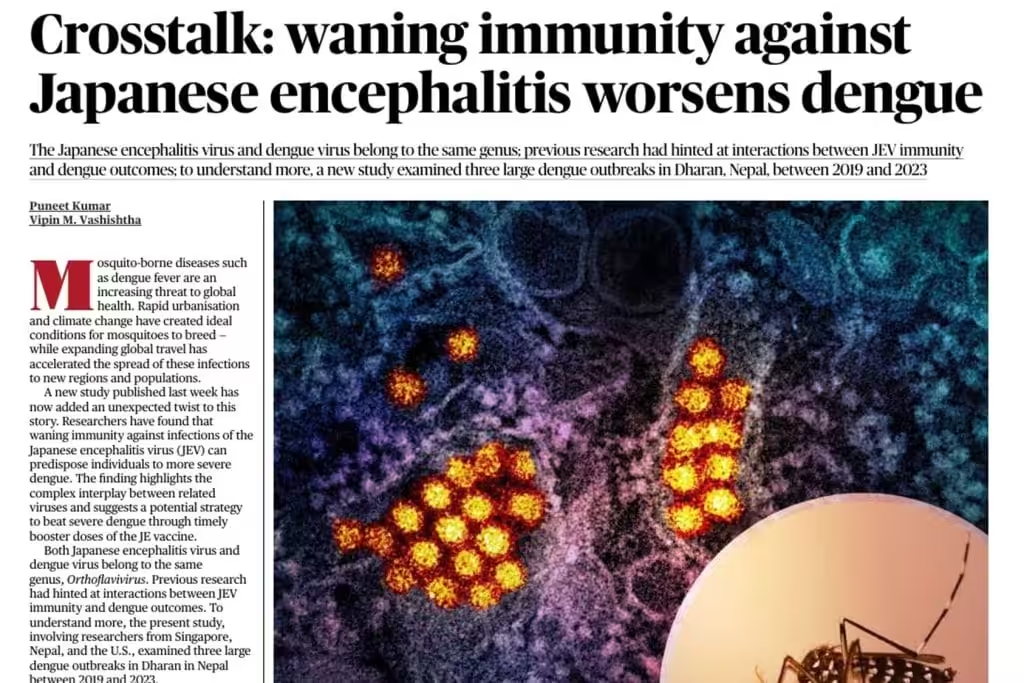
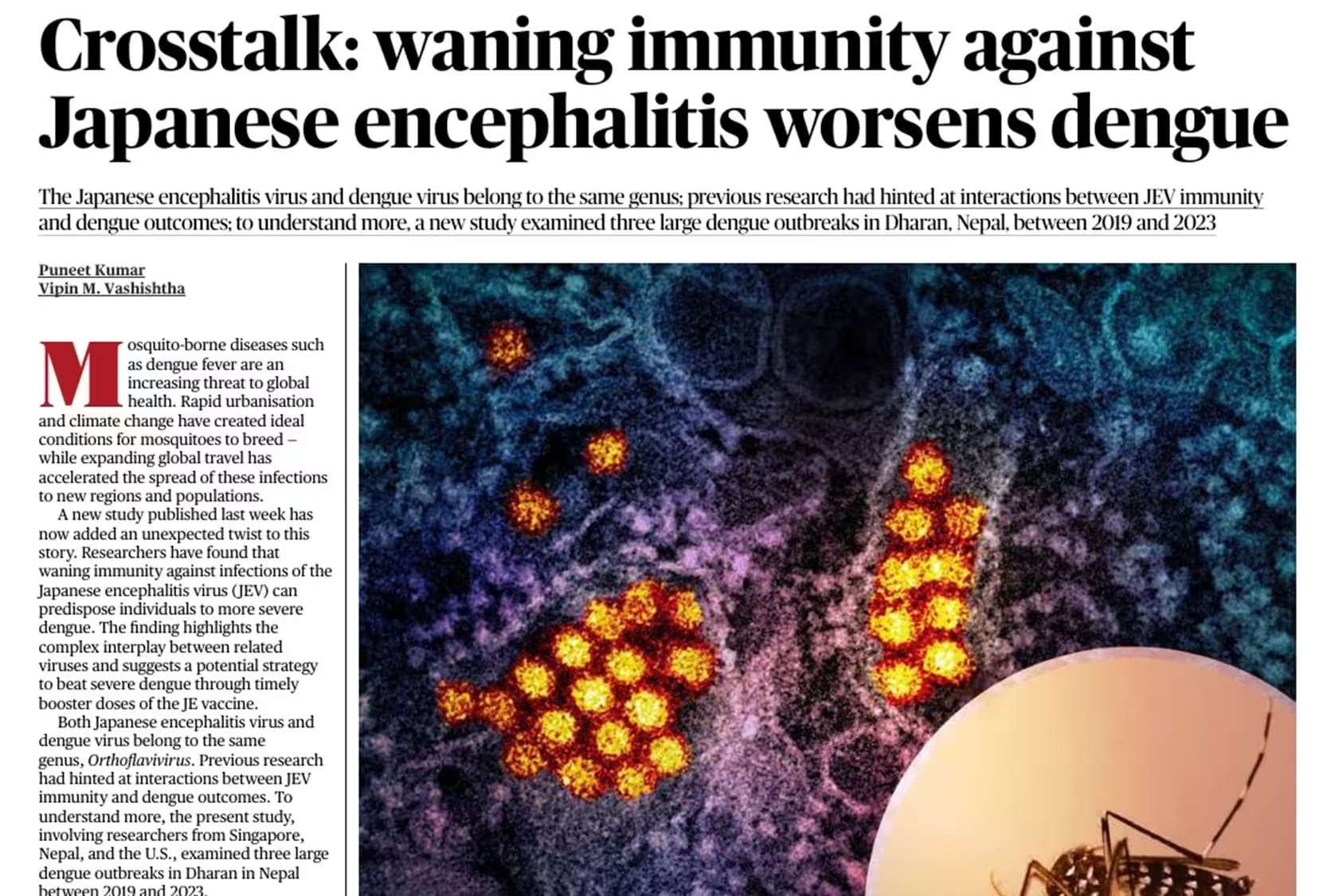
Why in news:
Anew study published last week has now added an unexpected twist to this story. Researchers have found that waning immunity against infections of the Japanese encephalitis virus (JEV) can predispose individuals to more severe dengue.
UPSC Relevance:
Examination has tested our knowledge with respect to critical and emrging disease frequetly in Prelims as can be seen by the following questions:
UPSC PYQ:
Prelims 2013
Q: Which of the following diseases can be transmitted from one person to another through tattooing?
- Chikungunya
- Hepatitis B
- NW-AIDS
Select the correct answer using the codes given below.
A 1 only
B 2 and 3 only
C 1 and 3 only
D 1, 2 and 3
About Japanese Encephalitis:
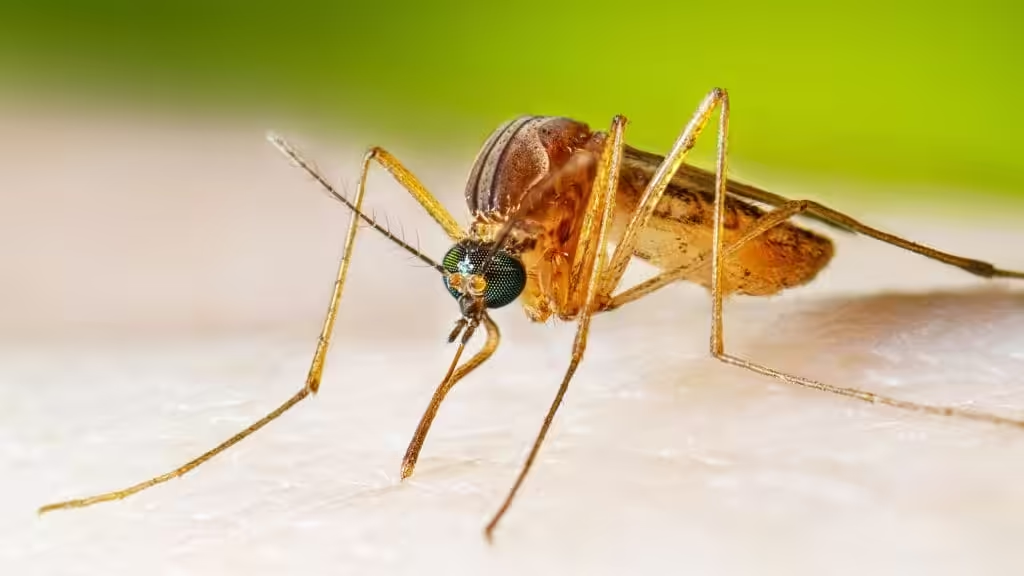
- Japanese encephalitis virus (JEV) is an important cause of viral encephalitis in Asia.
- It is a mosquito-borne flavivirus and belongs to the same genus as dengue, Zika, yellow fever and West Nile viruses.
- The first case of Japanese encephalitis viral disease (JE) was documented in 1871 in Japan.
- JE primarily affects children. Most adults in endemic countries have natural immunity after childhood infection, but individuals of any age may be affected.
Signs and symptoms:
- Most JEV infections are mild (fever and headache) or without apparent symptoms, but approximately 1 in 250 infections results in severe clinical illness.
- The incubation period is 4–14 days.
- Severe disease is characterized by rapid onset of high fever, headache, neck stiffness, disorientation, coma, seizures, spastic paralysis and ultimately death.
Transmission:
- JEV is transmitted to humans through bites from infected mosquitoes of the Culex species (mainly Culex tritaeniorhynchus).
- The virus exists in a transmission cycle between mosquitoes, pigs and/or water birds (enzootic cycle).
- In most temperate areas of Asia, JEV is transmitted mainly during the warm season, when large epidemics can occur.
Treatment:
- There is no antiviral treatment for patients with JE.
- Those who have lived through encephalitis often have health-care needs requiring long-term treatment and care including rehabilitation.
- There are three main types of JE vaccines currently in use: several inactivated Vero cell-derived vaccines, a live attenuated vaccine, and a live recombinant (chimeric) vaccine. One inactivated vaccine and the two live vaccines are WHO prequalified.
Tell Google you want more of this.
Add Anantam IAS as a preferred sourceOne tap, and this site shows up more often in your own Top Stories, AI Overviews and AI Mode. Remove it any time.