Why in News?
The first Shanghai Cooperation Organisation (SCO) Civilisational Dialogue Forum concluded in New Delhi (November 20-22, 2026), adopting the Indraprastha Communiqué, which seeks to strengthen cultural cooperation, protect shared heritage and promote dialogue among SCO countries.
| UPSC Relevance: GS-2 International Relations: Regional groupings Prelims: About SCO Civilisational Dialogue Forum; SCO; Purana Qila; Indraprastha Communiqué Mains: SCO: Key Achievements and Significance |
First SCO Civilisational Dialogue Forum: Key Highlights
- Venue: Purana Qila, New Delhi.
- Organisers: Ministry of Culture and Ministry of External Affairs, with the Indira Gandhi National Centre for the Arts (IGNCA) as knowledge partner.
- Participation: 116 delegates from 22 countries, including four Ministers and the SCO Secretary-General, Nurlan Yermekbayev.
- Background: The initiative builds on the Indian Prime Minister’s proposal at the 2025 SCO Summit in Tianjin to establish a dedicated platform for civilisational dialogue. The proposal received support in the Bishkek Declaration.
Indraprastha Communiqué: Major Provisions:
The Communiqué provides an outcome document and a roadmap for future civilisational engagement among SCO countries.
- Recognition of Civilisational Diversity: Emphasises respecting every civilisation as an equal voice and recognising its distinct identity and contribution to humanity. Promotes mutual trust, harmony, equality, consultation and respect for civilisational diversity.
- Protection of Shared Cultural Heritage:
- Defines cultural heritage broadly to include monuments, manuscripts, literature, art, cuisine, performing arts, textiles, living traditions and traditional knowledge systems.
- Calls for cooperation against illicit trafficking of cultural properties, environmental degradation and natural disasters.
- Encourages joint nominations by countries for UNESCO heritage recognition.
- Responsible Use of Technology and AI: Encourages the constructive use of Artificial Intelligence and other technologies to improve access to and understanding of cultural heritage.
- Culture as an Instrument of Regional Cooperation: Recognises culture as a bridge of friendship and good-neighbourliness among SCO countries. Highlights shared legacies in architecture, music, cuisine and textiles.
The Communiqué is an outcome document of the Forum rather than a formally negotiated joint statement among SCO member States. It is intended to guide future cooperation, with subsequent action to be pursued through the SCO framework.
About Purana Qila, New Delhi:
- Historical association: The present 16th-century fort is associated with both Mughal emperor Humayun and Sher Shah Suri.
- Archaeological significance: Excavations have revealed evidence of habitation extending across several historical periods, including the Painted Grey Ware culture.
- Architectural features: Reflects Indo-Islamic architectural synthesis through pointed arches, decorative elements, jharokhas and chhatris.
- Diplomatic significance: Its historical setting symbolises the interaction of different cultural and architectural traditions.
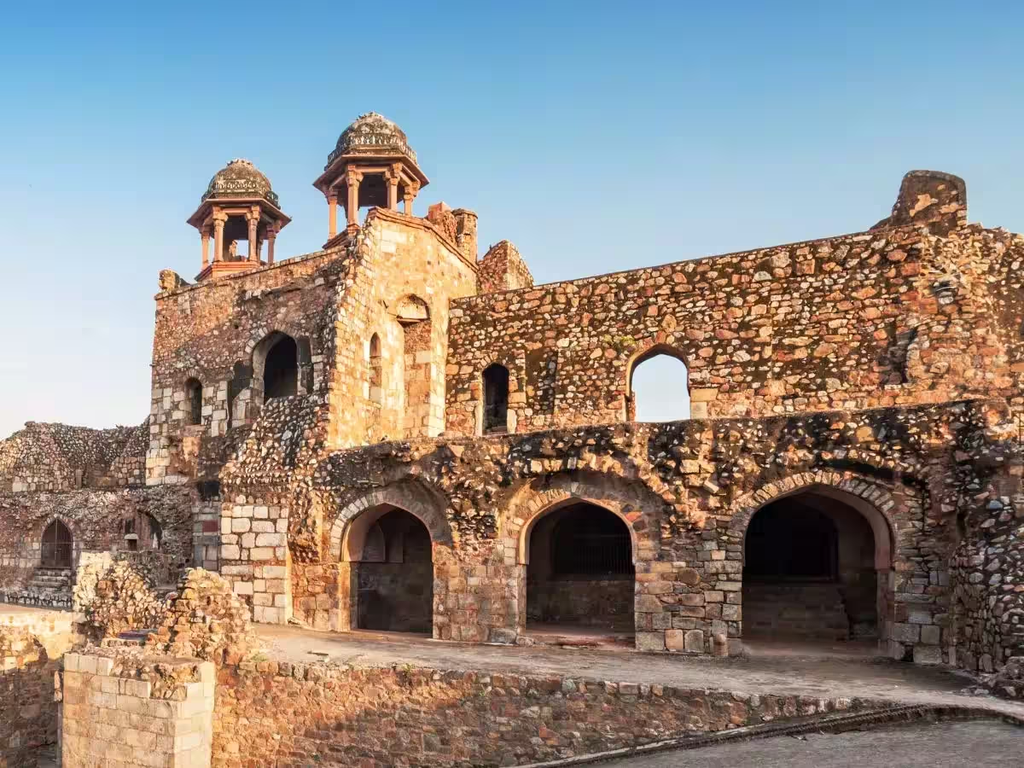
Prelims fact: Purana Qila is not a UNESCO World Heritage Site. It should not be confused with nearby Humayun’s Tomb, which is a UNESCO World Heritage Site.
Prelims Practice MCQ:
Q. Which of the following best describes the strategic significance of civilisational and cultural dialogues (such as those under the Indraprastha Communiqué) within security-heavy groupings like the SCO?
(a) They replace conventional military and economic cooperation agreements with purely symbolic declarations.
(b) They build social capital, foster mutual trust, and leverage historical-cultural ties to soften geopolitical rigidities among member states.
(c) They are legally binding frameworks designed to resolve territorial disputes through archaeological arbitration.
(d) They restrict member nations from participating in Western or non-Eurasian cultural festivals.
Answer: (b)
Tell Google you want more of this.
Add Anantam IAS as a preferred sourceOne tap, and this site shows up more often in your own Top Stories, AI Overviews and AI Mode. Remove it any time.