FAO Blue Transformation is the strategic vision of the United Nations Food and Agriculture Organisation (FAO) to expand and reform aquatic food systems so they can deliver healthy diets, sustain ecosystems, and provide livelihoods to coastal communities under climate stress. Adopted by the FAO Conference in 2021 and operationalised through a Roadmap (2022-2030), FAO Blue Transformation is aligned with the FAO Strategic Framework 2022-2031 anchored on the Four Betters — Better Production, Better Nutrition, Better Environment and a Better Life, leaving no one behind. The agenda was reaffirmed in June 2025 at the Third United Nations Ocean Conference (UNOC 2025) held jointly by France and Costa Rica in Nice, France.
The FAO Blue Transformation responds to a sobering set of statistics. Global fish production has tripled since 1970 to over 220 million tonnes (2023). About 3.3 billion people get at least 20 per cent of their animal protein from aquatic foods. Yet over 35 per cent of global marine fish stocks are overfished, mangroves and coral reefs are in retreat, and small-scale fishers — who account for two-thirds of catch in many tropical countries — remain economically and politically marginal.
What is FAO
The Food and Agriculture Organisation is a specialised agency of the United Nations established on 16 October 1945 in Quebec City. Its headquarters are in Rome. FAO leads international efforts to defeat hunger, manage agriculture and fisheries data, and set global standards on food safety, plant protection and animal health. India is a founding member.
FAO Major Documents
- State of World Fisheries and Aquaculture (SOFIA) — biennial
- State of Food Security and Nutrition in the World (SOFI) — annual
- State of the World’s Land and Water Resources for Food and Agriculture
- State of the World’s Plant Genetic Resources
The 2024 SOFIA report introduced the term “aquatic foods” instead of the older “fish and fisheries” to capture the broader basket — finfish, shellfish, crustaceans, molluscs, algae and aquatic plants.
The Four Betters Framework
The FAO Strategic Framework 2022-2031 organises FAO’s work around four interlocking outcomes:
1. Better Production
Efficient, inclusive, resilient and sustainable agri-food systems that minimise food loss, reduce emissions intensity, and provide adequate income to producers. For aquatic systems, this includes responsible fisheries management, low-impact aquaculture, and value-chain modernisation.
2. Better Nutrition
Eradicating hunger, food insecurity and all forms of malnutrition. Aquatic foods are nutrient-dense and rich in omega-3 fatty acids — particularly important for the first 1,000 days of life.
3. Better Environment
Protect, restore and sustainably use natural resources. For oceans this means halting overfishing, restoring mangroves and coral reefs, and managing pollution including plastic and nutrient run-off.
4. Better Life
Inclusive economic growth that creates decent rural jobs and empowers women, youth and small-scale producers — fishers and aquaculturists especially.
“Leaving No One Behind”
The Four Betters operate under the cross-cutting principle of leaving no one behind — the SDG 2030 ethos that no community, geography or age group should be excluded from the gains of food system transformation.
What Blue Transformation Aims to Achieve
FAO Blue Transformation has three measurable objectives by 2030:
Objective 1: Sustainable Aquaculture Expansion
Expand global aquaculture by 35 per cent in a way that is socially and environmentally sustainable. Aquaculture overtook capture fisheries as the largest source of aquatic food in 2022 and is now the world’s fastest-growing food production sector.
Objective 2: Effective Fisheries Management
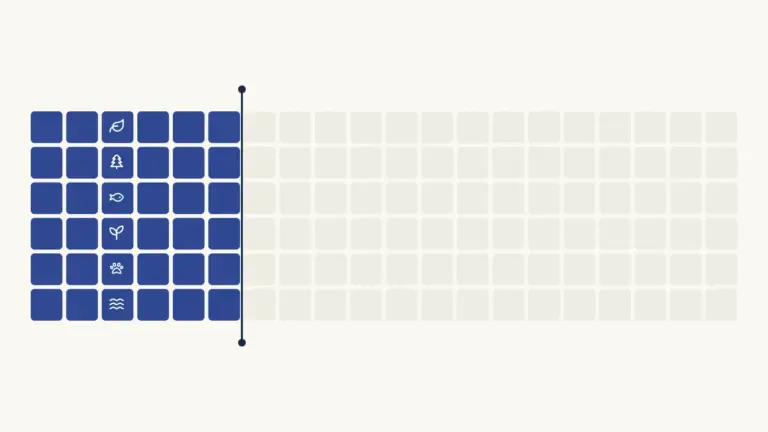
Bring 100 per cent of capture fisheries under effective management, ending overfishing by 2030 in line with SDG 14.4. Currently only about 65 per cent of stocks are within biologically sustainable levels.
Objective 3: Value-chain Upgrades and Equitable Markets
Improve aquatic value chains so that small-scale fishers — especially in Africa, South Asia and Southeast Asia — capture a fair share of the value. This also covers food loss and waste, which currently destroys around 35 per cent of global aquatic harvest.
UNOC 2025 in Nice
The Third UN Ocean Conference (UNOC 2025) was held in Nice, France, from 9 to 13 June 2025, co-presided by France and Costa Rica. The conference adopted the Nice Ocean Action Plan, including a political declaration Our Ocean, Our Future: United for Urgent Action. Among the key outcomes:
- 35 additional countries ratified the BBNJ Agreement (Biodiversity Beyond National Jurisdiction — the High Seas Treaty), pushing it toward the 60-ratification threshold required for entry into force
- A renewed Blue Economy Coalition with the World Bank
- Commitments to bring 30 per cent of oceans under protection by 2030 (the 30×30 target)
- Endorsement of FAO Blue Transformation as the principal vehicle for the food-security pillar of ocean action
India was represented by the Ministry of Earth Sciences and the Ministry of Fisheries, Animal Husbandry and Dairying.
Earlier UN Ocean Conferences
- UNOC 1 — New York, June 2017
- UNOC 2 — Lisbon, Portugal, June 2022
- UNOC 3 — Nice, France, June 2025
- UNOC 4 — Chile and South Korea (co-host) planned for 2028
India and FAO Blue Transformation
India is the world’s second-largest aquaculture producer and the third-largest fisheries producer. The country’s fisheries sector contributes about 1 per cent to GDP and over 7 per cent of agricultural GDP, employing 28 million people. Several Indian initiatives align directly with FAO Blue Transformation:
Pradhan Mantri Matsya Sampada Yojana (PMMSY)
Launched in 2020 with an outlay of Rs 20,050 crore, PMMSY is India’s largest investment in the fisheries sector. It aims to raise fish production to 22 million tonnes by 2025 and double export earnings.
Blue Revolution Scheme
The Blue Revolution focused on intensifying inland and marine fisheries — see our coverage of the Blue Revolution in India.
Sagarmala Programme
Provides port-side fisheries infrastructure, cold chain and harbour modernisation. See our note on the Sagarmala Programme.
Deep Ocean Mission
Launched 2021 by the Ministry of Earth Sciences for deep-sea exploration including biotechnology and seabed minerals.
Marine Spatial Planning
India is piloting marine spatial planning in Lakshadweep and Puducherry to coordinate fisheries, conservation and renewable energy.
Linkages with the Sustainable Development Goals
FAO Blue Transformation is the primary FAO contribution to SDG 14 (Life Below Water) and contributes directly to:
- SDG 2 — Zero Hunger
- SDG 12 — Responsible Consumption and Production
- SDG 13 — Climate Action
- SDG 14 — Life Below Water, especially targets 14.4 (overfishing), 14.5 (10 per cent MPA), 14.6 (harmful subsidies) and 14.7 (small island states)
Key Numbers (FAO SOFIA 2024)
| Metric | Value |
|---|---|
| Global aquatic food production | 223 million tonnes |
| Share from aquaculture | 51 per cent |
| World capture fisheries | 91 million tonnes |
| Fish trade value | USD 195 billion |
| People employed in aquatic food | 61 million |
| Per-capita fish consumption | 20.7 kg/year |
| Overfished stocks (share) | 37.7 per cent |
Challenges to Blue Transformation
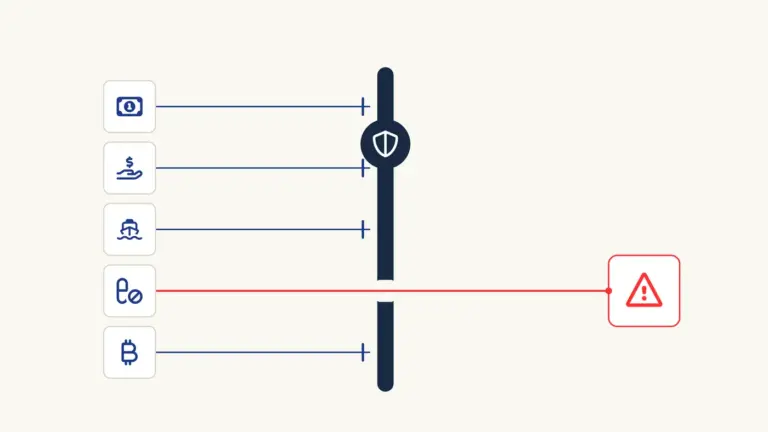
- IUU fishing (Illegal, Unreported, Unregulated) drains 11-26 million tonnes of fish annually worth USD 23 billion
- Climate change — warming oceans, acidification and oxygen loss shift species distributions
- Subsidies — over USD 35 billion in global subsidies still encourage overfishing; the WTO 2022 Agreement on Fisheries Subsidies is being expanded
- Aquaculture environmental footprint — feed inputs, antibiotic use, mangrove conversion for shrimp farming
- Small-scale fishers — lack of finance, formal recognition and bargaining power
Comparison with Other UN Food and Ocean Initiatives
| Initiative | Year | Lead Agency |
|---|---|---|
| FAO Blue Transformation | 2021 | FAO |
| UN Decade of Ocean Science | 2021-2030 | UNESCO IOC |
| BBNJ Agreement (High Seas Treaty) | 2023 | UN General Assembly |
| Global Biodiversity Framework | 2022 (Kunming-Montreal) | CBD |
| 30×30 target | 2022 | CBD |
Frequently Asked Questions
What is FAO Blue Transformation?
FAO Blue Transformation is the UN Food and Agriculture Organisation’s strategic vision (2022-2030) to expand sustainable aquatic food systems, end overfishing, and ensure aquatic foods deliver nutrition, livelihoods and environmental health.
What are the Four Betters in the FAO framework?
Better Production, Better Nutrition, Better Environment and a Better Life — leaving no one behind. They form the FAO Strategic Framework 2022-2031.
When was UNOC 2025 held?
The Third UN Ocean Conference (UNOC 2025) was held in Nice, France, from 9 to 13 June 2025, co-presided by France and Costa Rica.
What is the relationship between FAO Blue Transformation and SDG 14?
FAO Blue Transformation is the principal operational vehicle for SDG 14 (Life Below Water) targets, particularly 14.4 (ending overfishing) and 14.7 (benefits to small island developing states).
What is the BBNJ Agreement?
The BBNJ (Biodiversity Beyond National Jurisdiction) Agreement, also called the High Seas Treaty, was adopted in 2023 to manage marine biodiversity in international waters. UNOC 2025 boosted ratifications.
How big is global aquaculture?
Global aquaculture produced about 130 million tonnes in 2023 (live weight), overtaking capture fisheries (around 91 million tonnes) and becoming the world’s fastest-growing food production sector.
What is the role of India in FAO Blue Transformation?
India is the second-largest aquaculture and third-largest fisheries producer. Programmes like PMMSY, the Blue Revolution and Sagarmala Programme align with FAO Blue Transformation goals.
What is the 30×30 ocean target?
The 30×30 target — endorsed under the Kunming-Montreal Global Biodiversity Framework (2022) — aims to bring 30 per cent of the world’s land and oceans under effective protection by 2030. UNOC 2025 reaffirmed it.
Tell Google you want more of this.
Add Anantam IAS as a preferred sourceOne tap, and this site shows up more often in your own Top Stories, AI Overviews and AI Mode. Remove it any time.