Farmer suicides in India are deaths by suicide among people who work the land, counted each year by the National Crime Records Bureau (NCRB) in its report Accidental Deaths and Suicides in India (ADSI). The latest edition, released on 7 May 2026 with data for 2024, recorded 10,546 suicides in the farming sector, 6.2% of the 1,70,746 suicides in the country. That is more than one death every hour, and it is why the subject sits where farm policy meets public mental health.
Most readers picture a landowning farmer broken by a bank loan, and they take the NCRB figure as the full count. Both pictures need correcting. Agricultural labourers, who own no land and work for wages, have made up more than half of these deaths in every year from 2021 to 2024. And the count rests on what state police forces record, which is why several states report zero. This note sets out what the number measures, what the evidence says drives it and how far public policy has reached.
If this subject touches your own life or someone close to you, free and confidential help is available round the clock on the Tele-MANAS national mental health helpline: 14416 or 1-800-891-4416.
What Are Farmer Suicides in India?
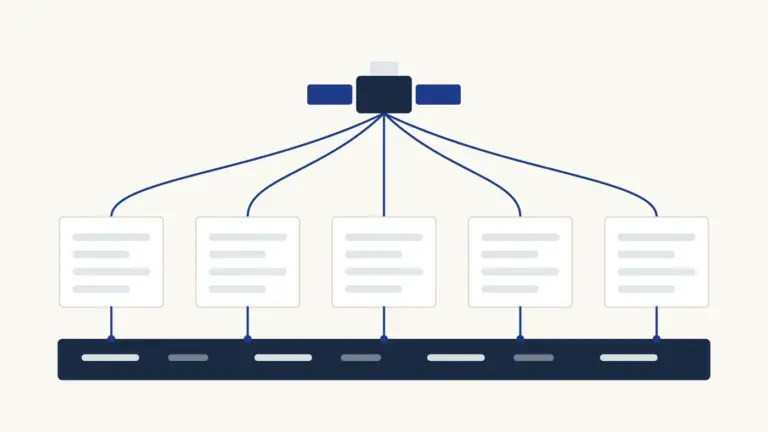
In official usage, a farmer suicide is a death by suicide in which the police record the person’s profession as farming. The NCRB, which works under the Ministry of Home Affairs, collects these records from the states and publishes them in the ADSI report, usually well over a year after the calendar year it covers. Replies in Parliament on the subject cite the same ADSI figures, so there is one official series and everyone argues over it.
| Fact | Detail |
|---|---|
| Official source | NCRB’s Accidental Deaths and Suicides in India (ADSI), compiled from state police records |
| Latest data | Calendar year 2024, report released on 7 May 2026 |
| Farm-sector suicides, 2024 | 10,546: 4,633 farmers or cultivators and 5,913 agricultural labourers |
| Share of all suicides, 2024 | 6.2% of 1,70,746 |
| Highest state, 2024 | Maharashtra, 3,824 (about 36%), followed by Karnataka at 2,971 |
| Categories used since 2014 | Farmers or cultivators (own or leased land) and agricultural labourers |
| States and UTs reporting zero, 2023 | 14, among them West Bengal, Bihar, Odisha and Jharkhand |
| National helpline | Tele-MANAS, 14416 or 1-800-891-4416, running since 10 October 2022 |
How Does the NCRB Count Farmer Suicides?
The NCRB counts what the state police record about each death, sorted by the profession noted for the person, and since 2014 it has split the farming sector into two groups. Before that, the report carried a single line for total suicides in the farming sector. The two groups are:
- Farmers or cultivators: people whose profession is farming on their own land or on land they lease in. An owner-cultivator farms land in his or her own name; a tenant cultivator farms someone else’s land for rent or a share of the crop.
- Agricultural labourers: people who earn mainly from wage work on others’ farms and hold no farmland of their own.
The split was useful, because two very different kinds of hardship had been sitting inside one number. A cultivator’s trouble is usually tied to a crop and a loan; a labourer’s to wages, days of work and health. The split also broke the long series. The 2014 cultivator figure of 5,650 looked like a steep fall until the 6,710 labourers counted separately that year were added back, taking the farm-sector total to 12,360. Anyone comparing years across 2014 has to compare the farm-sector total, not the cultivator line.
Why the numbers are contested
The NCRB figure is the only national series, and nobody serious proposes throwing it out. The disagreement is over what it leaves out. Three problems come up again and again:
- States reporting zero. In the 2023 data, 14 states and UTs recorded no farm-sector suicides, among them West Bengal, Bihar, Odisha and Jharkhand. West Bengal, Bihar and Odisha were also zero-reporting states in 2022 and in 2018. An RTI reply reported by The Wire counted 122 suicides of farmers and farm labourers in a single West Bengal district, Paschim Medinipur, in a year the state had reported none.
- Who is recorded as a farmer. The economist Srijit Mishra notes that the NCRB’s farming category covers owner and tenant cultivators but not labourers, and that suicides in India are under-recorded in general, a gap a national mortality study by Patel and colleagues measured in 2012. The classification depends on how the police write down a person’s work, so anyone whose farming isn’t formally recognized can fall under another heading.
- Women who farm. In 2023, 137 of the 4,690 farmers and 663 of the 6,096 labourers who died by suicide were women. A Rajya Sabha question of December 2022 asked whether women in the agrarian sector were being left out of the count; the Home Ministry replied that the ADSI includes both men and women and that discrepancies are sent back to the states for correction.
The safer reading follows from all three. The NCRB number is the official count and a floor, not a census of every farming household’s loss.
What Does the NCRB Data Show?
Over the last decade the pattern is a plateau at a high level. Farm-sector suicides stood at 12,602 in 2015, fell to 10,349 by 2018 and ranged from 10,546 to 11,290 between 2021 and 2024. The bigger change is inside the total: labourers now outnumber cultivators.
| Year | Farmers or cultivators | Agricultural labourers | Farm-sector total |
|---|---|---|---|
| 2014 | 5,650 | 6,710 | 12,360 |
| 2015 | 8,007 | 4,595 | 12,602 |
| 2021 | 5,318 | 5,563 | 10,881 |
| 2022 | 5,207 | 6,083 | 11,290 |
| 2023 | 4,690 | 6,096 | 10,786 |
| 2024 | 4,633 | 5,913 | 10,546 |
Read the table in three passes. Cultivator suicides have fallen each year since 2021, from 5,318 to 4,633, a drop of about 13%. Labourer suicides rose from 5,563 in 2021 to 6,096 in 2023 and were still 56% of the total in 2024. And the farming sector’s share of all suicides in the country slipped from 6.6% in 2021 and 2022 to 6.2% in 2024.
The geography is concentrated. In 2024 six states accounted for most of the national figure:
- Maharashtra, 3,824, about 36% of the total, the highest in each of 2022, 2023 and 2024;
- Karnataka, 2,971, up about 23% from 2,423 in 2023;
- Madhya Pradesh, 835;
- Andhra Pradesh, 780, down about 16% from 2023;
- Tamil Nadu, 503;
- Chhattisgarh, 486.
A concentration this sharp says where to look, not why. The next section takes up what the research on causes actually finds.
What Causes Farmer Suicides in India?
No single cause explains farmer suicides. The evidence points to economic shocks landing on households with little to fall back on, with debt as the thread that ties the shocks together, and with illness and family strain weighing more heavily among labourers. Each of the four pressures below has its own source.
Debt, formal and informal
The best national picture of farm debt is the National Statistical Office’s Situation Assessment Survey of agricultural households, the NSS 77th round, which covered the agricultural year 2018-19. It found that just over half of agricultural households were in debt, with an average outstanding loan of Rs 74,121. About 69.6% of that debt came from institutional sources, meaning banks, cooperatives and government agencies, and 20.5% from professional moneylenders. The same survey put the average monthly income of an agricultural household at Rs 10,218.
Put those two numbers side by side. The average loan was more than seven months of the average household’s income. The fifth of the debt owed to moneylenders is also the part that a waiver of bank loans cannot touch. The site’s note on agricultural credit in India explains how the formal credit chain is built and where it thins out.
Crop loss and price shocks
A cultivator borrows before sowing and repays after the harvest, so a failed monsoon or a price crash at the mandi turns a routine loan into an unpayable one. An analysis of NCRB data by Down To Earth found farmer suicides consistently higher in years with a rainfall deficit. The National Commission on Farmers, chaired by M.S. Swaminathan, gave its final report of October 2006 to the causes of farmer distress and the rise in suicides, and much of its answer was about price and risk, including its recommendation that support prices sit at least 50% above the weighted average cost of production. The note on drought in India covers how rainfall failure is declared and managed.
Small holdings and dry land
Size matters because a small plot leaves no margin. A marginal holding is under 1 hectare and a small holding 1 to 2 hectares. In the 2015 ADSI, 45.2% of the farmers who died by suicide were small farmers and 27.4% marginal farmers, so nearly three in four held under 2 hectares. Irrigation adds to the gap: a 2021 ethnographic study by Nanda Kishore Kannuri and Sushrut Jadhav in Anthropology and Medicine found that cotton farmers from Dalit and other backward castes had poorer access to irrigation, which landlords from dominant castes often controlled.
Illness, family strain and caste
For labourers, the recorded causes lean away from the farm. In the 2015 data, family problems and illness together accounted for nearly 60% of suicides among agricultural labourers. The Kannuri and Jadhav study adds the social layer: debt taken for costly hybrid seed and inputs, owed within a web of family and caste relationships, produced humiliation and hopelessness that no single line in a police register captures.
This raises a fair objection. If family problems and illness top the recorded causes, is this a social problem rather than an agrarian one? Not quite. The recorded cause is one line written after a death. A quarrel over a loan or an illness left untreated after a failed harvest gets recorded as a family problem or an illness, even when the farm economy set it off. That is why researchers read the pattern across a household’s pressures, not the single cause on file.
How Has Policy Responded to Farmer Suicides?
Policy has worked on three fronts, and each reaches part of the problem:
- Credit and debt relief, through bank credit on easier terms and state loan waivers;
- Income protection, through crop insurance, cash transfers and support prices;
- Mental health care, at national scale since 2022.
The table shows where each measure stops.
| Year | Measure | What it does | Where it stops |
|---|---|---|---|
| 1998 | Kisan Credit Card | Revolving bank credit for crop needs, on a NABARD model | Needs land records and a bank account |
| 2004-2006 | National Commission on Farmers | Five reports; MSP at least 50% above the weighted average cost of production | Advisory; the Centre did not accept the 50% formula in 2010 |
| 2016 | PMFBY | Crop insurance with the farmer’s premium capped at 2% (kharif), 1.5% (rabi) and 5% (commercial and horticultural crops) | Voluntary for all farmers since Kharif 2020 |
| 2018-19 | PM-KISAN | Rs 6,000 a year in three instalments | Only for families with land in their name |
| 2022 | Tele-MANAS | Free 24×7 mental health helpline | Needs callers to know it exists |
| 2022 | National Suicide Prevention Strategy | Aims to cut suicide mortality by 10% by 2030 against 2020 | A national framework; delivery rests with states |
| 2026 | Maharashtra crop-loan waiver | Clears eligible short-term crop-loan arrears up to Rs 2 lakh | Only institutional crop loans |
Credit came first. The Kisan Credit Card of August 1998 gave cultivators a revolving limit at a bank instead of a fresh loan each season, which works well for a farmer with a clear title and a branch nearby. Insurance came next: PMFBY replaced older schemes in 2016 with low premiums for farmers, and from Kharif 2020 even farmers with crop loans could choose whether to enrol. Income support is the newest layer. The PM-KISAN Samman Nidhi pays Rs 6,000 a year straight into bank accounts, and prices are backed by the Minimum Support Price regime, where the CACP recommends and the Union Cabinet fixes the price.
State loan waivers are the most visible response and the most debated one. A waiver clears a debt that already exists, which helps a household in default at once, but it covers only loans from banks and cooperatives. The moneylender’s share stays, and the next bad season brings a new loan.
The pattern across the table is the real lesson. Most of these schemes are built on land records, and each of them asks for a plot in the farmer’s name before it pays. Agricultural labourers, who are now the larger group among these deaths, and tenants on unwritten leases sit outside most of them. The health measures are the exception, because Tele-MANAS and the District Mental Health Programme serve anyone who reaches them. The note on mental health in India covers the treatment gap they are trying to close.
It is wise neither to dismiss these schemes nor to expect any one of them to bring the number down alone. A transfer of Rs 6,000 doesn’t clear a debt of Rs 74,121, and a helpline doesn’t bring rain. Together, and extended to the people who farm without owning land, they address different links in the same chain.
Farmer Suicides in India Today
The latest ADSI, released on 7 May 2026, shows a small fall: farm-sector suicides dropped from 10,786 in 2023 to 10,546 in 2024, with cultivator deaths down 1.2% and labourer deaths down 3%. The rate is still more than one every hour. Karnataka’s rise of about 23% in a year runs against the national trend and deserves attention.
Three developments of 2026 bear on the subject:
- Maharashtra’s crop-loan waiver. The state Cabinet approved a new waiver on 2 June 2026, with a ceiling of Rs 2 lakh on eligible short-term crop-loan arrears, an estimated reach of about 56 lakh farmer families and an estimated cost of Rs 36,585 crore. Beneficiary verification began on 22 July 2026; the current-affairs note on the rollout has the eligibility rules.
- PM-KISAN extended. The Union Cabinet approved the scheme’s continuation for five financial years, 2026-27 to 2030-31, with an outlay of Rs 3.15 lakh crore.
- Tele-MANAS at scale. By 23 July 2024, 36 States and UTs had set up 53 Tele-MANAS cells, which had handled more than 11.76 lakh calls. The official Tele-MANAS site lists the service in each state.
The data itself remains the open question. As long as several states report zero, the national total will understate the problem in exactly the places where independent evidence says otherwise. The NCRB’s ADSI page hosts each edition.
How to Study Farmer Suicides for Exams
Farmer suicides sit mainly in GS Paper III, where agriculture and farm credit are taught, with a strong pull into GS Paper I (social issues) and GS Paper II (welfare schemes and health). The theme is tested less as a count and more as the end point of agrarian distress.
Mains 2017 Essay paper set the topic “Farming has lost the ability to be a source of subsistence for majority of farmers in India.” The same year, GS Paper III asked “How do subsidies affect the cropping pattern, crop diversity and economy of farmers? What is the significance of crop insurance, minimum support price and food processing for small and marginal farmers?” In Prelims, the schemes are what gets tested: Indian Economy accounts for 256 of the 1,403 questions in the Prelims question bank.
Facts worth revising:
- NCRB (under the Ministry of Home Affairs) publishes the ADSI; the 2024 data came out on 7 May 2026.
- 2024: 10,546 farm-sector suicides, 4,633 cultivators and 5,913 labourers, 6.2% of all suicides.
- Since 2014 the NCRB separates farmers or cultivators (own or leased land) from agricultural labourers.
- Maharashtra had the most farm-sector suicides in 2024 (3,824), then Karnataka (2,971).
- NSS 77th round: average outstanding loan of Rs 74,121 per agricultural household; about 70% of it from institutional sources.
- PMFBY (2016): farmer premium capped at 2% kharif, 1.5% rabi, 5% commercial and horticultural.
- Tele-MANAS, launched 10 October 2022: 14416 or 1-800-891-4416.
Four confusions trip up almost everyone, and each has a simple fix:
- Farmer versus labourer. ‘Farmer suicides’ in headlines usually means the whole farming sector. The NCRB’s ‘farmers or cultivators’ line is only part of it.
- Report year versus data year. The report released in 2026 carries 2024 data. Quote the data year.
- Recorded cause versus underlying cause. The register records one cause; debt and crop loss often sit behind a cause recorded as illness or a family problem.
- NCRB versus NSO. Suicide counts come from the NCRB’s police records; debt and income figures come from the NSO’s household surveys.
The sibling concepts are easier to keep apart side by side. The overview of Indian agriculture is the right place to connect them.
| Concept | What it measures | Main source |
|---|---|---|
| Farmer suicides | Deaths by suicide of cultivators and agricultural labourers | NCRB, ADSI (annual) |
| Agricultural indebtedness | Share of farm households in debt and the size and source of their loans | NSO, Situation Assessment Survey (NSS 77th round) |
| Agrarian distress | The wider condition of low incomes, high risk and debt in farming | No single index; read from the two above and from crop and price data |
A strong answer on this topic never stops at the count. It uses the NCRB number to open the question, the NSO numbers to explain it and the design of schemes to judge the response. An aspirant who can say why a land-record-based scheme misses the larger half of these deaths has understood the subject better than one who can recite the state rankings.
Frequently Asked Questions
How many farmers died by suicide in India in 2024?
The NCRB’s ADSI report for 2024, released on 7 May 2026, recorded 10,546 suicides in the farming sector. Of these, 4,633 were farmers or cultivators and 5,913 were agricultural labourers. Together they made up 6.2% of the 1,70,746 suicides recorded in India that year.
Which state has the highest number of farmer suicides?
Maharashtra recorded the highest number in 2024, with 3,824 farm-sector suicides, about 36% of the national total. Karnataka came second with 2,971. Maharashtra also topped the list in 2022 and 2023.
Who counts as a farmer in NCRB data?
Since 2014 the NCRB records two groups in the farming sector. Farmers or cultivators farm their own land or land they lease in, while agricultural labourers work mainly for wages on others’ farms. The headline figure for farmer suicides usually adds the two together.
What are the main causes of farmer suicides in India?
The evidence points to a combination of pressures rather than one cause. Debt, crop loss after rainfall failure, low prices and very small holdings weigh most on cultivators, while family problems and illness are recorded more often among agricultural labourers. These pressures usually act together within the same household.
Why do some states report zero farmer suicides?
The NCRB compiles what state police record, so a state’s figure depends on how its police classify each death by profession. In the 2023 data, 14 states and UTs, including West Bengal, Bihar and Odisha, reported zero. Independent evidence such as an RTI reply from a West Bengal district has contradicted such zero reports.
What has the government done to reduce farmer suicides?
The main measures are Kisan Credit Cards for cheaper credit, the PMFBY crop insurance scheme, PM-KISAN income support, Minimum Support Prices and state loan waivers. On the health side, the Tele-MANAS helpline and the National Suicide Prevention Strategy were launched in 2022. Most farm schemes depend on land records, so landless labourers benefit least.
What is the Tele-MANAS helpline number?
Tele-MANAS is the national tele mental health helpline of the Ministry of Health and Family Welfare, launched on 10 October 2022. It can be reached free of charge, round the clock, on 14416 or 1-800-891-4416. Calls are answered by trained counsellors who can refer callers to specialists.
Practice Questions
Prelims
1. Consider the following statements about the NCRB’s data on suicides in the farming sector: 1. Since 2014, the NCRB publishes figures for farmers or cultivators and agricultural labourers separately. 2. In 2024, suicides among farmers or cultivators outnumbered those among agricultural labourers. Which of the statements given above is/are correct?
- (a) 1 only
- (b) 2 only
- (c) Both 1 and 2
- (d) Neither 1 nor 2
Answer: (a) The split began in 2014; in 2024 labourers (5,913) outnumbered cultivators (4,633).
2. The report ‘Accidental Deaths and Suicides in India’ is published by a body under which ministry?
- (a) Ministry of Agriculture and Farmers Welfare
- (b) Ministry of Home Affairs
- (c) Ministry of Health and Family Welfare
- (d) Ministry of Statistics and Programme Implementation
Answer: (b) The NCRB, which publishes the ADSI, works under the Ministry of Home Affairs.
3. Consider the following statements about the Pradhan Mantri Fasal Bima Yojana (PMFBY): 1. The farmer’s share of the premium is capped at 2% for kharif crops and 1.5% for rabi crops. 2. Since Kharif 2020, enrolment is voluntary even for farmers with crop loans. 3. The scheme was launched in 2019. Which of the statements given above are correct?
- (a) 1 and 2 only
- (b) 2 and 3 only
- (c) 1 and 3 only
- (d) 1, 2 and 3
Answer: (a) PMFBY was launched in 2016, so statement 3 is wrong.
4. Tele-MANAS, the national tele mental health programme, was launched on:
- (a) 2 October 2021
- (b) 10 October 2022
- (c) 21 November 2022
- (d) 1 April 2023
Answer: (b) It was launched on World Mental Health Day, 10 October 2022; 21 November 2022 is the date of the National Suicide Prevention Strategy.
5. Consider the following statements about the Situation Assessment Survey of agricultural households (NSS 77th round): 1. The average outstanding loan per agricultural household was about Rs 74,000. 2. Most of the outstanding debt was owed to professional moneylenders. Which of the statements given above is/are correct?
- (a) 1 only
- (b) 2 only
- (c) Both 1 and 2
- (d) Neither 1 nor 2
Answer: (a) The average was Rs 74,121, and about 69.6% came from institutional sources against 20.5% from moneylenders.
Mains
- Agricultural labourers now account for more than half of suicides in India’s farming sector. Examine why, and assess whether existing farm-welfare schemes reach them. (15 marks, 250 words)
- Critically examine the reliability of NCRB data on farmer suicides and suggest ways to improve it. (10 marks, 150 words)
- Debt is often called the common thread in farmer suicides. Discuss with reference to the sources of rural credit and the role of informal lending. (15 marks, 250 words)
- Are farm loan waivers an effective response to agrarian distress? Argue with reference to their design and coverage. (10 marks, 150 words)
- Farmer suicides are as much a public mental health issue as an agrarian one. Discuss in the light of Tele-MANAS and the National Suicide Prevention Strategy. (10 marks, 150 words)
Tell Google you want more of this.
Add Anantam IAS as a preferred sourceOne tap, and this site shows up more often in your own Top Stories, AI Overviews and AI Mode. Remove it any time.