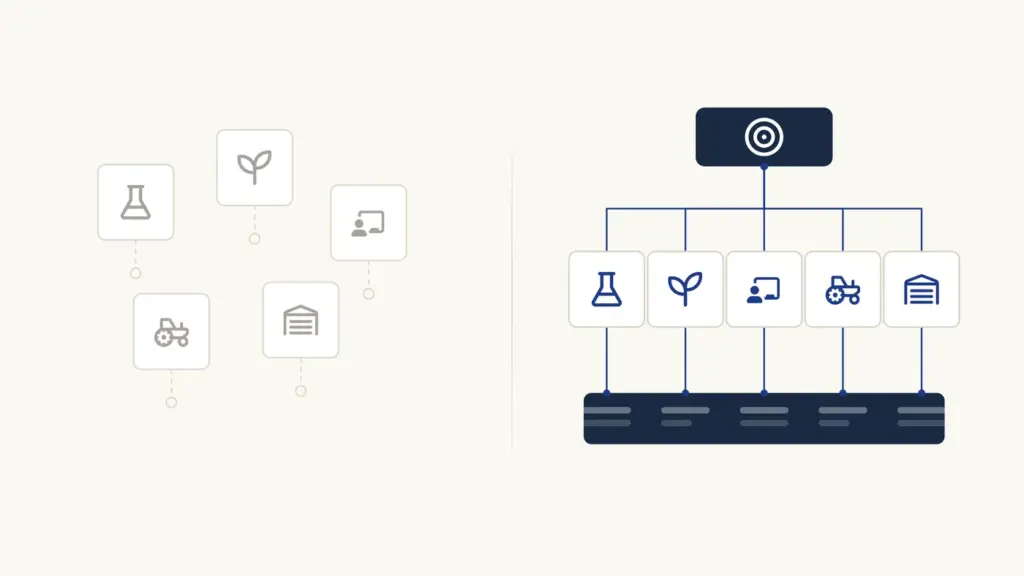
Technology missions in Indian agriculture are time-bound, target-driven programmes that put research, extension, input supply and procurement for a single crop or problem under one command structure. India reached for that form because the ordinary departmental route could not coordinate ICAR laboratories, state extension staff and input agencies fast enough. The Oilseeds mission of 1986 was the template, and almost every agricultural programme since has borrowed its shape.
Why the Mission Form Was Invented
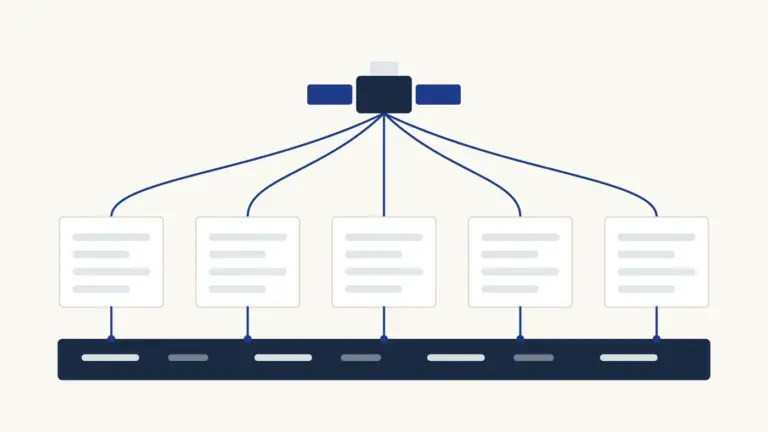
A ministry works vertically. A crop does not. Getting a new oilseed variety to a farmer needs a breeder, a seed multiplication chain, a fertiliser recommendation, a bank willing to lend against it and a buyer at the end. In the ordinary structure those five sit in five different offices with no shared deadline.
- Single accountable mission director instead of diffuse departmental ownership.
- A numeric target and a date, which makes performance visible.
- Pooled funding across research, extension and input subsidy heads.
- Centre-state co-financing, usually 60:40, with 90:10 for the north-eastern and Himalayan states.
- District as the unit of implementation, so targets are disaggregated rather than national averages.
That is the whole innovation. It is administrative, not scientific, and it explains both the successes and the ceiling.
The Missions, in Order
| Mission | Year | What it did |
|---|---|---|
| Technology Mission on Oilseeds | 1986 | Raised oilseed output sharply within a decade and cut edible oil import dependence. The template for everything that followed. |
| Technology Mission on Cotton | 2000 | Research, seed distribution, extension and market infrastructure. With Bt cotton it turned India from an importer into a leading exporter. |
| Technology Mission on Horticulture (NE and Himalayan states) | 2001 | Extended the mission form to horticulture in the hill states. |
| National Horticulture Mission | 2005 | Area expansion, protected cultivation and post-harvest infrastructure. |
| National Food Security Mission | 2007 | Launched after the 2006 crisis to raise rice, wheat and pulses output; later extended to coarse cereals, nutri-cereals and oilseeds. |
| National Mission on Agricultural Extension and Technology | 2014 | Umbrella for ATMA extension, seed, farm mechanisation and plant protection. |
| Mission for Integrated Development of Horticulture | 2014 | Merged the earlier horticulture missions into one programme. |
| National Mission for Sustainable Agriculture | 2014 | Rainfed area development, soil health, water-use efficiency and climate resilience. |
| National Mission on Edible Oils – Oil Palm | 2021 | Area expansion in oil palm, largely in the north-east and Andaman, to cut edible oil imports again. |
| National Mission on Natural Farming | 2023 | Chemical-free farming through cluster-based adoption and farmer-to-farmer extension. |
| Digital Agriculture Mission | 2024 | AgriStack, farmer registry, crop sown registry and geo-referenced village maps. |
The Green Revolution remains the reference case, because it is the one where the mission form clearly beat the departmental alternative.
What They Did for Food Security
Food security has four dimensions, and the missions performed very differently across them.
- Availability. The clearest success. Foodgrain output rose from about 51 million tonnes in 1950-51 to over 300 million tonnes, and India moved from ship-to-mouth imports to being the largest rice exporter.
- Access. Indirect. Higher output softened prices and built the buffer stock the National Food Security Act distributes, but no mission touches purchasing power.
- Stability. Improved through drought-tolerant varieties, seed replacement and buffer capacity, though monsoon dependence remains.
- Utilisation. The weakest link, and the reason a production success did not end malnutrition. Nutri-cereal promotion under NFSM and ICAR biofortified varieties are the corrective.
Read alongside our note on food security for how availability translates, and fails to translate, into nutrition.
Where the Mission Form Runs Out
- Missions succeed where the bottleneck is technical and stall where it is institutional. Seed, variety and mechanisation respond to a mission; marketing, credit and tenancy do not.
- A crop-based mission fragments the farm. A farmer growing three crops meets three programmes and three sets of officers.
- Regional concentration persists. Irrigated Punjab, Haryana and western Uttar Pradesh take a disproportionate share of the gains.
- Extension is the binding constraint. The ATMA extension-worker-to-farmer ratio is far below the recommended level, so the last mile is thin.
- Price signals can work against the mission. An oilseeds or pulses mission competes with an MSP regime that is effectively concentrated on rice and wheat.
- Evaluation is weak. Missions report expenditure and area covered far more reliably than outcome attribution.
The next generation will have to organise around the farming system rather than the crop, and around extension capacity rather than input supply. Crop diversification is the direction the missions themselves point to.
Frequently Asked Questions
What is a technology mission in agriculture?
A time-bound, target-driven programme that brings research, extension, input supply and procurement for a single crop or problem under one command structure with a single mission director, pooled funding and district-level targets. The form was introduced with the Technology Mission on Oilseeds in 1986.
Which was the first technology mission in Indian agriculture?
The Technology Mission on Oilseeds, launched in 1986 during the Seventh Plan. It raised oilseed production sharply within a decade and reduced edible oil import dependence, and it became the template for every later mission.
What is the National Food Security Mission?
Launched in 2007 after the 2006 foodgrain crisis, NFSM aimed to raise the production of rice, wheat and pulses through area expansion and productivity enhancement. It was later extended to coarse cereals, nutri-cereals and oilseeds.
Did technology missions solve malnutrition?
No. They solved availability decisively and barely touched utilisation. India produces a large foodgrain surplus and still records high levels of stunting and anaemia, because production does not determine dietary diversity, sanitation or absorption.
What is the main criticism of the technology mission approach?
That it works only where the bottleneck is technical. Missions can deliver seeds, varieties and machinery, but they cannot fix marketing, credit or tenancy, and a crop-based mission fragments a farm that grows several crops.
Which technology missions are currently running?
The main ones are the National Food Security Mission, the Mission for Integrated Development of Horticulture, the National Mission for Sustainable Agriculture, the National Mission on Edible Oils – Oil Palm, the National Mission on Natural Farming and the Digital Agriculture Mission.
Practice Questions
Prelims MCQs
1. The Technology Mission on Oilseeds was launched in:
- (a) 1982
- (b) 1986
- (c) 1991
- (d) 1998
Answer: (b) 1986
2. The National Food Security Mission was launched in the year:
- (a) 2004
- (b) 2005
- (c) 2007
- (d) 2010
Answer: (c) 2007
3. Which mission covers AgriStack, the farmer registry and geo-referenced village maps?
- (a) National Mission for Sustainable Agriculture
- (b) Digital Agriculture Mission
- (c) National Mission on Agricultural Extension and Technology
- (d) Mission for Integrated Development of Horticulture
Answer: (b) Digital Agriculture Mission
4. The National Mission on Edible Oils – Oil Palm was launched primarily to:
- (a) Promote natural farming
- (b) Reduce edible oil import dependence
- (c) Expand cold chain infrastructure
- (d) Raise pulses productivity
Answer: (b) Reduce edible oil import dependence
5. ATMA, the extension mechanism, operates under which umbrella mission?
- (a) National Food Security Mission
- (b) National Mission on Agricultural Extension and Technology
- (c) National Horticulture Mission
- (d) National Mission on Natural Farming
Answer: (b) National Mission on Agricultural Extension and Technology
Mains Questions
- Describe the various technology missions initiated in Indian agriculture and examine their role in food security. (15 marks, 250 words)
- “Technology missions solved availability and barely touched utilisation.” Critically examine this assessment of India’s agricultural mission programmes. (15 marks, 250 words)
- The mission form is an administrative innovation rather than a scientific one. Discuss with reference to Indian agriculture. (10 marks, 150 words)
- Examine why crop-based missions have struggled to deliver diversification in Indian agriculture. (10 marks, 150 words)
- Discuss the role of agricultural extension as the binding constraint on technology mission outcomes, and suggest reforms. (15 marks, 250 words)
Tell Google you want more of this.
Add Anantam IAS as a preferred sourceOne tap, and this site shows up more often in your own Top Stories, AI Overviews and AI Mode. Remove it any time.