India runs two entirely different subsidy systems for two categories of the same input, and almost every problem in Indian soil chemistry follows from that split. Urea is price-controlled and cheap. Phosphatic and potassic fertilizers are decontrolled and expensive. Fertilizer subsidies therefore do not merely cost money; they instruct farmers, every season, to apply the wrong nutrient mix.
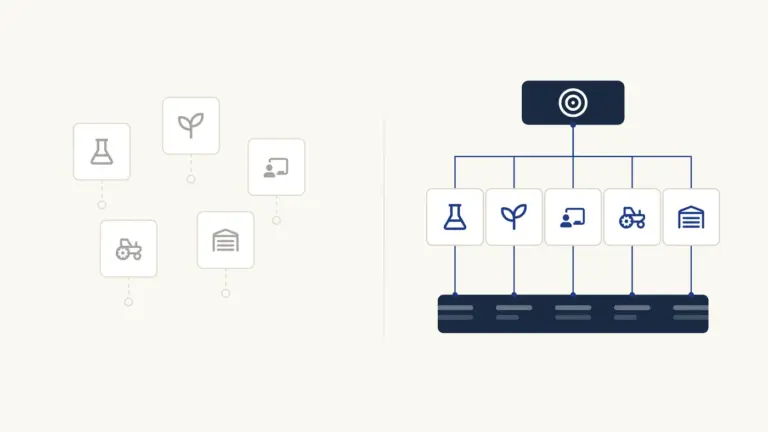
Fertilizers supply the three key soil nutrients: nitrogen through urea, phosphorus through DAP, potassium through MOP. Government subsidy has been in place since the 1970s, and separate mechanisms evolved for urea and for the rest.
How Urea Is Subsidised
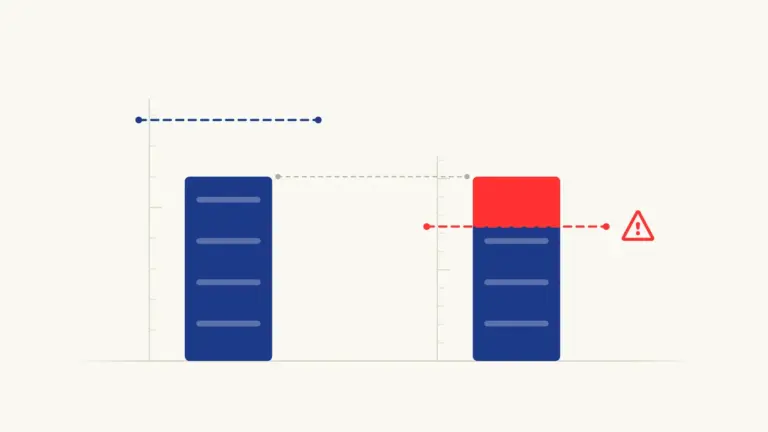
Urea runs on a cost-plus method. The maximum retail price is statutorily fixed by the Government of India, and the difference between that price and the manufacturer’s cost of production is paid as subsidy. Different manufacturers received different amounts, based on their own cost of production.
The flaw is visible immediately: a plant that produced expensively was reimbursed for producing expensively. The system paid for inefficiency.
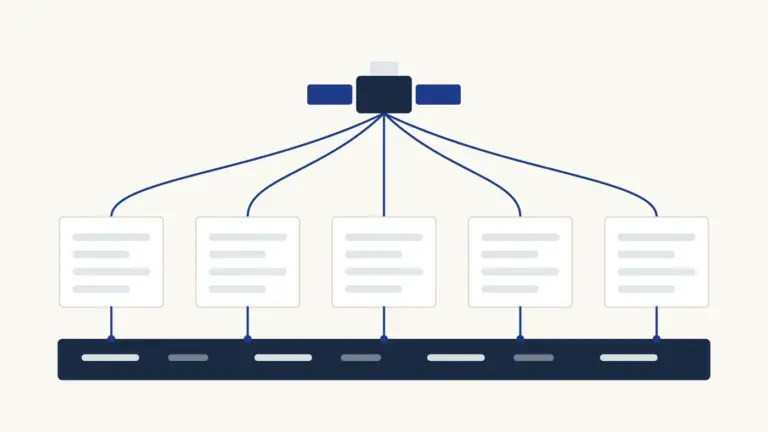
The New Urea Policy 2015 addressed this. Gas-based urea plants were divided into three groups, and a specific energy norm was fixed for each group. All plants in a group now receive the same subsidy regardless of their actual energy consumption, which forces the less efficient among them to improve or absorb the loss.
How Non-Urea Fertilizers Are Subsidised
Phosphatic and potassic fertilizers run on the Nutrient Based Subsidy scheme, which works the other way round.
- Market prices are deregulated, so manufacturers decide the retail price
- A fixed subsidy is paid based on the nutrient content, decided per kilogram annually for nitrogen, phosphorus, potassium and sulphur
- That per-kilogram figure is converted into a subsidy per tonne for each subsidised fertilizer
- Freight cost for moving phosphatic and potassic fertilizers is also reimbursed
NBS is the better-designed of the two systems. It is nutrient-neutral within its own scope, it does not reward high-cost production, and it lets prices carry information.
The Consequences of the Split
Because urea alone remains price-regulated while phosphatic and potassic prices float, the relative price of nitrogen is artificially low. Farmers respond exactly as price theory predicts.
- Imbalanced NPK use. Over-application of nitrogen relative to phosphorus and potassium, producing a skewed nutrient ratio.
- Loss of soil fertility. Continuous nitrogen loading without matching phosphorus, potassium and micronutrients degrades soil structure and organic carbon.
- Water pollution. Excess nitrogen leaches into groundwater as nitrate and runs off into surface water, contributing to eutrophication and dead zones.
- Illegal diversion. Subsidised urea is cheap enough to be diverted for industrial uses such as plywood and resin manufacturing, and for cattle feed.
Neem coating was the operational answer to the last problem. It slows nitrogen release, which improves use efficiency, and it makes diverted urea unusable in the industries that were absorbing it.
Direct Benefit Transfer in Fertilizers
Fertilizer DBT is often misunderstood. It does not transfer cash to the farmer. It releases the subsidy to the manufacturer only after an actual retail sale is recorded at a point-of-sale device with Aadhaar authentication.
That is a real improvement in traceability and in the timing of payment. It does not change the price the farmer faces, so it does not change the nutrient imbalance. Calling it a subsidy reform overstates what it does.
The Honest Limits
Three points a rigorous answer should concede.
First, decontrolling urea is politically the hardest reform in Indian agriculture, harder than MSP change, because the price is visible to every farmer every season.
Second, NBS is not automatically stabilising either. When global phosphate and potash prices spike, decontrolled retail prices rise sharply, and farmers substitute towards cheap urea, worsening the imbalance precisely when it should improve.
Third, subsidy reform without soil information does not fix application behaviour. A farmer without a current soil health card has no basis for changing a nutrient mix that has worked in living memory.
The Way Forward
- Bring urea under the Nutrient Based Subsidy framework, so that all nutrients are priced on a comparable basis and the relative price signal is honest.
- Move gradually towards crop and nutrient neutral income support, so that support to the farmer does not dictate which nutrient to over-apply.
- Tie application advice to soil health cards and make the recommendation available at the point of sale, not months earlier.
- Scale nano-fertilizers and precision application, which reduce the physical tonnage required for the same yield and therefore the subsidy bill.
- Keep neem coating and extend the principle, since technical barriers to diversion have worked better than enforcement.
The fertilizer subsidy is not too large because farmers are careless. It is too large because the pricing structure asks them to be.
Frequently Asked Questions
How are fertilizers subsidised in India?
Through two separate mechanisms. Urea is subsidised under a cost-plus arrangement in which the government statutorily fixes the maximum retail price and pays manufacturers the difference between that price and their cost of production. Phosphatic and potassic fertilizers are covered by the Nutrient Based Subsidy scheme, under which prices are deregulated and manufacturers receive a fixed subsidy per kilogram of nutrient.
What is the Nutrient Based Subsidy scheme?
Under NBS, the government fixes an annual per-kilogram subsidy for nitrogen, phosphorus, potassium and sulphur. This is converted into a subsidy per tonne for each subsidised fertilizer. Market prices are decontrolled, so manufacturers set the retail price and the subsidy is fixed. Freight cost for moving phosphatic and potassic fertilizers is also reimbursed.
Why did the New Urea Policy 2015 change the subsidy formula?
Because the earlier cost-plus method paid different amounts to different manufacturers based on their own cost of production, which rewarded inefficiency. The 2015 policy grouped gas-based urea plants into three categories with a specific energy norm for each. Plants in the same group receive the same subsidy irrespective of actual energy consumption, which forces them to become more energy efficient.
Why does regulated urea pricing cause imbalanced fertilizer use?
Because urea remains price-controlled and cheap while phosphatic and potassic fertilizer prices are deregulated and therefore higher, farmers over-apply nitrogen relative to phosphorus and potassium. The result is a skewed NPK ratio, declining soil fertility and nitrate pollution of water bodies.
What is the diversion problem in urea?
Because subsidised urea is far cheaper than its industrial equivalent, it is illegally diverted to non-agricultural uses such as plywood, resin and cattle feed manufacturing, and across borders. Neem coating of urea was introduced specifically to make diverted urea unusable for those industrial purposes.
What is DBT in fertilizers?
Under direct benefit transfer for fertilizers, the subsidy is released to the manufacturer only after the actual sale to a farmer is recorded at the retail point through a point-of-sale device and Aadhaar authentication. It is a payment-timing reform rather than a cash transfer to the farmer, so it improves traceability without changing the farmer’s price.
How does neem coating help?
Neem coating slows the release of nitrogen, which improves nitrogen use efficiency and reduces the quantity required per hectare. It also makes urea unsuitable for industrial diversion, which was the more immediate policy motivation.
What would genuine fertilizer subsidy reform involve?
Bringing urea into the Nutrient Based Subsidy framework so that all nutrients are priced on a comparable basis, moving towards direct income support that is crop and nutrient neutral, expanding soil health card based application, and promoting nano-fertilizers and precision application to cut the physical volume required.
Practice Questions
Prelims MCQs
- Under the Nutrient Based Subsidy scheme, which of the following is correct?
(a) Retail prices are fixed by the government and subsidy varies
(b) Retail prices are deregulated and subsidy per nutrient is fixed
(c) Both price and subsidy are fixed by the government
(d) Neither price nor subsidy is regulated
Answer: (b) NBS decontrols the market price and fixes a per-kilogram subsidy on each nutrient, decided annually. - The New Urea Policy 2015 grouped gas-based urea plants into three categories in order to
(a) Increase the retail price of urea
(b) Fix energy norms and reward efficiency
(c) Encourage imports of urea
(d) Transfer subsidy directly to farmers
Answer: (b) Uniform subsidy within an energy-norm group forces plants to improve energy efficiency rather than pass through their own costs. - Neem coating of urea was introduced primarily to
(a) Raise the nitrogen content
(b) Prevent industrial diversion and improve nitrogen use efficiency
(c) Reduce the freight subsidy
(d) Replace potassic fertilizers
Answer: (b) Coating makes urea unsuitable for industrial use and slows nitrogen release, improving efficiency. - The skewed NPK ratio in India is chiefly attributable to
(a) A ban on imports of potash
(b) Continued price control on urea alongside decontrolled P and K prices
(c) Excessive use of organic manure
(d) The absence of soil health cards
Answer: (b) Cheap controlled urea alongside costlier decontrolled phosphatic and potassic fertilizers pushes farmers towards nitrogen over-application. - Direct benefit transfer in fertilizers means
(a) Cash is credited to the farmer's account instead of subsidised fertilizer
(b) Subsidy is released to the manufacturer after verified retail sale
(c) Fertilizer is distributed free of cost
(d) The subsidy is paid to state governments
Answer: (b) Fertilizer DBT is a manufacturer reimbursement triggered by an authenticated retail sale, not a cash transfer to the farmer.
Mains Questions
- The fertilizer subsidy regime in India solves a price problem and creates a soil problem. Critically examine. (250 words)
- Compare the cost-plus mechanism for urea with the Nutrient Based Subsidy scheme, and evaluate the case for bringing urea under NBS. (250 words)
- Discuss the ecological consequences of imbalanced fertilizer application in India and suggest corrective measures. (150 words)
- Direct benefit transfer in fertilizers improves traceability without altering incentives. Discuss. (150 words)
- Evaluate nano-fertilizers and precision application as instruments to reduce India's fertilizer subsidy bill. (250 words)
Tell Google you want more of this.
Add Anantam IAS as a preferred sourceOne tap, and this site shows up more often in your own Top Stories, AI Overviews and AI Mode. Remove it any time.