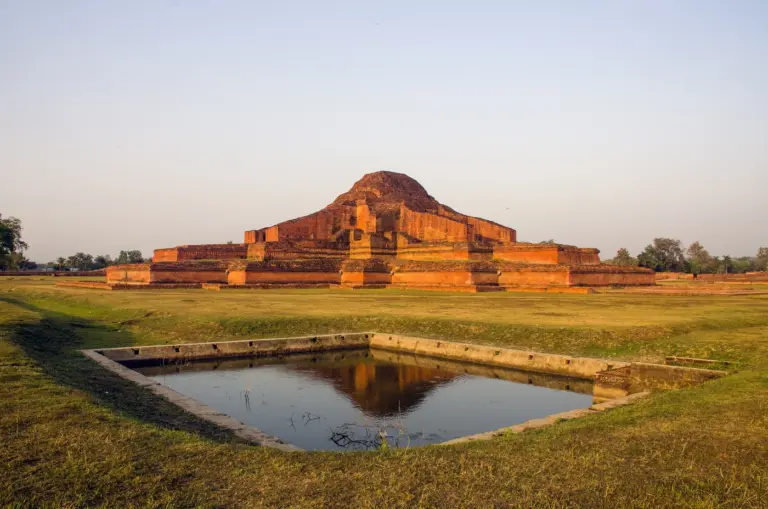
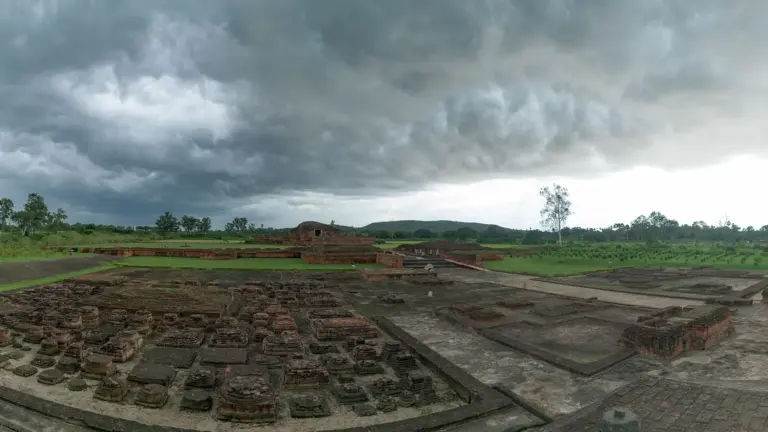
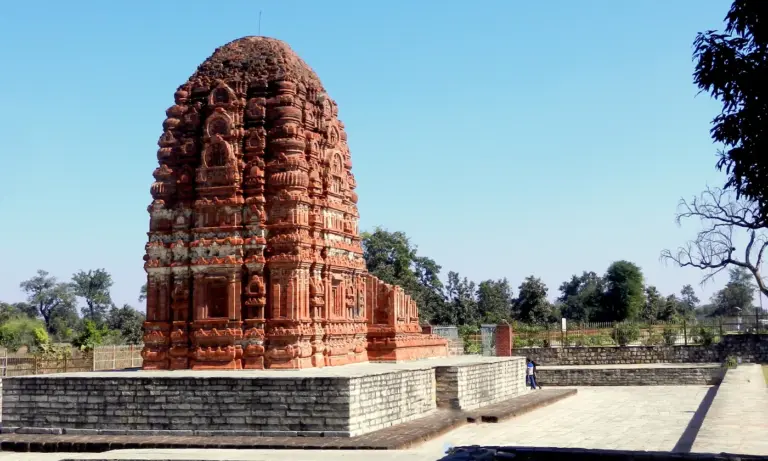
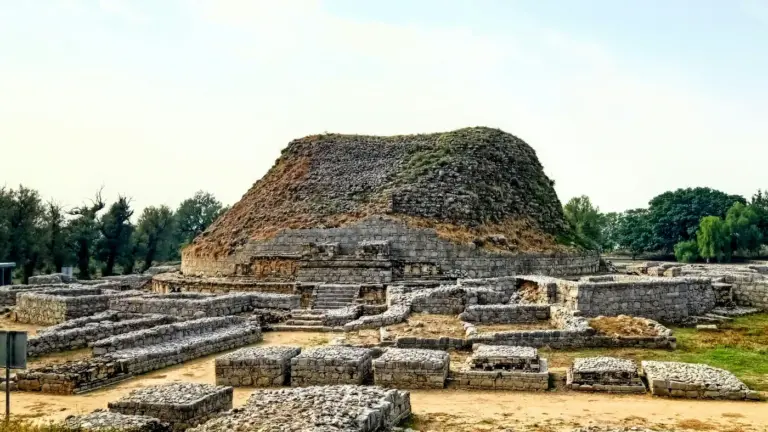
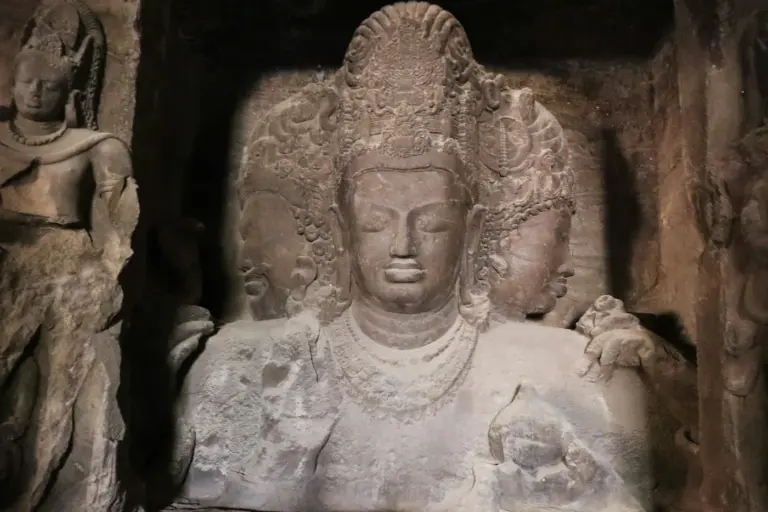
The Haryanka dynasty was the first important ruling house of the ancient kingdom of Magadha and the real architect of its imperial ambitions in the Gangetic plain. Traditionally dated from around 544 BCE to 412 BCE, the dynasty rose under Bimbisara, consolidated under his son Ajatashatru, and ended with the patricidal line that culminated in Nagadasaka, whose overthrow brought the Shishunagas to power. The Haryankas expanded Magadha through matrimonial alliances, military conquest and riverine control, and made the region the political core of northern India. Their reign coincides with the lifetimes of the Buddha and Mahavira, making the dynasty central both to political history and to the rise of heterodox religions.
Who Were the Haryankas
The Haryanka dynasty takes its name from a clan whose capital was initially Rajgir (Girivraja) in present-day Bihar. Buddhist and Jain traditions, along with the Puranas, form the main literary sources. The dynasty ruled the Magadha mahajanapada, one of the sixteen mahajanapadas listed in the Anguttara Nikaya, and its fortunes were shaped by fertile alluvial soil, abundant iron ore near Rajgir, and control over the Ganga for trade and troop movement.
Key sources for Haryanka history include:
- Buddhist texts – Mahavamsa, Dipavamsa, and Vinaya Pitaka.
- Jain texts – Kalpasutra and Parishishtaparvan.
- Puranas – genealogical lists of Magadhan kings.
- Greek accounts – later references by Megasthenes to Pataliputra, the city linked to this dynasty.
Bimbisara: The Founder
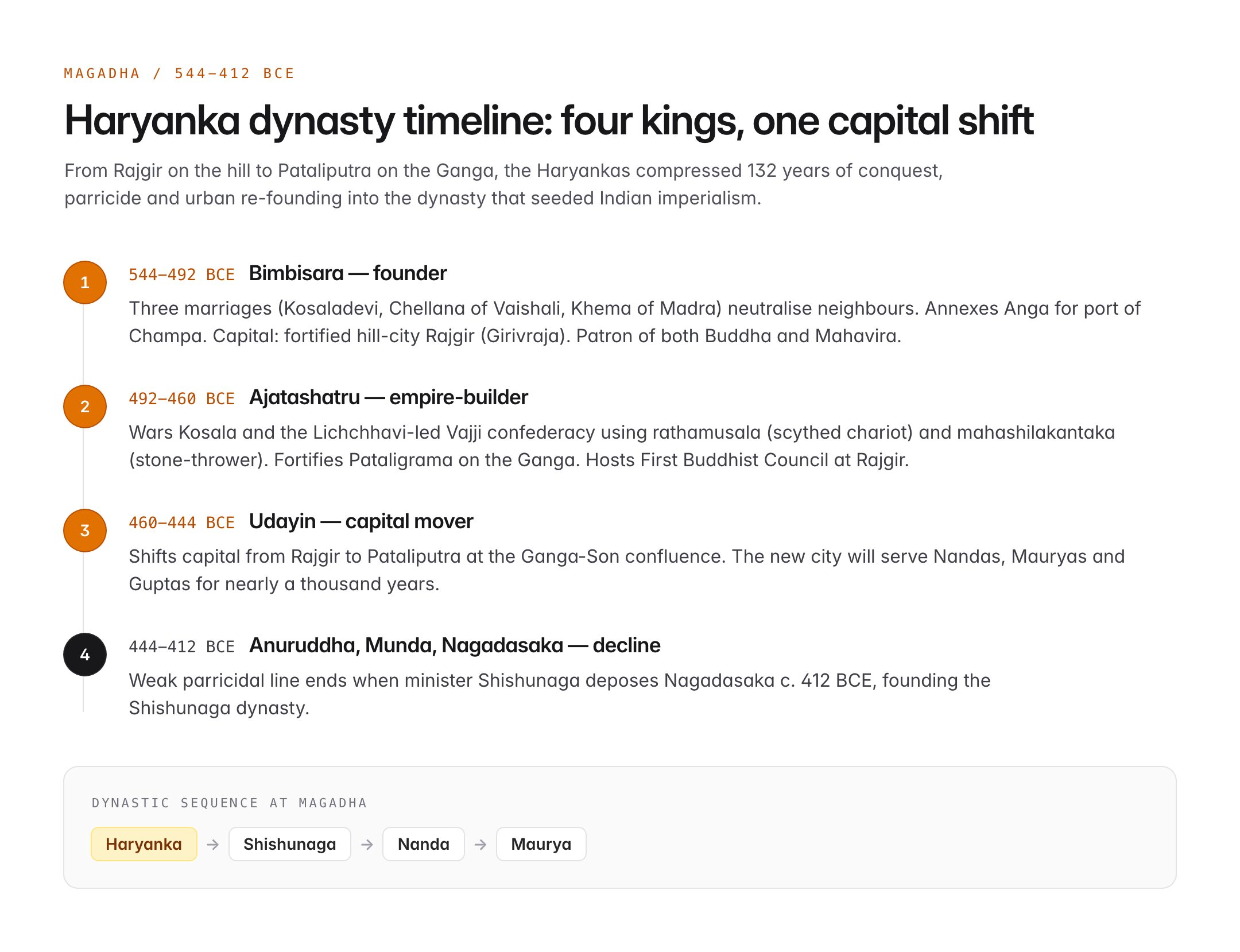
Bimbisara (c. 544-492 BCE), also known as Shrenika in Jain tradition, is regarded as the real founder of Magadhan imperialism. He was a contemporary of both the Buddha and Mahavira and patronised both traditions. His reign is notable for:
- Matrimonial diplomacy – he married Kosaladevi of Kosala (securing Kashi as dowry), Chellana of Vaishali (Lichchhavi princess), and Khema of Madra. These alliances neutralised powerful neighbours.
- Conquest of Anga – annexation of Anga (around modern Bhagalpur) gave Magadha access to the port of Champa and eastern trade.
- Administrative reform – appointment of high officers (mahamatras) for executive, judicial and military functions.
- Urban development – the fortified hill city of Rajgir was his capital.
He is said to have been imprisoned and killed by his son Ajatashatru.
Ajatashatru: The Empire-Builder
Ajatashatru (c. 492-460 BCE), called Kunika in Jain sources, pushed Magadha into a fully imperial posture. His reign is defined by:
- War with Kosala – a prolonged conflict with his maternal uncle Prasenajit, eventually settled through a marriage alliance.
- Conquest of Vaishali – the long campaign against the Lichchhavi-led Vajji confederacy is famous for the deployment of new war engines, the rathamusala (scythed chariot) and mahashilakantaka (a stone-throwing catapult), as described in Buddhist texts.
- Fortification of Pataligrama – on the Ganga, laying the foundation of what would grow into Pataliputra.
- First Buddhist Council – held at Rajgir soon after the Buddha's parinirvana, under his patronage.
Ajatashatru's reign marks the transition of Magadha from a powerful kingdom to the dominant power in the Ganga valley.
Successors and the Shift to Pataliputra
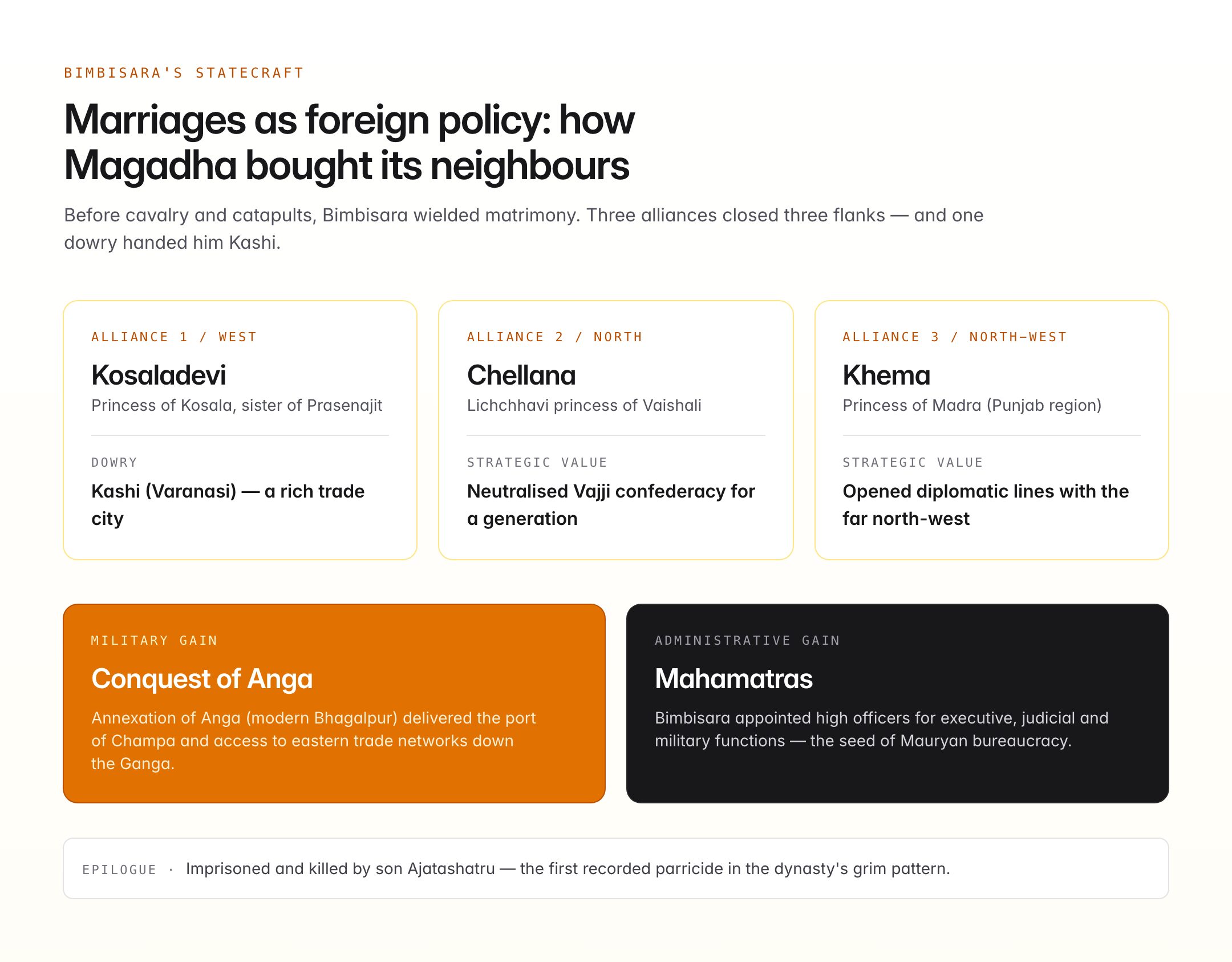
The later Haryankas are known less for conquests than for a grim pattern of parricide that the Puranas explicitly note.
| Ruler | Approx. Dates (BCE) | Key Contribution |
|---|---|---|
| Bimbisara | 544-492 | Founded Magadhan imperialism; alliances with Kosala, Vaishali |
| Ajatashatru | 492-460 | Conquered Vajji; fortified Pataligrama; hosted 1st Buddhist Council |
| Udayin | 460-444 | Shifted capital from Rajgir to Pataliputra |
| Anuruddha, Munda, Nagadasaka | 444-412 | Weak successors; dynasty ended by a ministerial revolt |
Udayin (also Udayabhadra) is credited with founding the city of Pataliputra at the confluence of the Ganga and Son, replacing Rajgir as the Magadhan capital. This relocation gave the state direct control over riverine trade routes and remained the imperial capital through the Nandas, Mauryas and Guptas.
The last Haryanka, Nagadasaka, was reportedly deposed around 412 BCE by his minister Shishunaga, founder of the Shishunaga dynasty, ending Haryanka rule.
Religion, Society and Economy
The Haryanka period coincides with what is often called the Second Urbanisation of the Ganga valley. Several processes overlap:
- Rise of heterodox sects – Buddhism and Jainism grew within Magadhan territory, partly because of urban patronage and the dynasty's neutral-to-supportive stance.
- Iron-based agriculture – heavy ploughs, paddy transplantation and iron tools raised surplus, feeding standing armies and cities.
- Coinage and trade – punch-marked silver coins circulated; Anga's port of Champa linked Magadha to eastern networks.
- Standing army – Ajatashatru's use of siege weapons points to a professional military rather than tribal levies.
Administratively, the Haryankas followed a pattern of centralised kingship with mahamatras and village-level assemblies (gramini and gramabhojaka heads), a template later perfected by the Mauryas.
Significance of the Dynasty
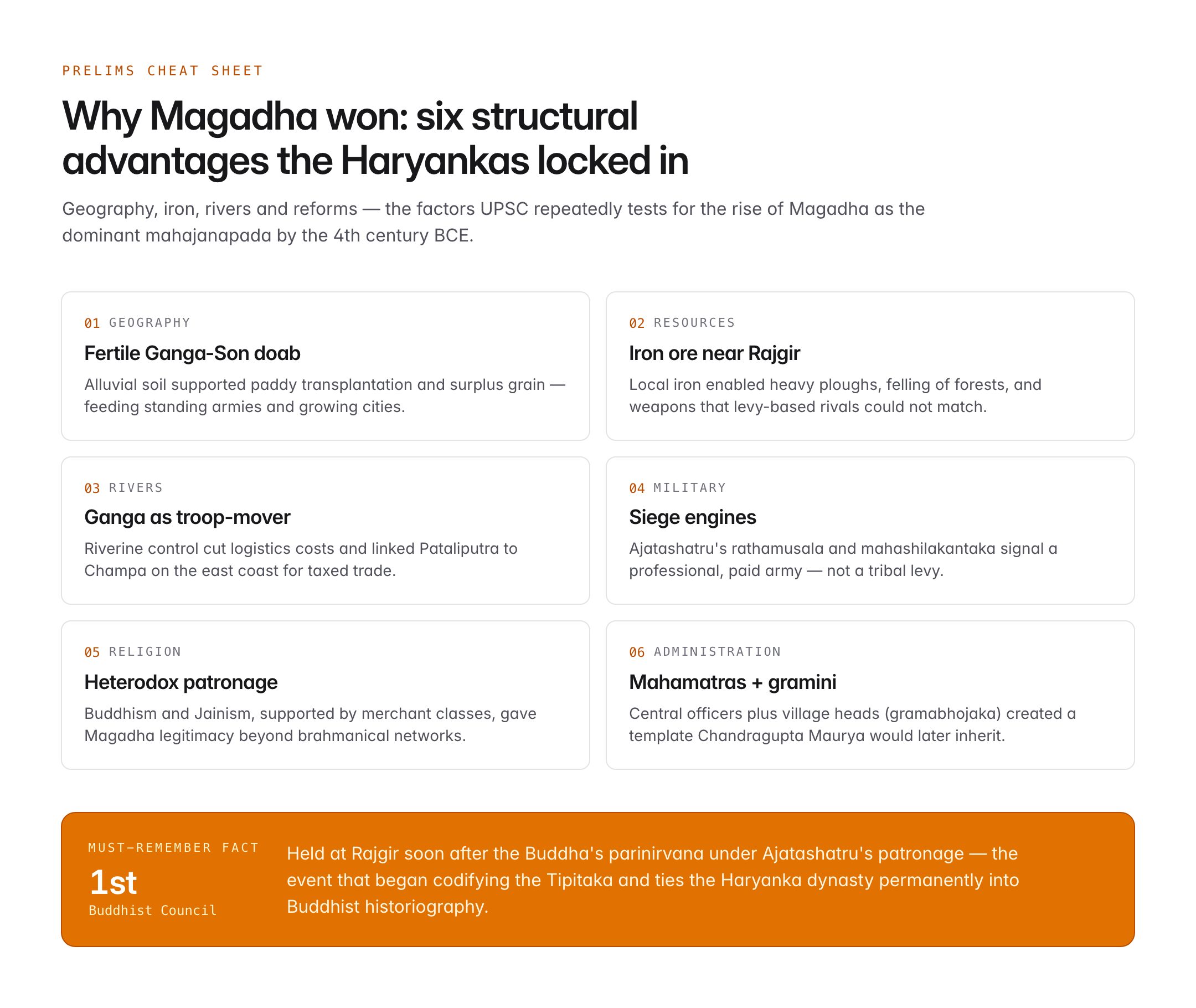
The Haryanka dynasty matters for several reasons that often appear in UPSC questions:
- Foundation of Magadhan supremacy – the structural base for Nanda and Mauryan empires.
- Pataliputra – a single urban shift (under Udayin) shaped Indian political geography for nearly a thousand years.
- Religious history – direct contemporaneity with Buddha and Mahavira; the First Buddhist Council at Rajgir.
- Military innovation – documented use of specialised war machines against Vaishali.
- Diplomatic template – matrimonial alliances with Kosala, Vaishali and Madra as tools of statecraft.
Comparative chronology helps place the dynasty:
| Dynasty | Dates (approx.) | Capital |
|---|---|---|
| Haryanka | 544-412 BCE | Rajgir → Pataliputra |
| Shishunaga | 412-344 BCE | Pataliputra, briefly Vaishali |
| Nanda | 344-322 BCE | Pataliputra |
| Maurya | 322-185 BCE | Pataliputra |
UPSC Relevance
Prelims focus
- Sequence of Magadhan dynasties: Haryanka → Shishunaga → Nanda → Maurya.
- Founder (Bimbisara), empire-builder (Ajatashatru), capital-shifter (Udayin).
- Wars: Magadha-Kosala, Magadha-Vajji; weapons rathamusala and mahashilakantaka.
- Venue and patron of the First Buddhist Council – Rajgir, under Ajatashatru.
- Matrimonial alliances of Bimbisara.
Mains GS-I angle
Questions on the rise of Magadha, factors behind territorial states and Second Urbanisation, and the political economy of the Ganga valley routinely require Haryanka context. Points to weave in: geographical advantages of Magadha, iron and agrarian surplus, coinage, and the role of heterodox religions in a mercantile urban setting.
Sample PYQ angle – "Assess the factors that enabled Magadha to emerge as the most powerful mahajanapada by the 4th century BCE." A strong answer begins with Haryanka groundwork (Bimbisara's alliances, Ajatashatru's conquests, Udayin's Pataliputra) before moving to the Nandas and Mauryas.
For aspirants, the Haryanka dynasty is less a set of names to memorise and more a case study in how geography, diplomacy and military reform combine to produce an empire.
Tell Google you want more of this.
Add Anantam IAS as a preferred sourceOne tap, and this site shows up more often in your own Top Stories, AI Overviews and AI Mode. Remove it any time.