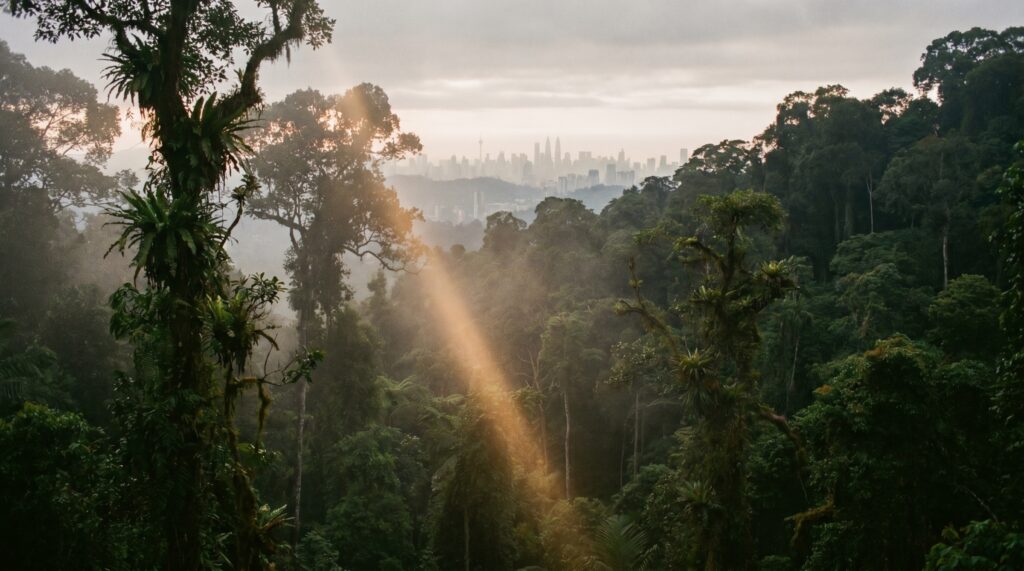
National park सोचते ही distance का picture आता है: city से लंबी drive, आखिरी town के आगे forest gate और जहां लोग खत्म होते हैं वहां wilderness शुरू। Sanjay Gandhi National Park यह picture पूरी तरह तोड़ता है। यह Mumbai के अंदर है, Earth की densest urban populations में से एक से लगभग हर तरफ घिरा हुआ। High-rises boundary wall से सटे हैं और करीब 20 million लोगों के साथ wild leopards वही postal codes share करते हैं। आप local train platform पर हो सकते हैं और कुछ kilometres दूर leopard shade में सो रहा हो सकता है।
Forest और megacity का यह collision ही park को “national parks of India” list में एक tick से बहुत ज्यादा बनाता है। यह सांस लेने के लिए संघर्ष करती city का green lung है, lakes को feed करने वाला water catchment है, city से older Buddhist caves वाला archaeological site है और modern conservation के hardest question की live laboratory है: क्या बड़े wild animals और huge human population same ground share कर सकते हैं? Sanjay Gandhi National Park India का real-time answer है।
Megacity के अंदर national park और यह rare क्यों है
Sanjay Gandhi National Park दुनिया के उन बहुत कम national parks में है जो major city की limits के अंदर हैं। Northern Mumbai के Borivali के आसपास इसका area करीब 104 square kilometres है। ज्यादातर protected forests settlement से जानबूझकर अलग रखे जाते हैं। यह settlement के अंदर embedded है और इसी वजह से India के parks की किसी भी list में standing exception है।
इसे हमेशा यह नाम नहीं मिला था। Park लंबे समय तक Borivali National Park कहलाता रहा। उससे पहले इसका oldest core mid-twentieth century में Krishnagiri National Park के रूप में अलग किया गया था। Politician के नाम पर इसका नाम Sanjay Gandhi National Park हुआ और decades में boundary बढ़कर आज का forested block बनी। Older references का “Borivali” और current maps का “Sanjay Gandhi” एक ही जगह है, दो names के साथ।
Park की real distinction उसके आसपास की चीज है। Boundary dense residential Mumbai, Aarey milk colony, film city और expanding infrastructure से सीधे लगती है। Edges पर pressure लगातार है। करीब two million visitors per year भी आते हैं, जिससे यह Asia के most visited national parks में है। national parks of India revise करते समय इसे another entry मत रखिए। यह outlier है, वह forest जिसके चारों ओर metro city बढ़ी, उससे दूर नहीं गई।
| विशेषता | विवरण |
|---|---|
| Location | Northern Mumbai (Borivali), Maharashtra |
| Former name | Borivali National Park (core कभी Krishnagiri National Park कहलाता था) |
| Area | करीब 104 sq km |
| Distinction | Major city की limits के अंदर national park |
| Flagship animal | Indian leopard, कहीं भी दर्ज high densities में से एक |
| Other mammals | Chital, sambar, barking deer, wild boar, macaque, langur, palm civet |
| Birds | करीब 250 species recorded |
| Inside the park | Kanheri Caves, 109 Buddhist rock-cut caves |
| Water bodies | Tulsi Lake और Vihar Lake, Mumbai की early water supply का हिस्सा |
| Rivers rising here | Dahisar, Mithi, Poisar, Oshiwara |
| Managed by | Maharashtra Forest Department; caves ASI द्वारा protected |
Mumbai का green lung और water tower
Sanjay Gandhi National Park Mumbai के लिए जो सबसे practical काम करता है, उसका tourism से कोई संबंध नहीं। यह city का green lung और water catchment है और इसके बिना city measurable रूप से बदतर होती। Dense tropical forest carbon dioxide absorb करता है, dust और pollutants filter करता है, आसपास की air cool करता है और monsoon runoff को soften करता है। वरना यह concrete से सीधे flooded streets में sheet हो जाता। Traffic और construction dust से choking coastal megacity के लिए 104-square-kilometre standing forest luxury नहीं, infrastructure है।
Water story पुरानी और sharper है। Park में Tulsi Lake और Vihar Lake हैं, Mumbai के earliest engineered water sources में से दो। Vihar Lake 1860s में city का first piped-water reservoir बनी थी। आज यह city के bulk को supply नहीं करती, लेकिन share अब भी feed करती है। आसपास का forested catchment water को clean और flowing रखता है। Trees बचाइए तो reservoir बचता है; trees साफ कीजिए तो lakes silt और shrink होती हैं।
Water को आगे follow करें तो park की reach city में फैलती है। Mumbai की कई rivers, Dahisar, Poisar, Oshiwara और चर्चित Mithi, इस forest की high ground और overflow से draw करती हैं। 2005 की catastrophic flood में Mumbai को devastate करने वाली Mithi इन upstream catchments की health से जुड़ी है। Forest से river और river से flood की यह link दिखाती है कि urban forest wildlife नहीं, flood-defence question भी है। इसे Western Ghats biodiversity hotspot और northern spurs की ecological services के साथ पढ़िए।
Mumbai के leopards और वे खाते क्या हैं
Sanjay Gandhi National Park की headline fact यह है कि यहां दुनिया में कहीं भी दर्ज leopards की highest densities में से एक है। Recent censuses ने करीब 40 से 50 Indian leopards गिने हैं, उस forest ring में जिसके आसपास 20 million लोग रहते हैं। किसी दूसरे place पर big cats और human megacity इस scale पर overlap नहीं करते। यहां leopard suburb के fringe में रात गुजार सकता है और apartment block से कुछ hundred metres दूर day sleep कर सकता है।
Instinctive assumption यह है कि इसका मतलब constant attacks होंगे। Science fear को यहीं correct करती है। Park के leopards पर researchers, खासकर biologist Vidya Athreya और Wildlife Conservation Society से जुड़ी work, ने पाया कि cats मुख्यतः stray dogs और कम मात्रा में domestic cats, rodents तथा pigs पर survive करती हैं, people पर नहीं। कुछ analyses में domestic dogs diet का largest share थे। इससे animal की पूरी reading बदलती है। Odd तरीके से leopards public-health service कर रहे हैं, rabies carry करने वाले feral-dog population को कम करके।
Conflict real है और pretend करना dishonest होगा। Park से लगते suburbs में humans पर leopard attacks हुए हैं, अक्सर उन years और places में जहां waste, livestock और encroachment cats को open में खींचते हैं। Forest Department warnings, rescues और occasional relocations वाला anxious interface manage करता है। SGNP का lesson है कि leopard relocate करने से matters worse हो सकते हैं, क्योंकि displaced cat unfamiliar ground में panic करती है। Waste management, awareness और animal को alone छोड़कर coexistence removal से safer साबित हुई है। यही finding India की human-wildlife conflict policy को inform करती है।
Urban forest में packed biodiversity
City से घिरे forest के लिए Sanjay Gandhi National Park में life का remarkable spread है: करीब 1,300 plant species, 250 से ज्यादा bird species, लगभग 40 mammal species, करीब 150 butterfly species और dozens of reptiles तथा amphibians। यह richness केवल size का accident नहीं। Park Western Ghats system के northern reaches में है, दुनिया के eight recognised biodiversity hotspots में से एक, और metropolis के भीतर उस ancient forest का fragment बचा है।
Leopard के नीचे food web इतना intact है कि function कर सके। Cats को chital (spotted deer), sambar, barking deer और wild boar जैसे prey मिलते हैं, साथ में rhesus और bonnet macaques, langurs, palm civets, mouse deer और porcupines। Birdlife raptors और paradise flycatchers से kingfishers तथा hornbills तक जाती है। Monsoon amphibians और butterfly season लाता है। Apex predator और उसका full prey base पकड़ने वाला forest, definition से working ecosystem है, केवल park नहीं।
Threats वही हैं जो city के बीच green island face करता है: boundaries पर encroachment, settlements से आता plastic और solid waste, park काटती routes पर roadkill, dry months में forest fires और आसपास की land का slow fragmentation जो park को बाकी green patches से काटता है। Space expand नहीं कर सकती और हर threat edges को chip करता है। Wildlife (Protection) Act, 1972 legal armour देता है। National-park status activity को कैसे restrict करता है, इसे Wildlife Protection Act और schedules notes के साथ पढ़िए।
Kanheri Caves: woods के अंदर Buddhist monastery
Park के अंदर basalt hillside में Kanheri Caves हैं, living rock से carved लगभग 109 rock-cut Buddhist caves का complex। ये लगभग 1st century BCE से 10th century CE के बीच बनाए गए। sheer number के हिसाब से India के largest single groups में हैं और modern city से करीब 2,000 years पुराने हैं। Kanheri नाम *Krishnagiri*, यानी “black mountain”, से आया है, उस dark basalt के कारण जिसे monks ने काटा।
Kanheri empty grottoes नहीं, working Buddhist monastic university और pilgrimage centre था। Caves में *viharas* यानी monks के living quarters और study cells, *chaityas* यानी prayer halls, stone benches, rainwater harvest करने वाले cisterns और fund करने वाले merchants तथा patrons के inscriptions हैं। Cave 3 का great chaitya hall stupa और entrance के दोनों ओर खड़ी Buddha figures रखता है। यह early Indian Buddhism के classic apsidal pillared prayer hall को एक room में दिखाता है। Site Konkan coast के ports को interior से जोड़ने वाली trade routes पर था। इसी से remote hill monastery thousand years तक carve करने लायक rich बनी।
Caves दो syllabi में एक साथ काम करती हैं और यही exam value है। Architecture में वे Ajanta, Ellora और Karla के साथ Buddhist rock-cut architecture की story में आती हैं। Heritage में वे Archaeological Survey of India से protected हैं और official listing ASI site पर है। एक ही boundary wall के भीतर park आपको national park, ecosystem और millennium-spanning monument देता है। India में few sites एक patch of ground पर इतने themes stack करते हैं।
Sanjay Gandhi National Park urban biodiversity का case study क्यों है
Park conservation debates में इसलिए लौटता है क्योंकि यह coming century के central question को one frame में रख देता है: क्या wildlife और dense human population सच में same space share कर सकते हैं? India के protected areas आम तौर पर forest और settlement के बीच hard line खींचकर answer देते हैं। Sanjay Gandhi National Park अलग नहीं कर सकता, city wall तक आ चुकी है। इसलिए coexistence को work करना होगा या 20 million witnesses के सामने visibly fail होना होगा।
Evidence cautiously encouraging है और leopard proof है। Megacity के edge पर large carnivore survive और thrive कर रहा है, city के stray animals खाकर और mostly people से बचकर, जब तक people उसे corner न करें। इससे big cats और cities incompatible वाली assumption टूटती है। Maharashtra Forest Department और researchers ने conflict approach में waste control तथा public awareness को reflexive capture से ऊपर रखा है। Department का work Maharashtra Forest Department portal पर है।
Unfinished part भी साफ बताइए। SGNP में coexistence तभी hold करती है जब pressures managed रहें: leopard को fringe तक खींचने वाला waste contain हो, encroachment रुके, other green patches तक corridors टूटें नहीं और “unused” forest को road, depot या colony के लिए shave off करने की temptation resist हो। Park urban biodiversity का working model है लेकिन continuous strain में। Lesson coexistence easy होना नहीं। Lesson यह है कि coexistence possible है और harder discipline leopards की नहीं, लोगों की है।
Sanjay Gandhi National Park को कैसे पढ़ें
इस park को four assets पर बनाइए: city-forest, leopards, caves और water। SGNP पर worthwhile लगभग हर question इन चार में से किसी एक का variation है।
Defining tag से शुरू करें: metropolis के अंदर national park, northern Mumbai में करीब 104 sq km, formerly Borivali National Park। यह sentence “इसमें unusual क्या है” का answer पहले दे देता है। फिर leopards लगाइए, Earth की highest densities में से एक, mainly stray dogs पर survive करते हुए। यह coexistence story है, horror story नहीं।
Art-and-culture angle के लिए Kanheri Caves, लगभग 109 Buddhist rock-cut caves, करीब 1st century BCE से, ASI protected, जोड़िए। Ecological-services angle के लिए water, Tulsi और Vihar lakes तथा यहां उठने वाली rivers, जोड़िए। Four assets, four clusters और unrelated facts का jumble एक clean case study बन जाता है: city जिस forest के बिना नहीं रह सकती और wildlife जिसने उसी के अंदर रहना सीख लिया।
सामान्य प्रश्न
Sanjay Gandhi National Park कहां है?
यह Maharashtra में northern Mumbai के Borivali के आसपास है। यह city limits के अंदर है और major metropolis में स्थित दुनिया के few national parks में से एक है।
Sanjay Gandhi National Park का पुराना नाम क्या था?
इसे Borivali National Park कहा जाता था और oldest core कभी Krishnagiri National Park कहलाता था। बाद में इसका नाम Sanjay Gandhi National Park हुआ।
Sanjay Gandhi National Park leopards के लिए famous क्यों है?
क्योंकि यहां anywhere recorded highest leopard densities में से एक है। करीब 40 से 50 Indian leopards लगभग 20 million लोगों के पास रहते हैं और studies के अनुसार mainly stray dogs खाते हैं।
Kanheri Caves क्या हैं?
Park के अंदर करीब 109 Buddhist rock-cut caves का group, जो लगभग 1st century BCE से 10th century CE तक carved हुआ। यह Buddhist monastery और pilgrimage centre था और ASI इसकी protection करती है।
Park Mumbai को water supply कैसे देता है?
Tulsi Lake और Vihar Lake park के अंदर हैं और Mumbai के earliest water sources में थीं। Vihar 1860s में बनी। Forested catchment water clean रखता है और Dahisar तथा Mithi जैसी rivers park से उठती हैं।
क्या Sanjay Gandhi National Park Western Ghats का हिस्सा है?
यह Western Ghats system के northern reaches में है, जो world biodiversity hotspots में से एक है। Park city के अंदर उस forest का fragment बचाता है, इसलिए species richness इतनी high है।
Park urban biodiversity का case study क्यों है?
क्योंकि यहां wildlife और dense human population को अलग करने के बजाय same space share करना पड़ता है। City edge पर leopards का survival दिखाता है कि waste और encroachment managed हों तो coexistence possible है।
Park के main threats क्या हैं?
Boundary encroachment, solid और plastic waste, roadkill, dry-season fires और green corridors का fragmentation। इसकी legal protection Wildlife (Protection) Act, 1972 से आती है।
अभ्यास प्रश्न
1. Sanjay Gandhi National Park किस बात के लिए best known है:
a) India का largest national park
b) Major city के अंदर स्थित national park
c) High-altitude cold desert park
d) Marine national park
उत्तर: b
2. Sanjay Gandhi National Park का former name था:
a) केवल Krishnagiri Wildlife Sanctuary
b) Borivali National Park
c) Tulsi National Park
d) Aarey National Park
उत्तर: b
3. Park के अंदर Kanheri Caves किससे जुड़ी हैं:
a) Jainism
b) Buddhism
c) Shaivism
d) Vaishnavism
उत्तर: b
4. Sanjay Gandhi National Park की flagship species कौन-सी है, जिसकी यहां density बहुत high है?
a) Tiger
b) Asiatic lion
c) Leopard
d) One-horned rhinoceros
उत्तर: c
5. Park की कौन-सी two lakes Mumbai की early water supply का हिस्सा थीं?
a) Powai और Pawna
b) Tulsi और Vihar
c) Upvan और Masunda
d) Salim Ali और Renuka
उत्तर: b
मुख्य परीक्षा प्रश्न
1. “Sanjay Gandhi National Park city से अलग रखी wilderness से ज्यादा city में embedded infrastructure है।” Mumbai के लिए green lung और water catchment के रूप में इसकी role पर चर्चा कीजिए। 2. Human-wildlife coexistence के model के रूप में park की leopard population की जांच कीजिए और conflict management के लिए इसकी सीख का assessment कीजिए। 3. Urban forest में Kanheri Caves की मौजूदगी के महत्व का analysis कीजिए और Buddhist rock-cut architecture तथा heritage conservation से link कीजिए। 4. Dense settlements, roads और infrastructure के बीच protected area की मुख्य conservation challenges का examination कीजिए। 5. “Urban biodiversity की असली परीक्षा separation नहीं, managed coexistence है।” SGNP को case study बनाकर critically evaluate कीजिए।
यह park आपकी preparation में इसलिए जगह कमाता है क्योंकि यह textbook categories को एक साथ तोड़ता है। यह national park है लेकिन city के अंदर; wildlife reserve है लेकिन leopards stray dogs पर survive करते हैं; water catchment है लेकिन concrete flood को रोकना इसका unseen काम है; archaeological site है लेकिन museum नहीं, live forest में monastery है। चार assets याद रखिए, 104 sq km और 40-50 leopards जैसे anchors पकड़िए और lesson साफ रखिए: India में urban biodiversity कोई future idea नहीं, Mumbai में अभी चल रही चीज है।