Disclosure: this guide contains Amazon affiliate links. As an Amazon Associate, Anantam IAS earns from qualifying purchases — at no extra cost to you.
Anthropology धीरे-धीरे वह optional बन गया है जिसकी ओर humanities background न रखने वाले graduates तब देखते हैं जब उन्हें compact, scoring और सीखने की वास्तविक मात्रा के बारे में ईमानदार subject चाहिए। Syllabus छोटा और static है। Concept समझ में आ जाए, तो diagrams खुद बन जाते हैं। Doctor, engineer या science graduate भी यह महसूस किए बिना शुरू कर सकता है कि literature degree वाले लोग पहले पहुँच चुके हैं। यह shortcut नहीं है और जो इसे shortcut बताता है, वह आपसे झूठ बोल रहा है। लेकिन अगर आपको structure पसंद है, labelled figure बनाकर point समझाना अच्छा लगता है और ऐसा optional चाहते हैं जिसका syllabus एक बार पढ़ने के बाद बढ़ता न रहे, तो Anthropology को serious look दीजिए। ये हमारे अपने topic-wise study material हैं, जिन्हें आपकी reading के साथ चलने के लिए बनाया गया है, उसे replace करने के लिए नहीं।
Anthropology Optional Notes डाउनलोड करें (Free PDF)
ये हमारे अपने topic-wise Anthropology notes हैं, जो official UPSC syllabus से unit by unit mapped हैं और revision के लिए लिखे गए हैं, marketing के लिए नहीं। हर unit में named thinkers, fossils और debates comparison tables तथा key terms के साथ दिए गए हैं। Free download, no sign-up और no watermark।
एक बार में एक unit पढ़ना पसंद है? नीचे हर unit का अलग PDF दिया गया है।
| Unit | Notes |
|---|---|
| Paper 1 — Anthropology के fundamentals | |
| Meaning, Scope, Development and Branches | Download PDF |
| Human Evolution and Primates | Download PDF |
| Fossil Hominids | Download PDF |
| Biological Basis and Mendelian Genetics | Download PDF |
| Marriage, Family and Kinship | Download PDF |
| Economic and Political Organization | Download PDF |
| Religion | Download PDF |
| Anthropological Theories | Download PDF |
| Culture, Language and Research Methods | Download PDF |
| Human Genetics, Race and Human Variation | Download PDF |
| Paper 2 — Indian Anthropology | |
| Evolution of Indian Culture; Palaeo-anthropology | Download PDF |
| Ethnic, Linguistic and Demographic Structure | Download PDF |
| Caste, Tribe and the Sacred Complex | Download PDF |
| Anthropology in India; the Indian Village | Download PDF |
| Tribal Situation and Problems | Download PDF |
| Tribal Development: Safeguards and Policies | Download PDF |
| Social Change and Contemporary Issues | Download PDF |
Anthropology Optional एक नज़र में
UPSC optional के रूप में Anthropology के two papers हैं। हर paper 250 marks का है, यानी Mains total में दोनों मिलाकर 500 marks। Paper 1 fundamentals पर है: humans का biological या physical study, social और cultural anthropology, archaeological anthropology और छोटा linguistic component। Paper 2 इसी lens को India पर लगाता है। इसमें Indian anthropology और सबसे बढ़कर tribal India, उसकी social structures, problems और उससे जुड़ी policies आती हैं। यह split important है, क्योंकि दोनों papers अलग muscles को reward करते हैं। Paper 1 conceptual और comparative है, जहाँ clean definition और diagram marks दिलाते हैं। Paper 2 applied और Indian है, इसलिए General Studies में पढ़ी चीज़ों के करीब लगता है।
Aspirants Anthropology को scoring कहते हैं, तो इसका कारण magic नहीं, structure है। Syllabus finite है और news cycle के पीछे नहीं भागता। एक बार cover करने के बाद revision सचमुच revision रहता है, fresh reading नहीं। Answers named concepts, thinkers और figures पर टिकते हैं। आप precise हों, तो examiner के लिए उन्हें reward करना आसान होता है। Syllabus का एक बड़ा हिस्सा GS से भी overlap करता है: human evolution और prehistory Art and Culture से जुड़ते हैं, tribal issues और social change GS Paper 1 की Indian Society में आते हैं और human-centred cases GS Paper 4 की Ethics में काम आते हैं। आप किसी silo में नहीं पढ़ रहे होते।
| Paper 1: Fundamentals | Paper 2: Indian Anthropology और Tribal India |
|---|---|
| Physical और biological anthropology: human evolution, genetics, race, human growth और adaptation | Indian society की structure: caste, tribe, village और Indian anthropology का development |
| Social और cultural anthropology: kinship, marriage, family, religion, economic और political organisation | Tribal India: distribution, land, forest, indebtedness, health और displacement की problems |
| Archaeological anthropology: prehistoric cultures, dating methods, Palaeolithic से Neolithic तक | Tribal policy: constitutional safeguards, Fifth और Sixth Schedules, PESA और development debates |
| Anthropological theories और linguistic component: schools of thought, language और culture | Contemporary issues: ethnicity, regionalism, social change और planning में anthropology की भूमिका |
Anthropology को Optional क्यों चुनें
यहाँ honest case और honest caution, दोनों हैं। Anthropology चुनने का strongest reason यह है कि syllabus compact और static है। यह साल-दर-साल नहीं फूलता, इसलिए आपकी मेहनत confidence में जुड़ती है, लगातार लंबी होती reading list में dissolve नहीं होती। दूसरा reason diagrams हैं। Kinship chart, stone tool typology या human evolutionary tree की अच्छी figure answer में वास्तविक काम करती है और prose पर pressure कम करती है। तीसरा reason GS overlap है, खासकर society, tribal affairs और prehistory में। Optional की तैयारी quietly General Studies को भी मजबूत करती है। चौथा और practical reason competition है। PSIR या Sociology से कम crowded field होने के कारण strong performance भीड़ में घुलने के बजाय अलग दिखाई दे सकती है।
अब cost देखिए। Paper 1 का biological और genetics portion वह जगह है जहाँ non-science students को जमीन खिसकती महसूस होती है: Mendelian ratios, blood-group genetics, human evolutionary anatomy और physical anthropology की vocabulary first-year science course जैसी लग सकती है। यह learnable है और हजारों arts graduates ने इसे सीखा है, लेकिन इसके लिए deliberate time देना पड़ता है। लोग इसी हिस्से को underestimate करते हैं। दूसरी real cost ecosystem है। बड़े optionals की तुलना में teachers, test series और standard material कम मिलते हैं। इसलिए अपनी reading और organised notes पर ज़्यादा depend करना होगा। साफ़ stance यह है: Anthropology उस self-reliant, structured aspirant को reward करती है जो biological unit के साथ बैठने को तैयार हो, उसे wish away नहीं करता। अगर आप ऐसे हैं, तो compactness कई वर्षों तक return देती है।
एक honesty note, क्योंकि इससे आपको यहाँ की हर चीज़ पढ़ने का तरीका तय होना चाहिए। Anantam IAS PSIR और General Studies पढ़ाता है। हम Anthropology batch नहीं चलाते। इन pages के पीछे कोई cohort, topper testimonial या classroom recording नहीं है। यह हमारा अपना topic-wise study material है, वैसा जैसा हम खुद किसी subject को समझाते हुए पढ़ना चाहेंगे। इसे अपनी books के serious companion की तरह इस्तेमाल करें और यह देखकर judge करें कि यह syllabus को कितना clear बनाता है।
ये Notes कैसे organised हैं
Notes topic-wise हैं और official UPSC syllabus से unit by unit mapped हैं। इसलिए हर note syllabus की किसी specific line का जवाब देता है, इधर-उधर नहीं भटकता। हर topic में तीन चीज़ें हैं: plain language में concept, सही terms के साथ; जहाँ material naturally contrasts में बँटता है वहाँ comparison table या key-terms list; और previous-year questions, जो बताते हैं कि topic वास्तव में कैसे पूछा गया है। यह आख़िरी हिस्सा depth के बारे में ईमानदार रखता है। Fifteen-marker के रूप में पूछे गए topic को short note वाले topic की तरह नहीं पढ़ा जा सकता।
इन्हें two passes में इस्तेमाल करें। First reading में unit को धीरे पढ़ें और main book के साथ note खुला रखें। Note concept को frame करे, book detail और examples दे। Diagram पहली बार खुद draw करें, केवल देखकर न छोड़ें। एक बार reproduce की गई figure exam pressure में भी reproduce की जा सकती है। Revision में order उलट दें। पहले note को fast recall check की तरह पढ़ें और जहाँ gap मिले वहीं book खोलें। Comparison tables इसी काम के लिए बनी हैं। Memory से reconstruct की जा सकने वाली table बताती है कि topic सच में retain हुआ है। दोनों papers की sequencing की wider strategy के लिए हमारा anthropology optional guide पूरा preparation arc रखता है।
Anthropology Optional के लिए Best Books
Anthropology में book advice एक predictable तरीके से बिगड़ती है: लोग ten titles collect करते हैं और कोई पूरा नहीं करते। आपको छोटा, deliberate core चाहिए। हर book को cover to cover पढ़ने के बजाय उसके strong portion के लिए पढ़िए। Stance यह है: हर portion के लिए one clear primary pick, और उसके पीछे कारण।
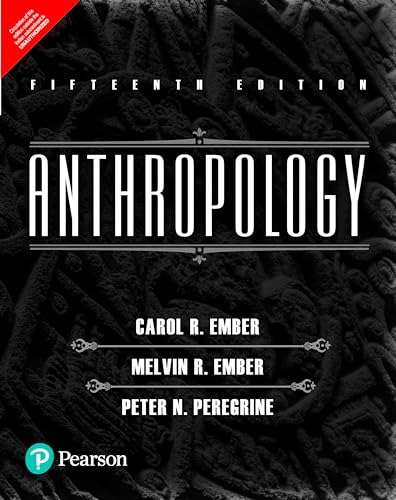
Anthropology — Ember, Ember & Peregrine (15th Edition)
- 656 pages, Anthropology optional के लिए core text
- Physical और socio-cultural anthropology एक volume में
- Paper 1 के theory questions के लिए standard framing
Paper 1 fundamentals के लिए primary book Ember and Ember, Anthropology है। यह standard entry text है, क्योंकि social और cultural concepts, kinship, religion तथा economic और political organisation को साफ़, teachable language में समझाती है। यह मानकर नहीं चलती कि आप subject background लेकर आए हैं। इसे front to back नहीं, syllabus के साथ topic by topic पढ़ें। Paper 2 के Indian और tribal material के लिए primary book Nadeem Hasnain, Indian Anthropology है। Tribal units के लिए उनकी Tribal India companion book है। Hasnain का material इसी audience के लिए लिखा गया है और Paper 2 के pattern से closely map होता है। इसलिए यह add-on नहीं, anchor है।
Biological और physical portion में improvisation मत कीजिए। Human evolution, genetics और human variation के लिए Physical Anthropology by P. Nath को primary text रखें। यह science को उस level पर रखती है जिस level पर exam पूछता है और non-science readers के लिए vocabulary manageable रखती है। Core के आगे Makhan Jha, An Introduction to Social Anthropology और wider social-cultural units के लिए P. Nath को supporting reads मानें। जब primary book का topic thin लगे, तभी इन तक जाएँ। इन्हें parallel first sources मत बनाइए। Fast version table में है।
| Portion | Recommended book | Note |
|---|---|---|
| Fundamentals, social and cultural (Paper 1) | Ember and Ember, Anthropology | Primary. Clean, beginner-safe concept text. Topic-wise पढ़ें, cover to cover नहीं। |
| Indian and tribal anthropology (Paper 2) | Nadeem Hasnain, Indian Anthropology और Tribal India | Paper 2 का primary anchor। Paper के pattern से closely map होती है। |
| Biological and physical anthropology (Paper 1) | Physical Anthropology by P. Nath | Science units के लिए primary। Exam level पर है और non-science readers के लिए gentle है। |
| Wider social anthropology, supporting depth | Makhan Jha; P. Nath | Support only। Primary book के gaps भरने के लिए, parallel first reads के रूप में नहीं। |
Anthropology और GS Overlap
Anthropology को efficient बनाने वाली बात यह है कि यह अपने lane में बंद नहीं रहती। General Studies से overlap real है और इसे नाम देना ज़रूरी है, क्योंकि इससे optional hours का return बदल जाता है। GS Paper 1, Indian Society में caste, tribe, kinship और social change की anthropology लगभग वही है जो syllabus पूछता है। इसलिए Paper 2 की तैयारी society preparation भी बन जाती है और उलटा भी। Tribal issues खास तौर पर exact junction पर हैं: land alienation, forest rights, displacement और Constitution के Fifth और Sixth Schedules के safeguards, optional और GS दोनों में काम आते हैं।
Overlap Art and Culture तक भी जाता है। Prehistory, human evolution और Palaeolithic से Neolithic transition आपको deep past की grounded understanding देते हैं, जिसे अधिकांश aspirants केवल याद करते हैं। GS Paper 4, Ethics में anthropology के human-centred cases काम आते हैं: tribal communities की dignity, development और displacement की tension तथा लोगों का study और representation करने की ethics। इससे case studies के लिए real material मिलता है, abstract platitudes नहीं। यह dedicated GS work को replace नहीं करता, लेकिन आपके कम hours single-purpose नहीं रहते। दो साल में यह meaningful edge है।
सामान्य प्रश्न
क्या Anthropology scoring optional है?
हो सकती है और इसका कारण luck नहीं, structure है। Syllabus compact और static है, answers named concepts तथा clean diagrams को reward करते हैं और precision examiner के लिए mark करना आसान है। Anthropology marks की guarantee नहीं देती, लेकिन moving target हटा देती है। Syllabus cover करने के बाद आप refine और revise करते हैं, नया material chase नहीं करते। जो aspirants precise रहते हैं और अच्छे diagrams बनाते हैं, वे इस structure को consistent scores में बदल पाते हैं।
क्या Anthropology non-science students के लिए अच्छी है?
हाँ, एक honest condition के साथ। Syllabus का social, cultural, Indian और tribal हिस्सा science background के बिना पढ़ा जा सकता है। Arts graduates जिस हिस्से में अटकते हैं, वह Paper 1 का biological और genetics portion है। इसमें human evolution, Mendelian genetics और physical variation scratch से सीखनी होती है। यह पूरी तरह learnable है। Physical Anthropology by P. Nath जैसी अच्छी primary book इसे manageable बनाती है, लेकिन इसे अपने-आप हो जाने वाला मत मानिए। पहले से time plan करें।
Anthropology syllabus पूरा करने में कितना समय लगता है?
Committed aspirant focused study के करीब four to five months में पूरा syllabus cover कर सकता है। इसके बाद repeated revision और answer-writing पर जाना चाहिए। Compactness का point यही है। Syllabus लगातार बढ़ता नहीं, इसलिए बाद में fresh reading पर बचा time practice और polishing में जाता है। GS के साथ पढ़ रहे हों और biological portion बिल्कुल नया हो, तो first pass के लिए इस range का longer end रखिए।
Anthropology optional की best books कौन-सी हैं?
Core छोटा रखें। Paper 1 fundamentals के लिए Ember and Ember, Anthropology; Paper 2 के लिए Nadeem Hasnain, Indian Anthropology और उनकी Tribal India; biological units के लिए Physical Anthropology by P. Nath। Wider social anthropology में Makhan Jha और P. Nath supporting reads हैं। हर book को उसके strong portion के लिए topic by topic पढ़ें, हर book को cover to cover खत्म करने की कोशिश न करें।
क्या Anthropology self-study से की जा सकती है?
यह self-study-friendly optionals में से एक है, क्योंकि syllabus finite है और standard books clear हैं। यहाँ self-study के लिए organisation चाहिए: syllabus से mapped topic-wise notes, खुद बनाए diagrams और previous-year questions के आधार पर disciplined answer-writing। Teaching ecosystem छोटा है, इसलिए अपनी structure को ज़्यादा weight देना होगा। अगर आप systematic हैं, तो self-study का control पाने के लिए यह manageable price है।
Paper 1 या Paper 2 में कौन कठिन है?
दोनों अलग तरह से कठिन हैं। Biological और archaeological units की वजह से Paper 1 conceptually heavier है और non-science students इसमें extra effort लगाते हैं। Paper 2 में नई science कम है, लेकिन tribal India, policy और social change की current तथा applied understanding चाहिए। इसलिए यह one-time reading के बजाय regular updating को reward करता है। Most aspirants के लिए Paper 1 शुरू करना कठिन और Paper 2 को fresh रखना कठिन होता है। Time budget दोनों problems को देखकर बनाइए।