
Introduction
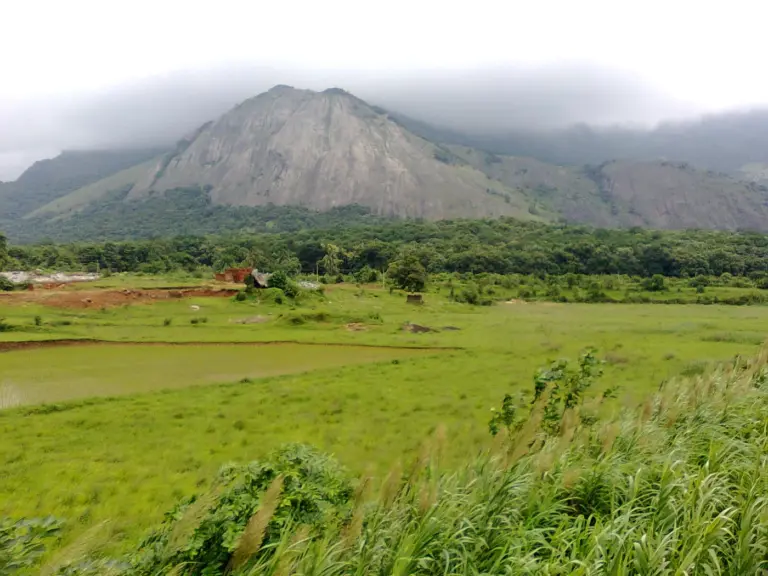
Namdapha National Park is one of India's most ecologically significant protected areas, sprawling across the Changlang district of Arunachal Pradesh in the far northeast. Declared a national park and tiger reserve in 1983, it lies in the Eastern Himalayan biodiversity hotspot and is distinguished as the only protected area in the world where four feline species of the big cat family — tiger, leopard, snow leopard and clouded leopard — are reported to coexist. Its altitudinal range sweeps from lowland tropical rainforest to alpine meadows, producing an extraordinary gradient of habitats that supports rare mammals, birds and endemic plants, making Namdapha a frequent fixture in UPSC current affairs and environment papers.
What Is Namdapha National Park?
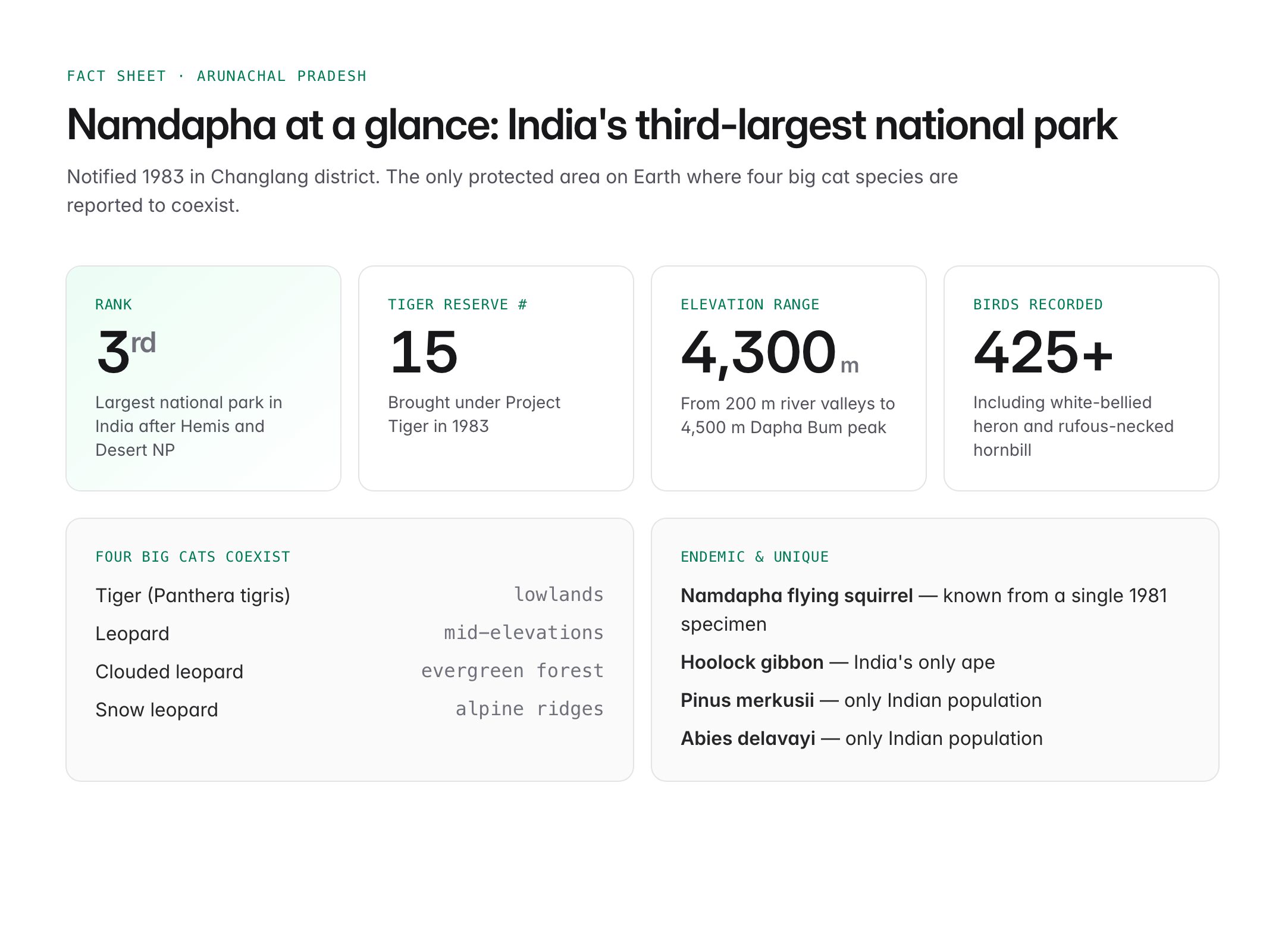
Namdapha is the third-largest national park in India by area, after Hemis and Desert National Park. It was first notified as a wildlife sanctuary in 1972, upgraded to a national park in 1983, and simultaneously brought under Project Tiger as a tiger reserve. The park is named after the Namdapha River, a tributary of the Noa-Dihing that flows through the reserve before joining the Brahmaputra system.
The park borders Myanmar to the east and lies close to the Indo-Myanmar and Indo-Bhutan-China tri-junctions. This transboundary location explains its mixed biogeographic character — species of the Himalayas, the Indo-Chinese subregion and the Indo-Malayan realm all converge here.
Location and Physical Features
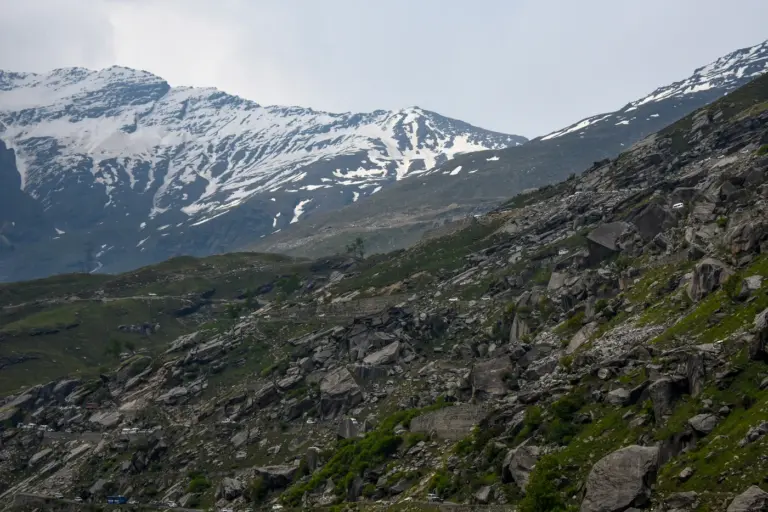
Namdapha lies between the Dapha Bum range of the Mishmi Hills and the Patkai range, with elevations rising from around 200 metres in the river valleys to over 4,500 metres at the Dapha Bum peak. This vertical spread of more than 4,000 metres is rare among Indian protected areas and is the core reason for its biological richness.
| Feature | Details |
|---|---|
| State | Arunachal Pradesh |
| District | Changlang |
| Year as National Park | 1983 |
| Tiger Reserve Status | 1983 (15th tiger reserve) |
| Main Rivers | Noa-Dihing, Namdapha |
| Adjoining Country | Myanmar (east) |
| Mountain Ranges | Patkai, Dapha Bum (Mishmi Hills) |
Rainfall is heavy, often exceeding 2,500 mm annually, and the terrain is rugged, with dense forests limiting road access and human settlement.
Flora and Vegetation Zones
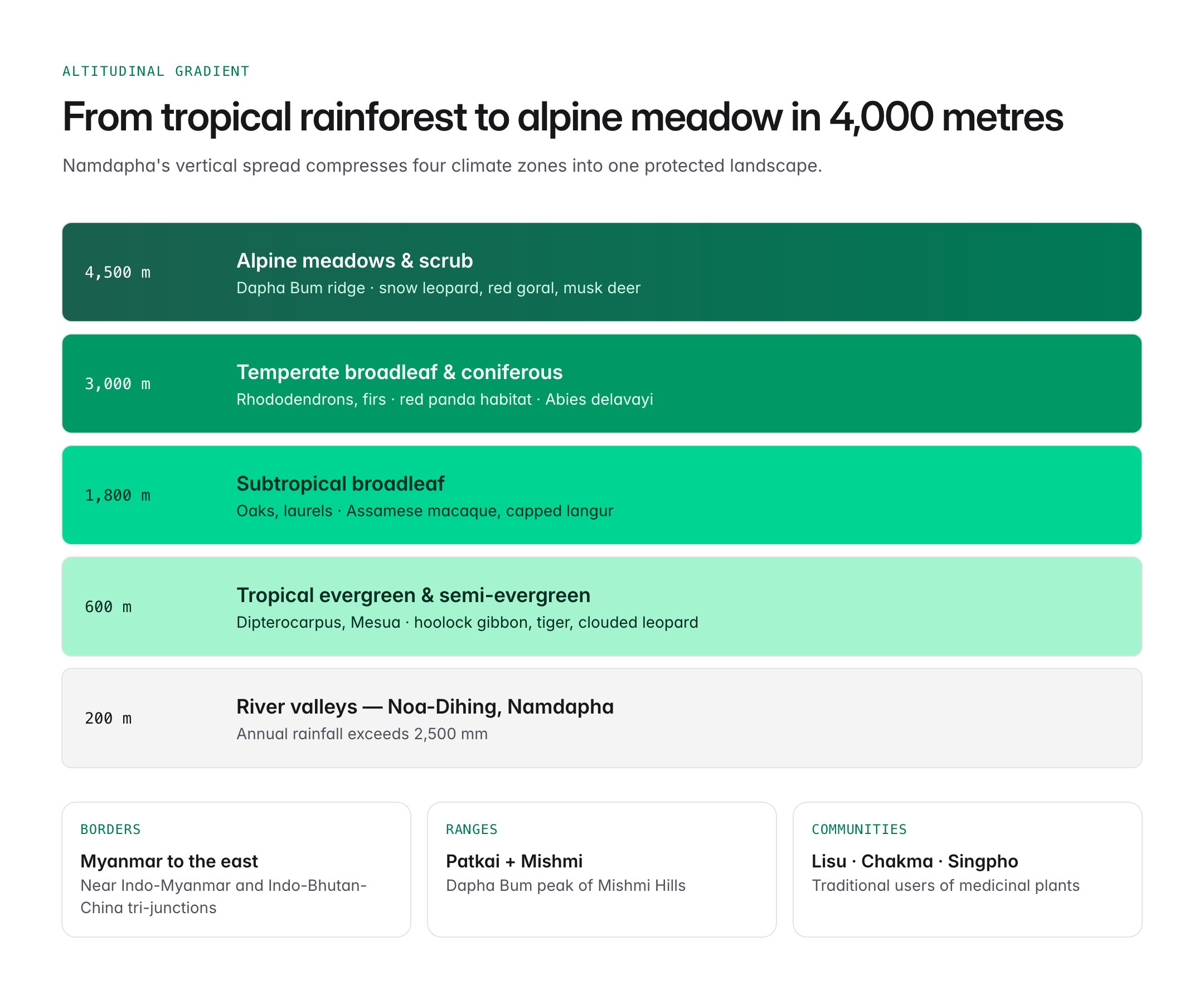
The park contains a remarkable vertical mosaic of forest types. Broadly, vegetation transitions through:
- Tropical evergreen and semi-evergreen forests in the lowlands, dominated by species of Dipterocarpus and Mesua
- Subtropical broadleaf forests in mid-elevations with oaks and laurels
- Temperate broadleaf and coniferous forests higher up, featuring rhododendrons and firs
- Alpine meadows and scrub near the Dapha Bum ridge
Notable plants include the Pinus merkusii (Sumatran pine) and Abies delavayi (Delavay's fir), both of which have their only Indian populations inside Namdapha. The park is also known for rare orchids and medicinal plants used by the indigenous Lisu, Chakma and Singpho communities living around its fringes.
Fauna: Mammals, Birds and Endemics
Namdapha's wildlife is its defining claim to global importance.
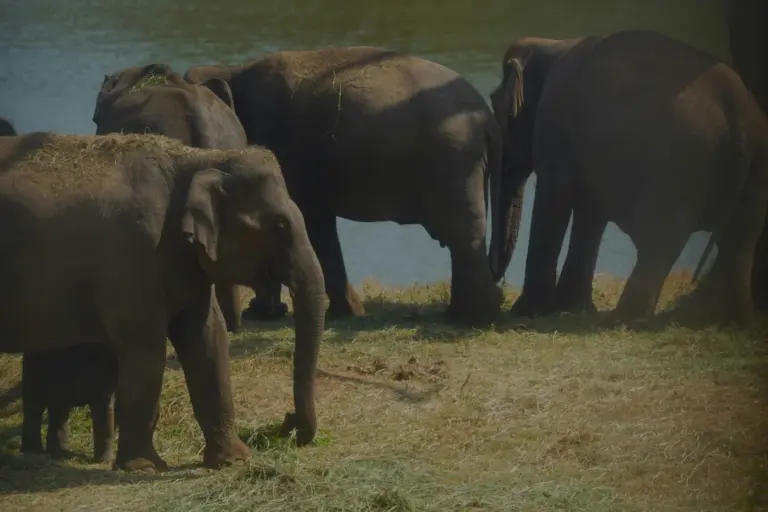
Flagship mammals include the tiger, leopard, clouded leopard and the elusive snow leopard at higher reaches. Other notable species are the red panda, Asiatic black bear, dhole (Asiatic wild dog), hoolock gibbon — India's only ape — and the Namdapha flying squirrel (Biswamoyopterus biswasi), a critically endangered species endemic to the park and known from a single specimen collected in 1981.
Primates recorded include the capped langur, Assamese macaque, stump-tailed macaque and slow loris. The park is also a stronghold for the musk deer, takin, mainland serow and red goral.
Birdlife is equally rich, with more than 425 recorded species, including white-bellied heron, rufous-necked hornbill, great hornbill, snowy-throated babbler and several laughingthrushes endemic to the Eastern Himalayas.
Conservation Challenges and Significance
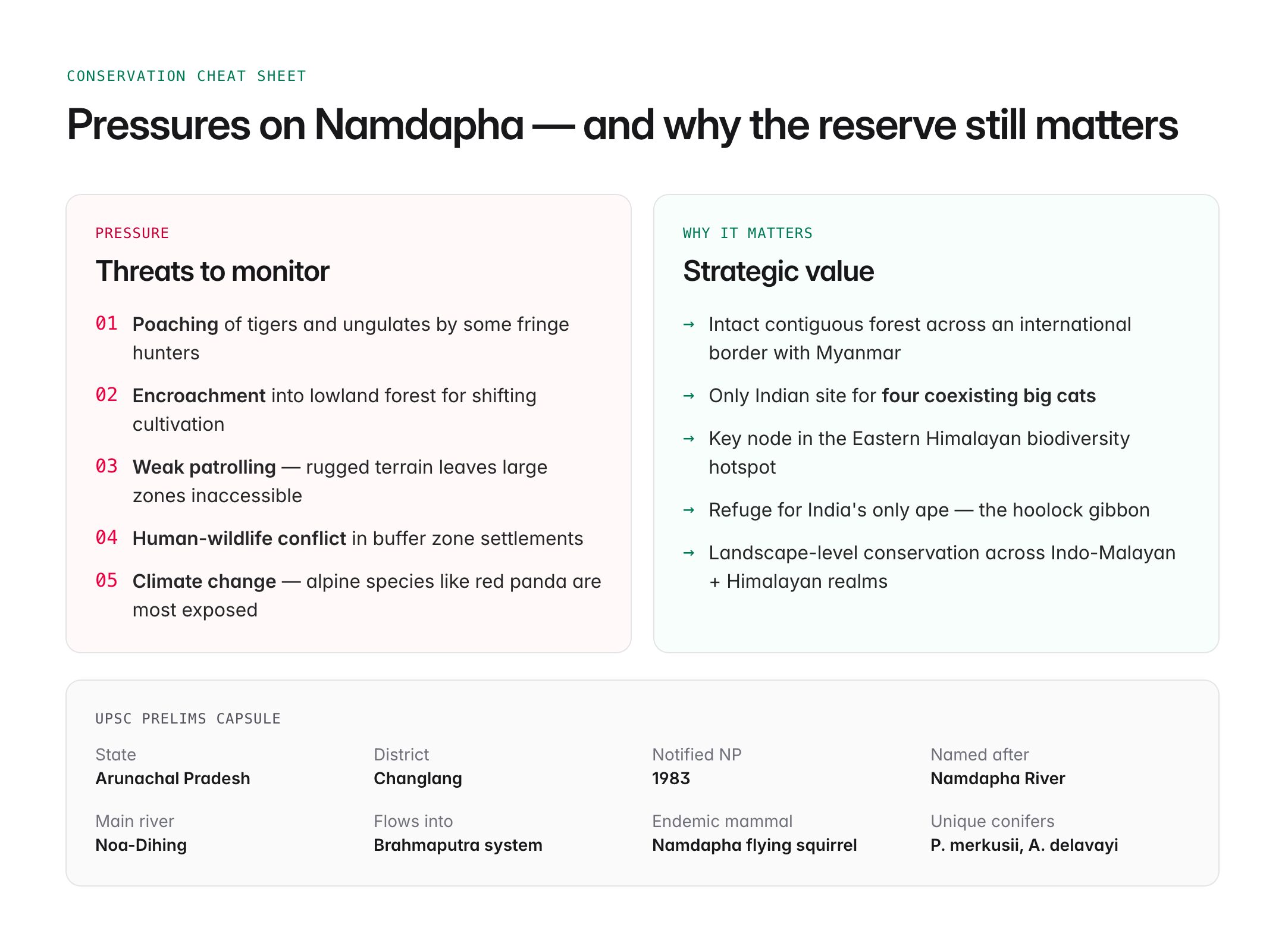
Despite legal protection, Namdapha faces continuing pressures:
- Poaching and hunting by some fringe communities, particularly affecting tigers and ungulates
- Encroachment into lowland forests for shifting cultivation
- Weak infrastructure — large sections of the park are inaccessible, making patrolling and monitoring difficult
- Human-wildlife conflict along the buffer zone settlements
- Climate change impacts on alpine and high-altitude species like the red panda
Tiger numbers have historically been low and camera-trap evidence has been sparse, leading conservationists to flag Namdapha as a reserve needing urgent management strengthening. At the same time, its status as an intact contiguous forest block straddling an international border gives it outstanding value for landscape-level conservation across the Eastern Himalayas.
UPSC Relevance
Prelims focus: Remember that Namdapha is in Arunachal Pradesh, is India's third-largest national park, hosts four big cat species, is drained by the Noa-Dihing and Namdapha rivers, and contains the endemic Namdapha flying squirrel and India's only ape, the hoolock gibbon. Pinus merkusii and Abies delavayi are unique to this park in India.
Mains GS-III angle: Namdapha is a case study for protected-area management in remote, low-visibility reserves; biodiversity conservation in transboundary landscapes; and balancing tribal livelihoods (Lisu, Chakma, Singpho) with strict wildlife protection. It connects to themes of Eastern Himalayan biodiversity hotspot, Project Tiger effectiveness, and climate vulnerability of alpine species.
Sample PYQ angle: Questions on protected areas in Arunachal Pradesh, national parks along international borders, habitats of the hoolock gibbon or red panda, and identification of biodiversity hotspots frequently route back to Namdapha. Expect map-based prelims questions linking it to adjacent Myanmar and the Patkai-Mishmi ranges.
Tell Google you want more of this.
Add Anantam IAS as a preferred sourceOne tap, and this site shows up more often in your own Top Stories, AI Overviews and AI Mode. Remove it any time.