Tribal movements in India form a continuous thread of armed and political resistance stretching from the early years of East India Company rule to the post-independence northeast and central India. Long before the Indian National Congress, before Gandhi, before even the 1857 uprising, the forest-dwelling communities of central, eastern, and peninsular India were taking up bows, axes, and slingshots against colonial revenue officials, moneylenders, contractors, and missionaries who were dismantling their world.
These were not isolated outbursts. The Bhils of western India rebelled across three decades. The Hos and Kols of Chhotanagpur revolted in successive generations. The Santhal Hul of 1855 mobilized over 60,000 people. Birsa Munda‘s Ulgulan of 1899 to 1900 declared the end of British rule in the Chotanagpur plateau and gave the country a martyr who is honoured today as Bhagwan Birsa Munda. After 1947, the rhythm continued in different registers — Naga and Mizo insurgencies, Bodo and Jharkhand movements, and the contemporary struggle around the Forest Rights Act 2006.
This article maps the major tribal movements in India, their causes, their leaders, and their continuing relevance to UPSC Mains, Prelims, and Indian Society papers.
Quick Facts About Tribal Movements in India
- First major colonial-era tribal revolt: Bhil Rebellion (1818 to 1831, Western Ghats and Khandesh)
- Largest pre-1857 tribal uprising: Santhal Hul (1855 to 1856, over 60,000 mobilized)
- Most iconic tribal leader: Birsa Munda (1875 to 1900), leader of the Ulgulan
- First Schedule (V and VI) constitutional protection: enacted in 1950
- Forest Rights Act enacted: 2006 (Scheduled Tribes and Other Traditional Forest Dwellers Recognition of Forest Rights Act)
- Post-independence movements: Naga (1956 onward), Mizo (1966 to 1986), Bodo (1980s onward), Jharkhand statehood (1947 to 2000)
Why Tribal Movements Happened: Land, Forest, and Faith
Across regions and centuries, tribal movements in India share a common triangle of grievances. The three drivers are:
- Land alienation: colonial land settlement converted communal tribal land tenure (khuntkatti, dikku-mukt holdings, traditional usufruct) into individual leasehold under the British Crown. Non-tribal settlers from the plains, called dikus by the Mundas and outsiders elsewhere, acquired titles through fraud, debt, and revenue auctions.
- Forest restriction: the Indian Forest Acts of 1865 and 1878, and later 1927, classified large tracts of tribal land as reserved or protected forest. Tribals lost the right to collect minor forest produce, graze livestock, practise shifting cultivation, or hunt small game.
- Cultural and religious assault: missionary activity, the imposition of Hindu landlord customs, the criminalization of certain ritual practices, and the labelling of tribal communities as criminal under the Criminal Tribes Act 1871 dismantled cosmologies that had functioned for centuries.
Underneath these layered grievances ran an unbroken thread: the tribal world view treats land, forest, water, and ancestral spirits as a single unit. Severing any one piece is felt as a wound on the whole. That is why almost every tribal uprising used the language of restoring a lost moral order, not merely demanding economic redress.
Pre-1857 Tribal Movements
Bhil Rebellions (1818 to 1846)
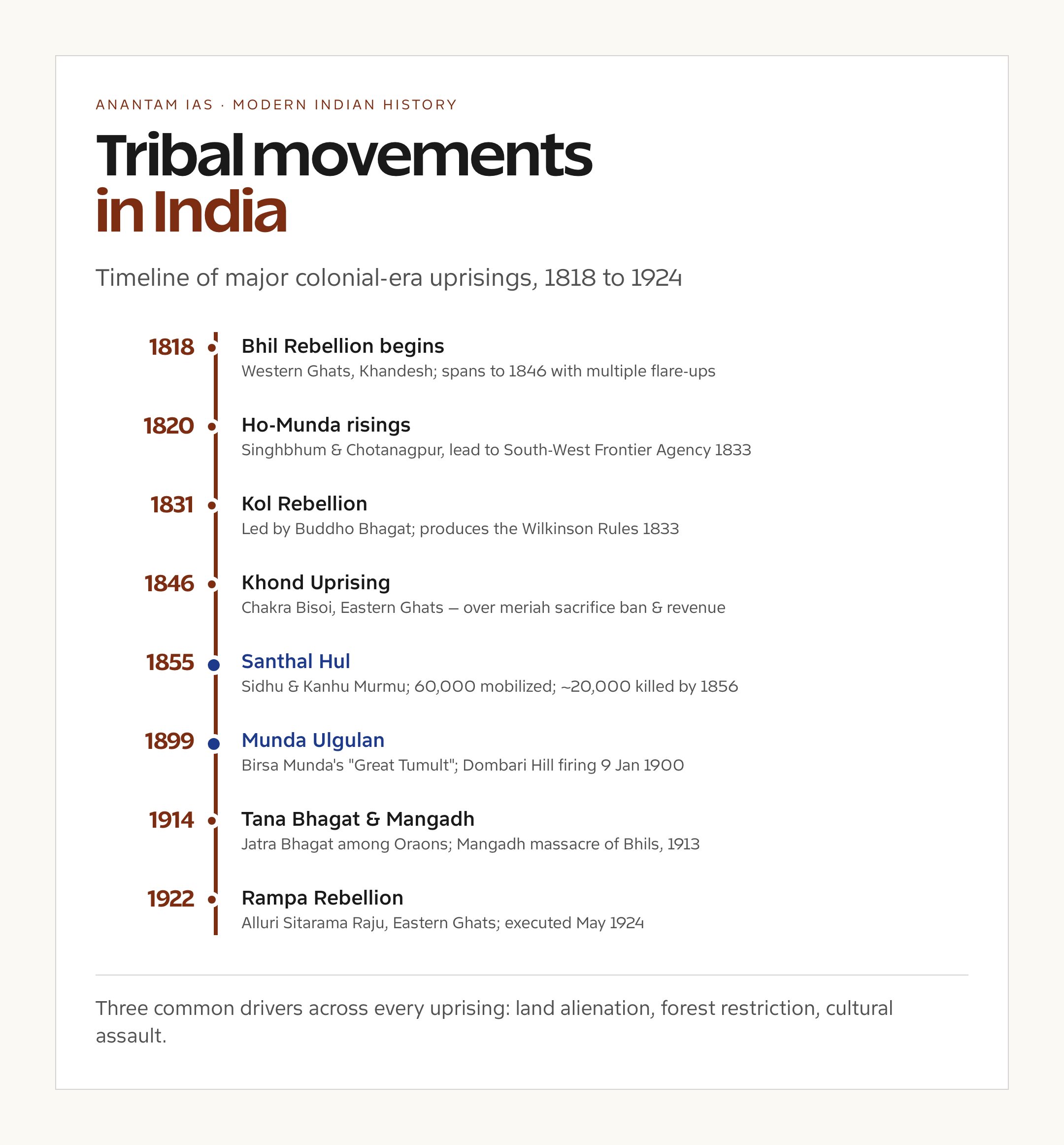
The Bhils of the Western Ghats, Khandesh, and Malwa resisted the East India Company from 1818 onwards, after the defeat of the Marathas brought their territory under direct British control. Sevaram led one of the early phases. The British responded with military pacification and the establishment of the Bhil Corps in 1825 to recruit some Bhils into Company service while suppressing others. Further uprisings broke out in 1831, 1846, and again in 1857. The Bhils combined geographical advantage of forested hills with traditional weapons and intimate knowledge of mountain passes.
Ho and Munda Risings (1820 to 1837)
The Hos of Singhbhum and the Mundas of Chotanagpur resisted Company rule from 1820 to 1832 and again in 1837. The Ho uprising under Raja Parahat opposed revenue extraction and forced labour. The Mundas joined the Hos in successive waves. Both communities were eventually subjugated, but the unrest pushed the Company to set up the South-West Frontier Agency in 1833, an early administrative recognition that Chotanagpur could not be governed like Bengal proper.
Kol Rebellion (1831 to 1832)
The Kol uprising of 1831 to 1832 across Chotanagpur was triggered by the transfer of tribal land to non-tribal Sikh and Muslim farmers under settlement operations. Led by Buddho Bhagat, the Kols attacked thikadars (revenue contractors), zamindars, and Company posts. The rebellion was crushed with reinforcements from Calcutta, but it forced the Company to introduce the Wilkinson Rules in 1833, granting some recognition to tribal customary law in Chotanagpur.
Khond Uprising (1846 to 1855)
The Khonds of the Eastern Ghats, primarily in Odisha’s hill tracts, rebelled against British attempts to suppress meriah human sacrifice — a ritual the Khonds practised for agricultural fertility — and against the imposition of revenue. Chakra Bisoi led the resistance from 1846 to 1855. The Khond movement combined religious autonomy with anti-revenue grievance.
Santhal Hul (1855 to 1856)
The Santhal Hul is the largest tribal revolt of the pre-1857 colonial period. The Santhal community of the Damin-i-Koh region (parts of present-day Jharkhand and West Bengal) had been settled in the early 19th century in cleared forest tracts. Within two generations, moneylenders, zamindars, and government officials had reduced them to debt bondage. On 30 June 1855, four brothers — Sidhu, Kanhu, Chand, and Bhairav Murmu — gathered around 10,000 Santhals at Bhognadih and declared open war against the dikus and the British. The movement spread rapidly, mobilizing over 60,000 Santhals. Tribal bows, axes, and slings fought British muskets and cavalry. By February 1856, the Hul was crushed and an estimated 15,000 to 25,000 Santhals had been killed. The episode forced the British to enact the Santhal Parganas Tenancy Act 1876, creating a separate non-regulation district where Santhal land could not be sold to non-Santhals — an early ancestor of modern PESA and FRA protections.
Munda Ulgulan (1899 to 1900)
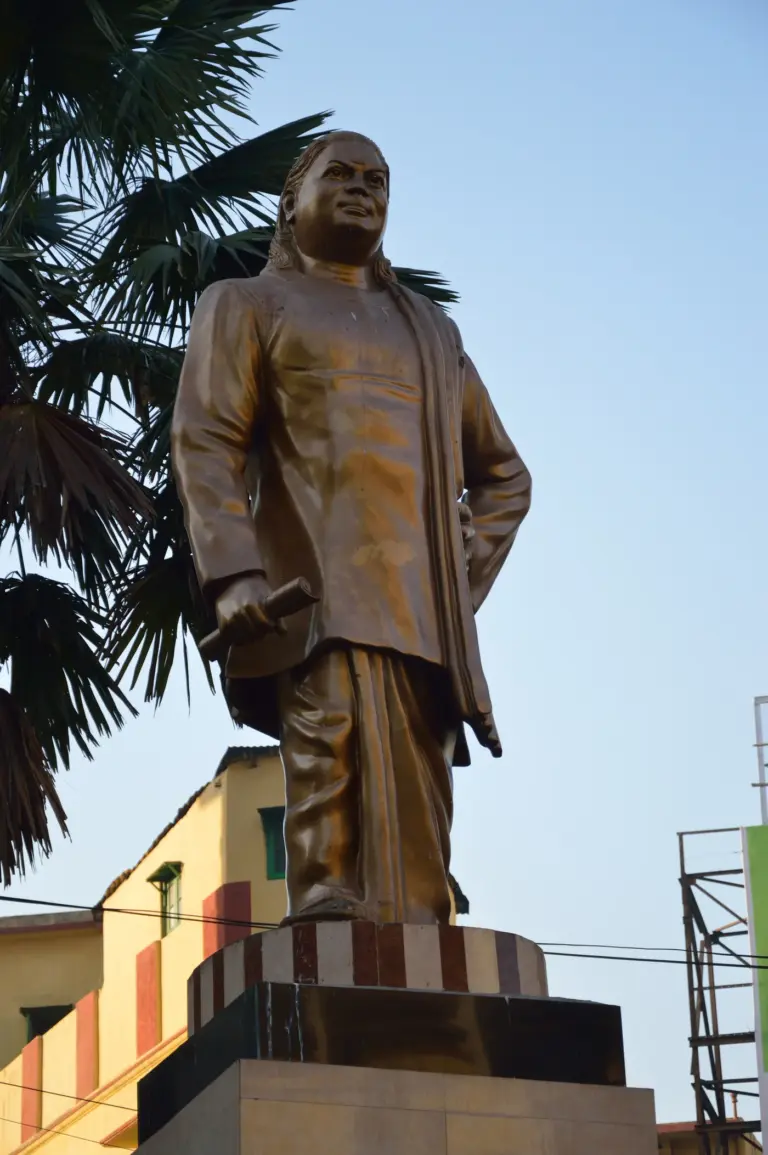
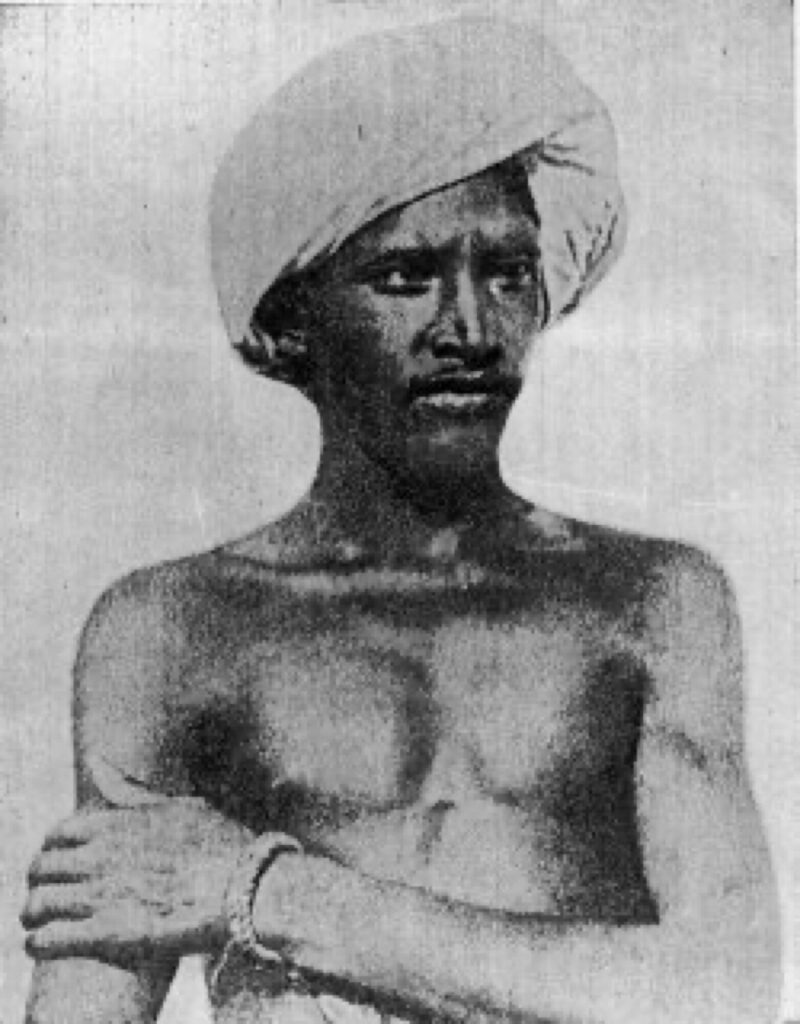
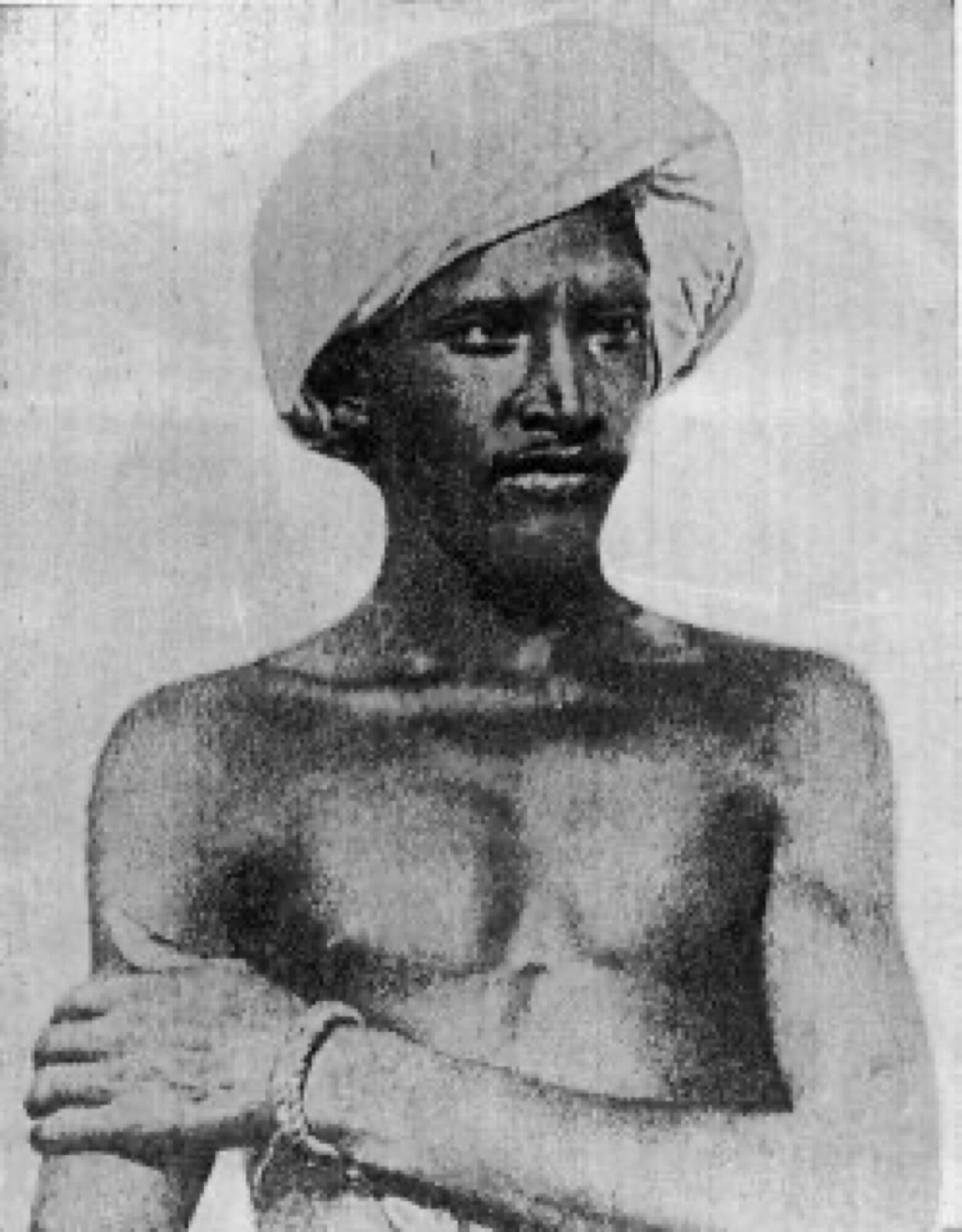
The Munda Rebellion of 1899 to 1900, called the Ulgulan or Great Tumult, was led by Birsa Munda (1875 to 1900) in the Chotanagpur plateau. Birsa preached a syncretic faith, opposed both Christian missionaries and Hindu landlord customs, and demanded the restoration of khuntkatti land rights — the Munda system of communal village landholding. On 24 December 1899, Christmas Eve, he declared the Ulgulan. The revolt spread across Khunti, Tamar, Basia, and Ranchi. On 9 January 1900, British forces opened fire on a gathering of Birsa’s followers at Dombari Hill (also called Sail Rakab), killing hundreds. Birsa was captured on 3 March 1900 and died in Ranchi jail on 9 June 1900, aged 25. The Ulgulan led directly to the Chotanagpur Tenancy Act 1908, one of the first colonial laws to formally protect tribal land. The Government of India observes 15 November, Birsa’s birth anniversary, as Janjatiya Gaurav Divas.
Tribal Movements in the Early 20th Century
Tana Bhagat Movement (1914 onwards)
Jatra Bhagat founded the Tana Bhagat movement among the Oraons of Chotanagpur in 1914. The movement combined religious reform — rejection of alcohol, meat, and superstitions — with refusal to pay rent to landlords and the colonial state. The Tana Bhagats joined the Indian National Congress and participated in Non-Cooperation and Civil Disobedience. They became one of the few tribal groups to merge formally with the mainstream nationalist movement.
Rampa Rebellion (1922 to 1924)
Alluri Sitarama Raju led the Rampa Rebellion in the Eastern Ghats of present-day Andhra Pradesh from 1922 to 1924. The trigger was the 1882 Madras Forest Act, which restricted traditional podu (shifting cultivation) and forest access. Alluri organized Koya and Konda Dora tribals into a guerrilla force, raided police stations for arms, and held out for two years against British and Madras Presidency troops. He was captured and executed in May 1924. Recent popular culture, including the 2022 film RRR, has rekindled wider awareness of his role.
Bhagat Movements in Gujarat and Rajasthan
Govind Guru organized the Bhils of Mewar and Idar around the Bhagat (devotee) reform tradition. The Mangadh massacre of 17 November 1913, in which British forces fired on a gathering of Bhil devotees at Mangadh Hill on the Gujarat-Rajasthan border, killed around 1,500 Bhils — a figure comparable to Jallianwala Bagh six years later, though far less remembered in mainstream historiography.
Tribal Movements and the Mainstream Freedom Struggle
Some tribal communities aligned formally with the Indian National Congress and joined the larger freedom struggle. The Tana Bhagats are the most documented example. Tribal participation in Non-Cooperation (1920 to 1922), Civil Disobedience (1930 to 1934), and Quit India (1942) is recorded in pockets of Chotanagpur, Odisha, and central India. The wider tribal experience, however, was one of separate and parallel movements that the Congress only partly engaged with, and tribal politics retained an independent register even after 1947.
The 1857 Revolt saw tribal participation in Singhbhum, the Sambalpur region under Surendra Sai, and parts of central India under Tantya Tope’s networks, though tribal contributions remain understudied in mainstream 1857 historiography.
Post-Independence Tribal Movements
Naga Movement (1947 onwards)
The Naga National Council, founded in 1946, declared Naga independence on 14 August 1947, a day before Indian independence. The movement turned into armed insurgency under A.Z. Phizo in the 1950s. The Government of India responded with the Armed Forces (Special Powers) Act 1958 and eventually with the creation of Nagaland as a state in 1963. The Shillong Accord (1975) and subsequent splits gave rise to factions including NSCN (IM) and NSCN (K). The Naga Framework Agreement of 2015 remains under negotiation.
Mizo Movement (1966 to 1986)
The Mizo National Front, founded by Laldenga, launched an armed insurgency in 1966 following the mautam famine and inadequate central response. The Indian Air Force bombed Aizawl in 1966 — the only instance of the IAF using aerial firepower on Indian soil against Indian citizens. After two decades of conflict, the Mizo Peace Accord of 30 June 1986 ended the insurgency, and Mizoram became a state on 20 February 1987.
Bodo Movement (1980s onwards)
The Bodos of Assam launched a movement for a separate state from the 1980s under the All Bodo Students Union and later the National Democratic Front of Bodoland. The Bodo Accord of 1993 created the Bodoland Autonomous Council. The Second Bodo Accord (2003) established the Bodoland Territorial Council under the Sixth Schedule. The Third Bodo Accord (2020) brought further autonomy and ceasefire commitments. See the Sixth Schedule framework for the constitutional architecture under which Bodo autonomy operates.
Jharkhand Statehood Movement
The demand for a separate Jharkhand state for the tribal-majority Chotanagpur and Santhal Parganas regions traces back to Jaipal Singh Munda’s Adivasi Mahasabha in the 1930s. After decades of agitation by the Jharkhand Mukti Morcha and other formations, Jharkhand was carved out of Bihar on 15 November 2000 (Birsa Munda’s birth anniversary). Chhattisgarh was carved from Madhya Pradesh on 1 November 2000 around a similar logic of tribal-region statehood.
Forest Rights Act 2006 and Modern Tribal Movements
The Scheduled Tribes and Other Traditional Forest Dwellers Recognition of Forest Rights Act 2006, commonly called the Forest Rights Act or FRA, is the legislative endpoint of nearly two centuries of tribal demand for restoration of land and forest rights. The Act recognizes:
- Individual forest rights over land cultivated by Scheduled Tribes and other traditional forest dwellers before 13 December 2005
- Community forest rights for minor forest produce, grazing, water bodies, and customary use
- Community forest resource rights for sustainable management of forest tracts
- Habitat rights for Particularly Vulnerable Tribal Groups
- Protection from displacement without consent through the gram sabha
Implementation has been uneven. State-level recognition rates vary widely. Mining, infrastructure, and conservation projects continue to come into conflict with FRA claims. The 2019 Supreme Court interim order on FRA rejection cases brought the unresolved tensions into sharp national focus. The tribal issues framework and the Panchayat Extension to Scheduled Areas Act discussion cover the institutional infrastructure that emerged from these older movements.
Common Causes Across Tribal Movements in India
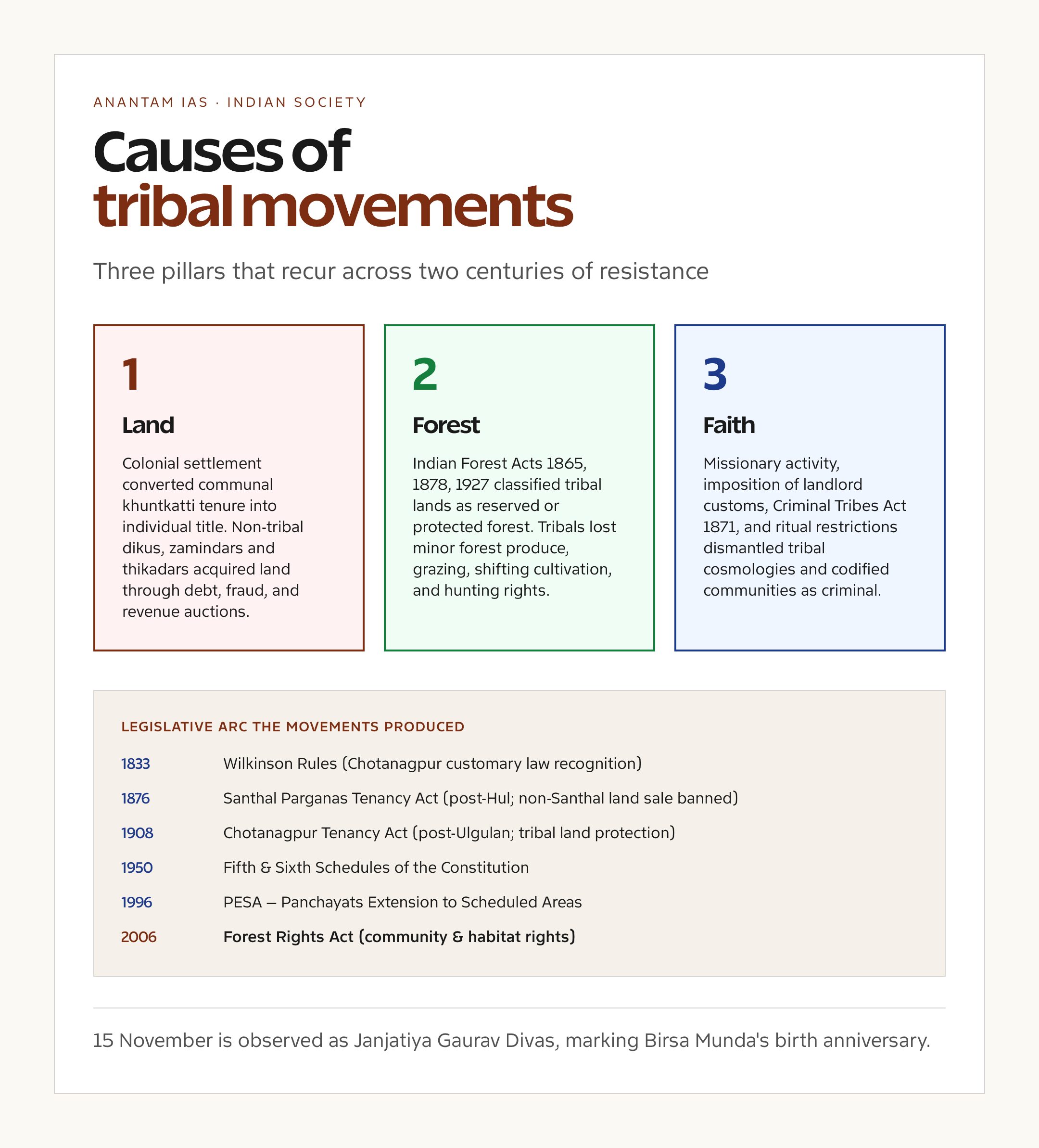
Reading across two centuries, the recurring causes of tribal movements in India cluster into seven patterns:
- Loss of customary land tenure to outsiders (dikus, zamindars, contractors)
- Imposition of cash revenue replacing barter and labour exchange
- Restriction on access to forest produce and shifting cultivation
- Forced labour (begar) for landlords and the colonial state
- Debt bondage to moneylenders and traders
- Religious and cultural disruption by missionaries and Hindu reformers
- Police and revenue officer harassment
Where these triggers compounded, movements broke out. Where any one was addressed effectively, even partially, movements either subsided or shifted into more constitutional channels.
UPSC Relevance and Recurring Themes
Tribal movements in India appear in UPSC Prelims through specific dates, leaders, and locations. Mains GS-I draws on the broader sociological and historical reading of resistance, peasant and tribal uprisings, and the role of these movements in shaping colonial law. GS-II touches on constitutional protections — Fifth and Sixth Schedules, PESA 1996, FRA 2006. GS-III links tribal movements to internal security in the northeast and to forest-rights litigation. Essay and Ethics papers draw on Bishnoi-style sacrifice traditions and on the moral economy of tribal resistance.
Key takeaways for revision: distinguish pre-1857 movements (Bhil, Ho, Kol, Khond, Santhal, Munda) from early-20th-century movements (Tana Bhagat, Rampa, Bhagat) and from post-independence movements (Naga, Mizo, Bodo, Jharkhand statehood). Trace the legislative arc from the Santhal Parganas Tenancy Act 1876 to the Chotanagpur Tenancy Act 1908 to the Forest Conservation framework and the FRA 2006.
Frequently Asked Questions
Who was Birsa Munda?
Birsa Munda (1875 to 1900) was a tribal leader from the Chotanagpur plateau who led the Ulgulan or Great Tumult of 1899 to 1900 against British rule, missionaries, and zamindars. He preached a syncretic faith, demanded restoration of khuntkatti communal land rights, and was captured on 3 March 1900. He died in Ranchi jail on 9 June 1900, aged 25. His birth anniversary, 15 November, is observed as Janjatiya Gaurav Divas.
What was the Santhal Hul of 1855?
The Santhal Hul was an armed uprising launched on 30 June 1855 by the Murmu brothers Sidhu, Kanhu, Chand, and Bhairav at Bhognadih in the Damin-i-Koh region. Over 60,000 Santhals joined the revolt against moneylenders, zamindars, and the British. The Hul was crushed by February 1856 with an estimated 15,000 to 25,000 Santhals killed. It led to the Santhal Parganas Tenancy Act 1876.
What were the main causes of tribal movements in India?
The main causes of tribal movements in India were land alienation to non-tribal outsiders, restriction of forest access under colonial forest laws, religious and cultural disruption by missionaries and reformers, forced labour for landlords and the state, debt bondage to moneylenders, and revenue extraction in cash on subsistence economies.
What is the link between tribal movements and the Forest Rights Act 2006?
The Forest Rights Act 2006 is the legislative endpoint of nearly two centuries of tribal demand for restoration of land and forest rights. It recognizes individual and community forest rights for Scheduled Tribes and other traditional forest dwellers, including habitat rights for Particularly Vulnerable Tribal Groups and protection from displacement without gram sabha consent.
Which tribal movement led to the bombing of an Indian city by the Indian Air Force?
The Mizo movement led to the Indian Air Force bombing Aizawl in March 1966, after the Mizo National Front under Laldenga launched an armed insurgency. It remains the only instance of the IAF using aerial firepower on Indian soil against Indian citizens. The insurgency ended with the Mizo Peace Accord of 1986.
What is Janjatiya Gaurav Divas?
Janjatiya Gaurav Divas is observed every year on 15 November, the birth anniversary of Birsa Munda. The Government of India declared the day in 2021 to honour the contribution of tribal leaders and communities to the freedom struggle and to nation-building.
Tell Google you want more of this.
Add Anantam IAS as a preferred sourceOne tap, and this site shows up more often in your own Top Stories, AI Overviews and AI Mode. Remove it any time.