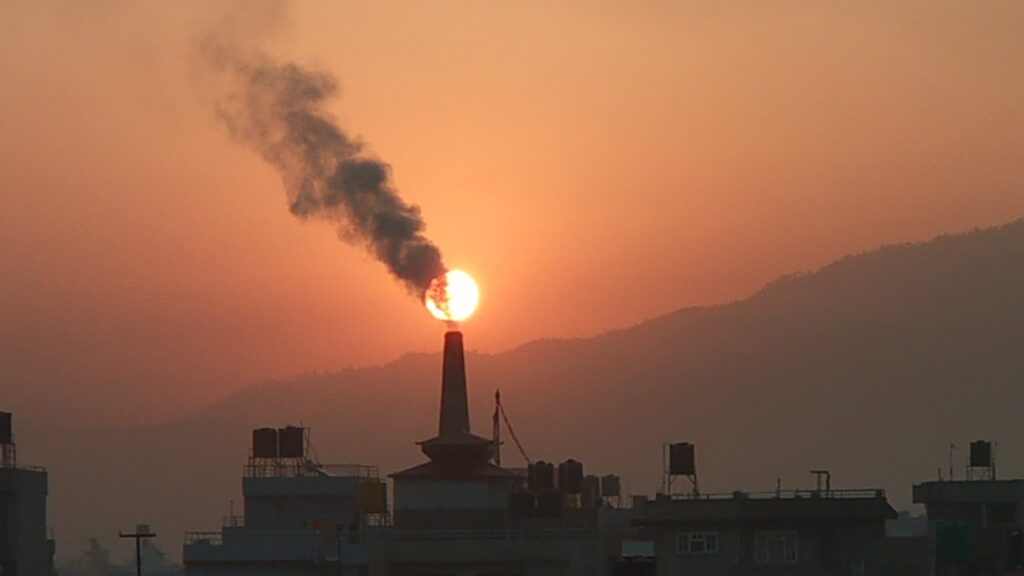
Pollution is the introduction of harmful contaminants into the environment at levels that cause adverse effects. It can be classified into several major types based on the medium affected. Each type has distinct causes, effects, and regulatory frameworks — though they often interact and compound each other's impacts.
For UPSC, understanding the different types of pollution — along with their causes, consequences, and Indian regulatory responses — is essential for Environment & Ecology (GS3) and Governance (GS2).
Classification of Pollution
Pollution can be broadly classified by:
By Medium
- Air pollution
- Water pollution
- Soil/land pollution
- Noise pollution
- Light pollution
- Thermal pollution
- Radioactive pollution
By Nature
- Biodegradable (can decompose naturally) — sewage, food waste
- Non-biodegradable (persistent) — plastic, heavy metals, radioactive materials
By Source
- Point sources — specific identifiable source (e.g., factory chimney, sewage outlet)
- Non-point sources — diffuse sources (e.g., agricultural runoff, urban runoff)
1. Air Pollution
Definition
Contamination of the atmosphere by harmful substances that affect human health, climate, and ecosystems.
Major Pollutants
| Pollutant | Source | Effects |
|---|---|---|
| PM2.5 & PM10 (particulate matter) | Vehicle exhaust, construction, industry, biomass burning | Respiratory and cardiovascular disease |
| Nitrogen oxides (NOx) | Vehicles, power plants | Respiratory problems, acid rain, smog |
| Sulphur dioxide (SO2) | Coal burning, industry | Respiratory issues, acid rain |
| Carbon monoxide (CO) | Vehicle exhaust, incomplete combustion | Blocks oxygen in blood, heart/brain damage |
| Ozone (O3) ground level | Formed from NOx + VOCs + sunlight | Respiratory problems, smog |
| Lead | Industries, batteries | Nervous system damage (banned from petrol) |
| VOCs (Volatile Organic Compounds) | Solvents, paints, fuels | Cancer, eye irritation |
Sources
Natural:
- Volcanic eruptions
- Dust storms
- Wildfires
- Methane from wetlands
Anthropogenic:
- Vehicle emissions (major in urban areas)
- Industrial emissions (factories, power plants)
- Biomass burning (crop residue, cooking fuel)
- Construction dust
- Agriculture (ammonia from fertilisers, methane from livestock)
Indian Context
India faces severe air pollution:
- 14 of world's 20 most polluted cities are in India (WHO data)
- Delhi, Lucknow, Patna, Ghaziabad — consistently top the global lists
- Causes: Vehicle emissions, construction, stubble burning, thermal power plants, industry
- Stubble burning in Punjab/Haryana causes severe pollution in Delhi-NCR during winter
Effects
- Health: 1.67 million deaths annually in India (Lancet); respiratory disease, cancer, cardiovascular disease, reduced cognition
- Environment: Acid rain, climate change, ozone depletion
- Economy: Productivity loss, healthcare costs
- Climate change: CO2, methane are greenhouse gases
Regulatory Framework
- Air (Prevention and Control of Pollution) Act, 1981
- National Clean Air Programme (NCAP) — 2019; target 20-30% reduction in PM2.5 and PM10 by 2024
- NAAQS (National Ambient Air Quality Standards) — CPCB
- BS-VI emissions standards — for vehicles
- Supreme Court orders — CNG in Delhi, EV policy
- GRAP (Graded Response Action Plan) — Delhi-NCR
2. Water Pollution
Definition
Contamination of water bodies (rivers, lakes, groundwater, oceans) by harmful substances.
Major Sources
| Source | Pollutants |
|---|---|
| Industrial effluents | Heavy metals, chemicals, dyes |
| Sewage | Pathogens, organic matter, nutrients |
| Agricultural runoff | Pesticides, fertilisers, animal waste |
| Urban runoff | Oil, rubber, heavy metals |
| Oil spills | Petroleum (marine environment) |
| Mining | Heavy metals, sediments |
| Thermal discharge | Hot water from power plants |
Effects
- Human health: Cholera, typhoid, hepatitis, heavy metal poisoning
- Aquatic life: Eutrophication, biodiversity loss, fish kills
- Groundwater: Contamination reaches drinking water
- Economic: Fisheries loss, tourism loss, health costs
Key Indian Concerns
- Ganga River — only 0-30% sewage treatment in some stretches (NMCG working on improvement)
- Yamuna River — Delhi's sewage makes it virtually dead in parts
- Industrial rivers — Palar (Tirupur), Noyyal, Musi highly polluted
- Arsenic contamination — West Bengal, Bihar (groundwater)
- Fluoride contamination — Andhra Pradesh, Karnataka
Regulatory Framework
- Water (Prevention and Control of Pollution) Act, 1974 — primary legislation
- Water Cess Act, 1977
- Environment Protection Act, 1986 — broader provisions
- National Water Policy, 2012
- Namami Gange Programme — Ganga river cleanup
- NGT — enforcement
3. Soil/Land Pollution
(Covered in detail in separate article on Soil Pollution)
Summary
- Sources: Industrial waste, pesticides, plastic, e-waste, mining
- Effects: Soil infertility, bioaccumulation in crops, groundwater contamination, health issues
- Major pollutants: Heavy metals, pesticides, PCBs, microplastics
- Indian law: Environment Protection Act, Hazardous Waste Rules, E-Waste Rules
4. Noise Pollution
Definition
Unwanted or harmful sound that disturbs human life or ecosystems.
Measurement
Decibel (dB) scale:
- 0-30 dB: Quiet (library, whisper)
- 30-60 dB: Moderate (conversation, office)
- 60-85 dB: Loud (heavy traffic, lawn mower)
- 85-110 dB: Very loud (motorcycle, chainsaw) — hearing damage risk
- 110-140 dB: Extremely loud (rock concert, firecrackers)
- 140+ dB: Dangerous (jet takeoff, gunshot)
Sources
- Transportation: Vehicles, trains, aircraft
- Construction: Heavy machinery, piling
- Industry: Factories, heavy equipment
- Residential: Loud music, parties, household appliances
- Social: Public gatherings, processions
- Religious: Loudspeakers at religious events
- Fireworks: Especially during festivals
Effects
Physical:
- Hearing loss
- Cardiovascular problems
- Sleep disturbance
- Headaches
- High blood pressure
Psychological:
- Stress and anxiety
- Reduced concentration
- Aggression
On Wildlife:
- Disturbance in mating and feeding
- Changes in migration patterns
- Hearing damage in marine mammals
Indian Regulation
Noise Pollution (Regulation and Control) Rules, 2000:
| Area Category | Day (6 AM-10 PM) | Night (10 PM-6 AM) |
|---|---|---|
| Industrial | 75 dB | 70 dB |
| Commercial | 65 dB | 55 dB |
| Residential | 55 dB | 45 dB |
| Silence zones (hospitals, schools) | 50 dB | 40 dB |
Supreme Court rulings:
- Loudspeakers prohibited between 10 PM and 6 AM (except permitted assembly)
- Horns prohibited in silence zones
- Public awareness required
5. Light Pollution
Definition
Excessive or inappropriate artificial light that interferes with the natural environment, human activities, and ecosystems.
Types
| Type | Description |
|---|---|
| Skyglow | Brightening of night sky over urban areas (visible from space) |
| Light trespass | Unwanted light shining into neighbouring properties |
| Glare | Excessive brightness causing visual discomfort |
| Over-illumination | Excessive use of light for the intended purpose |
| Clutter | Excessive grouping of lights |
Sources
- Street lighting (especially unshielded)
- Commercial advertising (LED billboards)
- Sports stadiums
- Industrial lighting
- Residential lighting
- Vehicle headlights
Effects
On humans:
- Disrupts circadian rhythms
- Sleep disorders
- Increased cancer risk (melatonin disruption)
- Eye strain
On wildlife:
- Sea turtles — disoriented by coastal lights
- Birds — collision with illuminated buildings
- Insects — attraction to lights disrupts ecosystems
- Fireflies — declining populations linked to light pollution
On astronomy:
- Degrades night sky observation
- Many historic observatories cannot be used effectively
Climate connection:
- Wasted energy
- Associated CO2 emissions
Regulation
India has no specific light pollution law. Dealt under:
- General Environment Protection Act
- Some state-level regulations
- Public awareness efforts (Dark Sky movements)
6. Thermal Pollution
Definition
The release of heat into water bodies (or sometimes air) that raises ambient temperatures above natural levels.
Major Sources
- Thermal power plants — cooling water discharge
- Industrial cooling — hot wastewater
- Urban heat islands — increased ambient temperature in cities
- Soil erosion — exposing shallow soils that absorb more heat
Effects
On aquatic ecosystems:
- Decreased oxygen solubility — warmer water holds less oxygen
- Thermal shock to fish and other organisms
- Algal blooms
- Biodiversity shift — some species die, others thrive
- Metabolism changes in aquatic organisms
Cooling towers are used by thermal plants to reduce thermal pollution by evaporating heat before returning water to the environment.
7. Radioactive Pollution
Definition
Release of radioactive substances into the environment.
Sources
- Nuclear power plant accidents (Chernobyl, Fukushima)
- Nuclear weapons testing
- Nuclear medicine waste
- Uranium mining
- Nuclear waste storage
- Scrap metal recycling (occasionally contaminated)
Effects
On humans:
- Cancer (including thyroid, leukaemia)
- Genetic mutations
- Radiation sickness (acute exposure)
- Birth defects
On environment:
- Contamination lasting thousands of years
- Ecosystem devastation at high doses
- Groundwater contamination
Major Incidents
- Chernobyl (1986) — USSR — worst civilian nuclear accident
- Fukushima (2011) — Japan — earthquake/tsunami caused meltdown
- India: Mostly low-level contamination from mining; no major accidents
Regulation
- Atomic Energy Act, 1962 (India)
- IAEA (International Atomic Energy Agency) regulations
- AERB (Atomic Energy Regulatory Board) — India
8. Plastic Pollution (Emerging Category)
Increasingly recognised as a distinct pollution type:
Sources
- Single-use plastics (bags, bottles, packaging)
- Industrial processes
- Microplastics from synthetic clothing, tires
- Fishing gear in marine environments
- Cosmetics containing microbeads
Effects
- Marine pollution — millions of tonnes enter oceans annually
- Ingestion by wildlife — birds, marine life
- Microplastics in food chain — from fish to humans
- Soil contamination
- Greenhouse gas emissions during production
Regulation
- Plastic Waste Management Rules, 2016 (amended 2022)
- Single-use plastic ban in India (2022)
- Extended Producer Responsibility (EPR)
- Global plastics treaty — under negotiation at UN
Regulatory Institutions in India
| Institution | Role |
|---|---|
| CPCB (Central Pollution Control Board) | National pollution regulation |
| SPCBs (State Pollution Control Boards) | State-level enforcement |
| MoEFCC | Ministry of Environment, Forest and Climate Change — policy |
| NGT (National Green Tribunal) | Specialised environmental court |
| IMD (India Meteorological Department) | Air quality monitoring |
| ICAR | Agricultural pollution research |
| AERB | Atomic Energy Regulatory Board |
The Polluter Pays Principle
Indian environmental law has enshrined the Polluter Pays Principle:
- The polluter must pay for the costs of damage and cleanup
- Applied in various Supreme Court judgments (Vellore Citizens, M.C. Mehta cases)
- Extended Producer Responsibility (EPR) is a modern application
UPSC Relevance
GS3 (Environment): All types of pollution, regulatory framework, India's challenges.
GS2 (Governance): Environmental institutions, policy implementation.
GS1 (Geography): Urban-rural pollution dynamics, regional patterns.
Essay: Sustainable development, intergenerational equity, polluter pays.
Key Prelims facts:
- Major pollution types: Air, water, soil, noise, light, thermal, radioactive, plastic
- Major air pollutants: PM2.5, PM10, NOx, SOx, CO, O3
- NAAQS: Set by CPCB
- India = 14 of world's 20 most polluted cities (WHO)
- Noise rules (2000): Industrial 75/70 dB, Commercial 65/55, Residential 55/45, Silence 50/40 dB
- Loudspeakers prohibited: 10 PM – 6 AM
- Plastic ban in India: 2022 (single-use plastics)
- CPCB: Central regulator
- NGT: National Green Tribunal
- Polluter Pays Principle: In Indian environmental law
- Key laws: Water Act 1974, Air Act 1981, Environment Protection Act 1986
- Major schemes: NCAP, Namami Gange, Swachh Bharat
Tell Google you want more of this.
Add Anantam IAS as a preferred sourceOne tap, and this site shows up more often in your own Top Stories, AI Overviews and AI Mode. Remove it any time.